Harley-Davidson Road Glide MSRP: Understanding Pricing, Trims, and Cost Factors
The Manufacturer's Suggested Retail Price (MSRP) for a new Harley-Davidson Road Glide generally starts around $25,999 for base standard models and scales upward past $32,000 to $40,000+ for Special, Custom, CVO (Custom Vehicle Operatio...
The Manufacturer's Suggested Retail Price (MSRP) for a new Harley-Davidson Road Glide generally starts around $25,999 for base standard models and scales upward past $32,000 to $40,000+ for Special, Custom, CVO (Custom Vehicle Operations), or fully optioned iterations, depending on the model year, chosen color options, and regional destination fees.
Contents
Purchasing a touring motorcycle represents a significant financial investment, and navigating the pricing structure of Harley-Davidson’s iconic shark-nose-fairing grand American touring machine requires a thorough breakdown of base costs, factory options, and ancillary fees. Understanding how the MSRP is constructed helps buyers budget effectively, negotiate transparently with dealerships, and select the precise trim that matches their riding style and financial parameters.
Evolution of the Road Glide Pricing Structure
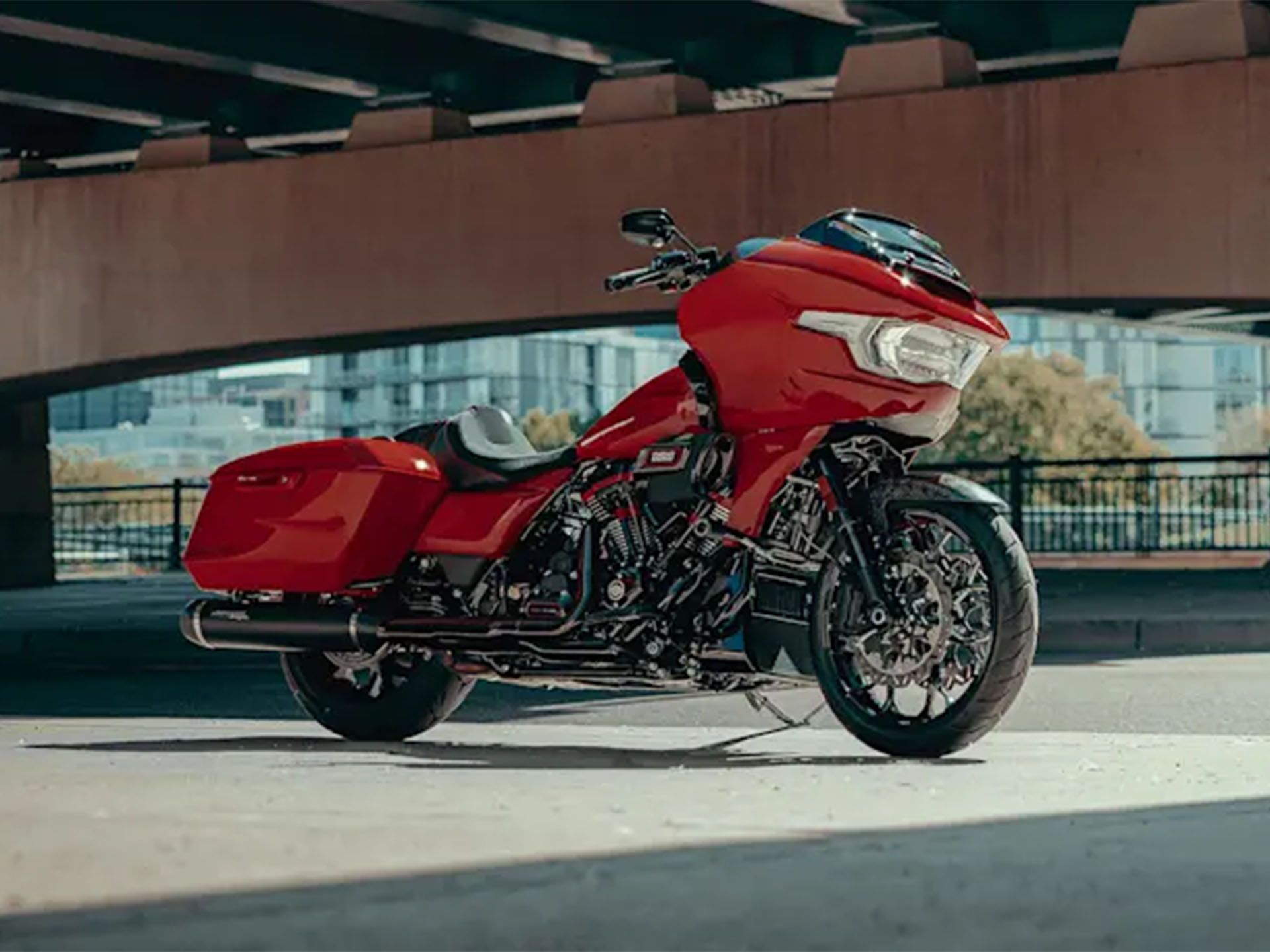
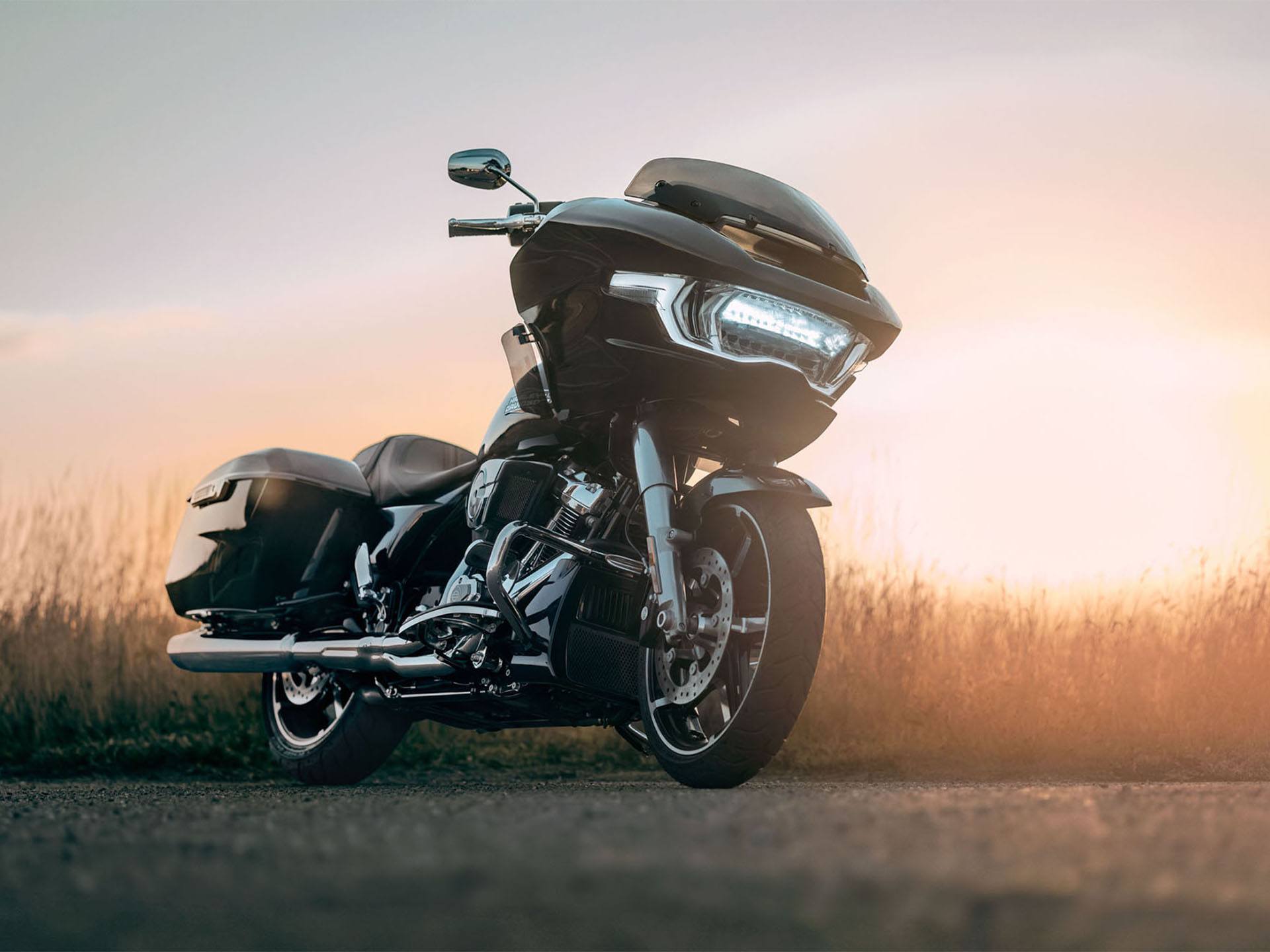
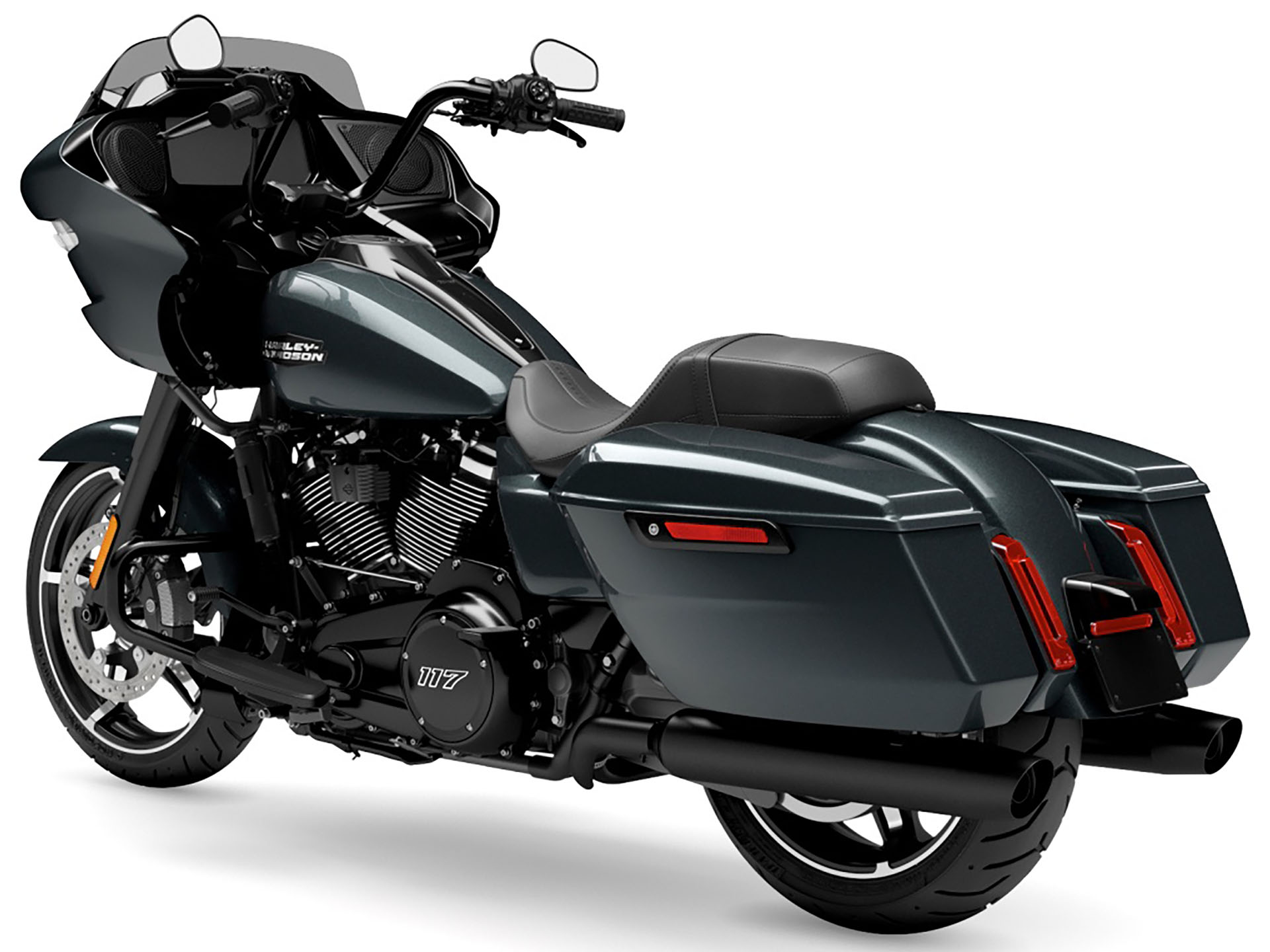
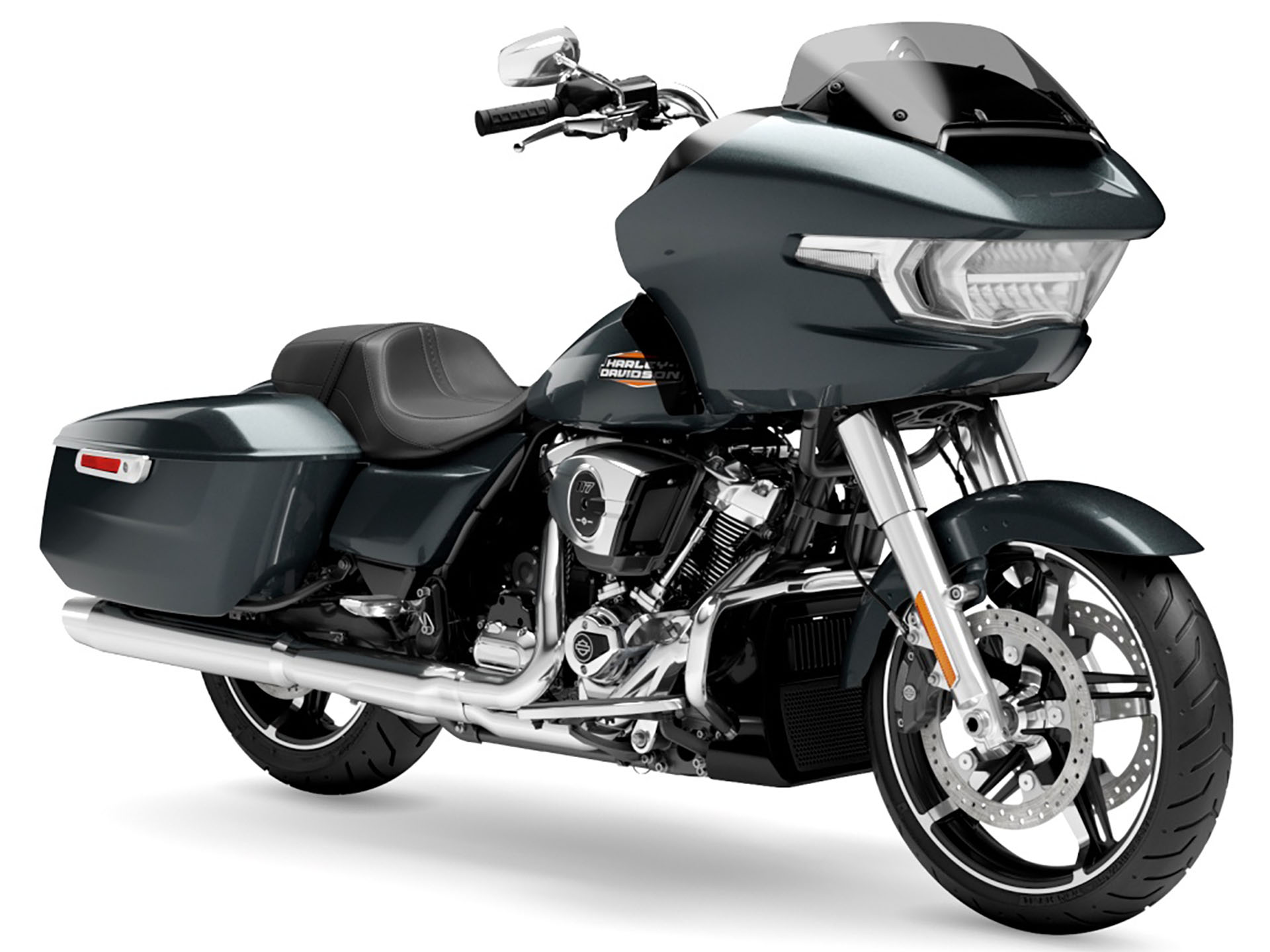
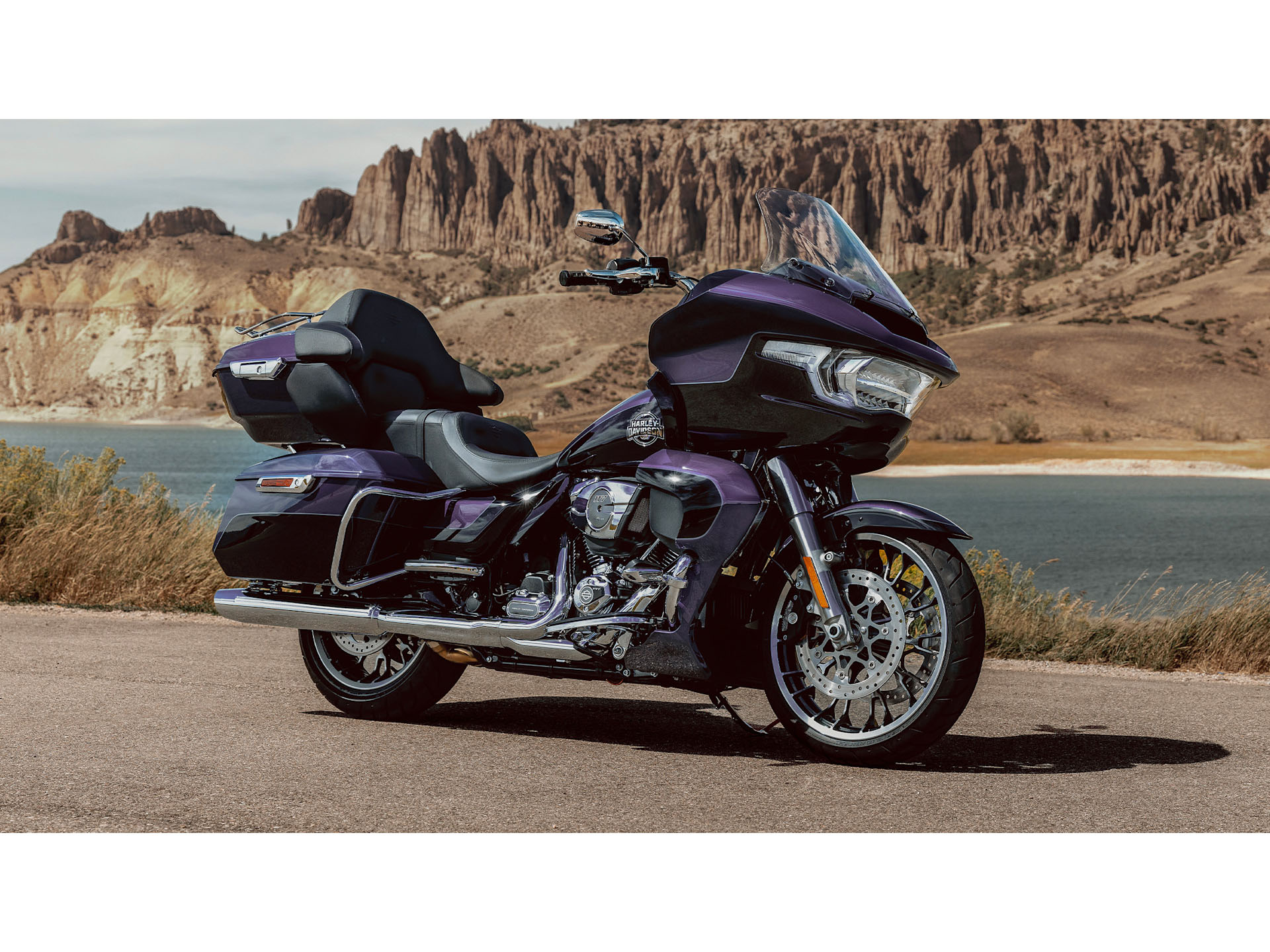
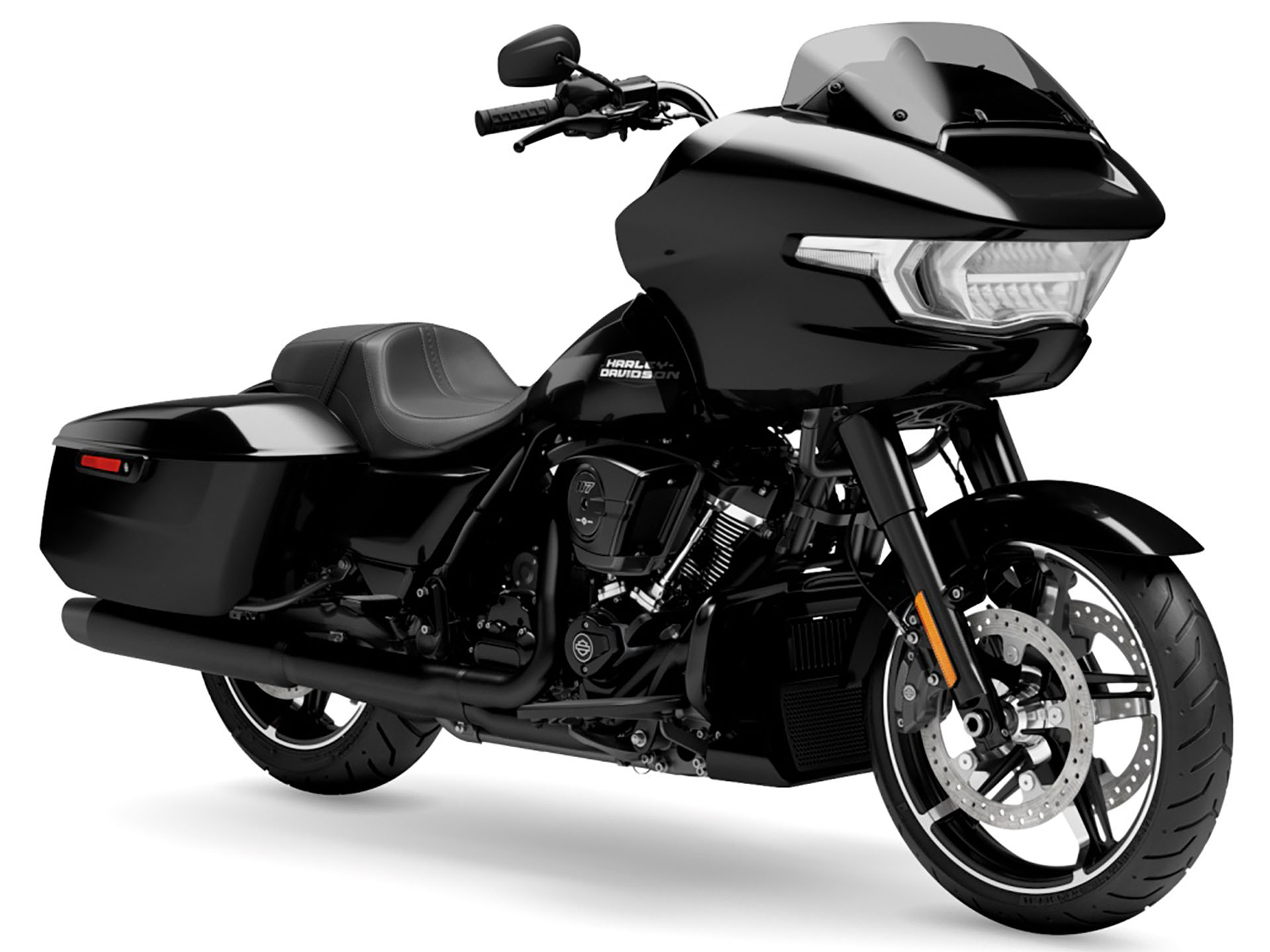
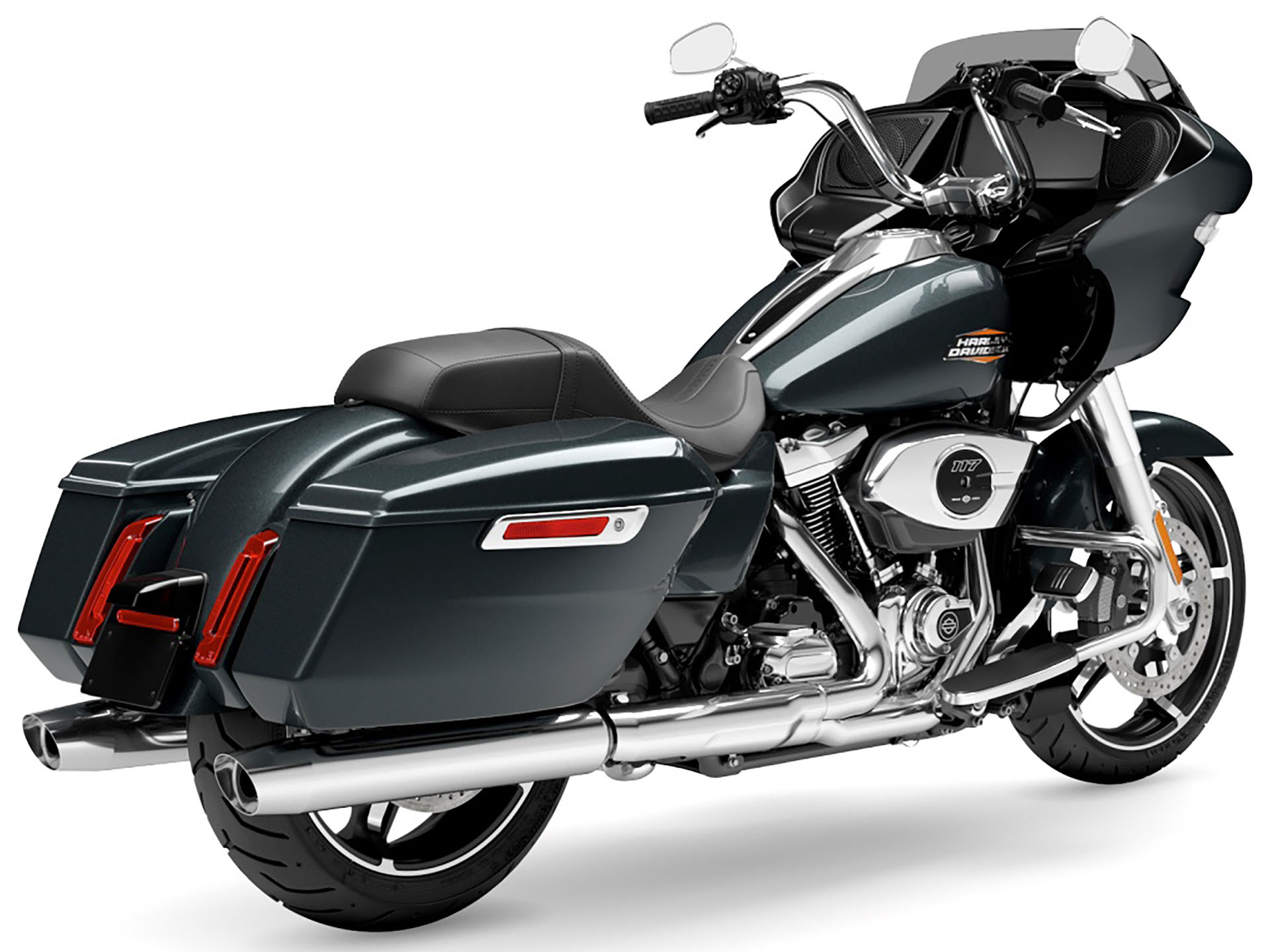
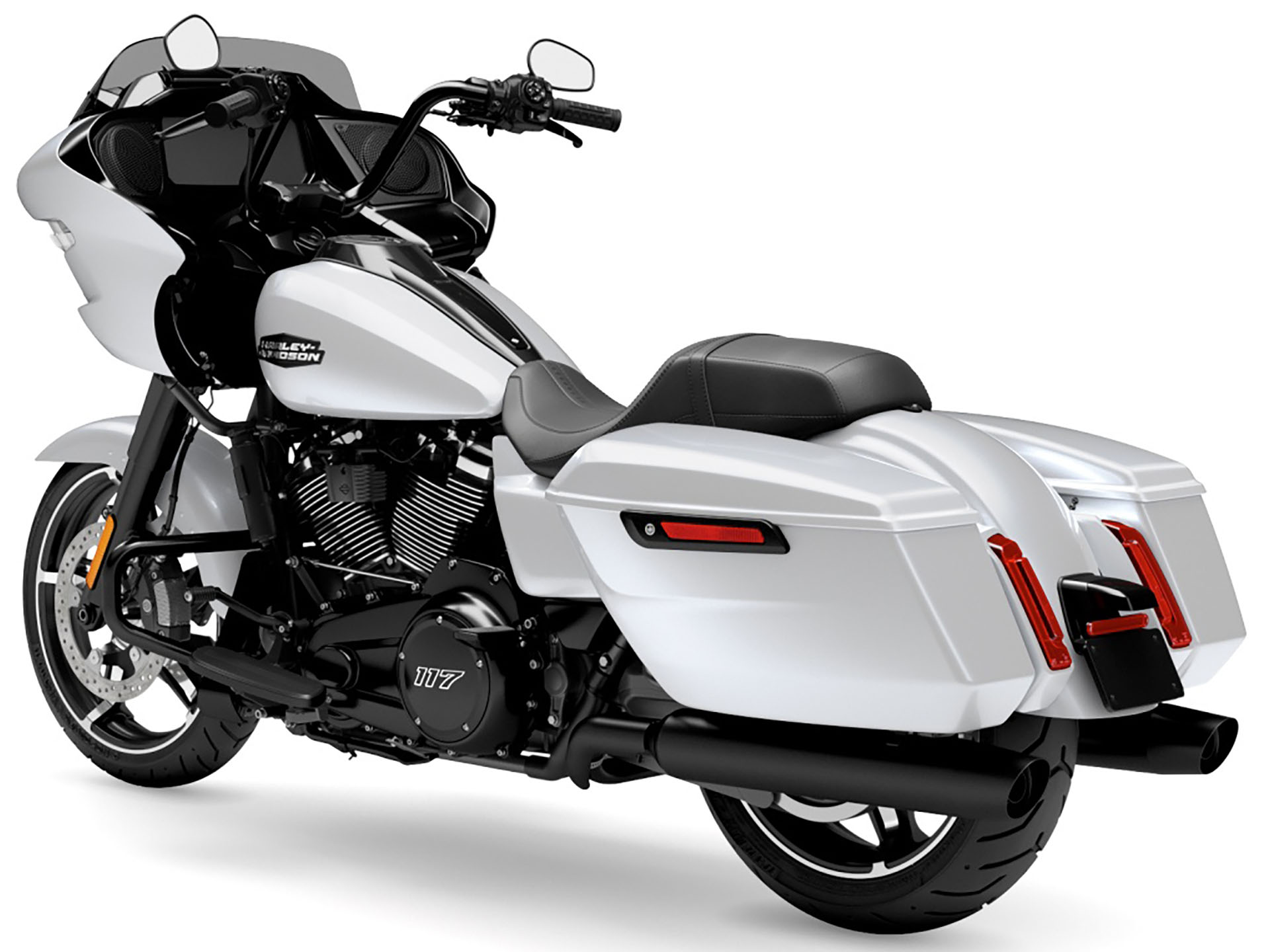
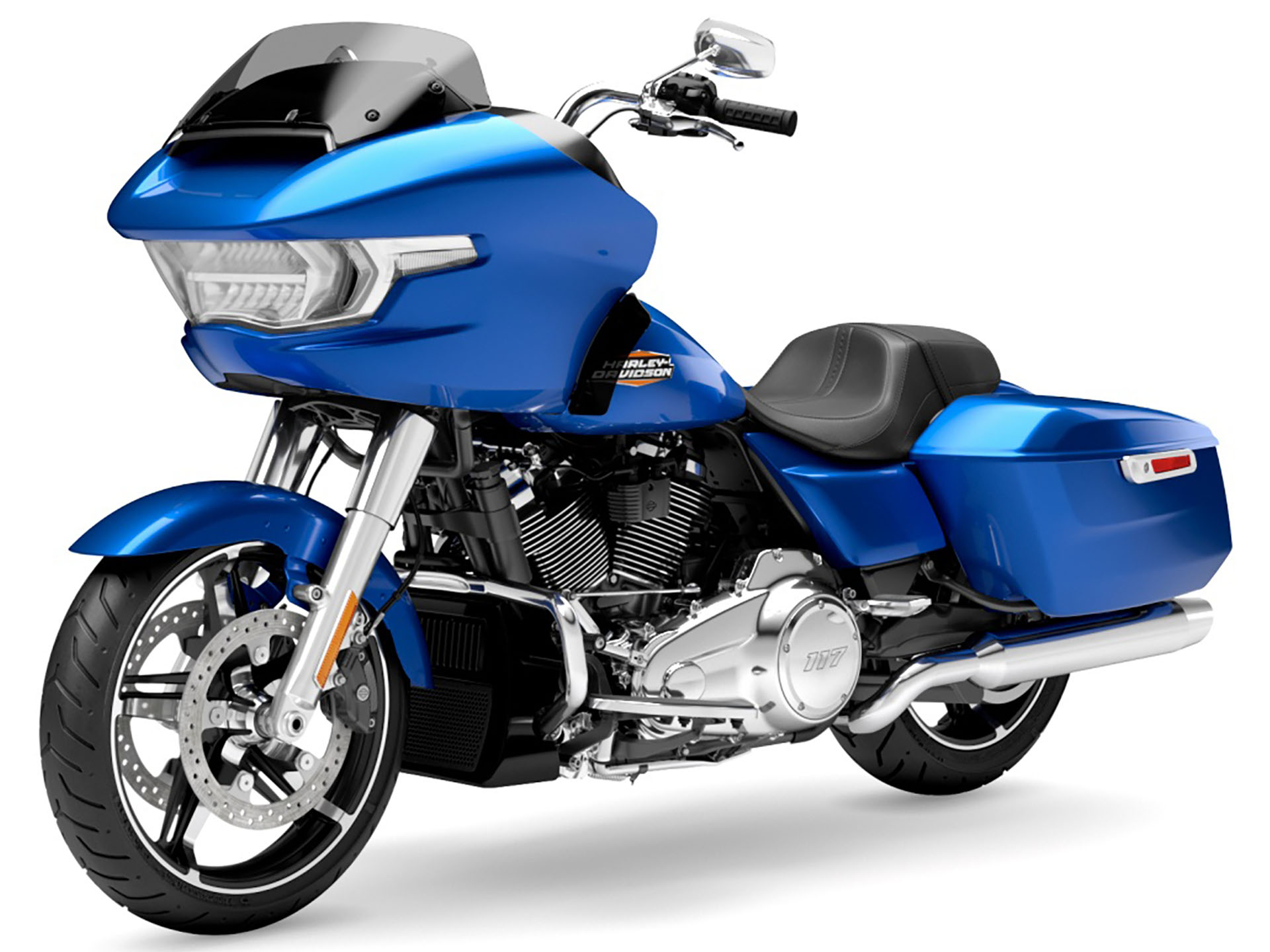
The Harley-Davidson Road Glide has long occupied a premier tier within the brand's Grand American Touring lineup. Distinguished by its frame-mounted shark-nose fairing—which separates steering weight from the aerodynamic drag of the fairing, gauges, and audio equipment—the motorcycle commands a premium over traditional fork-mounted batwing models like the Street Glide, though pricing lines have frequently run parallel depending on the model year.
When evaluating the market, buyers must differentiate between the base manufacturer sticker price and the final out-the-door cost. The MSRP serves merely as the baseline recommended by Harley-Davidson Motor Company before factoring in logistical realities. Over recent model cycles, Harley-Davidson has streamlined and aggressively overhauled its grand touring architecture, integrating advanced rider safety enhancements, high-resolution touchscreen infotainment systems powered by Skyline OS, and updated Milwaukee-Eight V-twin powerplants directly into the base pricing equation.
Breakdown of Road Glide Trim Levels and MSRP Tiers
Harley-Davidson structures its motorcycle families into distinct tiers, each carrying a unique MSRP bracket. Because specifications, displacements, and finish treatments vary dramatically across these trims, reviewing them side-by-side clarifies where your money goes.
| Trim Level / Model Variant | Primary Engine / Displacement | Key Feature Highlights | Estimated MSRP Starting Range |
|---|---|---|---|
| Road Glide (Standard) | Milwaukee-Eight 117 V-Twin | Frame-mounted shark-nose fairing, Skyline OS infotainment, dual-bending valve front forks | ~$25,999 - $26,999 |
| Road Glide Special / ST | Milwaukee-Eight 117 or 121 (depending on year) | Premium paint options, stretched bags, custom wheels, performance styling cues | ~$29,999 - $32,999 |
| Road Glide Limited | Milwaukee-Eight 117 Twin-Cooled | Tour-Pak luggage carrier, passenger backrest, lower fairings, long-haul comfort amenities | ~$32,499 - $34,499 |
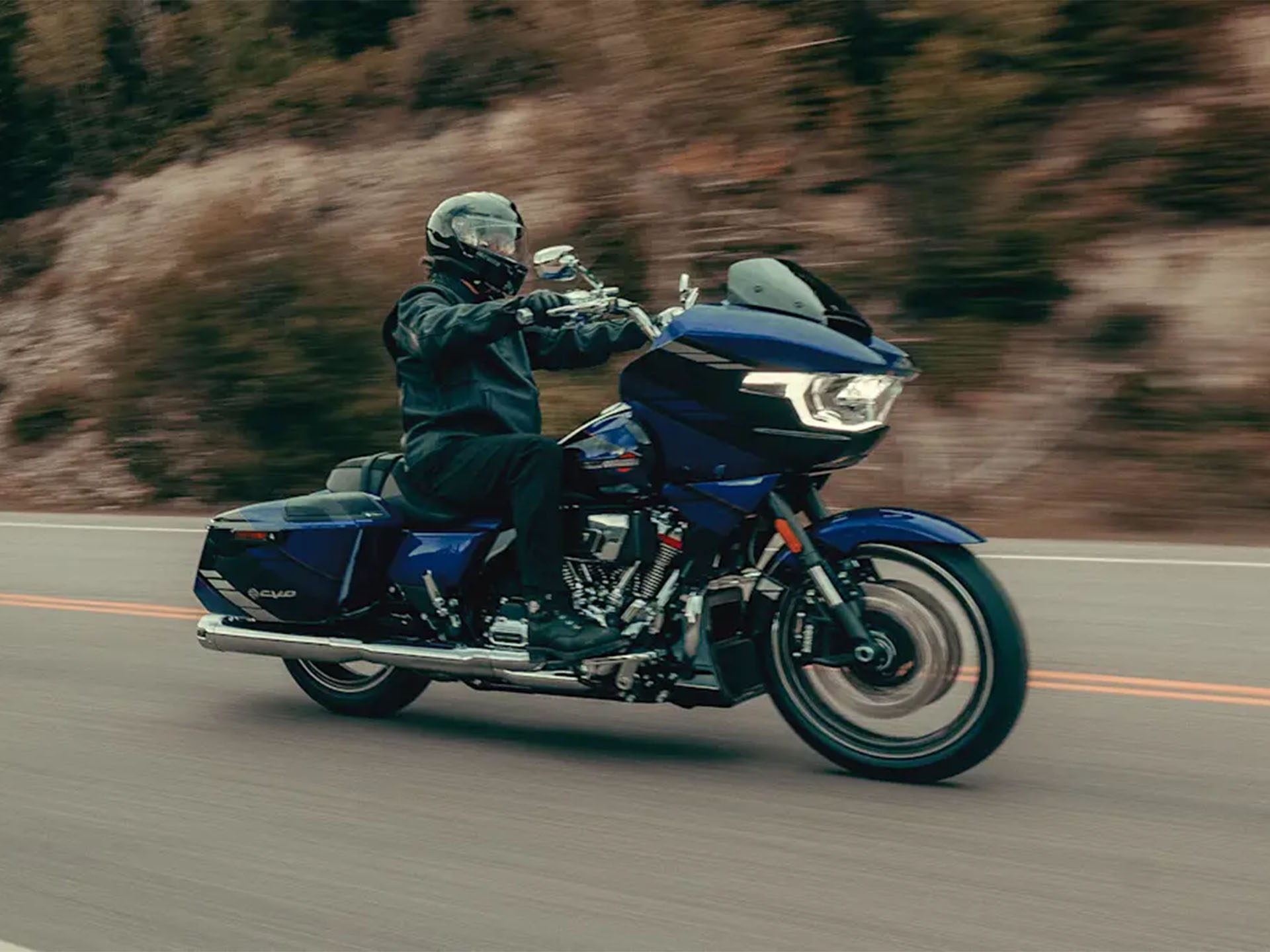
| CVO Road Glide / CVO ST | Milwaukee-Eight VVT 121 or High Output 121 | Hand-applied premium paint, exclusive custom wheels, upgraded Rockford Fosgate audio, premium metals | ~$44,999 - $49,999+ |
Note: MSRP ranges reflect base configurations and standard color choices. Selecting custom paint schemes, premium audio upgrades, or specialized accessories adds directly to this baseline figure.
Hidden Costs Beyond the Base MSRP
One of the most common points of confusion for first-time motorcycle buyers is the gap between the advertised MSRP and the final invoice. When budgeting for a Harley-Davidson Road Glide, several mandatory and discretionary costs must be factored into the equation before signing a purchase agreement.
Destination and Freight Surcharges
The MSRP published in marketing materials and on the official Harley-Davidson website almost never includes the freight charge required to ship the motorcycle from the manufacturing plant (primarily York, Pennsylvania) to the local dealership. These destination fees typically range from several hundred dollars upward to $1,000+, depending on geographic distance and shipping complexity.
Setup, Dealer Preparation, and Documentation Fees
Dealerships charge dealer preparation fees to cover the labor hours required to uncrate the motorcycle, install windshields or accessories, perform safety checks, flash control modules, and test-ride the unit prior to customer delivery. Additionally, documentation fees cover the administrative cost of processing state title, registration, and tax paperwork. These fees are set independently by individual dealerships and are not strictly regulated by the manufacturer.
Taxes, Title, and Licensing (TTL)
State and local sales taxes add a substantial percentage to the purchase price. Depending on the jurisdiction where the motorcycle is registered, TTL fees can easily add 5% to 10% or more to the total transaction value. Buyers must calculate these taxes against the total negotiated price of the bike, including any added accessories or labor.
Customization, Factory Options, and Color Surcharges
Harley-Davidson uses a structured pricing model where color choice alone can dramatically alter the final MSRP. Understanding these factory variables prevents unexpected financial surprises at the dealership counter.
- Standard Paints: The baseline MSRP assumes the motorcycle is painted in standard, mass-production solid colors, such as Vivid Black.
- Premium and Custom Paints: Selecting secondary color tiers, two-tone schemes, or limited-edition factory custom paint options introduces a surcharge that can add anywhere from $500 to $2,500+ to the base MSRP.
- Factory-Installed Options: Upgrading wheels, selecting electronic rider safety enhancements (such as cornering-abs, traction control, and drag-torque slip control systems if not standard on the specific sub-trim), or adding specialized seating configurations will adjust the final sticker price upward.
Financing, Insurance, and Cost of Ownership
Purchasing a high-end touring motorcycle involves long-term financial commitments beyond the initial MSRP transaction. Prospective owners should evaluate ongoing operational expenses to maintain financial health over the life of the machine.
Motorcycle Financing Rates
Most buyers utilize financing through Harley-Davidson Financial Services (HDFS) or third-party credit unions and banks. Interest rates fluctuate based on prevailing macroeconomic conditions, credit scores, down payment amounts, and loan terms (typically ranging from 36 to 72 months). A larger down payment reduces the total interest burden accrued over the life of the loan.
Insurance Premiums
Insurance costs for a heavyweight touring motorcycle like the Road Glide vary widely based on rider age, driving record, garaging location, coverage limits, and deductible choices. Because the Road Glide features a high replacement value and substantial engine displacement, obtaining insurance quotes prior to finalizing a purchase is strongly recommended to avoid budgetary strain.
Frequently Asked Questions About Harley-Davidson Road Glide Pricing
Does the published Road Glide MSRP include tax and dealer setup fees?
No. The MSRP is strictly the manufacturer's suggested retail price for the motorcycle itself. It excludes destination charges, dealer preparation fees, setup costs, sales tax, title, registration, and any localized documentation fees.
Why do some Road Glide models cost significantly more than others?
Road Glide pricing scales according to the trim level and intended application. Standard models focus on core touring essentials, while Special, Limited, and CVO (Custom Vehicle Operations) models incorporate high-output engines, premium audio systems, integrated Tour-Pak luggage, custom paint, and exclusive electronic packages that drive up manufacturing costs.
Can you negotiate below the MSRP at a Harley-Davidson dealership?
Negotiation flexibility depends heavily on current market demand, inventory levels, and the specific model year. While popular new releases or limited CVO editions may command full MSRP or occasional dealer markups during peak riding season, standard models or holdover inventory from previous years often present opportunities for price negotiations or dealer-added accessories bundled into the sale.
Are Harley-Davidson accessories included in the base MSRP?
No. Any aftermarket or Genuine MotorParts & Accessories—such as upgraded exhaust systems, highway pegs, custom handlebars, or rider backrests—added to the motorcycle before delivery are billed separately as parts and labor.
How often does Harley-Davidson update the Road Glide MSRP?
Harley-Davidson typically introduces new model-year lineups annually, accompanied by updated MSRP schedules. Prices generally increase incrementally year-over-year to account for inflation, component costs, and new technological integrations.
Final Recommendation for Prospective Buyers
When preparing to purchase a Harley-Davidson Road Glide, always request an itemized "Out-the-Door" (OTD) price quote from the dealership in writing before agreeing to terms. Ensure that the quote explicitly separates the base MSRP, destination charges, dealer setup fees, and government taxes. By auditing each line item, you can accurately compare offers across competing dealerships and secure a fair price on your grand American touring machine.
Image Gallery