How to Steam Rice in a Rice Cooker: A Comprehensive Guide
Steaming rice in a rice cooker is a simple, highly efficient culinary technique that uses steam circulation to cook grains evenly without heavy boiling. By using a steamer basket over simmering water or rice, you can achieve fluffy, pe...
Steaming rice in a rice cooker is a simple, highly efficient culinary technique that uses steam circulation to cook grains evenly without heavy boiling. By using a steamer basket over simmering water or rice, you can achieve fluffy, perfectly separated grains while retaining maximum natural nutrients and authentic texture.
Contents
Understanding the Rice Cooker Steaming Mechanism
Modern rice cookers are precision kitchen appliances engineered to manage heat and moisture. While their primary function is boiling water to submerge and hydrate starches, many models feature an integrated steaming mode or a dedicated steamer basket. Understanding how this mechanism operates allows you to transition seamlessly from basic boiling to advanced steaming techniques.
The Physics of Steaming Inside a Cooker
When you activate a rice cooker, its heating element transfers thermal energy to the inner cooking pot. Water at the base reaches its boiling point, transforming into steam. Because steam is less dense than liquid water, it rises and fills the upper chamber of the appliance.
If a steamer basket is placed inside, the circulating steam surrounds the food item, transferring latent heat uniformly. This indirect heat transfer prevents the delicate outer layers of food from breaking down or becoming waterlogged. Unlike traditional boiling, where starches leach into a large volume of water, steaming preserves the structural integrity of the grains.
Standard vs. Fuzzy Logic Cookers
The type of rice cooker you own directly influences your steaming results:
- Standard Mechanical Cookers: These appliances rely on a simple bimetallic strip or thermal sensor at the base of the pot. Once the water completely evaporates, the temperature rises past the boiling point, triggering a switch to the "Keep Warm" mode. When steaming, you must carefully monitor water levels to ensure the heating element does not run dry before your food is fully cooked.
- Fuzzy Logic and Micro-Computerized Cookers: These advanced units utilize microchips to monitor and adjust internal temperatures dynamically. They can regulate steam intensity, accommodate varying quantities of water, and adjust timing based on internal sensor feedback. This precision prevents overcooking and ensures consistent texture across different grain varieties.
Essential Equipment and Preparation Prerequisites
Achieving optimal results when steaming rice requires more than simply flipping a switch. Proper preparation safeguards your appliance, protects your ingredients, and ensures food safety.
Choosing the Right Steamer Basket
Rice cookers typically come with a matching plastic or stainless steel steamer basket that fits snugly over the rim of the inner pot. If your appliance did not include one, or if you prefer an alternative material, consider the following options:
- Perforated Plastic Baskets: Lightweight and inexpensive, these are standard with most consumer models. Ensure the plastic is food-safe and BPA-free to withstand high heat without warping.
- Stainless Steel Inserts: Highly durable and non-reactive, stainless steel baskets conduct heat efficiently and last indefinitely. Ensure the diameter matches your inner pot to prevent steam from escaping around the edges.
- Silicone Collapsible Baskets: Flexible and easy to store, silicone inserts are gentle on non-stick inner coatings, eliminating the risk of scratching the delicate surface of your cooker pot.
Rice Varieties and Rinsing Protocols
Not all rice reacts the same way to steam. Long-grain varieties like Basmati and Jasmine maintain distinct separation, whereas short-grain sushi rice or glutinous rice tend to clump together due to higher starch content.
- Measuring: Measure your desired quantity using the standard measuring cup provided with your rice cooker (typically a 180ml "go" cup, rather than a standard US cup).
- Rinsing: Place the grains in a fine-mesh strainer and rinse thoroughly under cold running water. Agitate the grains gently with your fingers until the water runs clear. This removes excess surface starch that causes gummy textures and unwanted foaming during the steaming cycle.
Step-by-Step Guide: How to Steam Rice in a Rice Cooker
Depending on your appliance features and culinary goals, you can steam rice using either the direct-pot immersion-steam method or the elevated basket-steam method. The following procedure outlines the standard basket-steaming technique for optimal texture.
RICE COOKER STEAMING WORKFLOW
- Preparation: Rinse rice thoroughly to remove starch.
- Water Level: Add exact water volume to the inner pot.
- Positioning: Insert steamer basket securely on top.
- Execution: Select appropriate cook/steam cycle.
- Rest Period: Allow 10 minutes of covered resting time.
Step 1: Measure and Prepare the Grains
Measure out your rice and rinse it under cold water until the water runs clear. If you are cooking pre-soaked rice, drain it thoroughly in a colander for at least 15 minutes to remove residual surface moisture that could alter the final liquid ratio.
Step 2: Add Water to the Inner Pot
Pour water into the main cooking pot. As a general rule for steaming raw rice in a basket, use approximately 1.5 to 2 cups of water for every 1 cup of dry rice. Ensure the water level remains at least half an inch below the bottom of the steamer basket so the boiling water does not directly submerge the grains from below.
Step 3: Load the Steamer Basket
Line your steamer basket with a sheet of perforated parchment paper or a clean, damp cheesecloth if the perforation holes are large enough for individual grains to fall through. Spread the rinsed rice evenly across the basket in a shallow, uniform layer. Avoid piling the rice too high in the center, as steam requires clear pathways to circulate and cook every layer evenly.
Step 4: Initiate the Cooking Cycle
Secure the lid of the rice cooker tightly to trap rising steam. Plug in the unit and select the appropriate setting. If your cooker has a dedicated "Steam" function, set the timer according to grain type (typically 20 to 30 minutes). If your unit operates on a single switch, simply press it down to initiate the boiling cycle; the machine will automatically shift to "Keep Warm" once the reservoir water evaporates.
Step 5: Rest and Fluff
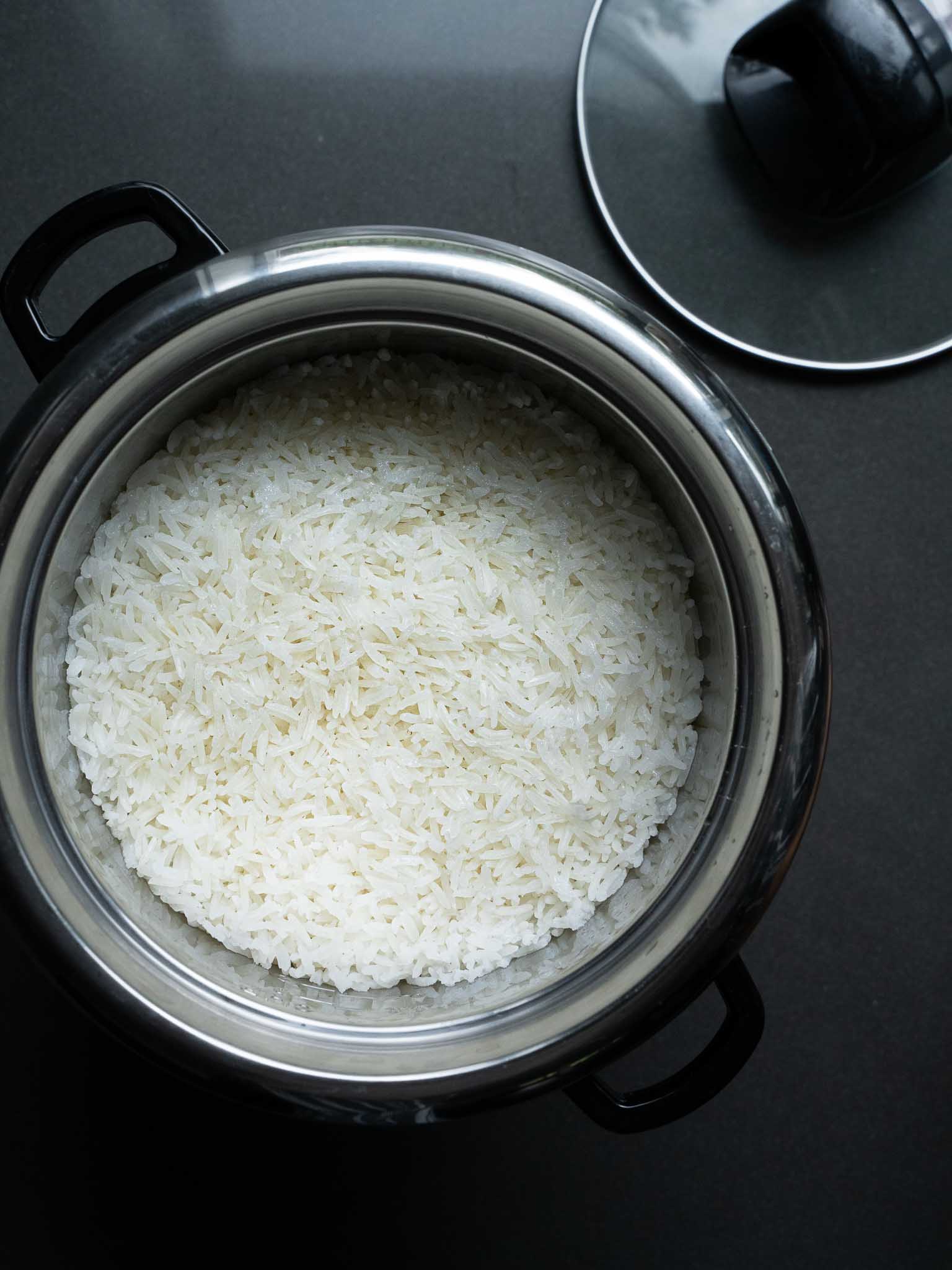
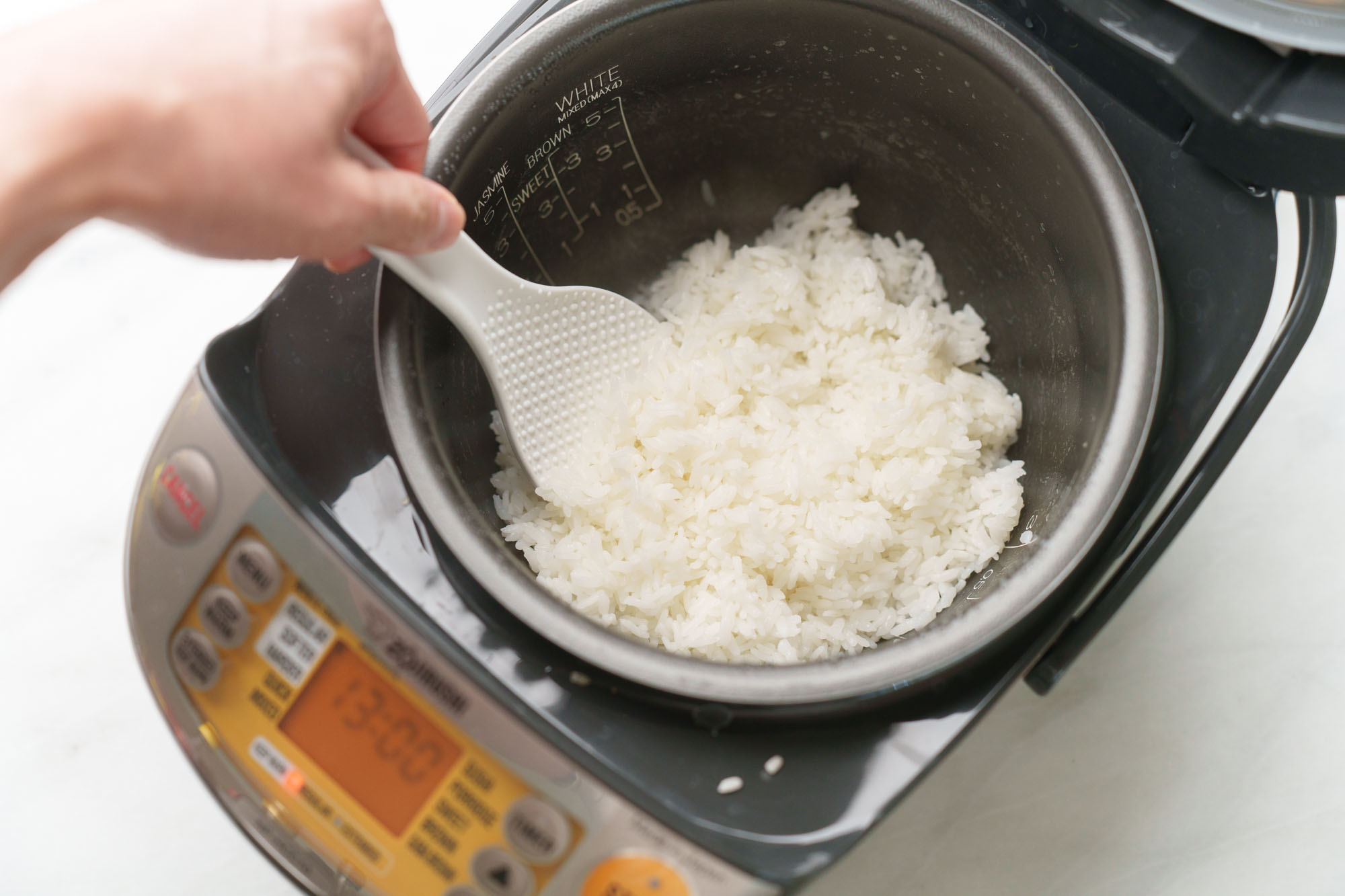
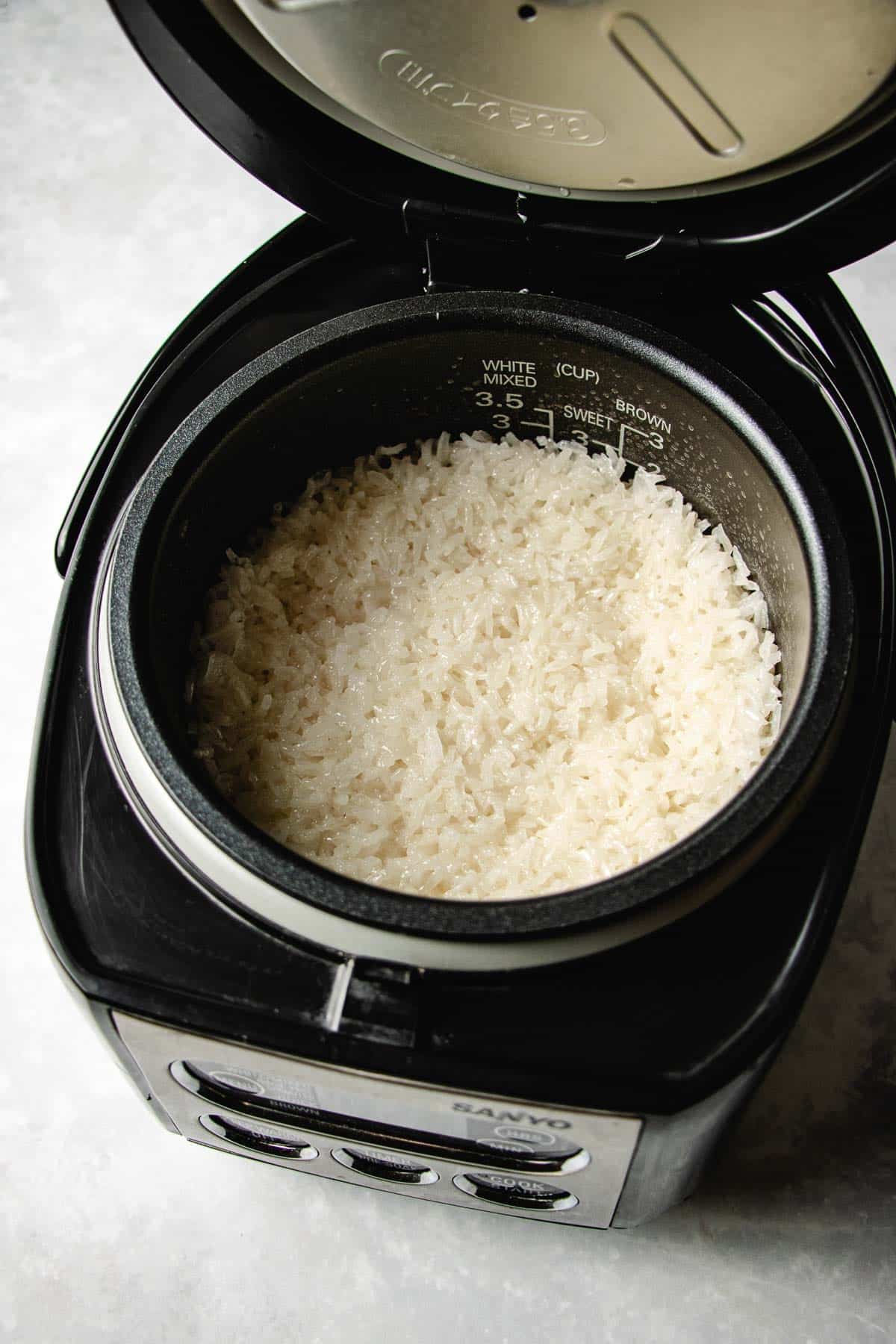
Once the cycle completes, resist the temptation to open the lid immediately. Allow the rice to rest undisturbed in the closed cooker for 10 to 15 minutes. This resting phase allows residual moisture to distribute evenly through the grains via internal condensation, resulting in a fluffier texture. Open the lid, fluff the rice gently with a wooden paddle or rice spatula, and serve immediately.
Comparative Overview of Rice Preparation Methods
To understand why steaming is an advantageous choice, it helps to compare it directly against traditional boiling and absorption methods.
| Preparation Method | Water-to-Rice Ratio | Texture Outcome | Nutrient Retention | Best Suited For |
|---|---|---|---|---|
| Direct Steaming | Variable (reservoir) | Firm, distinct, fluffy | High (minimized leaching) | Basmati, Jasmine, parboiled grains |
| Absorption Method | Fixed (1:1.5 to 1:2) | Soft, sticky, cohesive | Moderate | White rice, brown rice, short-grain |
| Stove Boiling (Pasta-style) | Excess (abundant water) | Very soft, separated | Low (nutrients lost in drainage) | Hardier grains, quick meal prep |
Troubleshooting Common Issues
Even with precise measurements, minor operational hiccups can occur when steaming grains. Recognizing these symptoms allows you to adjust your technique for future batches.
Undercooked or Crunchy Grains
If your rice emerges with a hard, chalky center, insufficient steam duration or inadequate water volume is usually the cause.
- The Fix: Sprinkle two to three tablespoons of warm water over the surface of the rice, secure the lid, and run a manual steam cycle for an additional 5 to 10 minutes. For future batches, verify that your water reservoir is filled correctly before starting.
Mushy or Watery Texture
When steam condenses excessively on the lid and drips back down onto the grains, the rice can become waterlogged and pasty.
- The Fix: Fluff the rice immediately upon completion and leave the lid propped open slightly to let excess steam escape. Ensure you are not overfilling the steamer basket beyond the manufacturer's recommended capacity.
Uneven Cooking Across the Basket
If some areas of the rice are cooked while adjacent portions remain firm, airflow is being blocked inside the cooking chamber.
- The Fix: Avoid compacting the rice into a dense block. Spread the grains loosely across the basket. Ensure that the lid closes completely and that no external kitchen towels are obstructing the steam vent.
Frequently Asked Questions
Can I cook raw rice directly in the steamer basket without water in the pot?
No. Steaming requires a continuous source of vaporized water to cook the food. If you place dry rice in the steamer basket without water in the main cooking pot, the cooker will overheat, trigger thermal safety shutoffs, and leave the rice completely uncooked.
How long does it take to steam white rice in a rice cooker?
Standard white rice typically takes between 20 and 30 minutes to steam thoroughly once the water reaches a boil. The exact duration depends on the power rating of your appliance, the volume of rice, and the initial temperature of the water.
Do I need to add oil or salt to the water when steaming?
Adding salt or oil to the water reservoir is unnecessary because steam does not carry dissolved minerals or lipids upward into the basket. If you wish to season the rice, mix salt, herbs, or broth directly into the grains inside the steamer basket prior to cooking.
Can I steam vegetables at the same time as my rice?
Yes. Many rice cookers are designed for dual-layer cooking. You can place quick-cooking vegetables like broccoli florets, sliced carrots, or snap peas into the steamer basket alongside or on top of the rice during the final 10 minutes of the cooking cycle to prevent overcooking the produce.
Why is my rice turning yellow or sticking to the basket?
Yellowing typically occurs when rice touches the heating element or when minerals in hard water scorch during prolonged heating. Sticking happens when excess surface starch gelatinizes on the basket surface. To prevent this, always rinse your grains thoroughly and line the basket with a perforated sheet of parchment paper.
Conclusion and Next Actions
Mastering the art of steaming rice in a rice cooker transforms a routine kitchen chore into a reliable culinary technique. By ensuring proper water levels, selecting the correct grain preparation protocols, and allowing adequate resting time, you can achieve restaurant-quality results consistently. For your next cooking session, experiment with rinsing your preferred long-grain variety, utilizing a steamer basket, and allowing the proper resting phase to evaluate the textural improvements firsthand.
Image Gallery