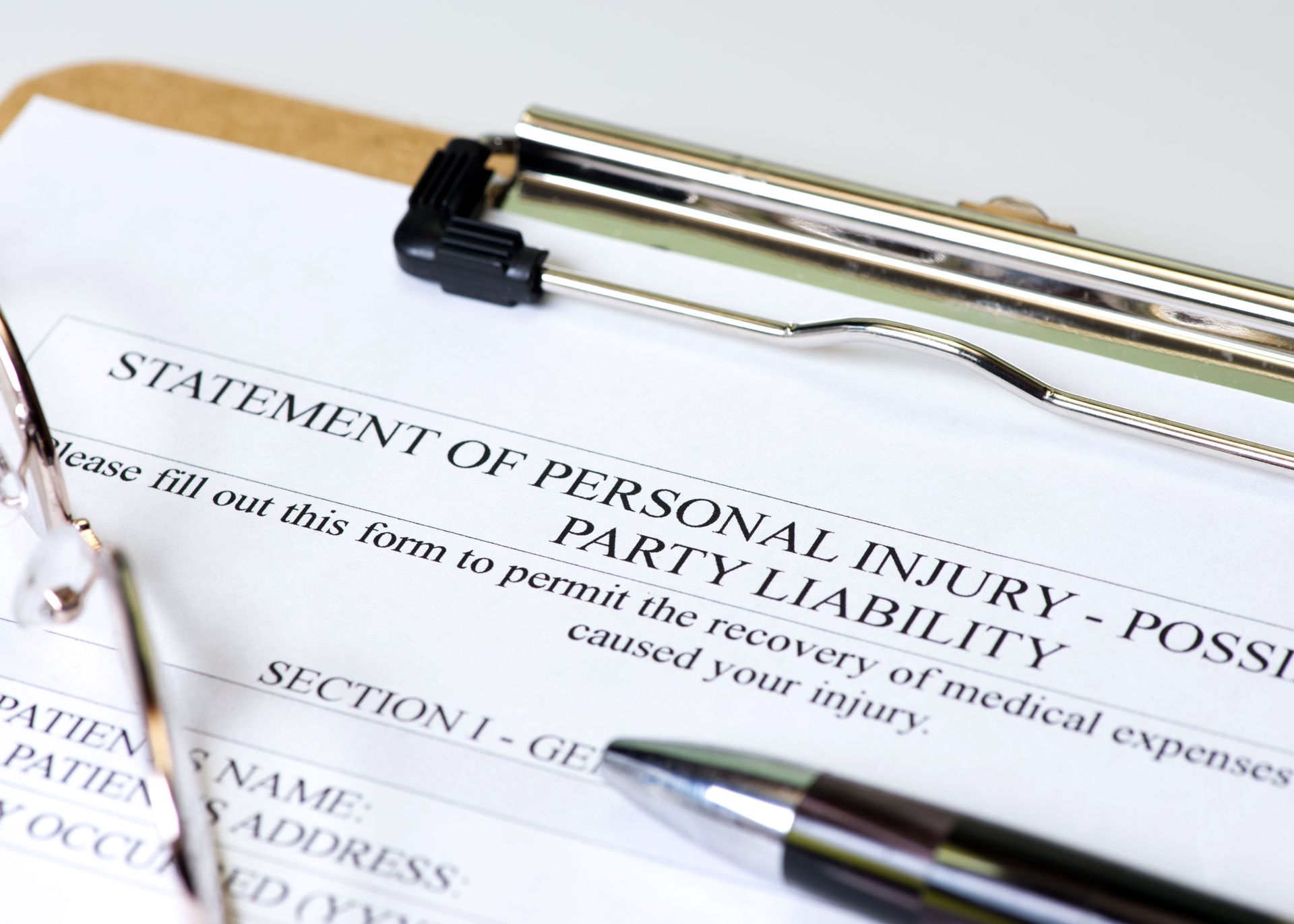
Navigating Personal Injury Claims in Waldorf, Maryland: Legal Rights and Process
A Waldorf personal injury attorney represents individuals who have suffered physical, emotional, or financial harm due to another party’s negligence. Operating within Charles County, these legal professionals manage evidence collection...
A Waldorf personal injury attorney represents individuals who have suffered physical, emotional, or financial harm due to another party’s negligence. Operating within Charles County, these legal professionals manage evidence collection, insurance communications, and litigation to help victims navigate Maryland’s strict liability standards, secure coverage for medical bills and lost wages, and seek full financial recovery.
Contents
Understanding Personal Injury Law in Waldorf, MD
Personal injury law in Waldorf covers civil claims arising from accidents caused by failure to exercise reasonable care. Positioned along major Southern Maryland transit corridors—such as U.S. Route 301 (Crain Highway), Maryland Route 228 (Berry Road), and Maryland Route 5—Waldorf sees significant traffic volume, resulting in complex motor vehicle collision claims alongside premise liability and workplace injury disputes.
When an individual suffers harm in Waldorf or anywhere across Charles County, civil remedies are governed by Maryland state law. Personal injury claims are designed to restore the injured party to the financial position they would have occupied had the injury not occurred. Achieving this requires proving four legal elements:
- Duty of Care: The defendant owed a legal obligation to act with reasonable prudence toward the plaintiff (e.g., a driver adhering to traffic signals or a property owner maintaining safe walkways).
- Breach of Duty: The defendant failed to fulfill that legal obligation through action or omission.
- Causation: The defendant’s breach directly caused the incident and subsequent injuries (comprising both cause-in-fact and proximate cause).
- Damages: The plaintiff suffered verifiable economic or non-economic losses as a direct result.
Personal injury cases originating in Waldorf are generally heard in the Maryland District Court for Charles County for claims valued up to $30,000, or the Charles County Circuit Court located in La Plata for higher-value disputes and jury trials.
Critical Maryland Legal Rules Impacting Your Injury Case
Maryland’s legal framework contains distinct rules that set it apart from neighboring jurisdictions like Washington, D.C., or Virginia. Understanding these statutory provisions is vital for preserving your right to compensation.
The Pure Contributory Negligence Rule
Maryland is one of only a few jurisdictions in the United States that retains the doctrine of pure contributory negligence. Under this standard, if an injured party is found to have contributed even 1% to the cause of the accident, they are completely barred from recovering any financial compensation from the defendant.
Because insurance adjusters routinely attempt to assign partial fault to claimants to avoid payout liability, retaining legal counsel familiar with rebutting contributory negligence claims is critical. Attorneys utilize crash data, witness accounts, and accident reconstruction experts to establish clear, sole liability on the at-fault party.
Statute of Limitations and Notice Deadlines
Under Maryland Code, Courts and Judicial Proceedings § 5-101, the general statute of limitations for personal injury lawsuits is three years from the date the injury occurred. If a claim is not filed in a court of competent jurisdiction within this three-year window, the victim forfeits the right to pursue recovery.
Specific exceptions and shorter notice periods apply in distinct scenarios:
- Government Entity Claims: Under the Maryland Local Government Tort Claims Act (LGTCA) and the Maryland Tort Claims Act (MTCA), claims involving municipal, county, or state vehicles/property require formal written notice to the government entity within one year of the incident (Md. Code, Cts. & Jud. Proc. § 5-304).
- Claims Involving Minors: If the injured person was a minor at the time of the accident, the three-year clock typically begins on their 18th birthday.
Caps on Non-Economic Damages
Maryland imposes statutory limits on non-economic damages, which cover subjective, non-monetary losses such as physical pain, emotional distress, and loss of consortium. These caps increase slightly each year on October 1 based on statutory schedules (Md. Code, Cts. & Jud. Proc. § 11-108). Economic damages—such as direct medical expenditures, ongoing rehabilitation costs, property repair, and verified lost income—are not subject to a cap and may be recovered in full provided they are substantiated by evidence.
Personal Injury Protection (PIP) Benefits
Maryland motor vehicle insurance policies are required by default to include a minimum of $2,500 in Personal Injury Protection (PIP) coverage, unless explicitly waived in writing by the policyholder. PIP provides no-fault coverage for medical costs and 85% of lost income resulting from an auto accident. Because PIP is no-fault, receiving PIP payments does not violate Maryland's contributory negligence rule and does not prevent you from pursuing a third-party fault claim against the responsible driver.
Steps to Take Immediately Following an Injury in Waldorf
The actions taken immediately following an accident strongly influence the legal outcome of a claim. Victims should take structured steps to protect their physical health and preserve essential evidence.
Post-Accident Action Steps:
Contact Law Enforcement
- Obtain official police or incident report
Seek Medical Attention
- Document all injuries and follow treatment plans
Gather Evidence
- Photos, videos, witness names, contact details
Notify Insurance
- Provide factual statements; avoid admitting fault
Consult Legal Counsel
- Evaluate claim strength and preserve rights
Notify Authorities: Call 911 immediately after a motor vehicle accident or safety incident. Ensure the Charles County Sheriff's Office or Maryland State Police file an official report.
Obtain Immediate Medical Treatment: Visit urgent care or an emergency room, such as University of Maryland Charles Regional Medical Center. Immediate medical evaluation establishes a clear temporal link between the incident and your physical injuries.
Document the Scene: Take high-resolution photographs and videos of vehicle damage, road conditions, skid marks, property hazards, and visible physical injuries. Record contact details for all witnesses.
Avoid Recorded Statements Without Legal Representation: Insurance adjusters frequently seek recorded statements shortly after an incident. Avoid discussing fault, speculating on speed or cause, or giving recorded statements prior to consulting an attorney.
Track Financial and Physical Impacts: Keep a dedicated log of all out-of-pocket expenses, prescription receipts, missed workdays, and medical visits.
Comparing Injury Claim Types and Requirements
Personal injury matters in Southern Maryland encompass various case categories. The following table highlights key elements, governing rules, and potential compensation across common claim types.
| Claim Type | Common Settings / Causes | Core Evidentiary Requirements | Primary Recoverable Damages |
|---|---|---|---|
| Motor Vehicle Collisions | Intersections along US-301, rear-end collisions, distracted driving | Police reports, dashcam/traffic footage, vehicle telematics, witness statements | Vehicle repair, medical bills, lost wages, pain and suffering |
| Premises Liability | Slip and falls at retail centers, inadequate lighting, wet flooring | Property maintenance logs, store surveillance, incident reports, photos of hazard | Emergency treatment costs, physical therapy, wage loss, general damages |
| Trucking Accidents | Heavy commercial traffic on MD-228 & US-301, driver fatigue, overweight loads | Electronic Logging Device (ELD) data, driver qualification files, black box records | High-value medical claims, long-term disability, economic loss |
| Pedestrian Accidents | Crosswalks, parking lots, residential roadways | Traffic camera footage, accident reconstruction models, medical evaluations | Traumatic injury coverage, specialized care, long-term rehabilitation |
| Wrongful Death | Fatal collisions, severe workplace safety failures | Death certificates, autopsy reports, economic loss expert evaluations | Funeral expenses, loss of financial support, emotional distress for survivors |
How an Attorney Builds and Resolves Your Claim
Securing full compensation in a personal injury matter requires a thorough, structured legal strategy. An experienced attorney works through distinct phases to move a claim from initial investigation to resolution.
1. Independent Investigation and Evidence Preservation
Legal counsel acts swiftly to secure perishable evidence. This includes issuing spoliation letters to preserve commercial truck dashcam footage, store video recordings, or electronic logging data before records are routinely overwritten. Counsel also interviews key witnesses, orders official collision reports, and surveys the scene.
2. Comprehensive Loss Calculation
Accurately measuring the true lifetime cost of an injury requires more than aggregating current bills. Personal injury attorneys work alongside financial analysts and medical planners to calculate:
- Past and Future Medical Expenses: Surgeries, physical therapy, home modifications, and assistive technology.
- Lost Earning Capacity: Current wage losses plus future diminished earning capability caused by permanent disability.
- Non-Economic Loss: Documentation of physical pain, mental suffering, loss of enjoyment of life, and disruption to daily routines.
3. Settlement Negotiation and Insurance Dialogue
Insurance companies use standardized software models designed to minimize payout amounts. An attorney presents a formal demand package backed by medical records, financial proof, and clear liability analysis. Counsel counters low-ball offers and shields the client from aggressive insurer tactics.
4. Litigation and Trial Practice
If the insurance carrier refuses to offer a fair settlement, the attorney files a formal complaint in either the Charles County District Court or Circuit Court. The case moves into formal discovery, depositions, pre-trial motions, and potentially a trial before a judge or jury.
Key Factors When Selecting Legal Counsel in Charles County
Choosing the right legal representative directly influences how effectively your case is handled. When evaluating prospective Waldorf injury attorneys, consider these key criteria:
- Local Court Familiarity: Experience practicing within the Charles County Circuit Court system ensures familiarity with local court procedures, filing guidelines, and judicial expectations.
- Contingency Fee Structure: Most personal injury firms operate on a contingency fee agreement. Under this arrangement, attorney fees are deducted as a pre-agreed percentage of the final recovery; if no money is recovered, the client owes no attorney fees. Be sure to review how case expenses (such as expert witness fees and court filing costs) are managed.
- Trial Experience: While many personal injury claims settle out of court, insurers assess whether an attorney is prepared to go to trial. Counsel with a strong litigation record holds greater leverage during settlement talks.
- Direct Communication: Ensure the firm provides direct updates on case progress, legal strategy, and settlement offers, rather than delegating all client communication to support staff.
Frequently Asked Questions
How long do I have to file a personal injury lawsuit in Waldorf, MD?
In Maryland, the standard statute of limitations for personal injury lawsuits is three years from the date of the incident under Md. Code, Cts. & Jud. Proc. § 5-101. However, claims against municipal or state government agencies require formal written notice within one year. Failing to file or issue notice within these statutory deadlines typically permanently bars financial recovery.
What happens if the insurance company claims I was partially at fault?
Because Maryland enforces pure contributory negligence, an insurer can deny your claim entirely if they demonstrate you were even 1% at fault. An attorney counters these arguments by gathering objective evidence—such as traffic camera video, eyewitness testimonies, and expert reconstruction analysis—to establish that the defendant bore sole responsibility for the accident.
How much does it cost to hire a Waldorf personal injury lawyer?
Most personal injury attorneys represent clients on a contingency fee basis. Clients pay no upfront retainers or hourly rates. The attorney's legal fee is a set percentage (typically between 33% and 40%) of the total financial recovery obtained via settlement or court judgment.
Can I claim compensation if I was an injured passenger in a car crash?
Yes. Passengers injured in motor vehicle collisions generally have strong legal claims because they rarely contribute to the cause of an accident. Passengers may file claims against the insurance policy of the driver of the vehicle they were riding in, the driver of another involved vehicle, or both, depending on which parties caused the crash.
What is the difference between Charles County District Court and Circuit Court for injury cases?
The Maryland District Court for Charles County handles personal injury lawsuits where the total damages sought are $30,000 or less, offering a faster, bench-trial process. The Charles County Circuit Court handles claims exceeding $30,000 and provides the right to a jury trial, complex discovery proceedings, and formal litigation.
Recommended Next Steps
If you or a family member has sustained injuries in an accident in Waldorf or surrounding Charles County, taking prompt action helps preserve your rights under Maryland law:
- Obtain Complete Medical Records: Request copies of all emergency room charts, physician treatment plans, radiological reports, and medical billing statements.
- Secure the Official Police or Incident Report: Obtain the official report number from the Charles County Sheriff's Office or responding law enforcement agency.
- Schedule a Confidential Consultation: Speak with a qualified Waldorf personal injury attorney to evaluate your claim, assess liability risks related to contributory negligence, and establish critical statutory deadlines before speaking further with insurance adjusters.
Image Gallery