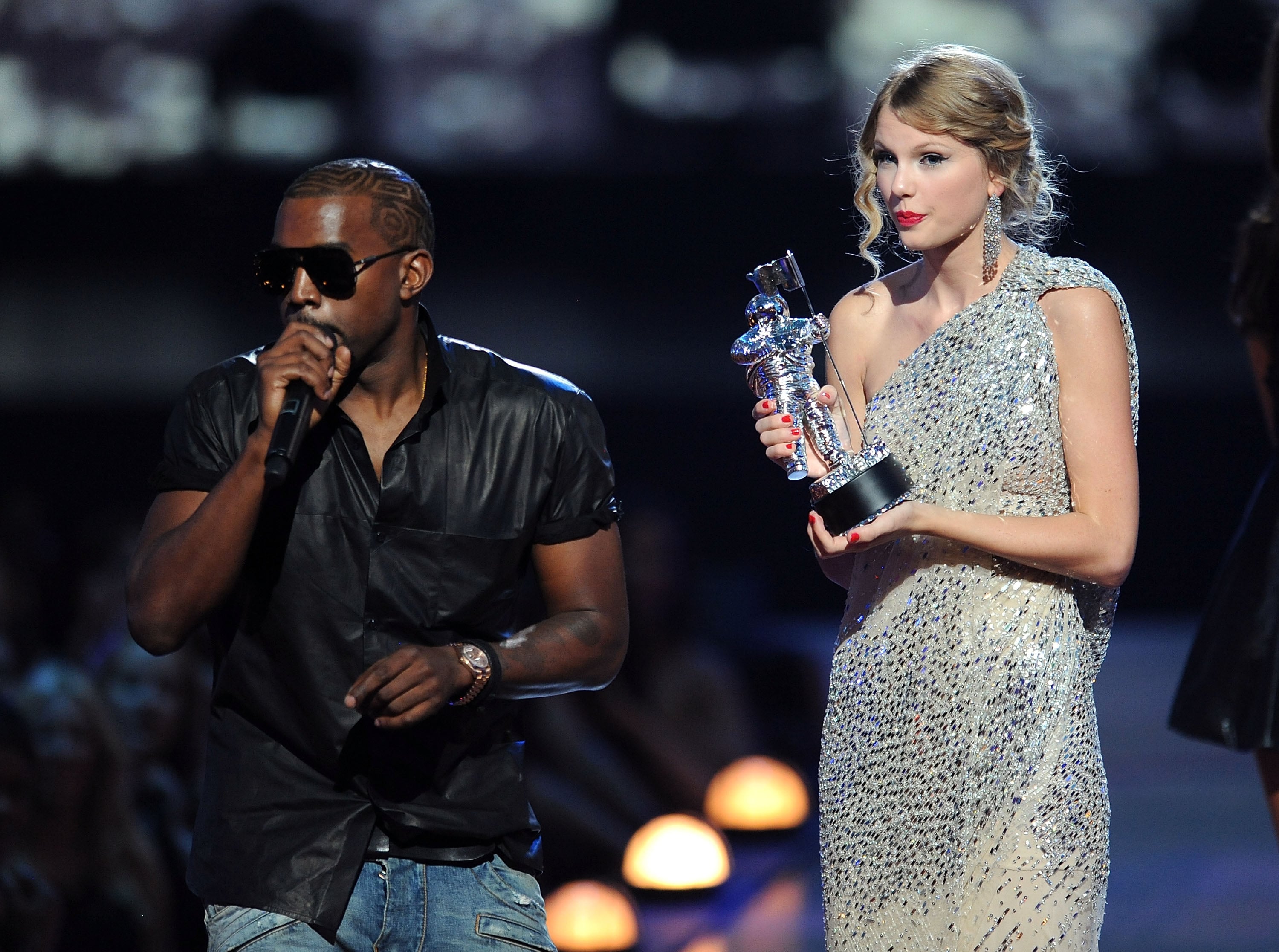
The 2009 MTV VMAs and Taylor Swift’s Defining Career Moment: A Complete Retrospective
The 2009 MTV Video Music Awards (VMAs) featured a moment that fundamentally altered the trajectory of modern pop culture: Kanye West’s interruption of Taylor Swift’s acceptance speech for Best Female Video. While Swift won for "You Bel...
The 2009 MTV Video Music Awards (VMAs) featured a moment that fundamentally altered the trajectory of modern pop culture: Kanye West’s interruption of Taylor Swift’s acceptance speech for Best Female Video. While Swift won for "You Belong with Me," West’s stage invasion to advocate for Beyoncé’s "Single Ladies" sparked a decade-long feud and redefined both artists' public identities.
Contents
The event, which took place on September 13, 2009, at Radio City Music Hall in New York City, remains one of the most analyzed live television broadcasts in history. What began as a celebration of a nineteen-year-old country-pop star’s crossover success turned into a geopolitical-scale entertainment scandal that involved presidents, changed the rules of live television production, and fueled multiple multi-platinum albums.
The Anatomy of the Interruption: What Happened on Stage
Taylor Swift arrived at the 2009 VMAs as a rising superstar. Her second studio album, Fearless, had already established her as a commercial juggernaut, and her win for Best Female Video marked the first time a country artist had ever taken home a VMA Moonman. As she began her acceptance speech, expressing her gratitude for the opportunity to even be at the awards, Kanye West walked onto the stage.
West took the microphone from Swift’s hand and uttered the now-infamous line: "Yo, Taylor, I'm really happy for you, I'mma let you finish, but Beyoncé had one of the best videos of all time! One of the best videos of all time!"
The camera cut to a visibly mortified Beyoncé in the audience, while Swift stood frozen and silent on stage. The crowd, initially confused, began a chorus of boos directed at West. After West handed the microphone back and left the stage, Swift was unable to finish her speech, as her allotted time had expired and the program moved to a commercial break.
The Immediate Atmosphere at Radio City Music Hall
Reports from behind the scenes indicate that the atmosphere following the interruption was one of pure chaos. Swift was reportedly seen crying backstage with her mother, Andrea Swift. Meanwhile, industry heavyweights expressed immediate disapproval. Pink reportedly approached West during a commercial break to criticize his behavior, and various celebrities took to the burgeoning social media platform Twitter to voice their support for Swift.
MTV producers were faced with a logistical nightmare: one of the night’s biggest winners had been silenced, and the night’s most anticipated performer (West) had become a pariah within the room.
Beyoncé’s Act of Grace and the Night’s Conclusion
The 2009 VMAs could have ended on a note of extreme tension if not for a gesture by Beyoncé later in the evening. When Beyoncé won Video of the Year for "Single Ladies (Put a Ring on It)"—the very video West had been championing—she used her time to rectify the situation.
Recalling her own experience as a young performer with Destiny's Child, Beyoncé invited Taylor Swift back onto the stage. "I remember being 17 years old, up for my first MTV award with Destiny's Child, and it was one of the most exciting moments in my life," Beyoncé told the crowd. "So, I would like for Taylor to come out and have her moment."
Swift returned to the stage and finally gave the speech she had prepared, thanking her fans and the director of the "You Belong with Me" video, Roman White. This moment of solidarity helped de-escalate the immediate televised tension, but the cultural firestorm was only beginning.
Comparing the Nominees: Best Female Video 2009
To understand the context of West’s frustration, it is helpful to look at the specific works being compared. While "You Belong with Me" was a massive commercial hit, "Single Ladies" was a technical and choreographic landmark.
| Feature | "You Belong with Me" (Taylor Swift) | "Single Ladies" (Beyoncé) |
|---|---|---|
| Director | Roman White | Jake Nava |
| Concept | High school narrative / Transformation | Minimalist choreography / Performance |
| Chart Peak | No. 2 (Billboard Hot 100) | No. 1 (Billboard Hot 100) |
| Cultural Impact | Solidified Swift's crossover appeal | Sparked a global dance phenomenon |
| VMA Wins | Best Female Video | Video of the Year, Best Choreography, Best Editing |
The Political and Social Aftermath
The fallout from the 2009 VMAs extended far beyond the music industry. In an unprecedented move, President Barack Obama was caught on an "off-the-record" recording calling Kanye West a "jackass" for his behavior at the awards. This comment highlighted how deeply the event had permeated the national consciousness.
Kanye West faced a period of intense public backlash. He eventually went into a self-imposed exile in Hawaii, which served as the creative incubator for his 2010 masterpiece, My Beautiful Dark Twisted Fantasy. For West, the 2009 incident was a turning point that shifted his persona from a celebrated producer-rapper to a divisive, "anti-hero" figure in the public eye.
For Taylor Swift, the event served as a catalyst for her songwriting. At the 2010 VMAs, she performed the song "Innocent," which she wrote about West, offering a form of public forgiveness that also served as a sophisticated PR move. The incident cemented her image as a resilient underdog, a narrative that would drive her career for several years.
Long-term Industry Impacts on Live Awards
The 2009 interruption forced MTV and other award show producers to re-evaluate their security and production protocols. While the VMAs were known for being "unscripted" and "wild," the 2009 incident was seen as a breach of professional conduct that threatened the integrity of the ceremony.
- Increased Security Presence: Production teams now employ more robust "seat-filler" and security transitions to ensure that non-performers cannot easily access the stage during live segments.
- Extended Tape Delays: While most live shows have a standard few-second delay for profanity, the 2009 incident encouraged producers to use these windows more aggressively to manage unexpected stage invasions.
- Mic-Cut Protocols: Audio engineers are now more prepared to instantly kill the audio of a microphone if an unauthorized person begins speaking.
The Evolution of the Swift-West Relationship (2009–2026)
From the vantage point of 2026, the 2009 VMAs appear as the "Big Bang" of modern celebrity feuding. The relationship between Swift and West went through several distinct phases:
- The Reconciliation (2015): Swift presented West with the Video Vanguard Award at the VMAs, signaling a public truce.
- The "Famous" Incident (2016): West released the song "Famous," which included a controversial line about Swift. This led to a massive dispute over whether Swift had approved the lyrics, involving a leaked (and later revealed to be edited) phone call recorded by Kim Kardashian.
- The Reputation Era: Swift’s sixth studio album was largely a response to the fallout of the 2016 dispute, which traced its roots back to the 2009 stage invasion.
- The Legacy Phase: In recent years, both artists have moved into legacy-building roles, with the 2009 incident now viewed as a historical artifact of an era before the complete dominance of streaming and social media echo chambers.
Frequently Asked Questions
Did Taylor Swift get to keep her award?
Yes. Taylor Swift’s win for Best Female Video remained official. Despite the interruption, the voting results were not changed. Beyoncé eventually won the night’s top honor, Video of the Year, which is why she was able to invite Swift back to the stage.
Why did Kanye West interrupt Taylor Swift?
West claimed that his actions were motivated by a desire to see "artistic excellence" recognized. He believed that Beyoncé’s "Single Ladies (Put a Ring on It)" was a superior piece of work and deserved the Best Female Video award over Swift’s "You Belong with Me."
Was the 2009 VMA moment staged?
No. Multiple reports from MTV executives, security personnel, and the artists themselves have confirmed that the moment was entirely unplanned. Swift was visibly shaken, and West was removed from the building shortly after the incident occurred.
What song did Taylor Swift write about the 2009 VMAs?
Swift wrote the song "Innocent" from her third studio album, Speak Now, specifically about Kanye West and the incident. She performed the song live at the 2010 VMAs, exactly one year after the interruption.
How did the incident affect Taylor Swift’s career?
While the event was distressing, it significantly increased Swift’s name recognition and public sympathy. It helped transition her from a country star to a global pop icon and provided the emotional groundwork for some of her most successful songwriting in the years that followed.
Expert Recommendation for Media Historians
When analyzing the 2009 VMAs from a 2026 perspective, it is essential to view it not just as a "celebrity spat," but as a pivot point in the democratization of celebrity news. This was the first major award show incident to be processed in real-time by a mass audience on Twitter, setting the template for how we consume live "viral" events today. To fully understand the impact, one should examine the Speak Now and My Beautiful Dark Twisted Fantasy albums as companion pieces that document the psychological aftermath of that single night in NYC.
Image Gallery