Comprehensive Guide to the Top Ten Economies in the World in 2026
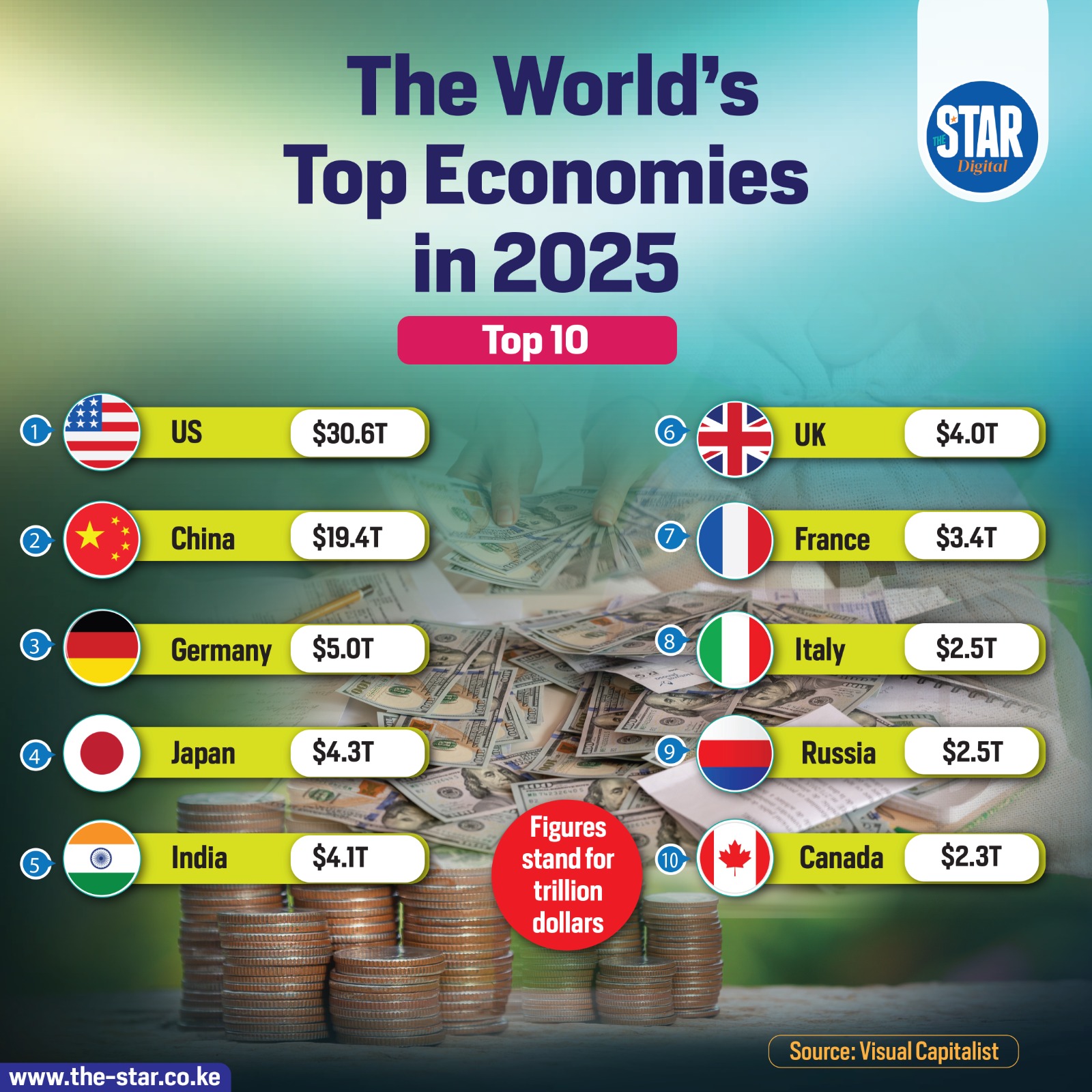
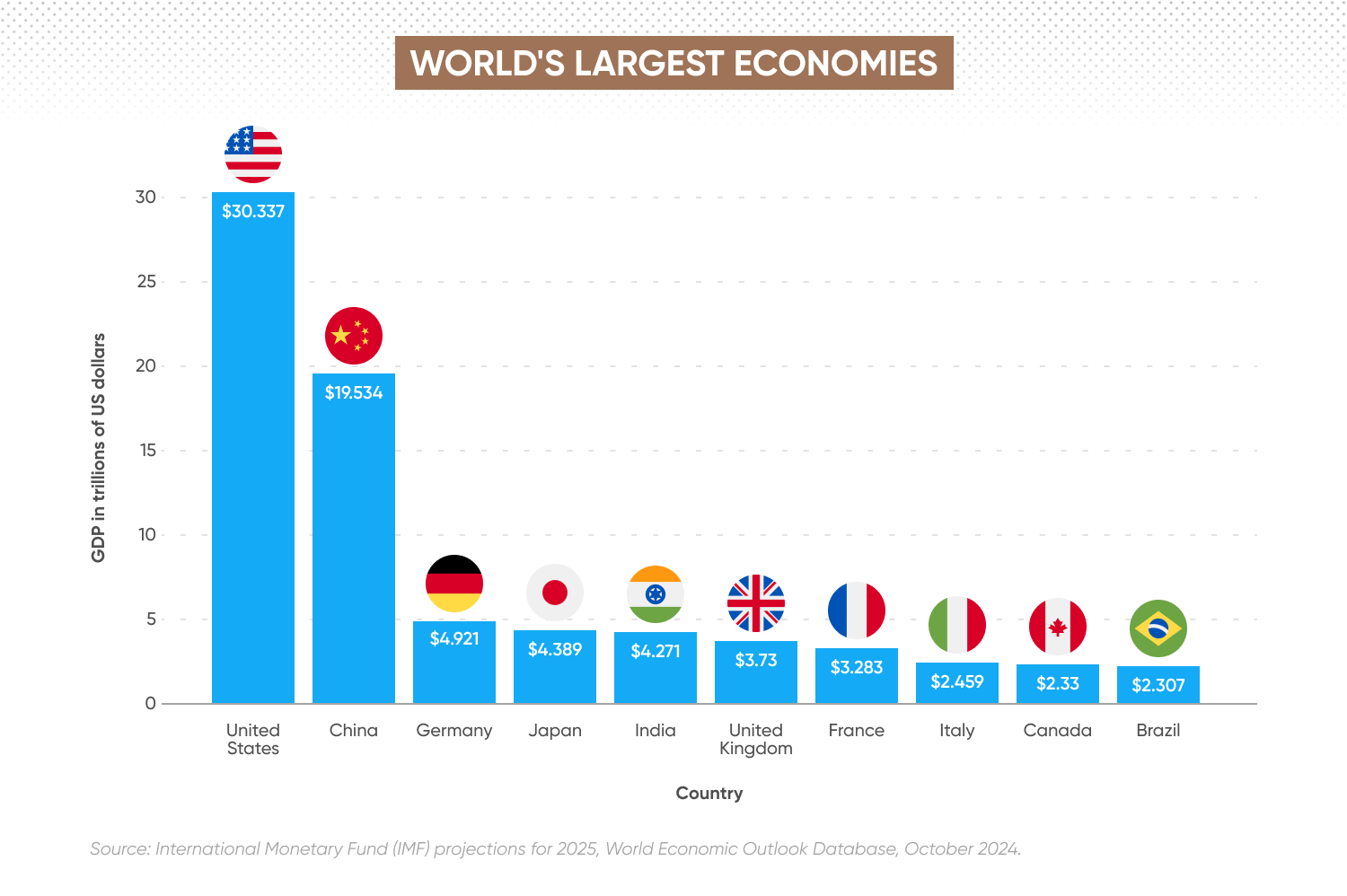
As of 2026, the world’s top ten economies are the United States, China, India, Germany, Japan, the United Kingdom, France, Brazil, Italy, and Canada. These nations collectively represent over 65% of global Gross Domestic Product (GDP),...
As of 2026, the world’s top ten economies are the United States, China, India, Germany, Japan, the United Kingdom, France, Brazil, Italy, and Canada. These nations collectively represent over 65% of global Gross Domestic Product (GDP), driven by a mix of technological innovation, massive consumer markets, and vast natural resource reserves.
Contents
The global economic landscape in 2026 is defined by a significant realignment of power, primarily driven by the rapid ascent of emerging markets and the structural transitions of established industrial powers. Gross Domestic Product (GDP)—the total value of all goods and services produced within a country's borders—remains the primary metric for measuring national economic strength. However, in 2026, analysts increasingly look at "GDP at Purchasing Power Parity" (PPP) and "GDP per capita" to understand the true standard of living and domestic market potential.
1. The United States: The World’s Largest Economy
The United States maintains its position as the world's leading economy in 2026, with a nominal GDP exceeding $30 trillion. The U.S. economy's resilience is built upon a foundation of high-value services, technological leadership, and the global dominance of the U.S. dollar.
Innovation remains the primary driver of American growth. The integration of artificial intelligence (AI) across the healthcare, finance, and manufacturing sectors has significantly boosted productivity since the mid-2020s. Furthermore, the U.S. has maintained a competitive edge in the energy sector, becoming a major exporter of liquefied natural gas (LNG) and a leader in renewable energy technology. The depth of the U.S. capital markets allows for an unparalleled flow of investment into startups and research and development (R&D), ensuring that the nation remains at the forefront of the global digital economy.
2. China: The Industrial Superpower in Transition
China holds the second position, with a nominal GDP of approximately $21 trillion. While China remains the world’s "factory," its economic narrative in 2026 has shifted from pure manufacturing volume to "high-quality development."
Facing demographic challenges such as an aging population, the Chinese government has pivoted toward advanced automation, green energy, and domestic consumption. China leads the world in the production and adoption of electric vehicles (EVs) and solar energy technology. Despite trade tensions and supply chain "derisking" by Western nations, China’s massive domestic market and its Belt and Road Initiative (BRI) partners provide a stable base for economic activity. However, the 2026 outlook for China is tempered by a cooling real estate sector and the need to transition toward a more service-oriented economy.
3. India: The World’s Fastest-Growing Major Economy
India has firmly secured the third spot in 2026, having overtaken both Japan and Germany in the mid-2020s. With a nominal GDP nearing $5 trillion, India is the primary engine of global growth.
India’s rise is fueled by a "demographic dividend"—a large, young, and increasingly skilled workforce. The government’s "Make in India" initiative has successfully attracted global electronics and semiconductor manufacturers looking to diversify away from China. Additionally, India’s digital public infrastructure (DPI), including the Unified Payments Interface (UPI), has revolutionized its internal market, bringing hundreds of millions of citizens into the formal economy. Massive investments in physical infrastructure, such as highways, ports, and airports, have reduced logistics costs and improved trade efficiency.
4. Germany: Europe’s Industrial Heart
Germany remains the fourth-largest economy and the largest in Europe. In 2026, Germany is navigating a complex transition away from its historic reliance on cheap energy and toward a high-tech, green industrial model.
The German "Mittelstand"—the small and medium-sized enterprises that form the backbone of the economy—continues to dominate niche global markets in precision engineering and specialized chemicals. While the country faced significant headwinds due to high energy costs in previous years, its aggressive investment in hydrogen energy and wind power has begun to pay dividends. Germany’s challenge remains its aging workforce and the need for more rapid digitalization within its bureaucratic and industrial frameworks.
5. Japan: Advanced Tech and Stability
Japan ranks fifth globally. Despite its long-term battle with deflation and a shrinking population, Japan remains a global leader in high-tech manufacturing, robotics, and automotive technology.
In 2026, Japan’s economy is characterized by extreme efficiency. Japanese companies have pioneered the use of collaborative robots (cobots) to address labor shortages, maintaining their status as essential suppliers in the global semiconductor and electronics value chains. Japan also holds a significant amount of foreign assets, making it one of the world's largest creditor nations, which provides a layer of financial stability that balances its high public debt-to-GDP ratio.
6. The United Kingdom: A Service-Based Power
The United Kingdom occupies the sixth position. The UK economy is heavily reliant on its services sector, particularly financial services, legal expertise, and higher education.
London remains a premier global financial hub, competing directly with New York and Singapore. In 2026, the UK has carved out a specialized niche as a global center for "FinTech" (financial technology) and "Green Finance." While post-Brexit trade adjustments continue to influence growth rates, the UK’s focus on high-growth industries like life sciences and aerospace keeps it ahead of its European peers in terms of nominal output.
7. France: Diversified and Resilient
France is the seventh-largest economy, known for its highly diversified industrial base. France’s strengths lie in aerospace, luxury goods, and nuclear energy.
Unlike many of its neighbors, France produces a significant portion of its electricity through nuclear power, providing it with more stable energy prices and a lower carbon footprint. The French government has also been proactive in fostering a "startup nation" ecosystem, particularly in AI and biotechnology. The luxury sector, led by conglomerates like LVMH, continues to thrive by capturing the growing middle class in emerging markets like India and Southeast Asia.
8. Brazil: The Giant of the South
Brazil has re-entered the top ten with vigor, sitting at the eighth spot in 2026. As a global leader in agribusiness, Brazil is a critical supplier of soy, corn, and beef to the world.
Beyond agriculture, Brazil has expanded its energy footprint with significant offshore oil discoveries and a massive surge in renewable energy production. The country's "industrialization 4.0" strategy aims to modernize its manufacturing sector. Brazil’s inclusion in the top ten is a testament to its improved fiscal policies and its ability to capitalize on the global demand for food and energy security.
9. Italy: Tradition Meets Modernity
Italy maintains its position as the ninth-largest economy. Known for the "Made in Italy" brand, the country is a global powerhouse in fashion, furniture, and high-end automotive manufacturing.
Italy’s economy in 2026 is buoyed by its mechanical engineering sector, which accounts for a large portion of its exports. While the country faces structural issues such as high public debt and regional disparities between the North and South, its integration into the European Union’s recovery and resilience funds has sparked modernization in its digital infrastructure and green energy sectors.
10. Canada: Natural Resources and Skilled Labor
Canada rounds out the top ten. Its economy is deeply integrated with that of the United States, but it maintains its own distinct strengths in natural resources, mining, and technology.
Canada is a vital source of critical minerals required for the global energy transition, including lithium, cobalt, and nickel. Additionally, Canada’s aggressive immigration policy has allowed it to grow its labor force and attract international tech talent, particularly in cities like Toronto and Vancouver, which have become major hubs for software development and artificial intelligence.
Comparative Overview of the Top Ten Economies (2026 Projections)
The following table summarizes the projected economic standing of these nations based on International Monetary Fund (IMF) and World Bank data trends.
| Rank | Country | Estimated Nominal GDP (USD Trillions) | Primary Economic Drivers |
|---|---|---|---|
| 1 | United States | $30.2 | Technology, Finance, Energy |
| 2 | China | $20.8 | Manufacturing, Green Tech, Electronics |
| 3 | India | $5.1 | Services, Digital Infrastructure, Mfg |
| 4 | Germany | $4.9 | Automotive, Engineering, Chemicals |
| 5 | Japan | $4.4 | Robotics, Automotive, Electronics |
| 6 | United Kingdom | $3.9 | Finance, Business Services, Aerospace |
| 7 | France | $3.4 | Aerospace, Luxury Goods, Nuclear Energy |
| 8 | Brazil | $2.6 | Agribusiness, Mining, Energy |
| 9 | Italy | $2.4 | High-end Manufacturing, Fashion, Food |
| 10 | Canada | $2.3 | Natural Resources, Tech, Mining |
The Role of GDP vs. PPP in 2026
When discussing the top ten economies, it is essential to distinguish between Nominal GDP and GDP at Purchasing Power Parity (PPP).
Nominal GDP is calculated at current market exchange rates and is the most common way to compare the total size of economies. It is the primary metric used for international trade and debt analysis. However, it can be skewed by currency fluctuations.
GDP (PPP) adjusts for the cost of living and the purchasing power of local currencies. In 2026, if we look at PPP rankings, the list changes significantly. For instance, on a PPP basis, China is the largest economy in the world, and India is comfortably in third place, significantly closer to the United States. Analysts use PPP to compare the actual standard of living and the "real" output of an economy within its own borders.
Future Outlook: Beyond 2026
The rankings of the top ten economies are not static. Several trends are likely to shift these positions by the end of the decade:
- Demographic Shifts: Countries with younger populations, like India and Brazil, have a natural growth advantage over aging nations like Japan and Italy.
- Energy Transition: Nations that lead in the production of "green" hydrogen and the mining of rare earth minerals will gain a significant competitive edge.
- Technological Sovereignty: The ability to design and manufacture advanced semiconductors has become a matter of national economic security, influencing GDP growth in the U.S., Taiwan, and China.
- Urbanization: In emerging markets, the continued move of populations from rural areas to cities is creating massive new consumer bases.
Frequently Asked Questions
Why is India growing faster than China in 2026? India is currently in a high-growth phase due to its younger workforce and lower baseline. While China is a more mature economy dealing with a shrinking labor force and high debt in its property sector, India is still experiencing the benefits of rapid urbanization and the formalization of its economy through digital technologies.
Is the U.S. dollar still the dominant currency for the top ten economies? Yes, despite the rise of "dedollarization" efforts in some BRICS nations (Brazil, Russia, India, China, South Africa), the U.S. dollar remains the primary reserve currency and the most used currency for international trade in 2026. This gives the U.S. economy significant leverage and stability.
How do natural resources affect these rankings? Natural resources are a "double-edged sword." For countries like Canada and Brazil, they provide a massive export base. However, for a country to remain in the top ten, it must usually diversify into high-value services and technology to avoid "Dutch Disease," where a focus on resources harms other sectors of the economy.
What happened to Russia’s economy in the 2026 rankings? Russia has largely shifted toward a "war economy" and has become more isolated from Western financial systems. While it remains a major energy producer, its nominal GDP has struggled to keep pace with the growth of diversified economies like Brazil and Canada, often placing it just outside the top ten.
Does a high GDP mean a high quality of life? Not necessarily. GDP measures the total output, but not how wealth is distributed. For example, while India has a higher GDP than Canada, Canada has a much higher GDP per capita, meaning the average individual income and standard of living are higher in Canada than in India.
Next Steps for Investors and Analysts
For those looking to engage with these economies, the focus should be on sector-specific growth. In the U.S. and UK, look toward AI and FinTech. In India and Brazil, focus on infrastructure and consumer goods. Monitoring the quarterly reports from the International Monetary Fund (IMF) and the World Bank is essential for staying updated on the shifting dynamics of the world's most powerful economies.
Image Gallery