How Are Lawsuit Settlements Taxed? A Comprehensive Guide for 2026
The taxation of lawsuit settlements depends primarily on the "origin of the claim." Generally, settlements for physical injuries or sickness are tax-free under Internal Revenue Code Section 104. However, payments for lost wages, emotio...
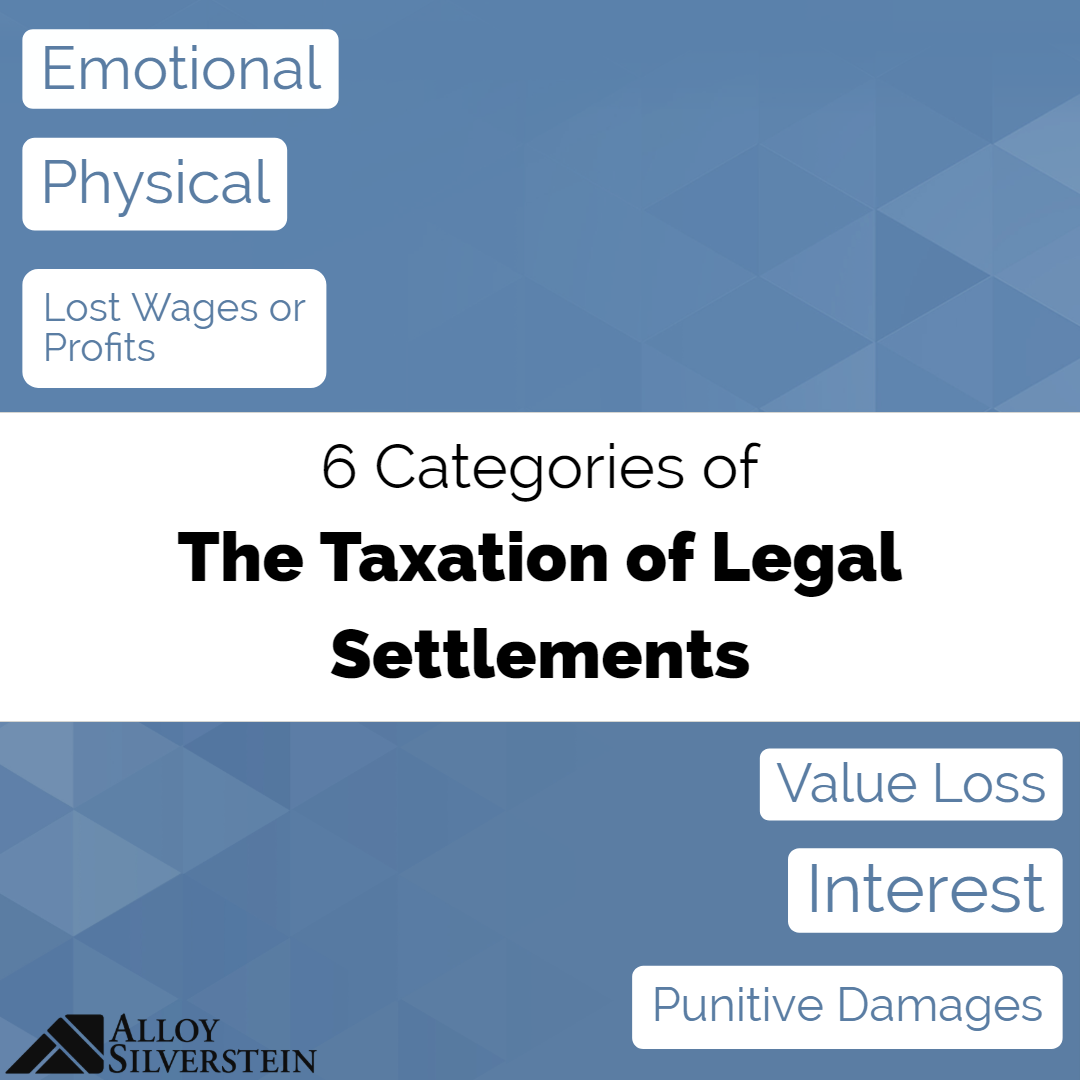
The taxation of lawsuit settlements depends primarily on the "origin of the claim." Generally, settlements for physical injuries or sickness are tax-free under Internal Revenue Code Section 104. However, payments for lost wages, emotional distress not linked to physical injury, punitive damages, and interest are typically considered taxable income by the IRS.
Contents
As we navigate the legal and financial landscape of 2026, understanding the tax implications of a legal recovery is as critical as the litigation itself. A significant settlement can inadvertently push a taxpayer into the highest tax bracket, and without proper structuring, a large portion of the award may be lost to federal and state obligations. The IRS treats legal recoveries based on what the money is intended to replace. If the settlement replaces something that would have been taxable—like salary or business profits—the settlement is usually taxable. If it compensates for a personal physical loss, it is generally exempt.
The "Origin of the Claim" Doctrine
The foundational principle the IRS uses to determine taxability is the "origin of the claim" doctrine. This rule looks past the language of the settlement agreement to the underlying reason for the lawsuit. Whether a case is settled out of court or decided by a jury, the tax consequences remain the same.
When analyzing a settlement, the IRS asks: "In lieu of what were the damages awarded?"
- If the damages are in lieu of lost corporate profits, they are taxed as business income.
- If the damages are in lieu of back pay in a wrongful termination suit, they are taxed as wages.
- If the damages are to compensate for the loss of a physical limb or bodily function, they are not considered "income" at all, but rather a restoration of what the individual lost.
Because the IRS is not bound by the labels used in a settlement agreement, it is vital that the underlying evidence—such as the initial complaint, the trial transcript, and the specific wording of the settlement—consistently reflects the intended tax treatment.
Non-Taxable Settlements: Physical Injury and Sickness
Under Internal Revenue Code (IRC) Section 104(a)(2), damages received on account of personal physical injuries or physical sickness are excluded from gross income. This remains the most significant tax advantage available to plaintiffs in 2026.
Defining "Physical" Injury
For a settlement to be tax-free, the injury must be "observable." This typically includes broken bones, lacerations, or internal organ damage caused by an accident or medical malpractice. In recent years, the IRS has maintained a narrow interpretation of this rule.
The Emotional Distress Exception
One of the most common points of confusion involves emotional distress. If you receive a settlement for emotional distress, it is generally taxable. However, there is a crucial exception: if the emotional distress is a direct result of a personal physical injury, the damages are non-taxable. For example, if a car accident causes a physical back injury and the victim suffers from clinical depression as a result of that physical pain, the entire settlement remains tax-free.
Conversely, if a plaintiff sues for workplace harassment and claims emotional distress (insomnia, headaches, stomach pain) without a preceding physical impact, the IRS views these as "symptoms" of emotional distress rather than "physical injuries." In this scenario, the settlement is taxable, though the plaintiff may exclude the portion of the settlement used to pay for actual medical care related to that distress.
The Tax Benefit Rule
There is one caveat to tax-free physical injury settlements: the tax benefit rule. If you deducted medical expenses related to your injury on your tax returns in previous years (e.g., 2024 or 2025), you must include the portion of the settlement that covers those previously deducted expenses as income in 2026. This prevents "double-dipping" where a taxpayer receives both a deduction and a tax-free reimbursement for the same expense.
Taxable Settlements: Employment and Economic Loss
Most settlements that do not involve a physical injury are taxable as ordinary income. This category covers a vast majority of modern litigation, including breach of contract, employment discrimination, and defamation.
Employment-Related Claims
In employment litigation, settlements are often split into categories. Back pay and front pay are treated as wages. This means they are not only subject to federal and state income tax but also to FICA (Social Security and Medicare) withholdings. Employers are required to issue a Form W-2 for this portion of the settlement.
Other portions of an employment settlement, such as damages for emotional distress or injury to reputation, are reported on a Form 1099-NEC. While these are not subject to payroll taxes, they must be reported as "Other Income" on the plaintiff’s Form 1040.
Lost Profits and Business Damages
For business owners, a settlement that compensates for lost profits is taxed as ordinary business income. However, if the settlement is for damage to "goodwill" or the destruction of a capital asset, the tax treatment may be different. If the payment is less than the "basis" (the amount invested) in the asset, it may be treated as a non-taxable return of capital. If it exceeds the basis, it is typically taxed as a capital gain, which often carries a lower tax rate than ordinary income.
Punitive Damages and Interest
Regardless of the underlying claim, two types of recovery are almost always taxable: punitive damages and interest.
- Punitive Damages: These are intended to punish the defendant rather than compensate the plaintiff. Because they are a "windfall" rather than a restoration of loss, the IRS requires them to be reported as taxable income, even in cases of severe physical injury or wrongful death. (Note: Some states have specific rules for wrongful death statutes where punitive damages are the only remedy; in those rare cases, they may be excludable, but this is a narrow exception.)
- Interest: Many settlements include "pre-judgment interest" or "post-judgment interest." This is the amount added to the award to compensate the plaintiff for the time they waited for the money. The IRS views interest as a separate item from the damages themselves, and it is always taxed at ordinary income rates.
The Complexity of Attorney Fees
A significant hurdle for plaintiffs is how to handle the portion of the settlement paid directly to their attorney. In a contingency fee arrangement, the attorney often takes 33% to 40% of the total award.
The Supreme Court ruled in Commissioner v. Banks that, generally, a plaintiff is taxed on 100% of the settlement, including the portion paid to the lawyer. The plaintiff then must look for a way to deduct those legal fees.
- Employment and Whistleblower Cases: Under the American Jobs Creation Act of 2004, plaintiffs in employment discrimination or whistleblower (False Claims Act) cases are allowed an "above-the-line" deduction for legal fees. This means they effectively only pay taxes on their net recovery.
- Other Cases (The 2026 Reality): For many other types of cases, such as defamation or breach of contract, the "above-the-line" deduction is not available. Under current tax laws active in 2026, miscellaneous itemized deductions are often restricted or unavailable, meaning a plaintiff might be taxed on money they never actually touched because it went straight to their legal counsel.
Comparison Table: Taxability by Claim Type
| Claim Type | Primary Tax Treatment | Reporting Form | Payroll Tax (FICA)? |
|---|---|---|---|
| Physical Injury / Sickness | Non-Taxable | None | No |
| Wrongful Termination (Back Pay) | Taxable | W-2 | Yes |
| Emotional Distress (Linked to Injury) | Non-Taxable | None | No |
| Emotional Distress (Standalone) | Taxable | 1099-NEC | No |
| Punitive Damages | Taxable | 1099-MISC | No |
| Breach of Contract (Lost Profits) | Taxable | 1099-MISC | No |
| Interest on Award | Taxable | 1099-INT | No |
| Property Damage (up to basis) | Non-Taxable | None | No |
Strategic Considerations for 2026 Settlements
When finalizing a settlement in 2026, there are several strategies to mitigate the tax burden.
1. Specific Allocation in the Agreement
It is vital to explicitly allocate the settlement amounts in the final agreement. Instead of a lump sum of $100,000, the agreement should state, for example, "$70,000 for physical personal injury and $30,000 for lost wages." While the IRS is not required to accept these allocations, they generally respect them if they are consistent with the "intent of the payor" and the facts of the case.
2. Structured Settlements
For large awards, plaintiffs should consider a structured settlement. Instead of receiving a single taxable lump sum, the money is placed into an annuity that pays out over several years or decades. In physical injury cases, the interest earned inside the structure can also remain tax-free. In taxable cases, a structure helps the plaintiff avoid being pushed into a higher tax bracket in a single year.
3. Qualified Settlement Funds (QSF)
If a case involves multiple plaintiffs or complex allocation issues, a Qualified Settlement Fund (under Section 468B of the IRC) can be established. This allows the defendant to pay the money into a trust and take their tax deduction immediately, while the plaintiffs and their advisors take more time to determine the most tax-efficient way to distribute the funds.
FAQs
Are settlements for sexual harassment taxable in 2026?
Yes, generally. Unless there was a physical injury (not just physical contact), the settlement is taxable. Furthermore, under current tax laws, defendants cannot deduct settlement payments or attorney fees related to sexual harassment or abuse if the settlement is subject to a non-disclosure agreement (NDA). However, for the plaintiff, the income remains taxable as ordinary income.
If I settle a defamation suit, do I owe taxes?
Yes. Defamation, libel, and slander involve injury to reputation, which the IRS classifies as a non-physical injury. Consequently, the entire settlement, including any portion that goes to your attorney, is usually considered taxable income.
What happens if I receive a settlement for a damaged home or car?
Settlements for property damage are generally not taxable as long as the amount is less than or equal to your "adjusted basis" in the property (usually what you paid for it plus improvements). The payment is viewed as a reimbursement for your loss. If the settlement exceeds your basis, the excess is treated as a capital gain.
Do I have to pay state taxes on a federal tax-free settlement?
Most states follow federal guidelines (the Internal Revenue Code). If a settlement is non-taxable at the federal level under Section 104, it is typically non-taxable at the state level as well. However, you should verify the specific statutes in your state, as some jurisdictions have unique filing requirements for legal recoveries.
Can I deduct my medical expenses if I used my settlement to pay them?
You cannot deduct medical expenses if they were paid for with a tax-free settlement. If you receive a tax-free settlement for a physical injury, that money is intended to cover your costs. If you were to also take a medical expense deduction, you would be receiving a double tax benefit, which the IRS prohibits under the "tax benefit rule."
Next Steps for Plaintiffs
Before signing a settlement release, consult with both your trial attorney and a qualified tax professional. Ensure that the settlement agreement includes specific language regarding the allocation of funds and that you have a plan for the 2026 tax season. Because the IRS focuses on the "intent of the payor," having the defendant agree to the specific allocations in writing is your best defense in the event of an audit.
Image Gallery