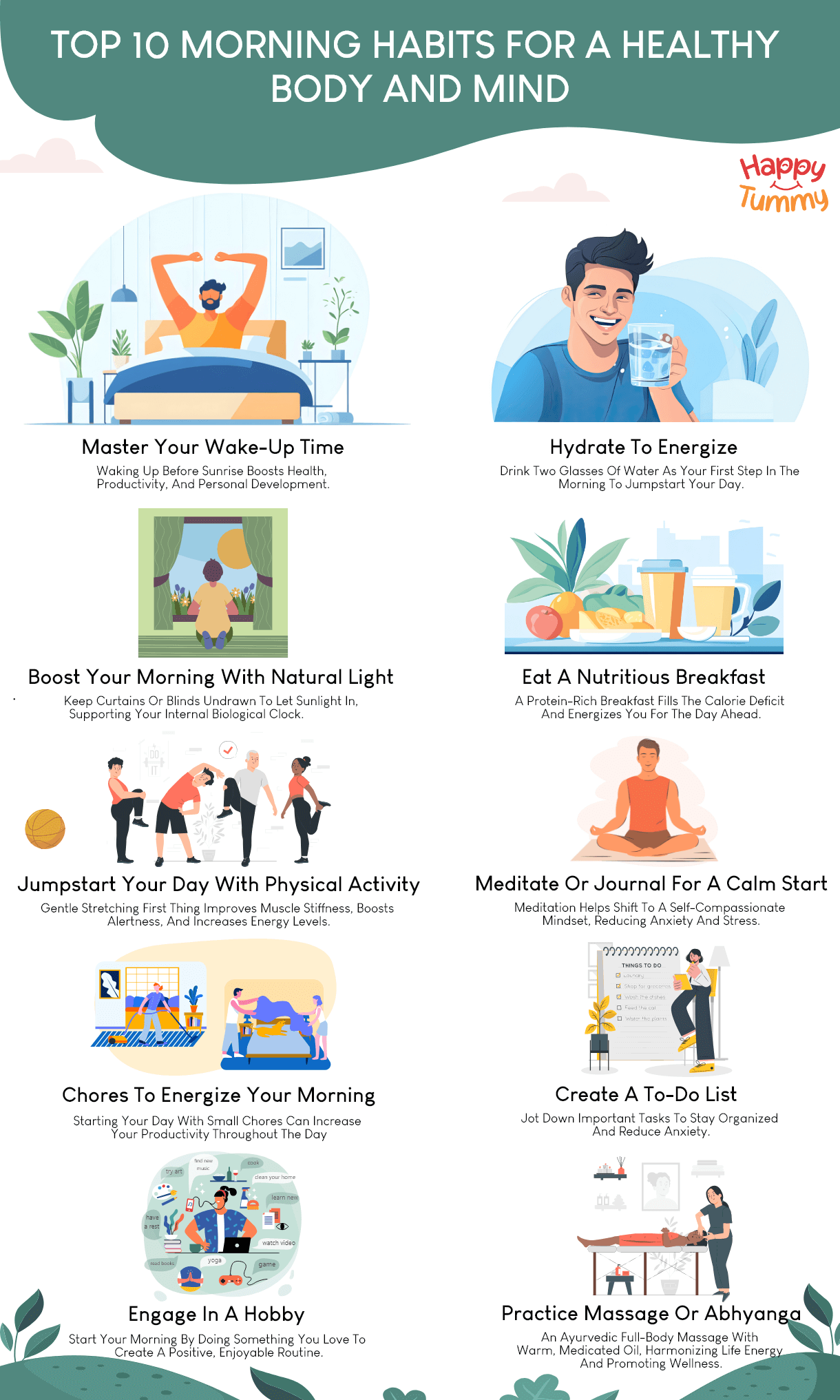
Morning Habits for Good Health: A Structured Approach to Daily Vitality
Establishing consistent morning habits for good health is a foundational strategy for regulating circadian rhythms, optimizing metabolic function, and stabilizing mood throughout the day. By systematically addressing hydration, light e...
Establishing consistent morning habits for good health is a foundational strategy for regulating circadian rhythms, optimizing metabolic function, and stabilizing mood throughout the day. By systematically addressing hydration, light exposure, movement, and cognitive priming, you can transition from a state of physiological rest to peak operational readiness, effectively reducing long-term stress markers and improving systemic health.
Contents
The Physiology of the Morning Transition
The human body operates on a circadian rhythm—a roughly 24-hour cycle dictated by the suprachiasmatic nucleus in the hypothalamus. This internal clock is highly sensitive to environmental cues, most notably light and nutrient intake. When you wake up, your body is emerging from a period of overnight fasting, often characterized by mild dehydration and elevated cortisol levels.
Intentional morning habits serve as the primary "zeitgebers," or time-givers, that anchor this cycle. By performing specific actions—such as seeking natural light and consuming water—you signal to your endocrine system that the active phase of the day has begun. This biological synchronization is crucial for the timely release of melatonin in the evening, which directly influences sleep quality, the ultimate bedrock of physical health.
Hydration and Metabolic Activation
After 6 to 8 hours of sleep, your body is in a state of water deficit. Even mild dehydration can impair cognitive function, focus, and physical endurance. Prioritizing hydration immediately upon rising is perhaps the most critical, yet simplest, health habit.
- Target Volume: Aim for 12 to 16 ounces (approx. 350–475 ml) of water upon waking.
- Temperature: While cold water is often preferred for sensory stimulation, room temperature water may be gentler on the digestive system for some individuals.
- Electrolyte Balance: If you engage in strenuous morning exercise, consider a pinch of high-quality sea salt to replenish sodium lost during the night, though this is generally unnecessary for the average sedentary start.
Avoid immediate consumption of caffeine before hydrating. Caffeine is a mild diuretic and can further contribute to existing fluid imbalances. Waiting 60 to 90 minutes post-waking before your first coffee or tea also allows for the natural dissipation of adenosine—a byproduct of cellular energy use that causes sleepiness—ensuring the caffeine is more effective without creating a mid-afternoon energy crash.
Leveraging Natural Light for Circadian Alignment
Exposure to bright light early in the morning is the most potent tool for suppressing melatonin and boosting serotonin. This does not require direct sunlight, which can be damaging to the eyes; rather, it requires ambient natural light.
- Directness: If possible, step outside within 30 minutes of waking. Ten to 20 minutes of exposure on a clear day is sufficient.
- Cloud Cover: On overcast days, the light intensity is lower, so increase your exposure time to 30 minutes to achieve the same neural effect.
- Limitations: Looking through a window significantly filters the necessary light spectrum required to trigger the cortisol release that makes you feel alert. If you cannot go outside, ensure you are near a large, clear window, though this is less effective than outdoor exposure.
Movement and Physical Priming
You do not need an hour-long gym session to reap the benefits of morning movement. The objective is to increase core body temperature and blood flow. This movement acts as a signal to the body to begin repairing tissues and mobilizing fuel stores.
A simple routine involving dynamic stretching or a light walk accomplishes this. If you choose high-intensity exercise, ensure it is preceded by a proper warm-up to prevent injury, as joint mobility is typically lower in the early morning due to overnight fluid accumulation in the spinal discs.
Comparison of Morning Movement Modalities
| Activity | Primary Benefit | Duration Recommendation |
|---|---|---|
| Brisk Walking | Low-stress lymphatic drainage | 15–20 minutes |
| Dynamic Stretching | Improved range of motion | 5–10 minutes |
| Resistance Training | Metabolic rate elevation | 30–45 minutes |
| Yoga/Pilates | Core stability and focus | 20–30 minutes |
Cognitive Priming and Stress Management
The first hour of the day sets the tone for your sympathetic nervous system. Exposure to stressors—such as checking professional emails, reviewing urgent news, or engaging with social media—triggers a rapid spike in cortisol. While this can provide a temporary sense of urgency, it often leads to cognitive fatigue and a "reactive" state of mind.
To maintain health, dedicate the first 15 to 30 minutes to "proactive" tasks. This could include journaling, meditation, or simply planning the day ahead in a physical notebook. This habit builds "cognitive space," allowing you to approach your responsibilities with more resilience.
Nutritional Timing
Breakfast timing remains a subject of ongoing nutritional research. For many, consuming a protein-rich meal within an hour of waking stabilizes blood glucose levels and prevents late-morning cravings. For others practicing time-restricted feeding, delaying the first meal until mid-morning is a valid choice that does not inherently compromise health, provided hydration remains a priority. The key is consistency; your body performs best when it can anticipate the timing of your first caloric intake.
Troubleshooting Common Barriers
- Difficulty Waking: If you struggle to wake up, the issue is almost always a lack of evening light discipline or inconsistent sleep times. Use the "10-3-2-1" rule: no caffeine 10 hours before bed, no food 3 hours before, no work 2 hours before, and no screens 1 hour before.
- Lack of Time: If you are chronically rushed, perform a "habit stacking" technique. Drink your water while your coffee brews, or stretch while waiting for your breakfast.
- Environmental Obstacles: If you live in a location with limited sunlight (especially during winter months), consider the use of high-intensity, full-spectrum LED light boxes designed for light therapy to mimic natural sunrise cues.
Professional Consultation
While these habits are broadly beneficial, they are not a substitute for professional medical advice. Individuals with chronic conditions, such as diabetes, hypertension, or sleep disorders, should consult with a healthcare professional before making significant changes to their morning routine. Always ensure that any major shift in diet or exercise is monitored for symptomatic changes.
Frequently Asked Questions
Is it healthy to work out on an empty stomach? Yes, for most healthy individuals, fasted exercise is perfectly safe and can improve fat oxidation. However, if you feel dizzy or lightheaded, it is a sign that your body requires glycogen (energy) before physical activity. Listen to your physical cues.
Does coffee break a fast if I am doing intermittent fasting? Black coffee contains negligible calories and typically does not disrupt the metabolic state of fasting for most people. However, adding creamers, sugars, or artificial sweeteners will trigger an insulin response and break the fast.
How do I adjust my routine if I work night shifts? The core principles remain the same, but the timing shifts. Focus on light exposure as soon as you wake up, regardless of the clock time, and prioritize darkness and temperature control during your "night" period to ensure high-quality rest.
Can I sleep in on weekends? It is better to keep your wake-up time within a 60-minute window of your weekday routine. Drastic fluctuations in wake times can cause "social jetlag," which disrupts your circadian rhythm and makes Monday morning significantly more difficult.
What is the best way to start if I currently have no morning habits? Start by changing only one variable: hydration. Keep a glass of water by your bed tonight. By making this the first thing you do tomorrow, you establish the precedent of agency over your health before your feet even touch the floor.
Next Steps for Implementation
Begin by selecting two of these habits—such as morning hydration and 10 minutes of natural light exposure—and commit to them for seven consecutive days. Once these become automated, evaluate your energy levels and introduce a third element, such as movement or cognitive priming. Building a sustainable, healthy morning is an iterative process that rewards consistency over intensity.
Image Gallery