Navigating the Advertising in Virtual Reality Landscape in 2026
The advertising in virtual reality landscape has evolved into a sophisticated ecosystem where spatial immersion meets high-precision biometric data. As of 2026, brands have moved beyond disruptive pop-ups toward native, interactive 3D...
The advertising in virtual reality landscape has evolved into a sophisticated ecosystem where spatial immersion meets high-precision biometric data. As of 2026, brands have moved beyond disruptive pop-ups toward native, interactive 3D assets and gaze-activated experiences that prioritize user presence and agency within high-fidelity digital environments.
Contents
The Evolution of Spatial Brand Presence
The journey of advertising within virtual reality (VR) has transitioned from experimental "branded worlds" to a standardized, programmatic industry. In 2026, the landscape is defined by its ability to integrate commercial messages into the user's flow of activity without breaking "presence"—the psychological state of feeling truly inside a virtual space. Unlike traditional digital advertising, which competes for attention on a flat screen, VR advertising occupies the same physical-spatial reality as the user.
The market has bifurcated into two primary segments: social VR (metaverses) and utility-based VR (training, productivity, and fitness). In social platforms like Horizon Worlds and VRChat, advertising manifests as experiential activations—users might attend a virtual concert sponsored by a beverage brand where their avatars receive exclusive digital merchandise. In utility segments, such as VR fitness apps, ads are often performance-linked, such as gear upgrades or sponsored workout environments.
Primary Formats in the VR Advertising Landscape
To effectively navigate this landscape, advertisers must distinguish between the various formats that have become industry standards. The Interactive Advertising Bureau (IAB) has updated its spatial guidelines to account for 360-degree environments, focusing on three core categories.
1. Native 3D Placements
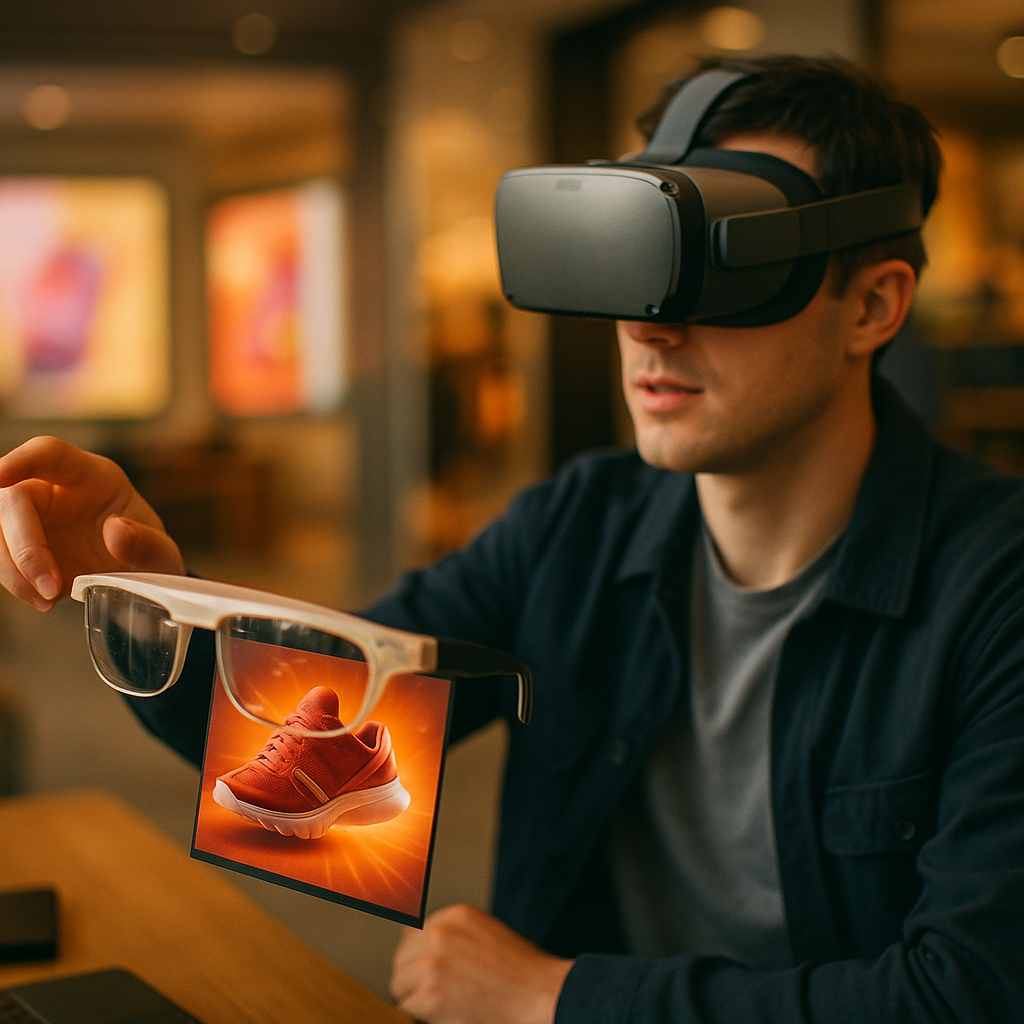
These are non-intrusive objects integrated into the VR environment. For example, in a VR racing game, the billboards on the side of the track display real-time ads served via programmatic platforms. However, the 2026 standard emphasizes interaction; a user might be able to reach out and "grab" a virtual soda can from a vending machine, which then triggers a coupon sent to their physical-world mobile device.
2. Experiential Branded Spaces
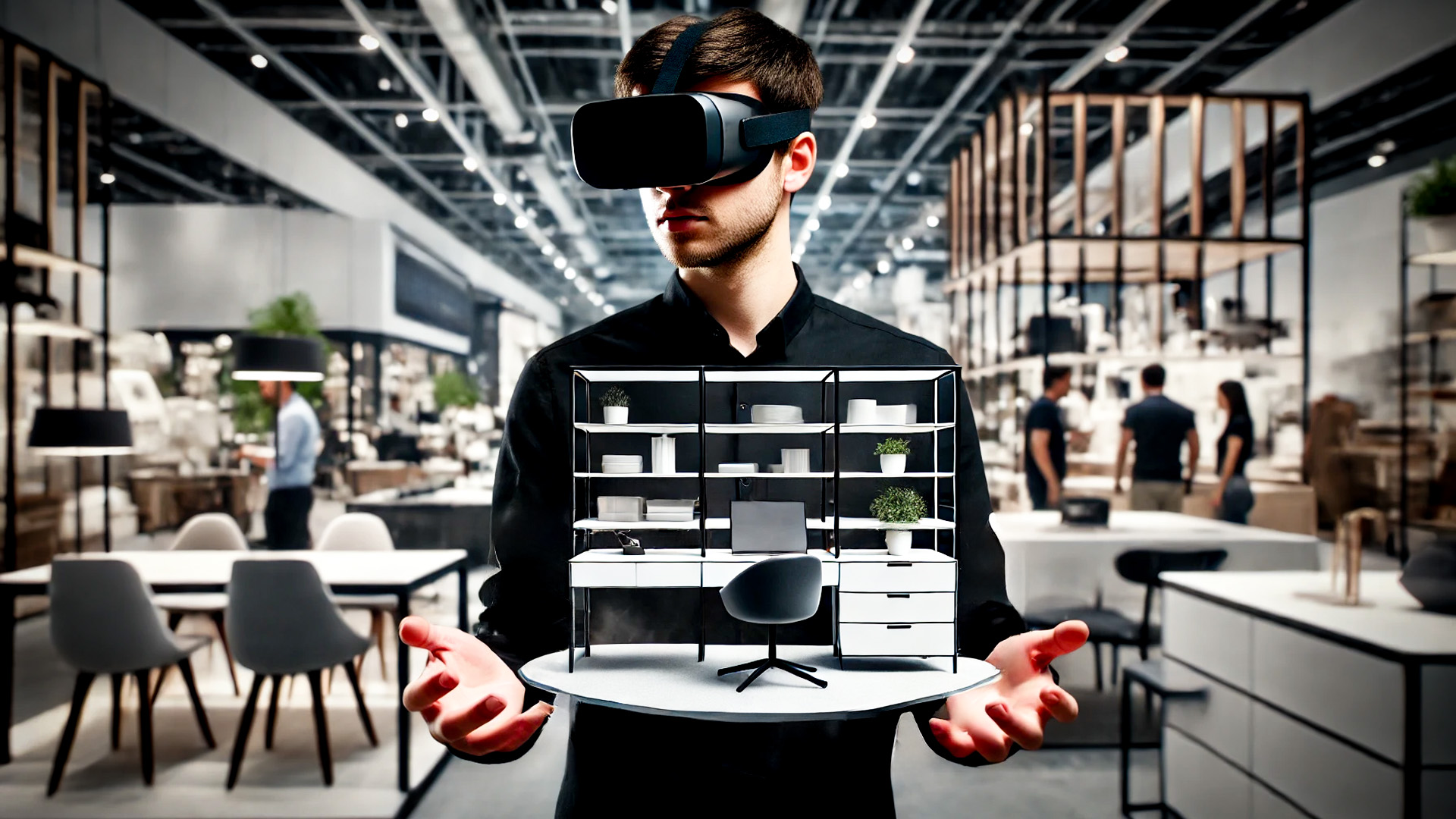
Rather than a single ad, brands now build entire "pocket dimensions" or rooms. A furniture retailer might offer a high-fidelity showroom where users can manipulate lighting and textures on virtual sofas. These spaces are often reached via "portals"—visual gateways within social hubs that transport the user to a dedicated brand experience.
3. Rewarded Spatial Interactions
Borrowing from mobile gaming, VR experiences often use rewarded ads to unlock premium content. In 2026, this is refined through "mini-games" or interactive tutorials. A user might watch a 30-second immersive trailer for a new film in a virtual theater to earn "in-experience" currency. The key difference is the scale; the user is inside the trailer, not just watching it on a screen.
Technical Infrastructure and Standards
The backbone of the advertising in virtual reality landscape relies on the OpenXR standard, which ensures that 3D assets are compatible across different hardware, from the Meta Quest series to Apple’s Vision Pro ecosystem and Sony’s PlayStation VR.
The Role of Game Engines
Most VR environments are built using Unity or Unreal Engine. For advertisers, this means that ad delivery is no longer just about pushing a JPEG or MP4 file. It involves delivering "Asset Bundles"—3D models with specific physics properties, textures, and interactive scripts. In 2026, ad tech providers offer SDKs (Software Development Kits) that allow developers to "drag and drop" ad zones into their virtual worlds, which then dynamically populate with branded 3D content.
Real-Time Rendering and Latency
A significant challenge in VR advertising is maintaining a high frame rate (typically 90Hz or 120Hz). If an ad takes too long to load or causes a stutter in the frame rate, it can cause "simulated sickness" (nausea). Therefore, the 2026 landscape uses "edge computing" to render complex 3D ads closer to the user, ensuring that commercial content does not degrade the technical performance of the host application.
Metrics, Analytics, and Gaze Tracking
Traditional metrics like Click-Through Rate (CTR) are largely obsolete in the VR advertising landscape. In their place, 2026 marketers focus on "spatial analytics" derived from hardware sensors.
- Gaze Duration: Using internal eye-tracking sensors, advertisers can see exactly what part of a 3D object a user looked at and for how long. This provides a "heat map" of visual attention in a 3D space.
- Object Manipulation: Tracking whether a user picked up a branded item, how they turned it, and whether they engaged with its interactive features.
- Volumetric Heatmaps: Visualizing where users move within a branded environment, identifying "dead zones" where users lose interest.
- Biometric Response: In strictly regulated scenarios, aggregated and anonymized data on pupil dilation or heart rate (from integrated fitness trackers) can indicate emotional arousal or stress, though this remains a point of intense legal debate.
Comparison of VR Advertising Formats
| Format | User Impact | Tech Complexity | Best For | KPI Focus |
|---|---|---|---|---|
| Dynamic Billboards | Low / Passive | Low | Brand Awareness | Gaze Duration |
| Interactive Assets | Medium / Active | High | Product Consideration | Interaction Count |
| Portal/Showroom | High / Immersive | Very High | Deep Engagement | Dwell Time |
| Avatar Gear | Long-term / Social | Medium | Brand Loyalty | Usage Frequency |
Privacy, Ethics, and Regulatory Compliance
By 2026, the collection of biometric data in VR has led to stringent regulations. The "Virtual Privacy Act" (and similar updates to GDPR/CCPA) requires explicit opt-in for gaze tracking and movement analysis.
Advertisers must navigate the "Uncanny Valley" of data—knowing enough about the user to provide a relevant experience without making them feel surveilled in their private virtual home. The industry has largely adopted a "Privacy by Design" approach where biometric data is processed on-device, and only anonymized engagement signals are sent to the ad server.
Another ethical consideration is "Spatial Intrusion." Unlike a browser where you can close a tab, an intrusive VR ad can feel physically threatening or claustrophobic. Standards in 2026 prohibit "forced-perspective" ads that lock a user's view or prevent them from teleporting away from a commercial zone.
Implementation Steps for Brands
For organizations looking to enter the advertising in virtual reality landscape, the following steps are essential for a successful launch:
- Identify the Virtual Touchpoint: Determine if your audience is in social VR, gaming, or productivity apps.
- Develop 3D Assets: Create high-quality, low-polygon 3D models of products. These should be optimized for mobile VR chipsets to ensure smooth performance.
- Choose a Programmatic Partner: Work with VR-specific ad exchanges that support spatial formats and provide gaze-tracking analytics.
- Define Spatial KPIs: Move beyond "impressions" to "meaningful interactions." Set benchmarks for how long a user should spend with an object.
- Test for Comfort: Conduct user testing to ensure the ad placement does not cause motion sickness or visual fatigue.
Frequently Asked Questions
Does gaze tracking in VR ads violate privacy?
In 2026, gaze tracking is strictly regulated. While the hardware is capable of tracking exactly where a user looks, data privacy laws require that this information be anonymized and aggregated. Individual "eye-prints" cannot be stored or sold. Most platforms allow users to opt-out of gaze-based ad optimization entirely through system-level settings.
How much does it cost to advertise in virtual reality?
The cost varies significantly by format. Dynamic billboards in popular VR games may have a CPM (Cost Per Mille) ranging from $15 to $35, which is higher than traditional video but offers significantly higher recall. Custom experiential showrooms or "branded worlds" are typically billed as flat-fee production costs plus a hosting/traffic fee, often starting at $50,000 for a high-fidelity experience.
Can users block ads in VR?
Yes, the 2026 landscape includes "Spatial Ad-Blockers." These are often third-party tools or platform-level features that replace recognized ad zones with neutral textures (like a generic brick wall or a landscape). This has forced advertisers to make their content more valuable and less "ad-like" to discourage users from blocking it.
What is the most effective way to measure ROI in VR?
The most effective measure of ROI is "Post-Experience Intent." Because VR creates a strong "muscle memory" of an interaction, users who engage with a product in VR are 40% more likely to recognize it on a physical shelf. Linking VR accounts to retail loyalty programs allows brands to track "VR-to-Store" conversion rates accurately.
Are VR ads only for gaming?
No. While gaming was the early adopter, the 2026 landscape sees significant ad spend in "Meta-Work" environments and virtual travel apps. For example, a virtual meeting platform might feature "sponsored snacks" or branded productivity tools, while a travel app might feature immersive previews of hotels and airlines.
Future Outlook and Recommendations
As we move deeper into 2026, the advertising in virtual reality landscape is moving toward "contextual AI." AI agents within virtual worlds will soon be able to recognize when a user is looking for a specific item or service and offer a branded solution in real-time.
For brands, the recommendation is clear: prioritize utility and entertainment over frequency. In a medium defined by presence, the goal is not to be the loudest voice in the room, but the most useful or interesting object in the environment. Start small with native 3D placements and expand into experiential spaces as your understanding of spatial user behavior matures.
Image Gallery