Is Incapsula Worth Using for DDoS Protection?
Imperva Incapsula—now integrated into the broader Imperva Cloud Application Security platform—remains a premier solution for organizations seeking robust distributed denial-of-service (DDoS) mitigation. Choosing whether it is "worth us...
Imperva Incapsula—now integrated into the broader Imperva Cloud Application Security platform—remains a premier solution for organizations seeking robust distributed denial-of-service (DDoS) mitigation. Choosing whether it is "worth using" depends on your organization’s risk profile, traffic volume, and technical requirements. For businesses where uptime is synonymous with revenue, the platform provides enterprise-grade protection, global scalability, and a proven track record in mitigating complex, multi-vector volumetric attacks.
Contents
Understanding the Evolution of Incapsula
It is essential to clarify the naming and brand positioning for potential users. Incapsula was originally a standalone product line under the Imperva brand. In recent years, Imperva has consolidated its product offerings, and while many long-term customers still refer to the service as Incapsula, it is officially marketed as part of the Imperva Cloud Application Security suite.
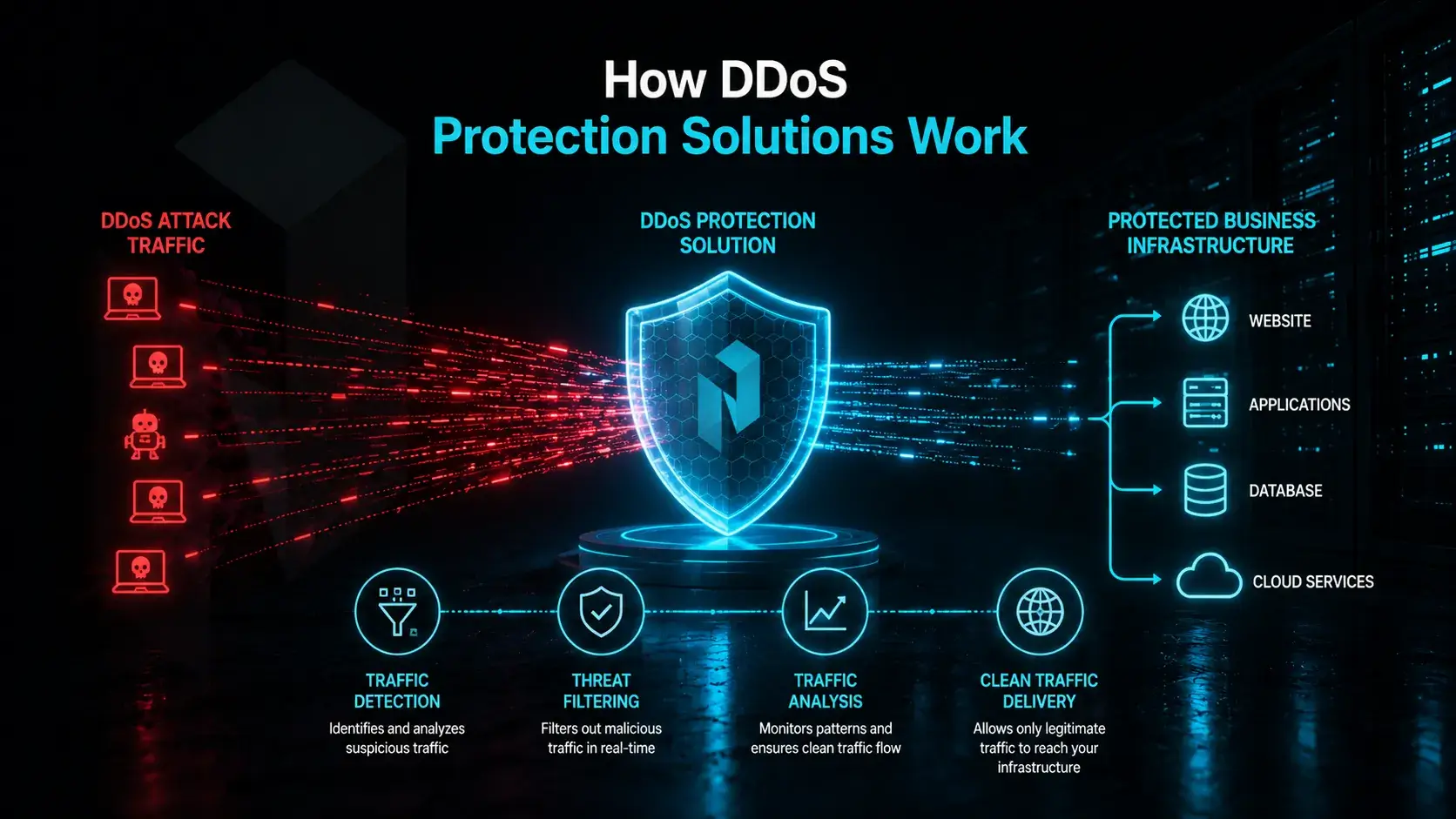
The core technology behind this service is a global content delivery network (CDN) combined with a high-capacity DDoS mitigation fabric. When you invest in this solution, you are essentially offloading the burden of traffic filtering to a distributed network of scrubbing centers. These centers sit between the public internet and your origin servers, inspecting incoming packets for malicious patterns before they ever reach your infrastructure.
Assessing DDoS Protection Capabilities
The primary value proposition of this service is its ability to handle both volumetric and application-layer (Layer 7) attacks.
Volumetric Mitigation
Volumetric attacks aim to overwhelm your network bandwidth with sheer traffic volume. Imperva’s infrastructure operates on a massive global capacity, often measured in hundreds of terabits per second. By routing traffic through their scrubbing centers, the service absorbs massive floods—such as UDP amplification or SYN floods—effectively shielding your origin server from congestion.
Application-Layer (L7) Defense
Unlike simple firewalls that look at IP addresses, the platform uses behavioral analysis to distinguish between human visitors, legitimate bots (like search engine crawlers), and malicious automated traffic. This is critical for modern web applications where attackers mimic real user behavior to perform credential stuffing or resource exhaustion attacks. The system assigns a reputation score to incoming requests, allowing for granular blocking that minimizes false positives.
Comparison of Key Protection Tiers
When deciding if the investment is justified, you must look at how the service tiers align with your organizational needs. The platform generally segments its services into tiers based on the depth of inspection and the level of managed support required.
| Feature Category | Basic/Standard Protection | Advanced/Enterprise Protection |
|---|---|---|
| Mitigation Speed | Near-instant automated response | Real-time + SOC analyst intervention |
| L7/WAF Depth | Automated signature matching | Custom rule creation & behavior analytics |
| Global Capacity | Standard scrubbing centers | Full global edge network utilization |
| Support SLA | Standard email/portal support | 24/7/365 priority access to Security Operations |
Is It Worth the Cost?
Determining the "worth" of an enterprise security solution involves calculating the cost of downtime versus the cost of the subscription. For small-to-medium enterprises (SMEs) that operate simple static websites, the cost of an enterprise-grade DDoS solution may be difficult to justify compared to cheaper, entry-level CDN alternatives.
However, for organizations in sectors such as e-commerce, fintech, or SaaS, the calculus changes significantly:
- Revenue Preservation: If one hour of downtime costs thousands of dollars in lost transactions or breached service-level agreements (SLAs), the subscription fee becomes a minor insurance premium.
- Operational Efficiency: Relying on an automated, managed service removes the need for your internal IT staff to manually fight off attacks, allowing them to focus on product development.
- Compliance: Many regulatory frameworks, such as PCI-DSS, require organizations to maintain specific security postures regarding network availability and protection. Using a recognized, robust provider can simplify the audit process.
Common Implementation Challenges
While highly effective, the service requires careful configuration. Potential users should be aware of the following:
- Origin Hiding: If your origin server’s IP address is leaked, an attacker can bypass the DDoS protection by targeting the server directly. You must ensure that your firewall is configured to accept traffic only from the provider’s IP ranges.
- Configuration Complexity: Fine-tuning the Web Application Firewall (WAF) to avoid blocking legitimate users requires an understanding of your own traffic patterns. Misconfiguration can lead to "false positives" where real customers are treated as threats.
- Latency Considerations: Adding a scrubbing layer introduces a slight delay (latency) in request processing. While the global network is highly optimized, applications extremely sensitive to millisecond delays need careful testing during the proof-of-concept phase.
Frequently Asked Questions
Can I use the service if I am already using another CDN?
Yes, it is possible to use the service alongside other CDNs, but this increases architectural complexity. Most users prefer to consolidate their CDN and DDoS protection within the same provider to minimize latency and simplify the management of security policies.
How does the service differentiate between a surge in real traffic and a DDoS attack?
The platform utilizes baseline traffic modeling. It learns the "normal" behavior of your application over time. When traffic patterns deviate—such as a sudden spike in requests from unusual geographies or specific User-Agent strings—it triggers defensive measures. This behavior-based approach is far more accurate than simple threshold-based blocking.
Does the service provide protection against all types of attacks?
No security service is absolute. While it is highly effective against volumetric and L7 attacks, it is not a replacement for good application security practices. You must still patch your software for vulnerabilities, use strong authentication, and manage your server-side configurations.
Is the setup process disruptive to my current traffic?
The transition to the service usually involves a DNS change (pointing your A or CNAME records to the provider). While this process is generally seamless, it requires TTL (Time-to-Live) management and propagation time, which should be planned for during off-peak hours.
What happens if the provider's own network is targeted?
Imperva operates a massive, globally distributed Anycast network. This means that an attack is typically distributed across multiple points of presence (PoPs) globally, preventing any single point from being overwhelmed. The network's architectural design is built specifically to handle massive scale.
Final Recommendation
Imperva’s DDoS protection is widely considered "worth using" for organizations that have outgrown basic shared hosting security or entry-level cloud firewalls. If your business depends on continuous, uninterrupted access to an application, the maturity of their mitigation technology provides a level of insurance that is difficult to replicate in-house.
Before committing to a long-term contract, perform an audit of your current traffic profile. Identify whether you are primarily concerned with massive volumetric floods or sophisticated bot-driven application attacks. Use the vendor's consultation phase to test how their rulesets interact with your specific traffic, and ensure your team is trained to manage the WAF policies effectively. For high-stakes digital environments, the peace of mind provided by their global infrastructure is generally considered a sound investment for the 2026 threat landscape.
Image Gallery