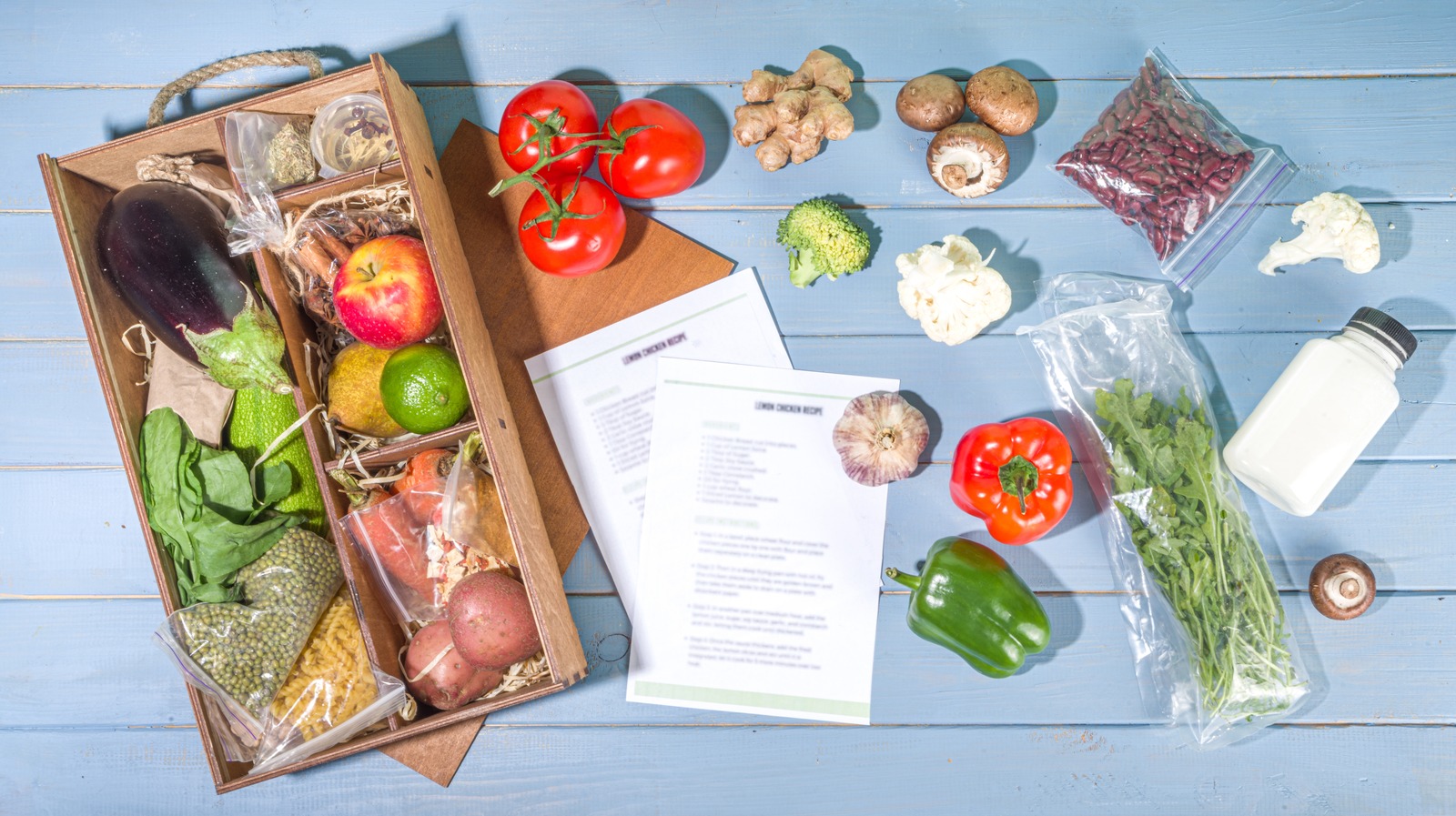
Why Delivered Meal Kits Matter for Sustainable Living
Delivered meal kits contribute to sustainable living by optimizing supply chain efficiency, reducing household food waste through pre-portioned ingredients, and lowering the carbon footprint associated with traditional grocery shopping...
Delivered meal kits contribute to sustainable living by optimizing supply chain efficiency, reducing household food waste through pre-portioned ingredients, and lowering the carbon footprint associated with traditional grocery shopping. By streamlining the path from farm to kitchen, these services offer a data-driven approach to personal consumption that mitigates the environmental impact of modern dietary habits.
Contents
The Intersection of Convenience and Environmental Impact
The modern food system is characterized by complex supply chains that often result in significant inefficiencies. In a traditional retail grocery model, food travels through multiple intermediaries, sitting in regional distribution centers and supermarket shelves, which contributes to spoilage and high energy consumption for temperature-controlled storage.
Delivered meal kits operate on a direct-to-consumer model. By utilizing predictive analytics, these companies purchase ingredients based on confirmed subscription counts rather than speculative market demand. This precision reduces the surplus inventory that typically leads to waste at the retail level. For the consumer, the primary sustainability benefit lies in the elimination of "food surplus at home." Because meal kits provide exactly the amount of spices, proteins, and produce required for a specific recipe, the common issue of unused ingredients—which frequently perish in crisper drawers—is significantly minimized.
Reducing Household Food Waste: The Measurement Advantage
Food waste is a critical component of the global climate challenge. According to reports from the Environmental Protection Agency (EPA), a substantial portion of residential waste consists of organic material that ends up in landfills, where it decomposes anaerobically and produces methane, a potent greenhouse gas.
Meal kits address this by fundamentally changing how food is portioned:
- Precision Sourcing: Suppliers provide exactly what is needed for a single serving. There is no need to buy a large bunch of cilantro when a recipe only requires a tablespoon.
- Inventory Control: Because the delivery is scheduled, consumers are prompted to prepare the meals within a specific window, reducing the likelihood of items being forgotten in the back of the refrigerator.
- Waste Tracking: Many meal kit companies now provide data to their users regarding the carbon savings associated with their specific orders, allowing consumers to quantify their environmental impact more accurately than they could through traditional grocery shopping.
Supply Chain Efficiency and Transportation
A frequent point of debate regarding meal kit sustainability is the packaging and shipping logistics. While the cardboard boxes, insulating liners, and gel packs do represent an environmental cost, research suggests that the consolidated nature of these shipments is often more efficient than individual trips to the supermarket.
The "last mile" of delivery—the segment of transport from a distribution hub to a consumer’s home—is a critical area for optimization. By clustering deliveries in specific neighborhoods, delivery services can often achieve a lower carbon footprint per meal compared to individual car trips to a grocery store, especially when that trip involves idling in traffic or driving long distances in low-fuel-efficiency vehicles. Furthermore, the industry is increasingly adopting recyclable and compostable packaging materials as of 2026, shifting away from single-use plastics to mitigate the downstream impact of their shipping supplies.
Comparing Traditional Shopping to Meal Kit Models
To understand the sustainability value, it is helpful to compare the resource inputs of traditional food procurement versus subscription services.
| Feature | Traditional Grocery Shopping | Delivered Meal Kits |
|---|---|---|
| Inventory Planning | Often leads to over-buying | Demand-based sourcing |
| Transport | Multiple trips/Individual vehicles | Optimized delivery routes |
| Food Spoilage | High (retail and household) | Low (pre-portioned) |
| Packaging Waste | Variable (bulk/loose) | Standardized (recyclable/compostable) |
| Sourcing | Diverse but opaque | Typically farm-to-door direct |
Prerequisites for Sustainable Meal Kit Usage
To truly maximize the sustainability of a meal kit subscription, consumers must adopt specific habits. Simply subscribing is not a panacea; the environmental benefits depend heavily on user behavior.
- Responsible Disposal: Most kit packaging, including the cardboard boxes and specific plastic films, is recyclable. Consumers must verify local municipal recycling guidelines to ensure materials are processed correctly.
- Energy Efficiency in Cooking: Sustainable living extends to the kitchen. Utilizing energy-efficient appliances—such as induction cooktops or convection ovens—when preparing kits reduces the total carbon footprint of the meal.
- Frequency Management: It is important to adjust the subscription frequency to match actual consumption. Pausing deliveries during travel or periods of low home activity prevents food from sitting unused in the box upon arrival.
- Sourcing Transparency: Prioritize providers that publish annual sustainability reports detailing their carbon offset programs and sourcing policies regarding water usage and regenerative agriculture.
Common Mistakes and How to Avoid Them
The most common error consumers make is failing to manage the packaging waste effectively. Simply throwing insulated liners and gel packs into the trash negates many of the gains made by reducing food waste. Most companies now provide instructions on how to drain gel packs (which are often sewer-safe) and recycle the plastic pouch.
Another mistake is ordering more meals than can be realistically consumed within the recommended timeframe. If you find yourself consistently having leftover ingredients, consider switching to a plan with fewer servings or fewer weekly meals. Sustainability is rooted in moderation; over-consuming simply because a kit has been delivered is a counterproductive behavior.
Frequently Asked Questions
Are meal kits actually better for the environment than local farmers' markets? Farmers' markets are excellent for local food security, but they often lack the inventory-management precision of meal kits. While the carbon cost of transporting produce from a local farm is low, the waste generated at home from bulk buying can be higher. Meal kits offer a more controlled consumption model, while farmers' markets offer better support for local biodiversity and regional agriculture.
What happens to the food that is not ordered? Top-tier meal kit companies utilize sophisticated demand-planning algorithms. Because they only order what they need from suppliers, their "shrinkage" or food loss rate is significantly lower than that of a standard supermarket, which must keep shelves stocked regardless of actual daily demand.
How do I know if my meal kit provider is truly sustainable? Look for certifications such as B-Corp status or public commitments to carbon neutrality. Check if the company provides detailed ingredient sourcing information or if they have audited their supply chain for environmental impact.
Do meal kits reduce the carbon footprint of meat consumption? Many meal kits offer plant-forward menu options. By selecting vegetarian or vegan meal plans, subscribers can drastically lower the water and land usage associated with their dietary habits, as livestock production is a major contributor to greenhouse gas emissions.
Is the packaging really recyclable? As of 2026, most major providers have transitioned to curbside-recyclable cardboard and water-soluble or drain-safe gel packs. However, some plastic films and thermal liners still require specialized drop-off locations. Always check the labels provided in your specific shipment.
Final Action Plan
To begin integrating meal kits into a sustainable lifestyle, start by auditing your current food waste. If you find you are discarding significant amounts of fresh produce weekly, a meal kit could serve as a high-impact intervention.
Select a provider that offers transparent information regarding their packaging and supply chain. Once subscribed, treat the packaging as a resource to be recovered rather than waste to be discarded. Finally, pair your meal kit usage with energy-conscious cooking habits and local recycling compliance to complete the cycle of sustainable consumption.
Image Gallery