Understanding the Arid and Hot Climate of Egypt
The climate in Egypt is characterized primarily as arid and hot, defined by distinct seasonal temperature variations and minimal precipitation across most of the country. With the exception of a narrow coastal strip along the Mediterra...
The climate in Egypt is characterized primarily as arid and hot, defined by distinct seasonal temperature variations and minimal precipitation across most of the country. With the exception of a narrow coastal strip along the Mediterranean, Egypt experiences dry, desert-like conditions throughout the year, driven by its geographic positioning within the subtropical high-pressure belt.
Contents
Geographical Influences on Egypt’s Climate
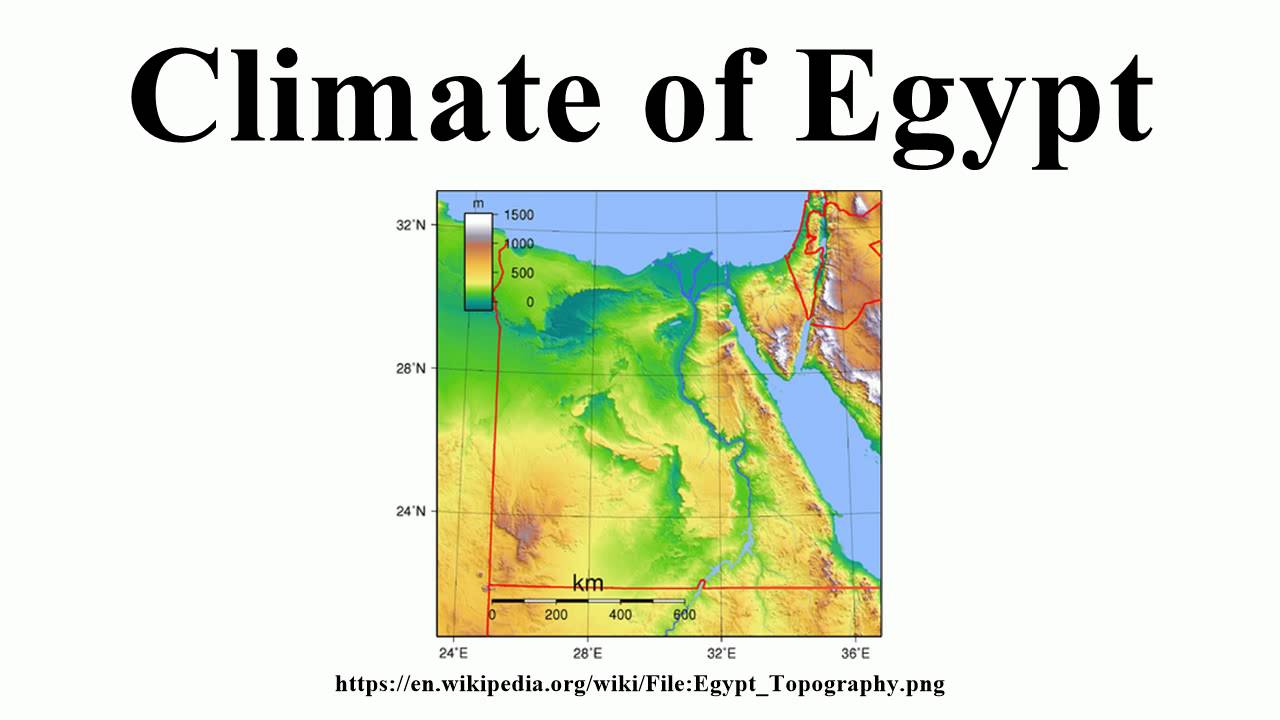
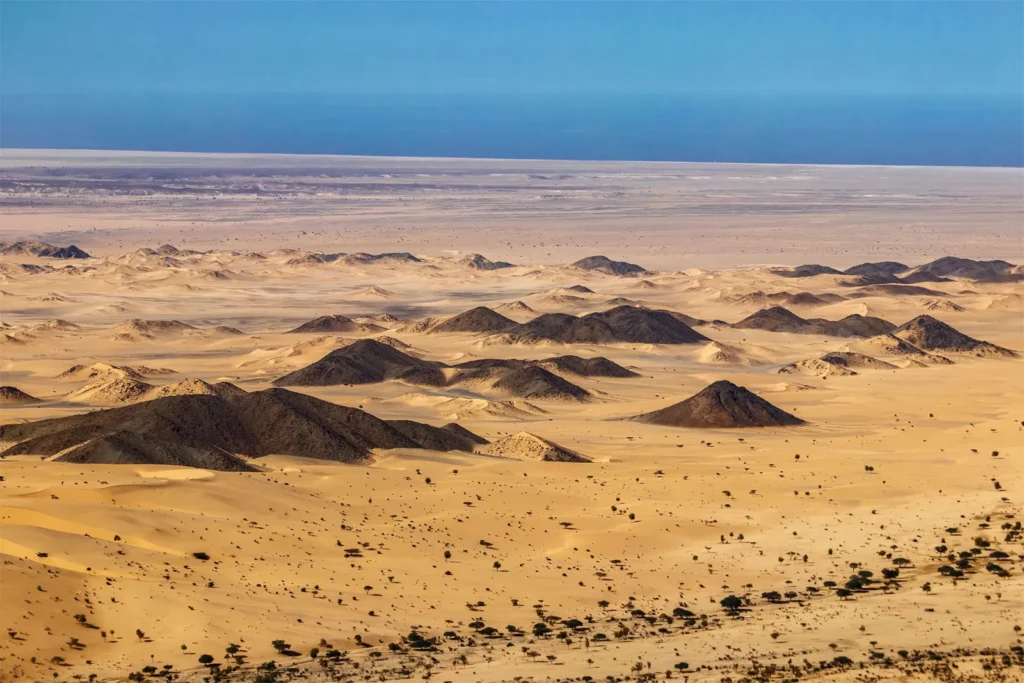
Egypt’s climate is the direct result of its location within the Great Sahara desert system. The vast majority of the nation’s landmass consists of arid, sandy plains, plateaus, and mountains. Because the country lacks significant surface water, with the notable exception of the Nile River valley and delta, the sun heats the barren earth rapidly. This lack of vegetation and moisture prevents the formation of a moderating climate buffer, leading to extreme diurnal temperature swings where days can be scorching while nights may cool down significantly.
The country is broadly divided into two climatic zones: the Mediterranean region and the arid desert region. The Mediterranean strip, which includes cities like Alexandria, experiences a semi-arid, temperate climate with moderate rainfall occurring primarily in the winter months. Conversely, the interior, including Cairo, Luxor, and Aswan, falls firmly into the hyper-arid category. In these southern and central regions, the air is consistently dry, and humidity levels remain low for most of the year.
Seasonal Temperature Profiles
The seasonal cycle in Egypt is typically categorized into two primary periods: a hot season and a cool season.
The Hot Season (May through October): During these months, the sun is nearly vertical, and the country experiences intense heat. In the southern regions, particularly around Aswan and the border with Sudan, daytime temperatures frequently exceed 40°C (104°F). The heat is dry, which makes it physiologically distinct from tropical climates where high humidity compounds the stress of heat. While the lack of humidity allows for a slightly faster evaporation of sweat, the sheer intensity of the sun necessitates strict hydration and heat management protocols.
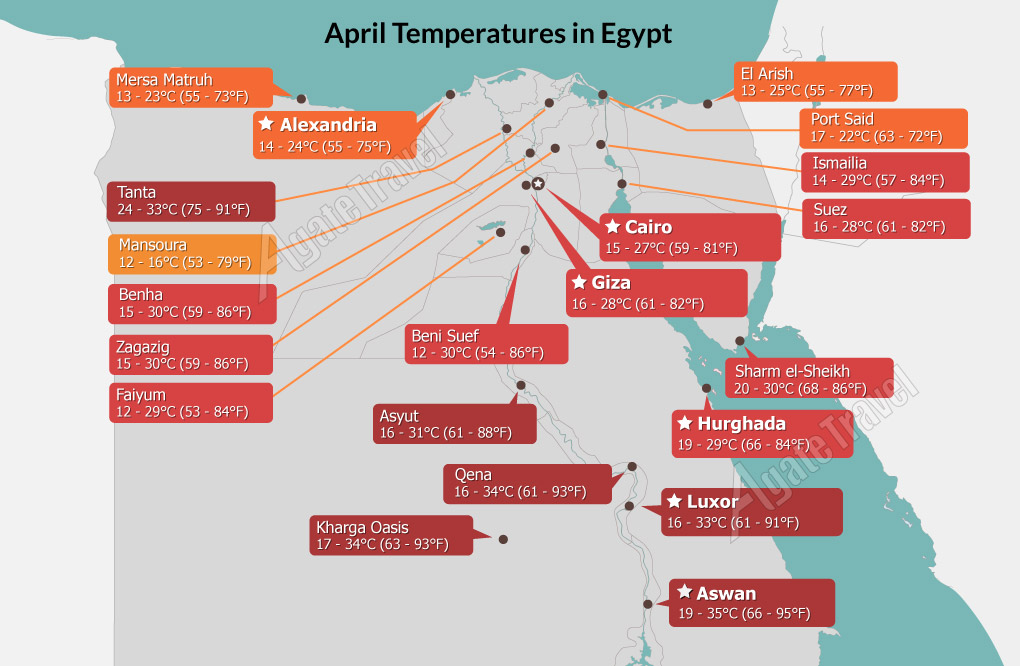
The Cool Season (November through April): This period is considered the most comfortable for residents and travelers. Daytime temperatures usually range between 18°C and 25°C (64°F–77°F). However, the "cool" designation is relative. While the daytime is pleasant, desert regions experience significant radiation loss at night, causing temperatures to drop sharply. In some desert locales, nighttime temperatures can occasionally dip toward 5°C (41°F) or lower, necessitating layered clothing.
Precipitation and Humidity Constraints
Rainfall in Egypt is statistically insignificant for the majority of the population. Most of the country receives less than 50 millimeters of rain annually. In the central and southern desert regions, it is not uncommon for several years to pass between measurable rainfall events.
The exceptions to this rule occur in the northernmost reaches of the Nile Delta and along the Mediterranean coast. In these areas, moist air masses from the sea provide enough precipitation—typically between 100 and 200 millimeters per year—to support agriculture and human settlement. Humidity levels remain the primary differentiator in comfort; while coastal humidity can be high during the summer, the interior remains arid, leading to dry air that can affect skin and respiratory comfort.
Meteorological Phenomena: The Khamsin
A defining, though intermittent, feature of the Egyptian climate is the Khamsin. This is a hot, dry, and dust-laden wind that originates in the desert and blows across Egypt during the spring, usually between March and May. The term "Khamsin" refers to the Arabic word for "fifty," as these winds were traditionally thought to blow for a fifty-day period.
The Khamsin can raise temperatures by as much as 20°C in a matter of hours. The winds are strong enough to carry fine sand and dust, which can reduce visibility to near zero and pose challenges for transport, infrastructure, and human health. Residents and travelers are advised to monitor weather alerts during the spring months, as these events can cause temporary respiratory irritation and logistical delays.
Climatic Impact on Daily Operations
The arid nature of Egypt’s environment dictates many aspects of daily life, architecture, and resource management.
| Feature | Arid/Desert Zone | Mediterranean Zone |
|---|---|---|
| Summer Temps | 35°C–45°C | 25°C–32°C |
| Winter Temps | 8°C–22°C | 10°C–18°C |
| Rainfall | Extremely low/sporadic | Moderate (Winter-focused) |
| Humidity | Very Low | Moderate to High |
Understanding these zones is critical for anyone planning agriculture, engineering projects, or long-term travel. For example, irrigation systems must be highly efficient to account for high evaporation rates in the southern regions. Similarly, building materials in the interior are often chosen for their thermal mass to keep interiors cool during the day and warm during the chilly desert nights.
Health and Safety in an Arid Environment
The combination of high heat and low humidity requires specific health precautions. Dehydration is the primary risk, often occurring without the noticeable sensation of "sticky" sweat that accompanies humid-heat exhaustion.
- Hydration Strategy: Drink water consistently throughout the day, regardless of thirst levels.
- Sun Protection: The UV index in Egypt remains high throughout the year. Broad-spectrum SPF, lightweight long-sleeved clothing, and wide-brimmed hats are essential during peak daylight hours (11:00 AM – 3:00 PM).
- Heat Acclimatization: Individuals arriving from cooler climates should allow at least 3–5 days for their bodies to adjust to the intensity of the Egyptian sun before engaging in strenuous outdoor activities.
- Dust Management: During sandstorm events or high-wind days, keep windows sealed and use air filtration where possible to prevent the inhalation of fine particulates.
Managing Seasonal Variability
If planning a visit or moving to Egypt in 2026, the timing of your activities is the most important factor in managing the climate. The period from November to March offers the most moderate temperatures, making it ideal for visiting historical sites or outdoor exploration. By contrast, the summer months (June, July, August) are generally restricted to early morning or late evening activities for those working or touring outdoors.
It is also important to note that urban heat island effects in cities like Cairo can make the ambient temperature in city centers feel several degrees warmer than the surrounding desert. When choosing accommodation, verify that the facility has modern climate control systems, as electricity demand spikes during the summer, and ensuring consistent cooling is a priority.
Frequently Asked Questions
Is the climate in Egypt humid or dry? The climate is predominantly dry (arid). Humidity levels are only significant along the Mediterranean coast. In the rest of the country, the lack of moisture in the air is a constant, which contributes to the rapid cooling of the desert at night.
Does it ever snow in Egypt? Snow is an extremely rare occurrence in Egypt. It has been recorded in the high-altitude areas of the Sinai Peninsula, particularly around Mount Catherine, during the coldest winter months. It is virtually unheard of in the Nile Valley or the major cities.
What is the best time of year to visit Egypt to avoid extreme heat? The best months to visit to avoid the extreme heat are between November and March. During this time, the country experiences mild, sunny days and cool, refreshing nights, making it perfect for tourism and outdoor activities.
How do residents manage the heat during the summer months? Residents typically adapt their schedules to avoid midday exposure. Businesses and social activities often shift toward the evening hours. Modern architecture also utilizes thick walls and reflective surfaces to minimize heat absorption, and air conditioning is standard in most urban centers.
Does the climate change significantly from the north to the south? Yes, there is a distinct gradient. The north (Mediterranean) is cooler and receives more rain, while the south (Luxor/Aswan) is significantly hotter and experiences almost no rainfall. As you move south, the desert becomes increasingly hyper-arid.
Final Recommendations
To best handle the arid and hot climate of Egypt, prioritize the scheduling of your most demanding outdoor tasks during the early morning hours. Regardless of the season, maintaining an adequate supply of water is non-negotiable. If you are preparing for a long-term stay, invest in high-quality UV-protective gear and ensure that your living or working environment is equipped with reliable cooling infrastructure to mitigate the physiological stress of the desert sun.
Image Gallery