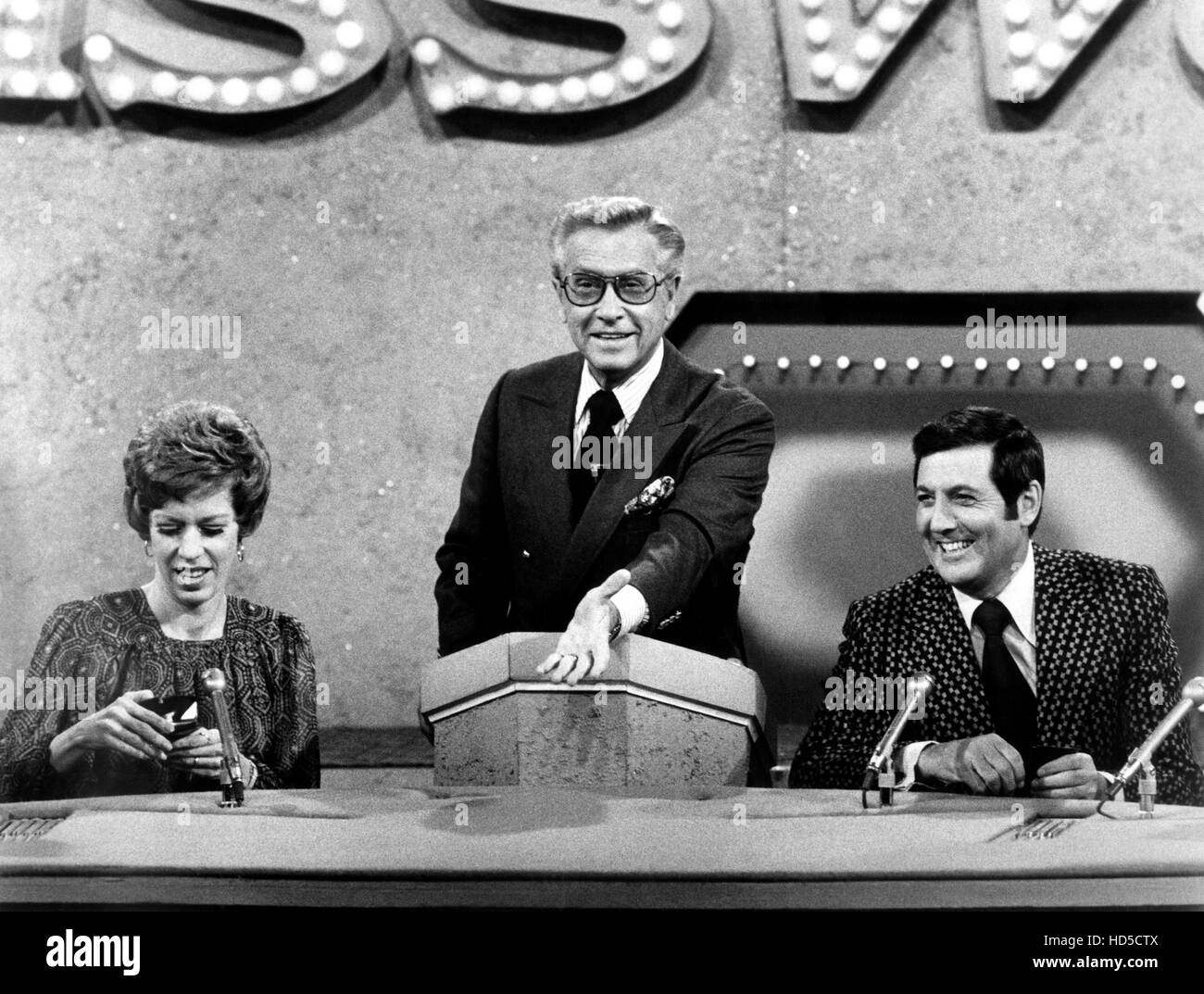
Allen Ludden Actor Net Worth Overview: A Legacy in American Broadcasting
Allen Ludden was a prolific American television personality, actor, and game show host best known for his long-running tenure as the host of the popular game show Password. While his career spanned several decades of mid-20th-century m...
Allen Ludden was a prolific American television personality, actor, and game show host best known for his long-running tenure as the host of the popular game show Password. While his career spanned several decades of mid-20th-century media, estimates of his net worth at the time of his passing in 1981 are rooted in his high-profile career, successful broadcasting contracts, and his marriage to iconic actress Betty White.
Contents
The Career Trajectory of Allen Ludden
Born in 1917, Allen Ludden’s professional journey began far from the bright lights of Hollywood. He initially earned a degree in English and speech from the University of Texas at Austin, which laid the foundation for his articulate communication style. Before gaining national fame as a television personality, Ludden spent significant time in radio and served in the United States Army during World War II, where he was assigned to the American Forces Network. This background in disciplined broadcasting proved instrumental when he transitioned into civilian media.
Ludden’s rise to prominence began in the 1950s with the children’s program The General Electric College Bowl, but his career truly crystallized when he became the face of the word-guessing game show Password in 1961. This role established him as a household name in American living rooms for two decades. As one of the most recognizable hosts of the era, his earnings were derived from a combination of standard television hosting contracts, frequent guest appearances on talk shows, and the residuals generated by the immense popularity of Password and its various spinoffs, including Password Plus.
Understanding the Financial Context of the Era
To contextualize the net worth of a television professional in the 1960s and 1970s, one must consider the structure of entertainment industry compensation during that period. Unlike modern talent who often hold equity stakes in production companies or profit-sharing agreements, performers of Ludden’s generation primarily operated on high-tier salaries and performance bonuses.
The industry did not document public net worths in the 1980s with the level of scrutiny applied to modern celebrities. Consequently, figures cited in modern media regarding his estate are estimates based on his sustained peak-earning years. As a host of a premier network game show, Ludden was among the top earners in the television industry, yet he was not an industrial mogul. His wealth was the product of steady, high-level employment rather than venture capital or diversified corporate holdings.
The Intersection of Personal and Professional Assets
A significant component of the interest in Allen Ludden’s financial legacy stems from his marriage to Betty White in 1963. The couple was a formidable power duo in the entertainment industry. Their combined income during the 1960s and 1970s placed them in the upper echelon of Hollywood households.
When analyzing the financial landscape of the Ludden-White estate, it is essential to distinguish between assets earned through individual projects and the joint assets acquired during their 18-year marriage. In the United States, estate law and community property concepts—which vary by state—would have dictated the distribution of assets upon his death in 1981. Because their careers operated concurrently and at a similarly high level of success, their household financial standing was robust, reflecting the cumulative earnings of two of television’s most enduring figures.
Comparative Financial Standing: Then and Now
The following table provides a breakdown of the sources of income and the nature of assets typical for high-profile television hosts during the mid-20th century versus modern expectations.
| Income Stream | 1960s/70s Television Host | Modern Television Talent |
|---|---|---|
| Primary Compensation | Fixed salary/contract | Salary + backend ownership |
| Residuals | Limited; union scale | Extensive; streaming/syndication |
| Brand Equity | Personal endorsements | Personal brand/media companies |
| Primary Asset Class | Real Estate & Savings | Diverse portfolios/Tech equity |
Legacy and Estate Management
Following Allen Ludden's death from stomach cancer on June 9, 1981, his estate entered probate in California. Under California law, his assets were divided according to his will and state statutes governing marital property. While the specific dollar amount of his individual estate was never publicly disclosed as a matter of public record—a common occurrence for private individuals even of high status—it was widely accepted within the industry that he left his family in a position of significant financial security.
Betty White continued to protect and grow this legacy throughout her own long career. It is worth noting that White, who passed away in 2021, frequently spoke fondly of their time together, focusing on the quality of their life rather than the quantity of their wealth. The financial health of their estate allowed for long-term stability that permitted White to maintain her philanthropic interests and career longevity without the need for constant, high-pressure work for survival.
Frequently Asked Questions
1. Was Allen Ludden’s primary source of wealth his hosting salary? Yes. For the majority of his career, his income was derived from consistent high-level contracts with networks to host Password and various other game shows. He did not operate as a producer with extensive ownership in the format in the way modern hosts often do.
2. How did his marriage to Betty White affect his net worth? Their marriage created a dual-income household where both parties were top-tier earners. This allowed for significant asset accumulation, including real estate holdings in Southern California, which appreciated substantially over the decades.
3. Are there official records of his net worth? No. In 1981, personal net worth tracking was not the public-facing industry it is in 2026. Private estate records remain confidential, and any figures circulating online are estimates based on historical salary data from the broadcasting industry.
4. Did Allen Ludden have income from sources outside of television? While television was his primary profession, Ludden was also a published author, writing a series of books for young people, including Plain Talk for Men Under 21 and Plain Talk for Women Under 21. These provided auxiliary income, though they were not the primary drivers of his financial standing compared to his hosting career.
5. How does his financial history influence estate planning for modern actors? Ludden’s life serves as an example of the importance of consistent earnings management. His career highlights how stable employment in a single, high-demand field, combined with long-term real estate investments, created a secure environment for his family, an approach still utilized by many in the entertainment sector today.
Practical Guidance for Historical Financial Research
For those interested in the financial history of entertainers from the mid-20th century, it is helpful to look at primary documents rather than speculation-based websites. If a reader is researching the legacy of a specific performer, they should focus on:
- Guild Archives: Records from the Screen Actors Guild (SAG) or the American Federation of Television and Radio Artists (AFTRA) regarding standard compensation tiers for the era.
- Property Records: Los Angeles County property records can offer insight into the assets owned by specific public figures during their lifetimes.
- Probate Filings: For figures who passed away in California, major estate distributions may sometimes be found through the Superior Court of California’s probate records if the estate was subject to public filing.
Understanding the career of Allen Ludden provides a clear picture of the professional television host in the golden age of game shows. His wealth was not built on high-risk ventures but on the sustained demand for his talent, professionalism, and presence in the American cultural landscape.
Image Gallery