Why the Dunkin' Name Change Matters: Strategic Branding in a Beverage-First Market
The transition from Dunkin' Donuts to simply Dunkin' represents a strategic pivot from a traditional bakery-focused identity to a beverage-led, on-the-go lifestyle brand. By removing the product-specific "Donuts" suffix, the company br...
The transition from Dunkin' Donuts to simply Dunkin' represents a strategic pivot from a traditional bakery-focused identity to a beverage-led, on-the-go lifestyle brand. By removing the product-specific "Donuts" suffix, the company broadened its market appeal, prioritized high-margin coffee products, and modernized its operations to compete with premium specialty coffee retailers and fast-casual competitors.
Contents
The Evolution from "Donuts" to a Beverage-Led Powerhouse
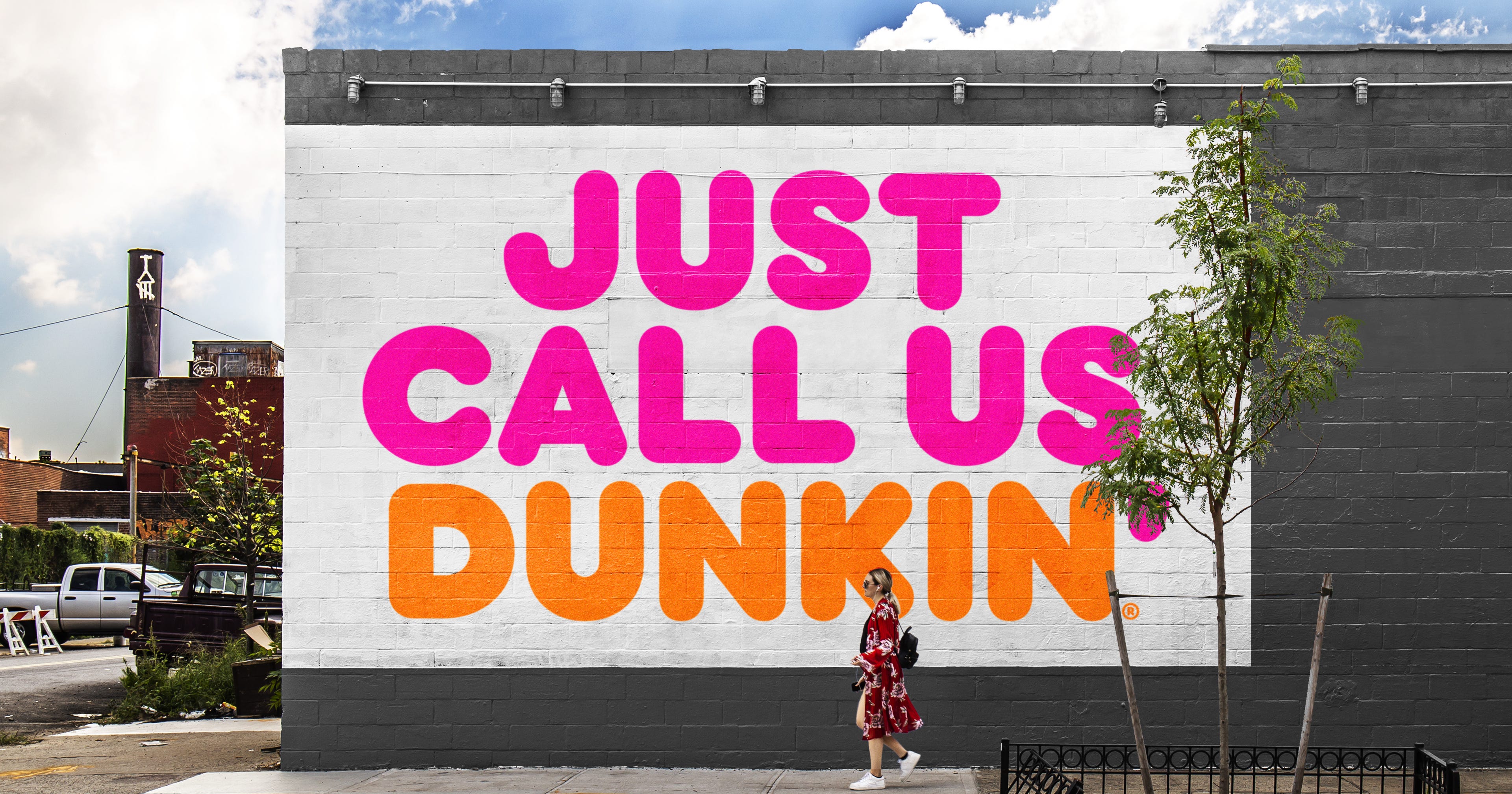
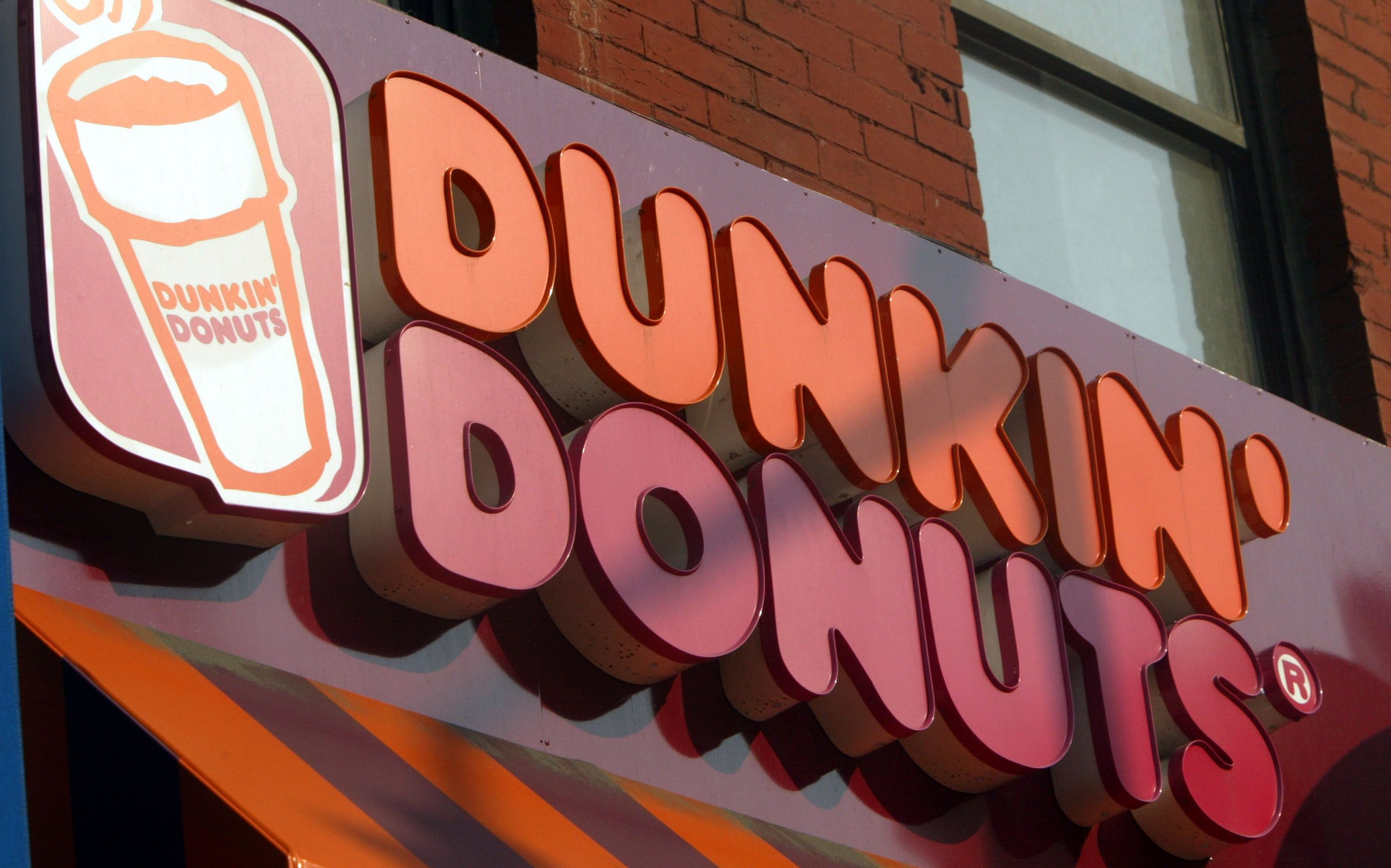
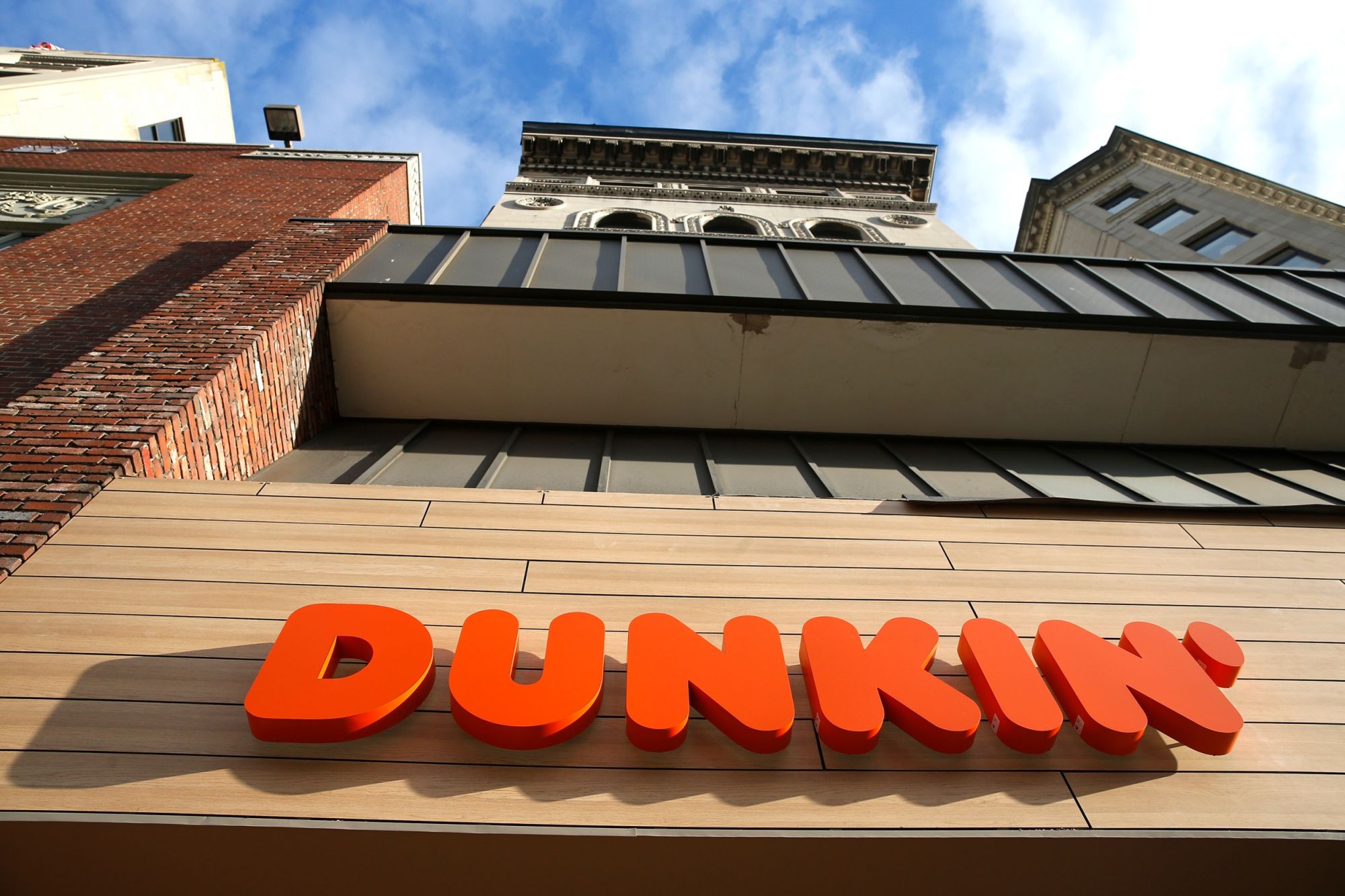
In late 2018, the branding world watched as one of America’s most iconic fast-food chains announced it would be dropping half of its name. While the change became official in January 2019, the seeds for this transformation were sown years earlier. For decades, Dunkin' Donuts was defined by its eponymous pastry. However, internal data and market trends suggested that the "Donuts" moniker had become a restrictive label rather than a descriptive asset.
By the time the rebrand was initiated, beverages—particularly coffee, espresso, and seasonal drinks—accounted for approximately 60% of the company's U.S. revenue. The name change was not an attempt to distance the brand from its heritage, but rather a realization that the brand had already evolved in the eyes of the consumer. In 2026, looking back at the nearly eight years since this shift, the move is viewed as a masterclass in brand elasticity. It allowed the company to retain its "everyman" appeal while expanding into territory previously dominated by high-end coffee houses.
The strategic "matters" because it addressed a fundamental business challenge: how to grow when your name limits your menu. If a customer is looking for a refreshing afternoon energy drink or a premium cold brew, they are statistically less likely to visit a store that defines itself as a "Donut" shop. By becoming Dunkin', the brand successfully invited consumers to visit at all hours of the day, not just during the morning breakfast rush.
Strategic Rationale: Why Drop the "Donuts"?
The decision to rebrand was driven by several convergent factors, ranging from consumer health trends to the economics of franchise operations. Understanding these drivers explains why the name change was a necessity for survival in a tightening market.
Diversification of the Product Mix
The "Donuts" label was increasingly at odds with modern dietary trends. As consumers became more health-conscious, a brand synonymous with deep-fried sugar faced long-term growth hurdles. By simplifying to Dunkin', the company gave itself the "permission" to innovate across its menu. This led to the successful introduction of high-protein breakfast sandwiches, avocado toast, and an array of plant-based options. The name change provided the marketing flexibility to highlight these items without the cognitive dissonance of the previous branding.
The Shift to "On-the-Go" Consumption
The phrase "America Runs on Dunkin’" was introduced in 2006, long before the 2019 rebrand. This slogan acted as a bridge, conditioning the public to associate the brand with speed, energy, and mobility. The official name change in 2019 was the final step in aligning the corporate identity with this established consumer behavior. In the current 2026 landscape, Dunkin' is positioned as a technology-forward brand, where mobile ordering and drive-thru efficiency are the primary pillars of the customer experience.
High-Margin Beverage Focus
From a purely financial perspective, coffee is significantly more profitable than donuts. Donuts are labor-intensive, have a short shelf life, and require specific equipment and ingredients that are sensitive to supply chain fluctuations. Coffee, especially cold brew and espresso-based drinks, offers much higher margins and lower waste. The rebrand signaled to investors and franchisees that Dunkin' was prioritizing the most profitable segment of its business.
The Impact of the Rebrand on Revenue and Market Share
The success of the name change can be measured through the brand's ability to maintain its dominant market position while expanding its footprint. The transition allowed Dunkin' to shed the "regional bakery" image and compete more effectively on a global scale.
| Metric | Dunkin' Donuts (Pre-2019) | Dunkin' (2026 Context) |
|---|---|---|
| Core Identity | Traditional Bakery & Coffee Shop | Beverage-Led On-the-Go Brand |
| Primary Revenue Driver | Shared (Donuts and Hot Coffee) | Specialty Beverages (Cold Brew, Nitro, Espresso) |
| Store Layout | Counter-service focus | "Next Gen" (Tap systems, Mobile-only lanes) |
| Consumer Perception | Morning breakfast destination | All-day energy and refreshment hub |
| Digital Integration | Basic loyalty program | Integrated AI-driven mobile ecosystem |
As shown in the comparison, the shift has moved the brand from a reactive position to a proactive one. In 2026, Dunkin' maintains a significant share of the mid-tier coffee market, acting as the primary alternative to both high-priced specialty shops and low-cost convenience store coffee. This "middle ground" is highly lucrative, catering to consumers who want quality and consistency without the "boutique" price tag or wait times.
Operational Changes and the "Next Gen" Store Design
A name change on a sign is meaningless without a corresponding change in the actual customer experience. To support the "Dunkin'" identity, the company launched its "Next Gen" store concept. These locations were specifically designed to validate the new name and the beverage-first strategy.
- The Tap System: Inspired by craft beer bars, Next Gen stores feature a row of eight taps for cold beverages, including iced coffee, iced tea, and nitro cold brew. This visual centerpiece reinforces the beverage-led identity immediately upon entry.
- Dedicated Mobile Pickup: To live up to the "on-the-go" promise, the rebrand included dedicated lanes for mobile orders. This reduces friction for the brand’s most loyal customers—members of the Dunkin' Rewards program—and emphasizes speed over the traditional "sit-and-stay" cafe model.
- Modernized Employee Uniforms and Packaging: The visual identity was updated with cleaner graphics and more vibrant colors, moving away from the nostalgic, sometimes cluttered look of the older donut shops.
These operational shifts were essential because they proved to the customer that the name change wasn't just a marketing gimmick. It was a commitment to a faster, more modern way of serving coffee and snacks.
Lessons for Modern Businesses: Why the Rebrand Worked
Many corporate rebrands fail because they lose touch with their core audience or attempt to become something they are not. Dunkin' avoided these pitfalls through a combination of timing and heritage preservation.
- Respecting the "Pink and Orange": Dunkin' kept its iconic color palette and familiar font. This ensured that even though the word "Donuts" was gone, the brand remained instantly recognizable.
- Gradual Implementation: The company tested the "Dunkin'" name in select markets for over a year before the national rollout. This allowed them to gather data on customer reactions and refine the messaging.
- Aligning Name with Reality: The most successful rebrands reflect a change that has already happened. Because customers were already going to Dunkin' primarily for coffee, the name change felt like a natural progression rather than a forced pivot.
Frequently Asked Questions
Does Dunkin' still sell donuts after the name change?
Yes, Dunkin' continues to sell donuts and remains one of the largest donut retailers in the world. The name change was intended to emphasize that the brand offers much more than just donuts, specifically focusing on its beverage lineup. In 2026, donuts remain a key part of the "snacking" menu, often bundled with beverage purchases.
Was the Dunkin' name change successful?
By most financial and branding metrics, the name change has been highly successful. It allowed the brand to modernize its image, increase its average check size through premium beverage sales, and successfully launch "Next Gen" stores that prioritize speed and digital integration. It helped the brand remain relevant during the massive shift toward mobile-app-based commerce.
Why didn't they just keep the original name?
Keeping the original name would have continued to pigeonhole the brand as a breakfast-only bakery. In a competitive landscape where brands like Starbucks, McDonald's, and even convenience stores are fighting for coffee market share, having "Donuts" in the name created a psychological barrier for consumers seeking a healthy or "premium" coffee experience.
What happened to the "America Runs on Dunkin'" slogan?
The slogan remained central to the brand identity. In fact, it became even more relevant after the name change because it focuses on the utility of the brand (energy/speed) rather than a specific food product. It perfectly complements the shortened "Dunkin'" name.
Did the name change affect the price of their coffee?
While the name change itself didn't cause price increases, it coincided with the introduction of more "premium" beverage options like Nitro Cold Brew and handcrafted espresso drinks, which carry higher price points than standard drip coffee. This allowed the brand to increase its Average Order Value (AOV) by offering a wider range of high-end products.
Practical Recommendation: Analyzing Your Own Brand Elasticity
The Dunkin' case study serves as a vital lesson for business owners and marketers regarding brand elasticity. If your current business name or identity is tied to a specific product that is no longer your primary growth driver, it may be time to evaluate a shift.
Start by auditing your revenue streams: If more than 50% of your income is coming from a service or product not reflected in your name, you are likely missing out on "top-of-mind" awareness from potential new customers. However, like Dunkin', ensure you maintain your core visual identifiers (colors, fonts, or logos) to avoid alienating your existing loyal base. A name change should never be a total "reset" but rather an "unlock" for future expansion.
Image Gallery