How to Handle Africanized Honey Bees (Killer Bees) in Utah
To handle Africanized Honey Bees (AHB) in Utah, you must prioritize immediate evacuation and professional intervention. If attacked, run in a straight line, cover your face, and seek shelter in a vehicle or building. Never attempt to r...
To handle Africanized Honey Bees (AHB) in Utah, you must prioritize immediate evacuation and professional intervention. If attacked, run in a straight line, cover your face, and seek shelter in a vehicle or building. Never attempt to remove a suspected AHB colony yourself; instead, contact a licensed pest control professional or a beekeeper certified in AHB removal through the Utah Department of Agriculture and Food.
Contents
Africanized Honey Bees, colloquially known as "killer bees," have been a documented presence in the state of Utah for nearly two decades. While their physical appearance is virtually identical to the common European Honey Bee (EHB), their defensive behavior is significantly more aggressive. For residents and visitors in the southwestern corners of the state, understanding how to coexist with these insects and how to react during an encounter is a critical safety requirement. As of 2026, monitoring programs continue to track their movement, which remains primarily concentrated in the warmer, southern regions of the state.
Understanding the AHB Presence in Utah
The Africanized Honey Bee is a hybrid species resulting from the crossbreeding of African honey bees (Apis mellifera scutellata) with various European honey bee subspecies. They first entered the United States in the 1990s and were officially detected in Utah in 2008, specifically in Washington County. Since then, they have established permanent populations in several southern counties where the climate allows for year-round survival.
Geographic Distribution
In Utah, the "killer bee" territory is geographically limited by temperature. AHBs do not cluster as effectively as European bees to survive harsh winters. Consequently, their primary habitat remains in:
- Washington County: Including St. George, Hurricane, and Ivins.
- Kane County: Particularly around Kanab.
- San Juan and Grand Counties: In the lower elevations near the Arizona and Colorado borders.
- Iron County: Occasional sightings in the southern reaches.
While it is rare to find established AHB colonies in Northern Utah or at high altitudes, the potential for "hitchhiking" swarms on commercial vehicles means that residents statewide should remain observant.
Identification Challenges
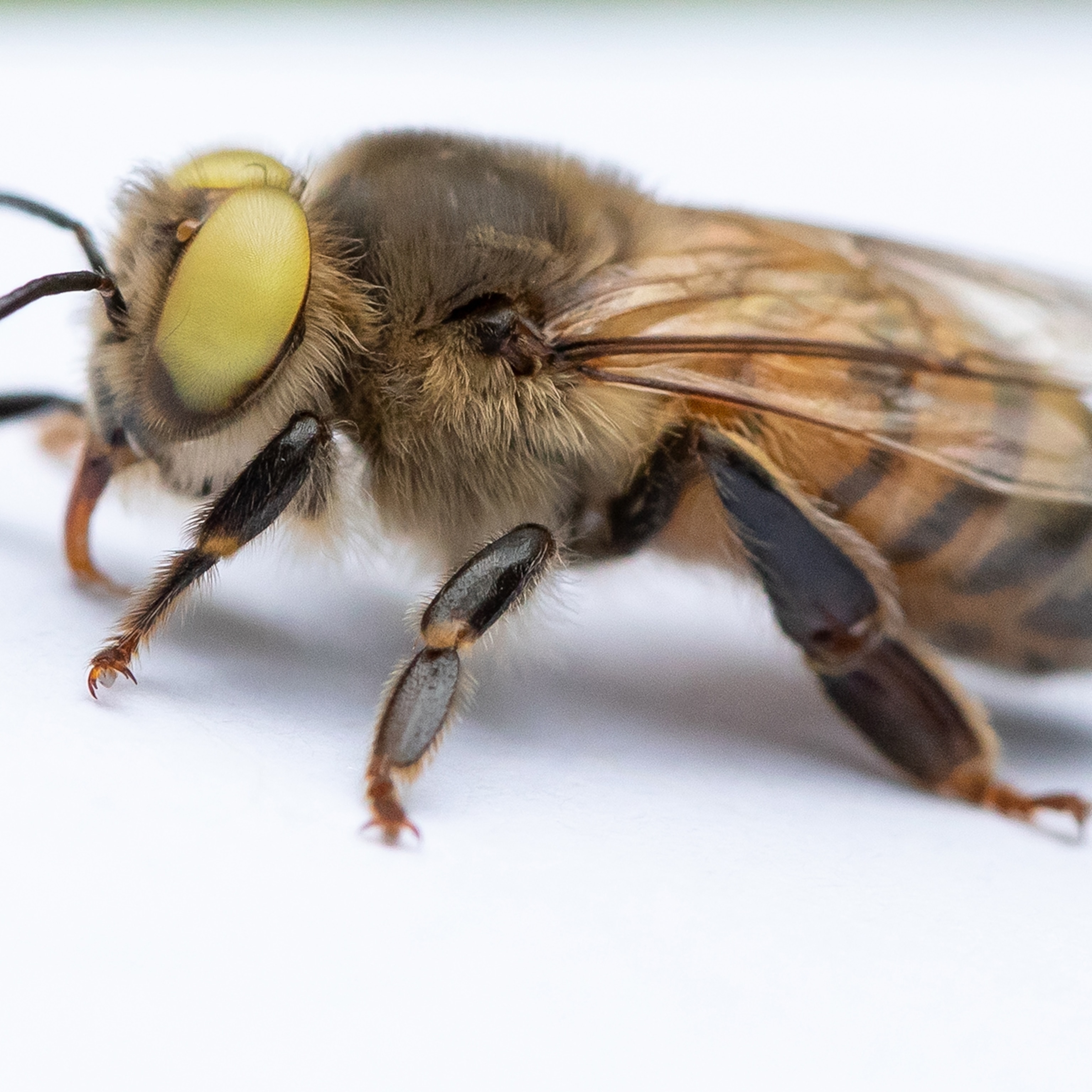
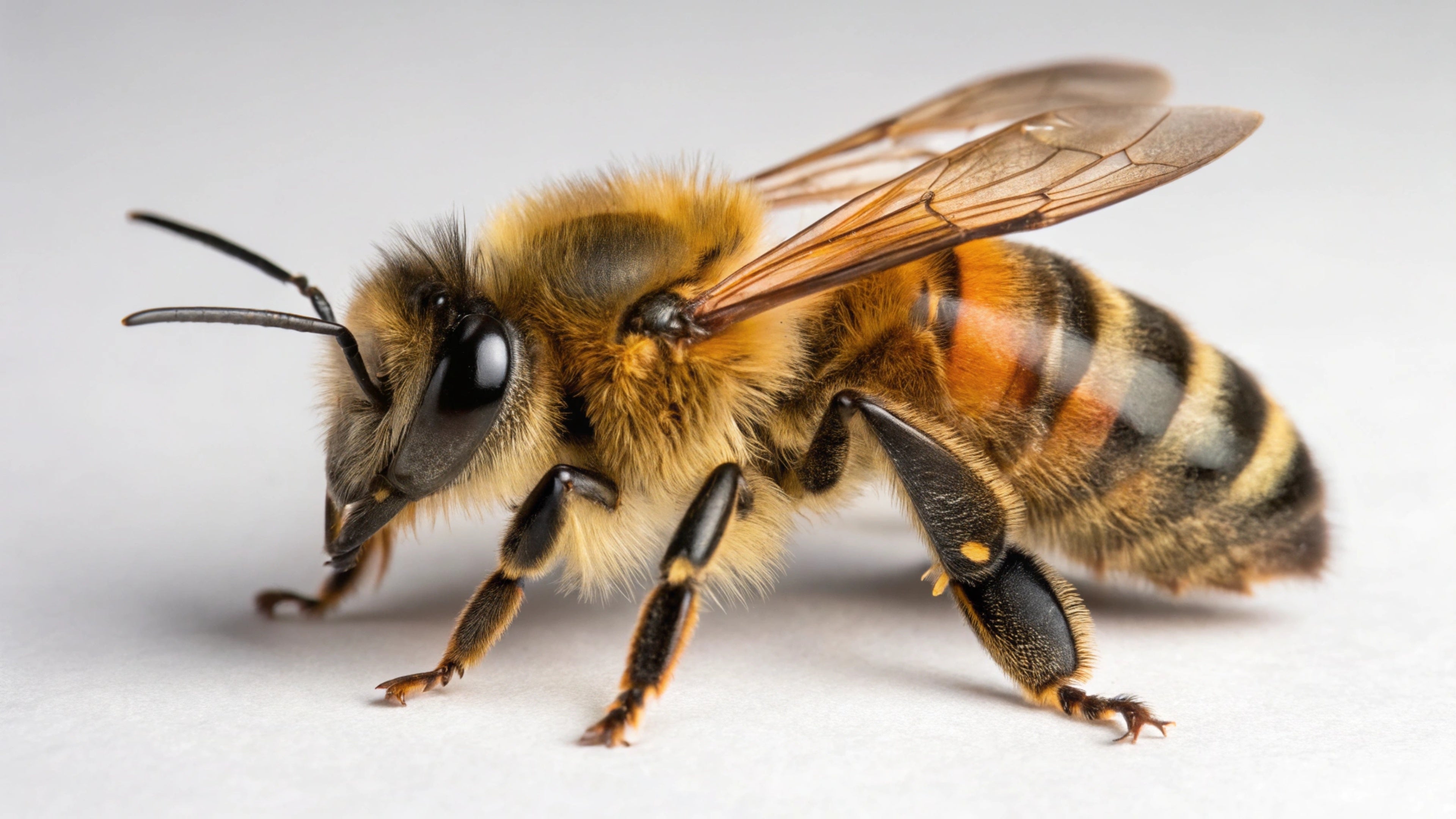
You cannot identify an Africanized bee by sight alone. Even professional entomologists require morphometric analysis (precise measurements of wing veins and body parts) or DNA testing to distinguish an AHB from an EHB. Because they look identical, safety protocols in Southern Utah dictate that all wild bee colonies should be treated as potentially Africanized.
The Critical Difference: Behavior vs. Toxicity
A common misconception is that a single "killer bee" possesses a more potent or "deadly" venom than a standard honey bee. This is false. The chemical composition of the venom is nearly identical, and the sting of one Africanized bee is no more dangerous than the sting of one European bee to a non-allergic person.
The danger lies entirely in their defensive response profile. Africanized bees have evolved to survive in environments with higher predator pressure, leading to several high-risk behavioral traits:
- Lower Trigger Threshold: AHBs are much more sensitive to disturbances. Noise from a lawnmower, the vibration of a weed whacker, or even a person walking within 50 feet of a nest can trigger a full-scale defensive response.
- Massive Recruitment: While a European colony might send out 10 to 20 bees to defend a hive, an Africanized colony may deploy hundreds or even thousands.
- Extended Pursuit: AHBs are persistent. They have been known to chase a perceived threat for over a quarter-mile, whereas European bees typically give up after 30 to 50 yards.
- Short Refractory Period: Once an AHB colony is agitated, it remains aggressive for a significantly longer period—sometimes up to 24 hours—making the area dangerous for anyone nearby long after the initial disturbance.
Immediate Action: What to Do During a Bee Attack
If you disturb a nest and bees begin to sting, you must act instantly. There is no time to "wait and see" if they will calm down.
Run and Seek Shelter
The most important rule is to run immediately. Do not stop to help others unless they are small children or elderly individuals who cannot move on their own. Run in a straight line toward the nearest shelter.
- Best Shelters: A house, a garage, or a vehicle with the windows rolled up.
- Note on Vehicles: If you enter a car, some bees will follow you inside. Ignore the few bees in the car and focus on getting the windows closed. The bees inside will likely be disoriented by the glass and less likely to continue the attack.
Protect Your Airway and Face
As you run, pull your shirt up over your face or use your arms to protect your eyes, nose, and mouth. AHBs are biologically programmed to target the face and dark areas (like the eyes and mouth) because predators in the wild often have sensitive spots there. Protecting your airway is vital to prevent stings inside the throat, which can cause swelling and suffocation.
Avoid Water
Do not jump into a swimming pool or pond. This is a common and potentially fatal mistake. The bees will wait above the surface for you to come up for air. Because AHBs are so persistent, they can hover over the water for long periods, leading to a situation where the victim either drowns or suffers hundreds of stings every time they surface.
Do Not Swat or Flail
Swatting at the bees or flailing your arms makes you a more visible and moving target. Furthermore, crushing a bee releases an alarm pheromone (which smells like bananas) that signals other bees to attack that exact location. Your goal is to reach a sealed environment as quickly as possible.
Handling Bees on Your Property in Utah
If you discover a swarm or a nesting colony on your property in Utah, the handling process depends on the location and the behavior of the bees.
Evaluating Swarms vs. Established Nests
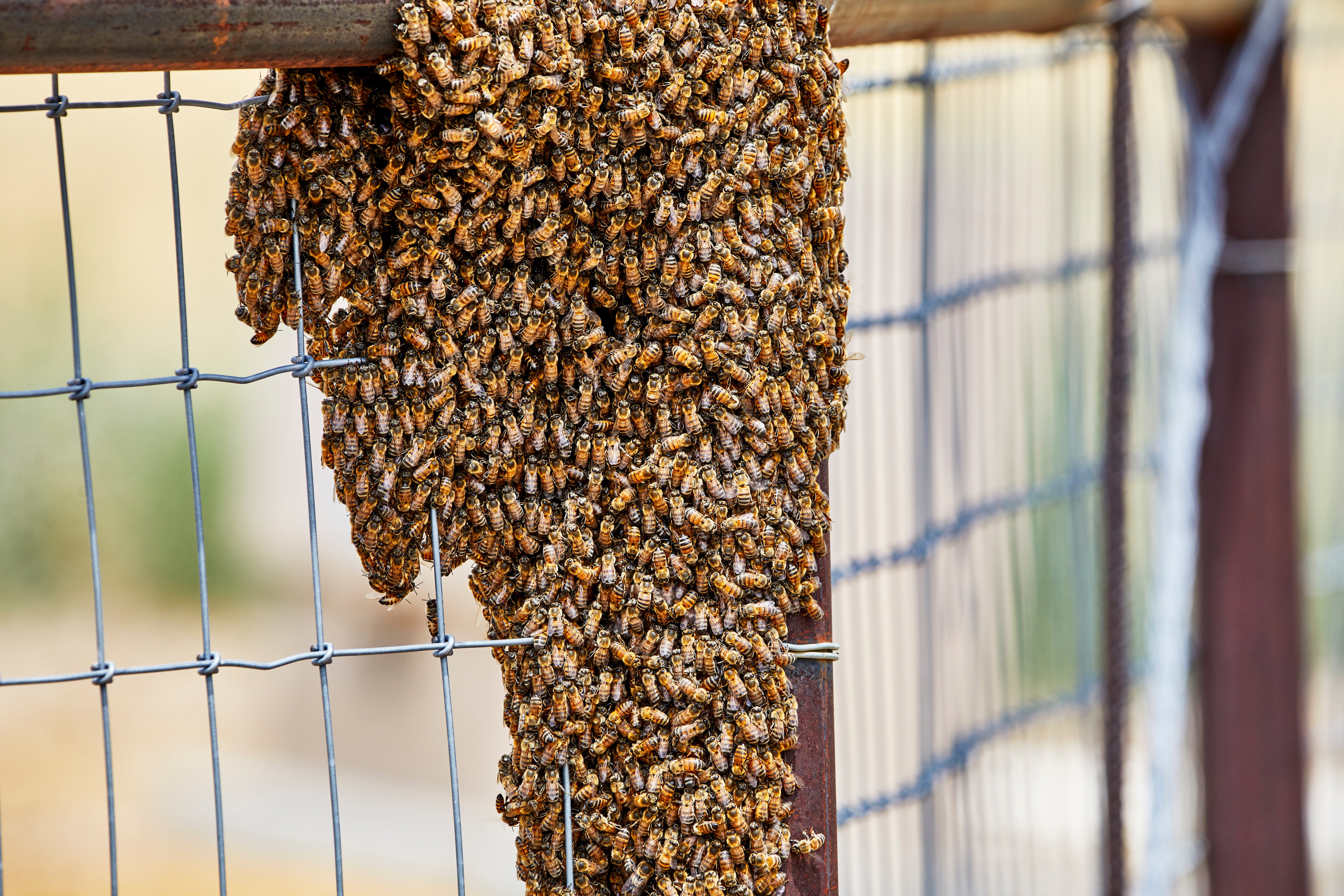
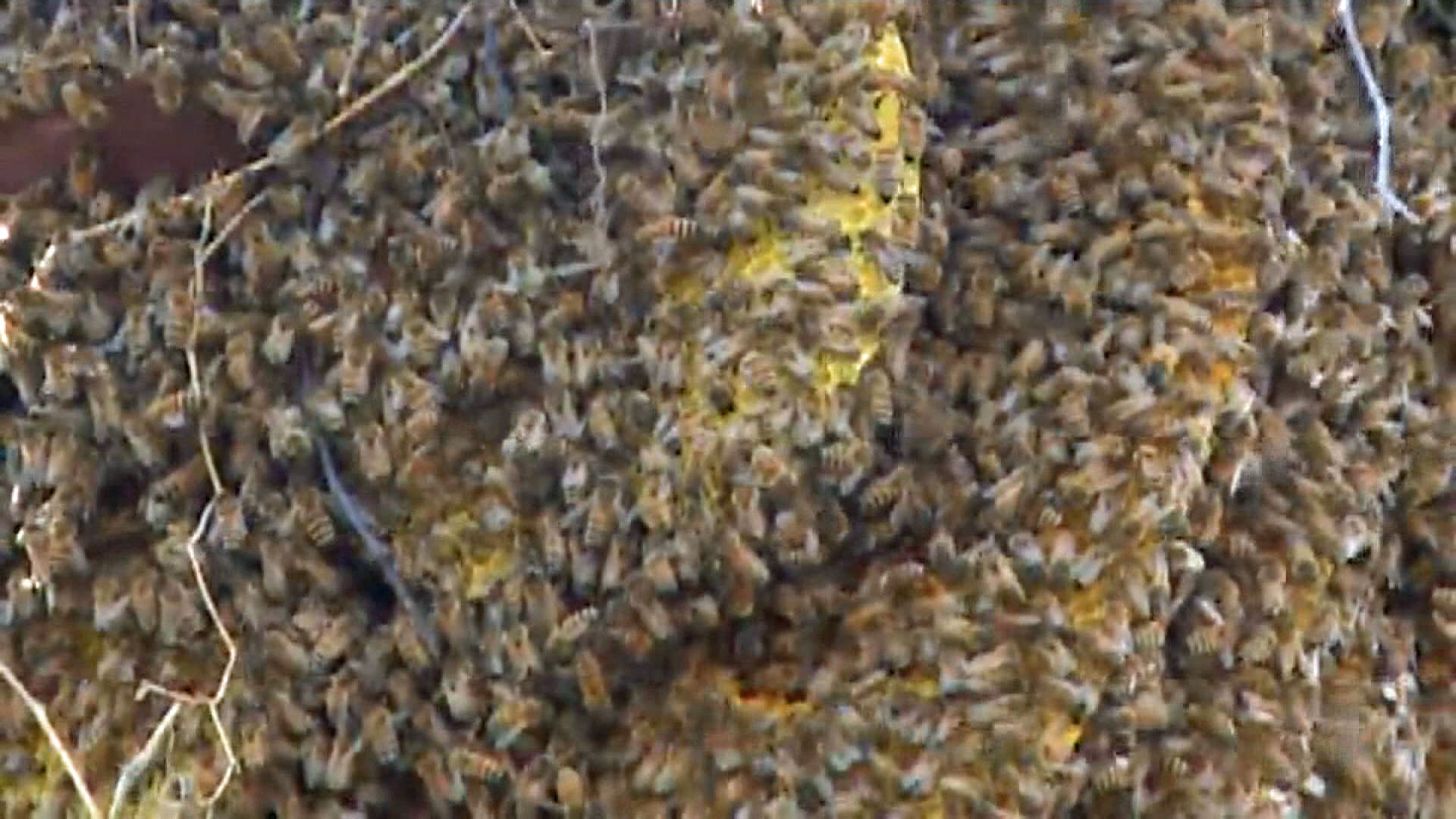
- Swarms: These are large groups of bees (often the size of a football) hanging from a tree branch or fence post. They are usually just resting while scouts look for a permanent home. Swarms are generally docile because they have no honey or brood to defend. In Utah, you should still keep your distance, but a swarm may move on its own within 24 to 48 hours.
- Established Nests: If you see bees entering and exiting a hole in a wall, a water meter box, or an underground cavity, they have established a hive. This is when they become territorial and dangerous.
Nesting Sites to Monitor
In the arid climate of Southern Utah, AHBs look for cool, dark places with access to water. Regularly inspect:
- Water meter boxes and irrigation valve covers.
- Empty containers, old tires, and abandoned vehicles.
- Eaves, soffits, and wall voids in sheds or houses.
- Low-hanging tree hollows or dense shrubbery.
Professional Removal Requirements
In Utah, the Utah Department of Agriculture and Food (UDAF) regulates honey bees. However, the state does not provide removal services for private property. You must hire a professional.
When hiring a removal service in 2026, ensure they are:
- Licensed and Insured: Specifically for pest control or bee removal.
- Equipped for AHB: Ask if they have the proper protective gear and vacuum systems for aggressive colonies.
- Knowledgeable of Local Laws: Some cities in Utah have specific ordinances regarding bee keeping and the destruction of honey bees. While EHBs are often "rescued" and relocated, AHB colonies are frequently euthanized because they cannot be safely used in agriculture or backyard beekeeping.
| Feature | European Honey Bee (EHB) | Africanized Honey Bee (AHB) |
|---|---|---|
| Appearance | Medium brown/gold with black bands | Identical to EHB; requires lab testing |
| Nesting Sites | Hollow trees, chimneys, managed hives | Any cavity (meter boxes, tires, ground) |
| Defensive Radius | Approx. 20 feet | 50–100+ feet |
| Persistence | Chases for 20–50 yards | Chases for 400+ yards (0.25 miles) |
| Stings | 10–20 per disturbance | 100s–1,000s per disturbance |
| Agitation Trigger | Physical contact with hive | Vibrations, loud noises, proximity |
| Utah Range | Statewide | Primarily Southern Utah (Washington, Kane) |
Treatment and Medical Care After Stings
Once you are in a safe location, you must address the stings immediately. Even if you are not allergic, the sheer volume of venom from an AHB attack can cause toxic shock syndrome.
- Remove Stingers Fast: Honey bees leave their stingers behind. The venom sac continues to pump venom for several seconds after the bee is gone. Scrape them off with a credit card, fingernail, or the edge of a knife. Do not use tweezers to "pull" them, as this can squeeze more venom into the skin.
- Monitor for Anaphylaxis: Seek emergency medical care (911) immediately if you experience difficulty breathing, swelling of the tongue/throat, dizziness, or a rapid drop in blood pressure.
- Toxic Reaction: If you have been stung more than 50 times, go to an urgent care center or emergency room even if you feel okay. The cumulative effect of the venom can damage the kidneys and other organs hours after the incident.
- Cleaning: Wash sting sites with soap and water to prevent secondary infection. Use cold compresses to reduce swelling.
Frequently Asked Questions
Can "killer bees" survive in Salt Lake City?
As of 2026, there are no established, year-round Africanized Honey Bee colonies in Salt Lake City or Northern Utah. The winters in the Wasatch Front are generally too cold for AHBs to survive. However, swarms can occasionally be transported north in shipments of goods or on vehicles, so caution is always advised when dealing with wild bees.
How do I know if the bees in my yard are "killer bees"?
You cannot tell by looking. However, if the bees react aggressively when you are more than 15 feet away, or if they seem particularly agitated by your lawnmower or trimmer, you should assume they are Africanized. Do not test this theory; stay away and call a professional.
Should I spray a bee nest with a garden hose or pesticide?
No. Spraying a nest with water will only agitate the colony and likely trigger a massive attack. Standard over-the-counter wasp and hornet sprays are often ineffective against a large honey bee colony because the spray cannot reach the center of the nest. This will only result in thousands of angry bees in the air.
Is it illegal to kill bees in Utah?
Utah law encourages the protection of honey bees due to their role in pollination. However, the law allows for the destruction of bees if they pose an immediate threat to public safety. If a colony is identified as Africanized, it is generally recommended to destroy it rather than relocate it, as AHB traits can spread to local, docile bee populations through cross-breeding.
Why are Africanized bees more common in Southern Utah?
The climate in Southern Utah, particularly the Mojave Desert regions around St. George, mirrors the warm environments where Africanized bees thrive. They do not have the biological mechanism to store enough food or generate enough heat to survive the long, freezing winters of the Utah highlands.
Final Recommendation for Utah Residents
If you live in or are traveling through Southern Utah, your best defense is vigilance. Periodically inspect your property for new bee activity, especially in the spring and summer months. Teach children to "run and hide" if they see a swarm or are chased by a bee. Always keep the contact information of a local, licensed pest control operator who specializes in bee removal saved in your phone. In the event of a suspected AHB presence, prioritize safety over the preservation of the colony; in the desert southwest, an aggressive hive is a significant liability to you and your neighbors.
Image Gallery