The Role of Female Pleasure in Design: Redefining Ergonomics and Innovation
The role of female pleasure in design refers to the intentional integration of female physiological, psychological, and sensory needs into the development of products and environments. By prioritizing comfort, joy, and efficacy over "d...
The role of female pleasure in design refers to the intentional integration of female physiological, psychological, and sensory needs into the development of products and environments. By prioritizing comfort, joy, and efficacy over "default male" standards, designers can bridge the pleasure gap, creating inclusive solutions in healthcare, consumer technology, and industrial ergonomics.
Contents
In 2026, the design landscape has shifted significantly from the "pink it and shrink it" mentality toward a data-driven, inclusive approach. For decades, product design relied on the "average" human—a standard usually modeled after a 176cm, 75kg male. This bias resulted in everything from uncomfortable car seats to painful medical instruments. Today, the focus on female pleasure is not merely about sexual wellness; it is a fundamental pillar of inclusive design that addresses how women experience the world through their bodies.
The Historical Context of the "Default Male" in Design
To understand the necessity of pleasure-centric design, one must first recognize the historical absence of female-specific data. As documented in works like Caroline Criado Perez’s Invisible Women, the gender data gap has historically rendered female needs invisible. In design, this manifested as products that were at best inconvenient and at worst dangerous.
For instance, crash test dummies were modeled exclusively on male proportions for decades, leading to higher injury rates for women in automotive accidents. In the medical field, the traditional speculum—a tool used in gynecological exams—remained virtually unchanged since the 19th century, despite being widely cited as a source of anxiety and physical discomfort. By ignoring the "pleasure" (or at least the absence of pain) in these experiences, design failed a significant portion of the population.
In 2026, designers use gender-disaggregated data to ensure that the female experience is a starting point, not an afterthought. This involves mapping the specific ergonomics of the female pelvis, understanding hormonal impacts on skin sensitivity, and recognizing the psychological nuances of user interfaces designed for women.
Defining Pleasure in a Design Context
When we discuss the role of female pleasure in design, we must define "pleasure" broadly. In an industrial and UX context, pleasure encompasses three distinct categories:
- Physio-pleasure: Derived from the sensory organs. This includes the tactile feel of a product, the ergonomic fit of a handheld device, and the comfort of wearable technology.
- Socio-pleasure: The enjoyment derived from social interaction and the status or belonging a product provides.
- Ideo-pleasure: The satisfaction of using a product that aligns with one's values, such as sustainability or inclusivity.
For women, physio-pleasure has often been neglected. Standardized grips on power tools, for example, are frequently too large for the average female hand, leading to muscle fatigue rather than ease of use. Designing for pleasure means creating a "joy of use" where the tool feels like an extension of the body rather than a hindrance.
The FemTech Revolution and the Speculum Redesign
The most visible impact of prioritizing female pleasure is seen in the FemTech (Female Technology) sector. In 2026, the FemTech market is valued at over $100 billion, driven by products that solve long-standing female-specific problems through superior design.
A landmark example is the redesign of the vaginal speculum. Companies like Yona and Ceek Women’s Health have focused on making pelvic exams less traumatic. By using medical-grade silicone instead of cold stainless steel, and adjusting the mechanical opening to be quieter and more ergonomic, these firms have integrated "comfort" as a core technical specification. This shift acknowledges that medical efficacy should not come at the cost of the patient’s physical and emotional well-being.
Similarly, the evolution of breast pumps has moved from loud, tethered, and painful machines to wearable, silent, and comfortable devices like those produced by Elvie and Willow. These designs prioritize the user’s pleasure—specifically her comfort, autonomy, and dignity—allowing her to pump while moving through her day.
Ergonomics and the Anatomy of Inclusion
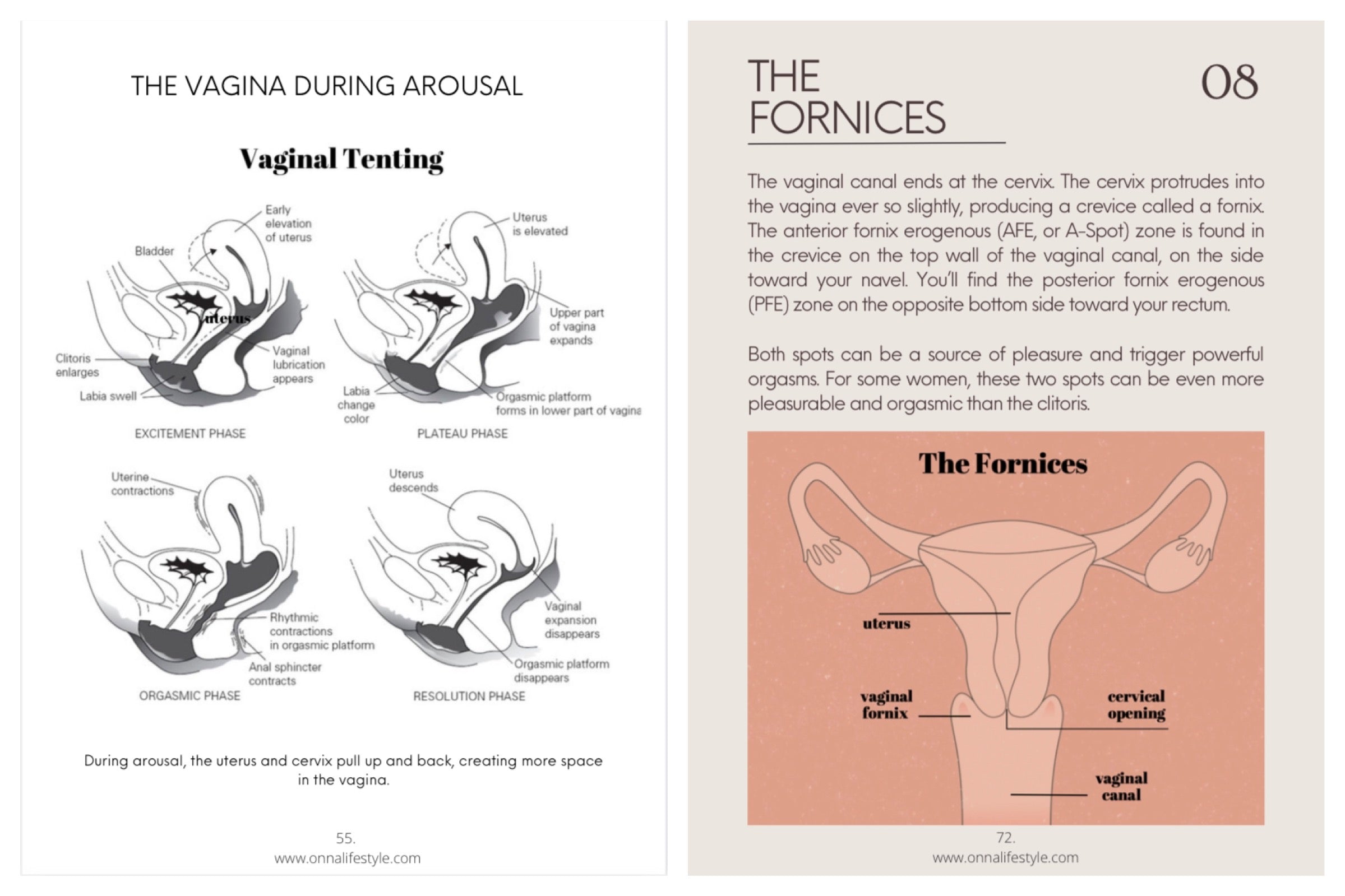
Technical depth in pleasure-centric design requires a deep understanding of female anatomy, which was historically under-researched. It wasn't until 1998 that the full internal structure of the clitoris was mapped by urologist Helen O'Connell. This delay in anatomical knowledge directly hindered the design of sexual wellness products and pelvic health devices.
In 2026, designers utilize high-resolution MRI data and 3D modeling to create products that follow the natural contours of the female body. This is particularly relevant in the design of:
- Office Furniture: Adjusting lumbar support and seat depth for female skeletal structures.
- Sporting Goods: Designing saddles and protective gear that account for the wider female Q-angle (the angle at which the femur meets the tibia).
- Wearable Health Monitors: Ensuring sensors maintain contact with varying skin textures and body fat distributions without causing irritation.
Material Science and Safety
The role of pleasure in design also extends to material science. Products that come into contact with sensitive tissue—such as menstrual cups, pelvic floor trainers, and sexual wellness devices—require non-porous, biocompatible materials. Medical-grade silicone has become the gold standard because it is hypoallergenic, easy to clean, and reaches body temperature quickly, enhancing the sensory experience.
| Design Feature | Traditional Approach (Male-Centric) | Pleasure-Centric Approach (Inclusive) |
|---|---|---|
| Ergonomic Baseline | 50th percentile male dimensions | Gender-disaggregated anthropometric data |
| Material Choice | Cost-effective plastics or metals | Biocompatible, tactile, temperature-reactive |
| User Feedback | Focus on "utility" and "speed" | Focus on "comfort," "joy," and "emotional safety" |
| Aesthetics | Utilitarian or "Pink it and shrink it" | Sophisticated, ergonomic, and neutral-inclusive |
| Control Interface | Large buttons/grips, high force required | Scaled to hand size, intuitive haptic feedback |
Psychology and Emotional Resonance in UX
Design is not just physical; it is psychological. The role of female pleasure in digital design involves creating User Experiences (UX) that are intuitive and supportive rather than intrusive or demanding.
For example, period tracking apps have evolved from overly-feminized, "pink" interfaces to sophisticated health platforms. In 2026, the best-designed apps focus on data privacy and non-judgmental interfaces. They recognize that for many women, pleasure in design comes from agency and control over their own health data.
Furthermore, "trauma-informed design" has become a vital subfield. This approach assumes the user may have had negative experiences with similar products (like medical tools) and uses design elements—such as soft lighting, calming haptic feedback, and transparent operating steps—to reduce anxiety and increase the user's sense of pleasure and safety.
Market Implications and the Business Case
Integrating female pleasure into design is not just an ethical choice; it is a lucrative business strategy. Products designed with the female experience in mind tend to have higher loyalty and lower return rates. As women control a significant portion of global consumer spending, products that actually fit their bodies and lifestyles naturally outperform those that don't.
In 2026, venture capital firms have increasingly prioritized "Design for Her" as a key investment thesis. This has led to innovations in surprising areas, such as the design of safety equipment for female construction workers and high-performance athletic wear that accounts for breast movement and pelvic support during high-intensity training.
Challenges and Future Directions
Despite progress, several hurdles remain in the integration of female pleasure into design:
- Regulatory Barriers: Many products focused on female pleasure, particularly in the sexual wellness space, face stricter advertising and classification rules than comparable male-focused products.
- Funding Gaps: While improving, female-led design firms still receive a disproportionately small share of VC funding.
- Stigma: In some cultures, the focus on "female pleasure"—even in a medical or ergonomic sense—remains a taboo subject, hindering market entry.
The future of this field lies in Co-Design. This methodology involves bringing the end-user into the design process from the earliest ideation phases. By involving women in the prototyping and testing of everything from car dashboards to surgical tools, designers can ensure that the final product truly serves the intended audience.
Frequently Asked Questions
What is the "pleasure gap" in product design?
The pleasure gap refers to the disparity between the satisfaction and comfort men and women experience when using products designed for a "universal" (male) standard. It encompasses physical discomfort, lack of efficacy, and emotional disconnect in products ranging from medical devices to everyday tools.
Is designing for pleasure only relevant to sexual wellness products?
No. While sexual wellness is a prominent category, the role of pleasure in design applies to any product that interacts with the female body. This includes ergonomic office chairs, medical diagnostic tools, wearable technology, and even safety equipment like life jackets and body armor.
How does inclusive design impact the speculum and other medical tools?
Inclusive design replaces the "utility-only" mindset with a focus on patient experience. For the speculum, this means using warmer materials, quieter mechanical parts, and ergonomic shapes that reduce tissue displacement, thereby turning a traditionally painful procedure into a more neutral or comfortable one.
What are the material safety requirements for products contacting sensitive tissue?
Products must use non-porous, medical-grade materials such as Class VI silicone or specific biocompatible polymers. These materials must be resistant to bacterial growth, phthalate-free, and capable of being thoroughly sanitized without degrading.
How does the 2026 market view FemTech investment?
In 2026, FemTech is viewed as a mature and essential sector of the healthcare and consumer tech markets. Investors prioritize companies that demonstrate a deep understanding of female-specific data and those that utilize pleasure-centric design to improve health outcomes and user adherence.
Practical Recommendation for Designers
To effectively integrate female pleasure into your design process, start by auditing your current user data for gender bias. Move beyond "average" measurements and seek out gender-disaggregated anthropometric databases. Most importantly, adopt a co-design framework: involve a diverse group of women in your prototyping phase and measure "pleasure" or "joy of use" as a primary KPI, alongside traditional metrics like speed and cost. Prioritizing the sensory and emotional experience of the user is no longer an optional luxury; it is the benchmark for high-quality design in 2026.
Image Gallery