How to Get a REAL ID to Fly: The Complete 2026 Requirement Guide
To get a REAL ID for domestic flights, you must visit your state’s driver’s licensing agency in person with specific documentation: proof of identity (such as a birth certificate or passport), proof of Social Security number, and two d...
To get a REAL ID for domestic flights, you must visit your state’s driver’s licensing agency in person with specific documentation: proof of identity (such as a birth certificate or passport), proof of Social Security number, and two documents verifying your principal residence. Once processed, your new license will feature a star in the upper corner, signaling compliance with federal security standards for airport checkpoints.
Contents
The REAL ID Act, passed by Congress in 2005 following the 9/11 Commission’s recommendations, established minimum security standards for state-issued driver’s licenses and identification cards. As of 2026, these federal standards are fully enforced across the United States. If you intend to board a federally regulated commercial aircraft or enter certain federal facilities, a standard "Not for Federal Identification" license is no longer sufficient on its own. Understanding the nuances of the application process is essential to avoid being turned away at the TSA security line.
Understanding the REAL ID Security Standard
A REAL ID is not a national identification card; rather, it is a state-issued driver’s license or identification card that meets specific federal security requirements. These requirements include anti-counterfeiting technology, data-sharing between states to prevent duplicate identities, and rigorous "primary document" verification during the application process.
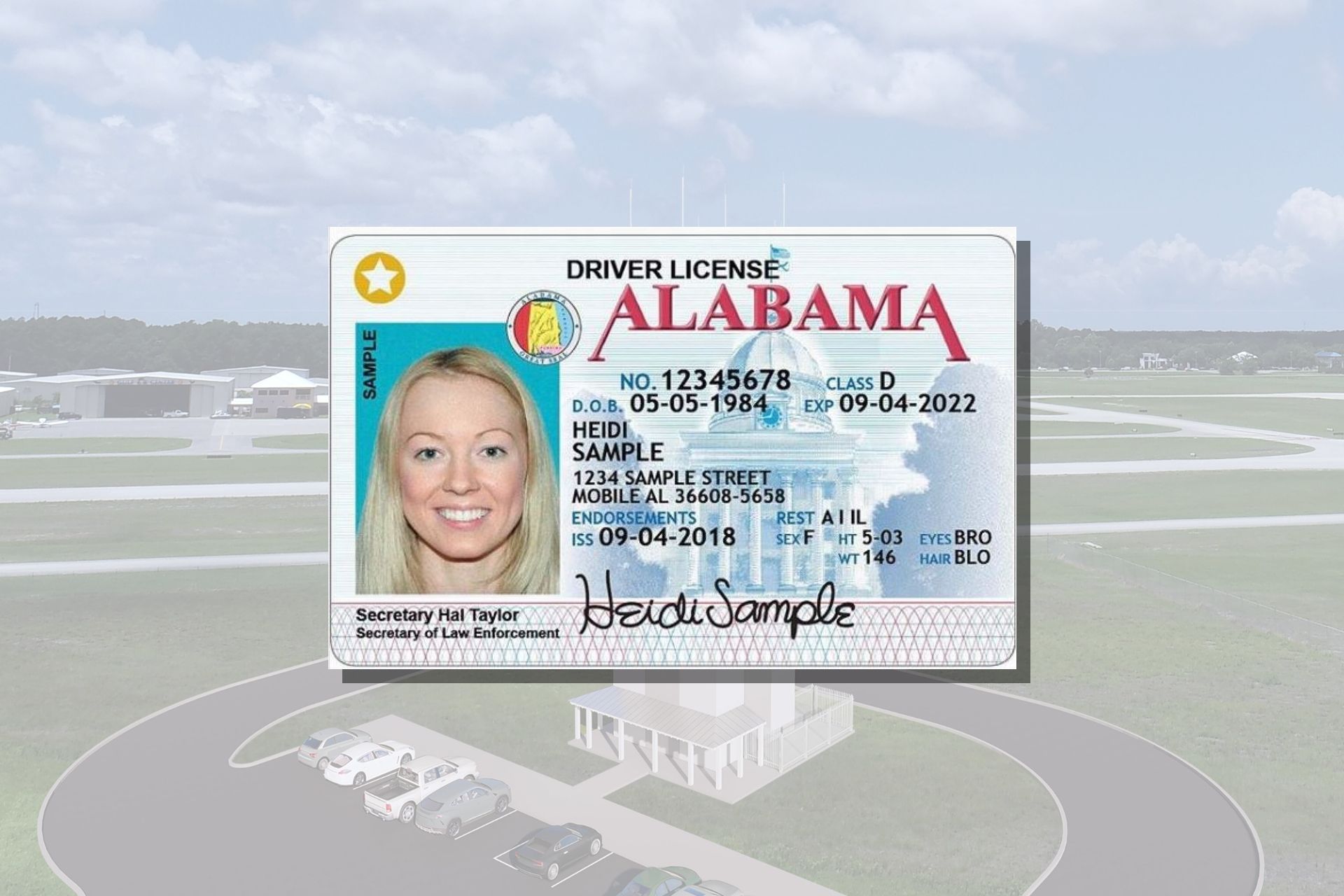
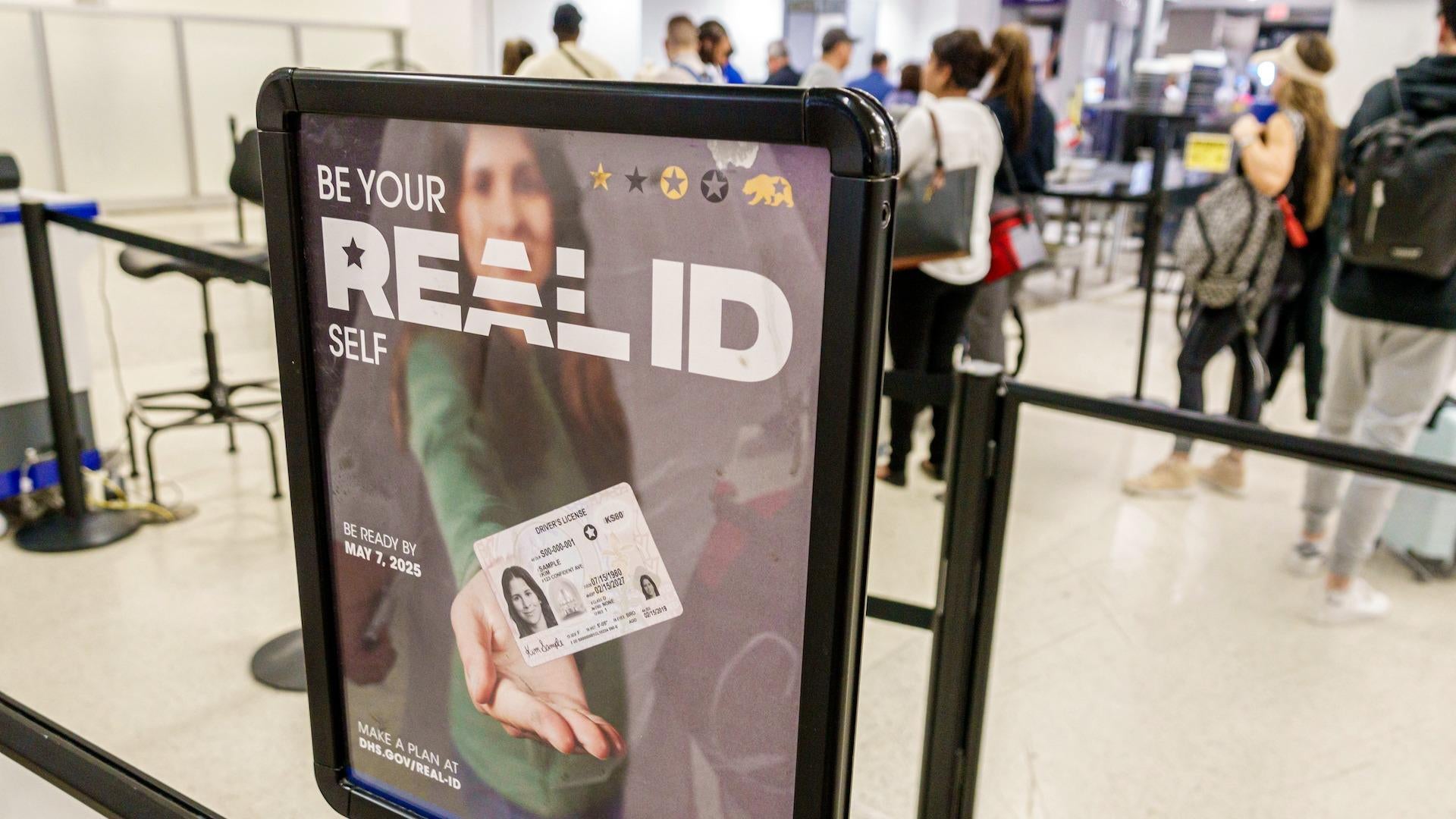
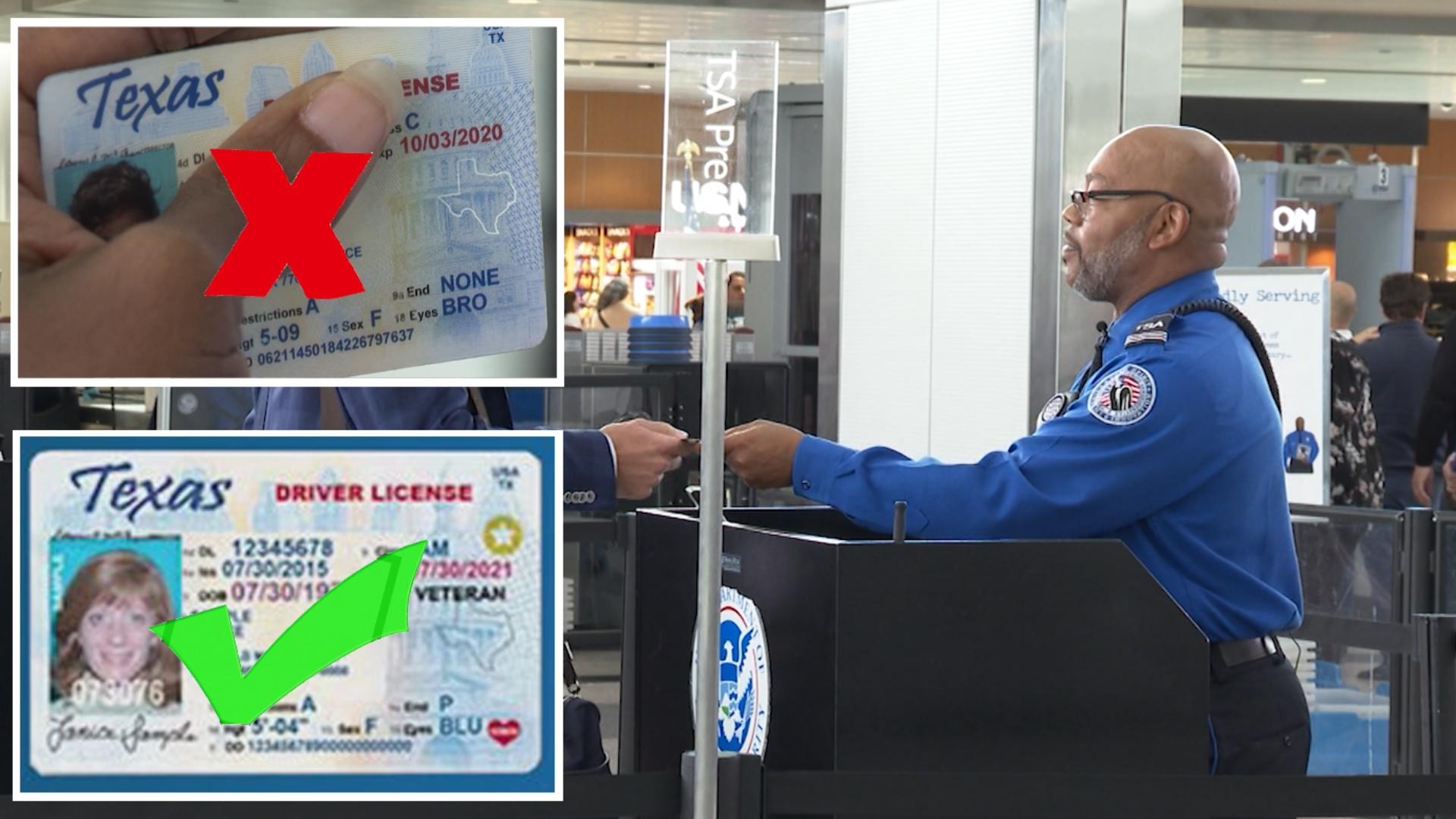
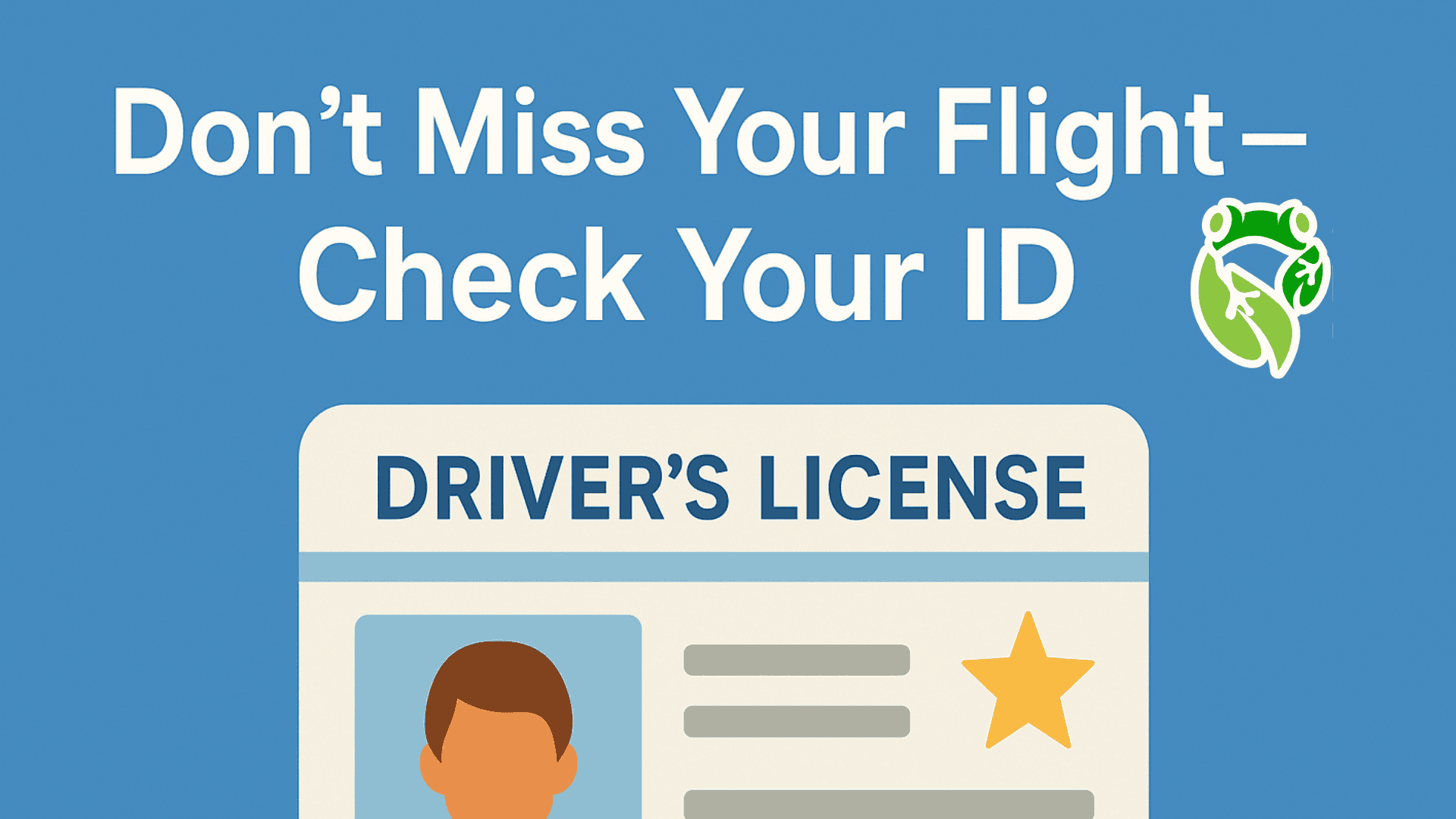
The most recognizable feature of a compliant card is the REAL ID star. Most states use a gold or black star located in the upper right-hand corner of the card. Some states, like California, use a star within a bear logo, while others may use a different stylized version. If your current license says "Federal Limits Apply" or "Not for Federal Identification," it does not meet these standards. While you can still use a non-compliant license for driving or age verification, you cannot use it as your sole identity document for domestic air travel in 2026.
Mandatory Documentation for Your Appointment
The "how-to" of getting a REAL ID begins long before you arrive at the Department of Motor Vehicles (DMV) or equivalent agency. The federal government mandates a "gold standard" of documentation that requires you to prove four specific things: your legal name/identity, your Social Security status, your lawful status in the U.S., and your current address.
1. Proof of Identity and Legal Presence
You must provide one original or certified document. Photocopies are strictly prohibited. Acceptable documents typically include:
- A valid, unexpired U.S. passport or passport card.
- A certified copy of a U.S. birth certificate filed with a state office of vital statistics.
- A Consular Report of Birth Abroad (CRBA) issued by the U.S. Department of State.
- A valid Permanent Resident Card (Green Card).
- An unexpired foreign passport with a valid U.S. visa and approved I-94 form.
2. Proof of Social Security Number
While some states have moved toward electronic verification, most still require physical proof of your Social Security number (SSN). Acceptable documents include:
- An original Social Security card (not laminated).
- A W-2 form showing your full SSN.
- A 1099 form or a pay stub showing your full SSN.
- Note: If you have lost your Social Security card, you must order a replacement from the Social Security Administration before your REAL ID appointment.
3. Proof of Residency (Two Documents Required)
You must demonstrate that you live in the state where you are applying. You generally need two different documents dated within the last 60 to 90 days. Common examples include:
- Utility bills (gas, electric, water, or trash).
- A mortgage statement or residential lease agreement.
- Bank or credit card statements.
- Insurance policies (auto, home, or life).
- Voter registration cards.
- Employment documents.
4. Proof of Name Change (The "Paper Trail")
This is the most common reason for application denial. If your current legal name differs from the name on your birth certificate or passport (due to marriage, divorce, or court order), you must provide a complete paper trail. This means if you have been married three times, you may need to provide all three marriage licenses and/or divorce decrees to show the progression from your birth name to your current name.
The Step-by-Step Application Process
In 2026, many states have streamlined the process through digital pre-verification, but a physical visit remains a federal requirement for the initial REAL ID issuance.
Step 1: Pre-Verification and Appointment
Visit your state's official DMV website. Most states now offer a "document checklist" tool or a portal where you can upload digital copies of your documents for remote review. This allows the state to notify you of any missing information before you waste a trip to the office. Because of high demand, appointments are often required weeks or months in advance.
Step 2: The In-Person Visit
On the day of your appointment, bring all your original documents. A DMV representative will scan these documents into a secure federal database. During this visit, a new high-resolution photograph will be taken. This photo is specifically formatted to meet facial recognition standards used by federal agencies.
Step 3: Payment of Fees
The cost of a REAL ID varies significantly by state. Generally, the fee ranges from $10 to $80. Some states charge a one-time "REAL ID upgrade fee" (usually around $30) on top of the standard renewal rate.
Step 4: Receiving Your Card
You will not receive your permanent REAL ID on the spot. Because the cards contain sophisticated security layers, they are printed at high-security central facilities and mailed to your verified address. You will receive a temporary paper permit, but be aware that most airlines and the TSA will not accept a temporary paper license for boarding. You should apply for your REAL ID at least 60 days before your scheduled travel.
Comparison of Identification Options for Air Travel
| Feature | Standard Driver's License | REAL ID Compliant License | U.S. Passport / Passport Card |
|---|---|---|---|
| Domestic Air Travel | No (Starting 2025/2026) | Yes | Yes |
| International Air Travel | No | No | Yes |
| Proof of Legal Presence | Not necessarily verified | Rigorously verified | Federally verified |
| Visual Marker | "Not for Federal ID" | Gold or Black Star | Federal Seal |
| Primary Use Case | Driving, Age Verification | Domestic Flying, Driving | All Travel, Global ID |
| Cost | Lowest | Moderate | Highest |
Alternatives to a REAL ID
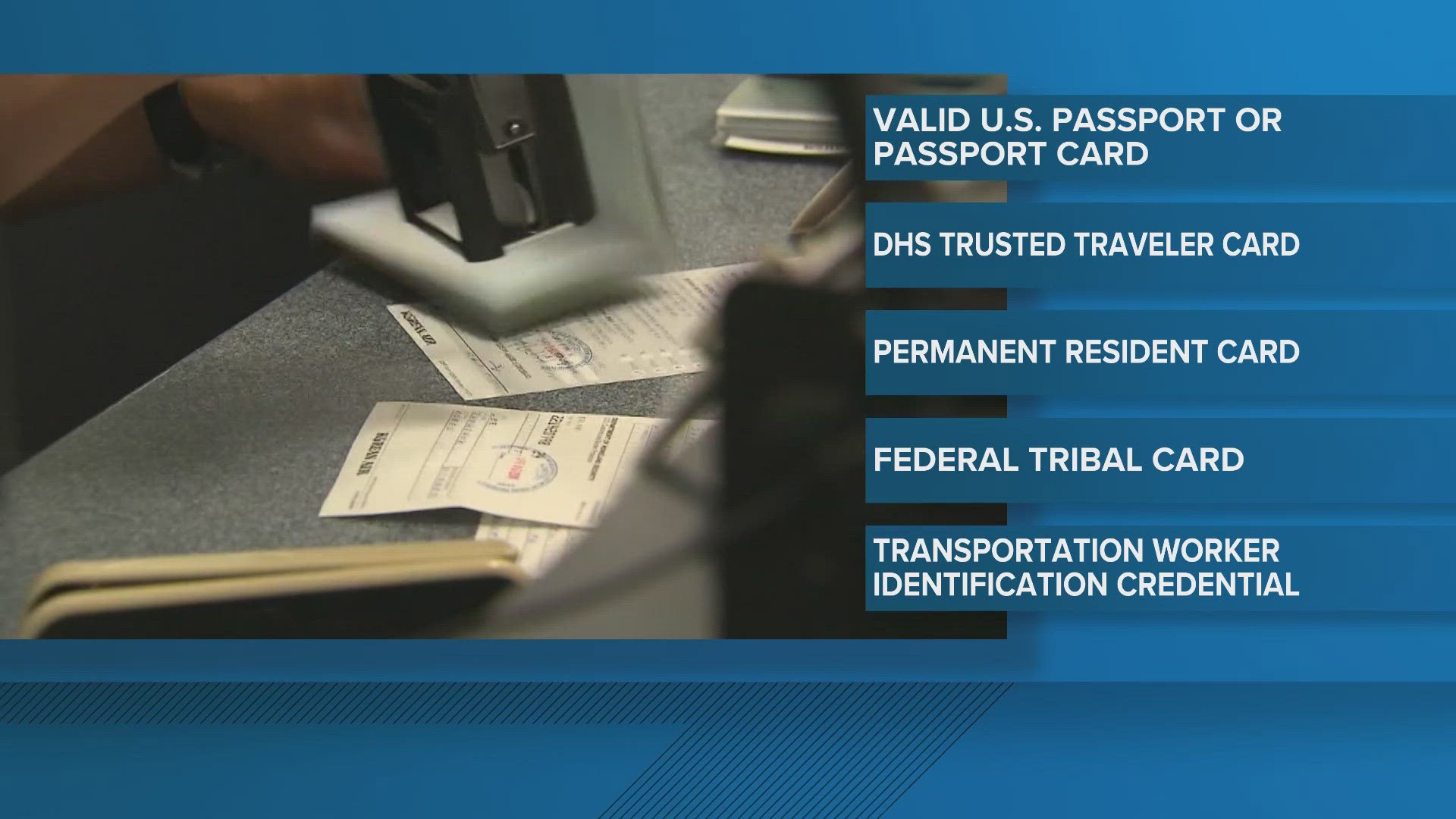
If you do not wish to get a REAL ID, or if you are unable to secure the necessary documentation in time for a flight, you are not necessarily grounded. The TSA accepts several other forms of identification for domestic travel. According to the TSA's official list of acceptable identification, you may use:
- U.S. Passport or U.S. Passport Card.
- DHS trusted traveler cards (Global Entry, NEXUS, SENTRI, FAST).
- U.S. Department of Defense ID, including IDs issued to dependents.
- Permanent resident card.
- Border crossing card.
- State-issued Enhanced Driver’s License (EDL). Note: Only available in Michigan, Minnesota, New York, Vermont, and Washington. EDLs are REAL ID compliant and also allow for land/sea border crossings into Canada and Mexico.
- Federally recognized, tribal-issued photo ID.
Special Circumstances and Troubleshooting
Non-U.S. Citizens
Non-citizens who are lawfully present in the U.S. are eligible for REAL ID. The expiration date of the REAL ID will generally coincide with the expiration date of the applicant's legal stay in the country. You must provide your I-94, Employment Authorization Document (EAD), or valid visa. The DMV will verify these documents through the Systematic Alien Verification for Entitlements (SAVE) program.
Minors Under 18
The TSA does not currently require children under 18 to provide identification when traveling with a companion within the United States. The companion, however, will need a REAL ID or an acceptable alternative. If a minor is traveling alone, it is best to check with the specific airline for their "Unaccompanied Minor" identification requirements.
Address Confidentiality Programs (ACP)
If you are a participant in a state-managed Address Confidentiality Program (often for victims of domestic violence or stalking), your state has specific protocols for REAL ID. You can still obtain a compliant card without having your physical home address printed on the face of the license, provided you coordinate through your program's administrator and the DMV's specialized unit.
Common Mistakes to Avoid
- Bringing Photocopies: Even "notarized" photocopies are usually rejected. Only original documents or certified copies (with a raised seal) are acceptable.
- Laminated SSN Cards: The Social Security Administration advises against laminating cards because it obscures security features. Some DMV offices will reject a laminated card.
- Expired Documents: Your proof of identity (like a passport) must be unexpired.
- Waiting Until the Last Minute: Processing and mailing times can spike during peak travel seasons. In 2026, with full enforcement in effect, DMV backlogs can be significant.
Frequently Asked Questions
Does a REAL ID allow me to fly to Canada or Mexico?
No. While a REAL ID is sufficient for domestic air travel, it does not replace a passport for international travel. To fly to Canada, Mexico, or any other international destination, you still need a valid U.S. Passport. The only exception is the Enhanced Driver's License (EDL), which allows for land and sea border crossings but not international air travel.
What happens if I show up to the airport without a REAL ID in 2026?
If you do not have a REAL ID or an acceptable alternative (like a passport), the TSA officer will not allow you through the security checkpoint. Unlike in years past where you might have been allowed through after additional screening, full enforcement in 2026 means the star-compliant ID is a hard requirement for the standard screening process.
Is the REAL ID a "tracking chip" or a national database?
There is no "chip" in a standard REAL ID, though it may have a barcode or magnetic stripe similar to previous licenses. The REAL ID Act does not create a federal database of driver information. Instead, it requires states to make their own databases accessible to other states to verify the uniqueness of an identity.
Do I need a REAL ID if I already have a Global Entry card?
If you have a valid Global Entry, TSA PreCheck, or NEXUS card, you can use that card as your primary identification at the TSA checkpoint instead of a REAL ID. However, most people find it more convenient to have a REAL ID license so they don't have to carry multiple cards for domestic travel.
Can I renew my REAL ID online?
The very first time you get a REAL ID, you must appear in person so the state can verify your physical documents. After that initial "materially compliant" verification, many states allow subsequent renewals to be done online, provided your information has not changed.
Next Steps for Travel Readiness
To ensure you are prepared for your next domestic flight, follow these immediate actions:
- Check your current license: Look for the star in the top right corner. If you see "Federal Limits Apply" or no star at all, you need an upgrade.
- Audit your documents: Locate your original birth certificate and Social Security card. If you've had a name change, ensure you have the legal bridge documents.
- Schedule your appointment: Visit your state’s DMV portal today to book an appointment.
- Consider a Passport: If the DMV process seems too cumbersome, applying for or renewing a U.S. Passport is an excellent alternative that covers both domestic and international travel needs for ten years.
Image Gallery