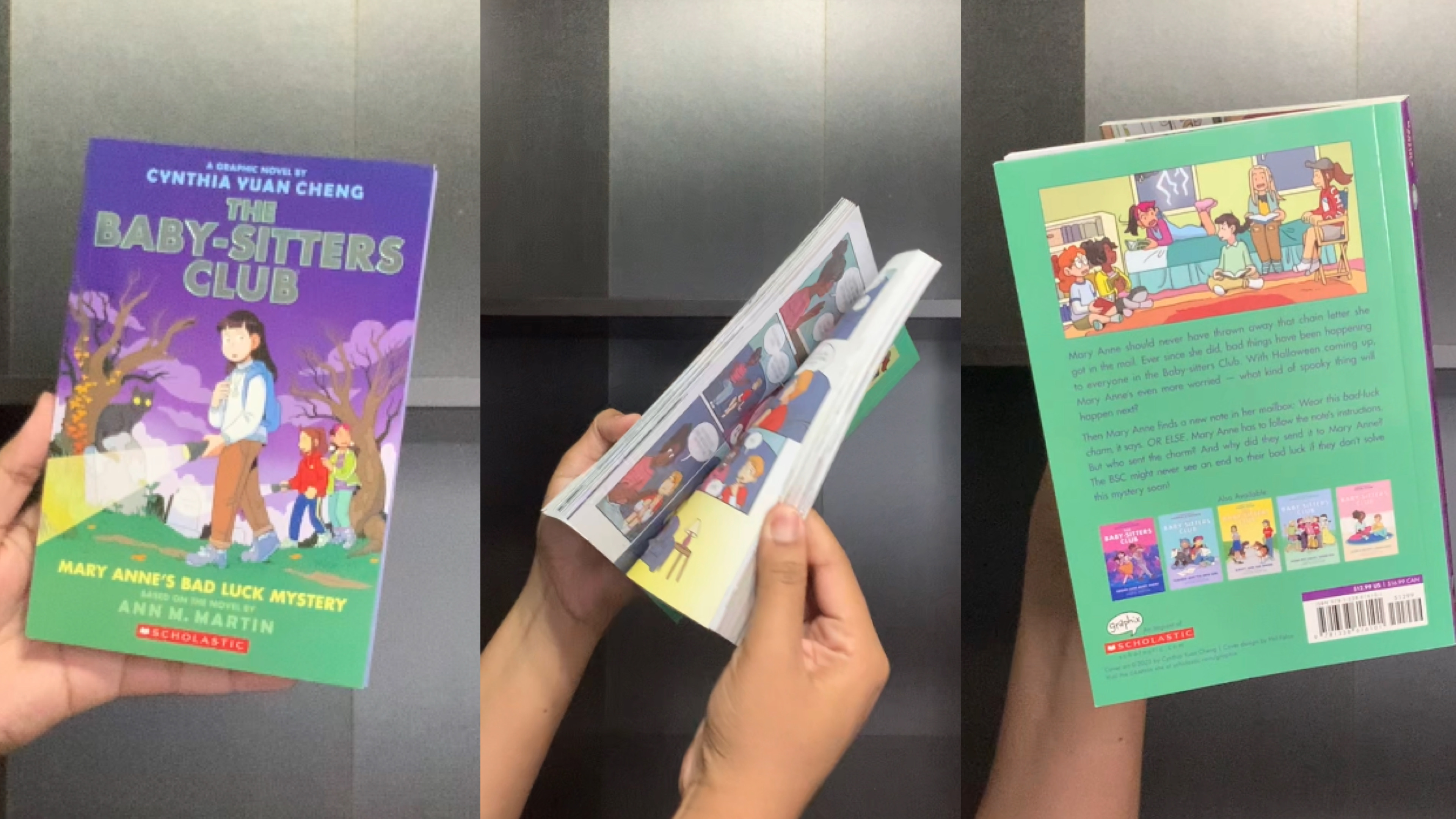
The Newest Babysitters Club Graphic Novel Unveiled: Everything Fans Need to Know
The newest Babysitters Club graphic novel expansion continues the beloved adaptation of Ann M. Martin’s classic series, bringing fresh visual storytelling, updated artistic interpretations, and continued character growth to modern read...
The newest Babysitters Club graphic novel expansion continues the beloved adaptation of Ann M. Martin’s classic series, bringing fresh visual storytelling, updated artistic interpretations, and continued character growth to modern readers and long-time fans alike.
Contents
Ann M. Martin’s iconic The Baby-Sitters Club series has captured the imaginations of multiple generations since its inception in 1986. While the original novels remain a cornerstone of children's literature, the contemporary graphic novel adaptations—spearheaded by a rotating roster of talented cartoonists and illustrators—have introduced Stoneybrook, Connecticut, to an entirely new demographic of readers. The announcement and unveiling of the newest entries in this graphic novel line represent significant milestones in contemporary children's publishing, merging nostalgic coming-of-age themes with vibrant, modern sequential art. Understanding the scope, artistic evolution, and publication details of these latest releases helps collectors, parents, and fans navigate the expanding library.
The Evolution and Cultural Impact of The Baby-Sitters Club Graphic Novels
The journey of The Baby-Sitters Club from traditional paperback prose to full-color graphic novels is a masterclass in modernizing classic intellectual property. Scholastic’s Graphix imprint began adapting the series with Raina Telgemeier's acclaimed adaptations of early books in the mid-2000s. Telgemeier’s distinct cartooning style laid a strong foundation, establishing character designs and visual pacing that subsequent artists would honor while bringing their own unique flair to the franchise.
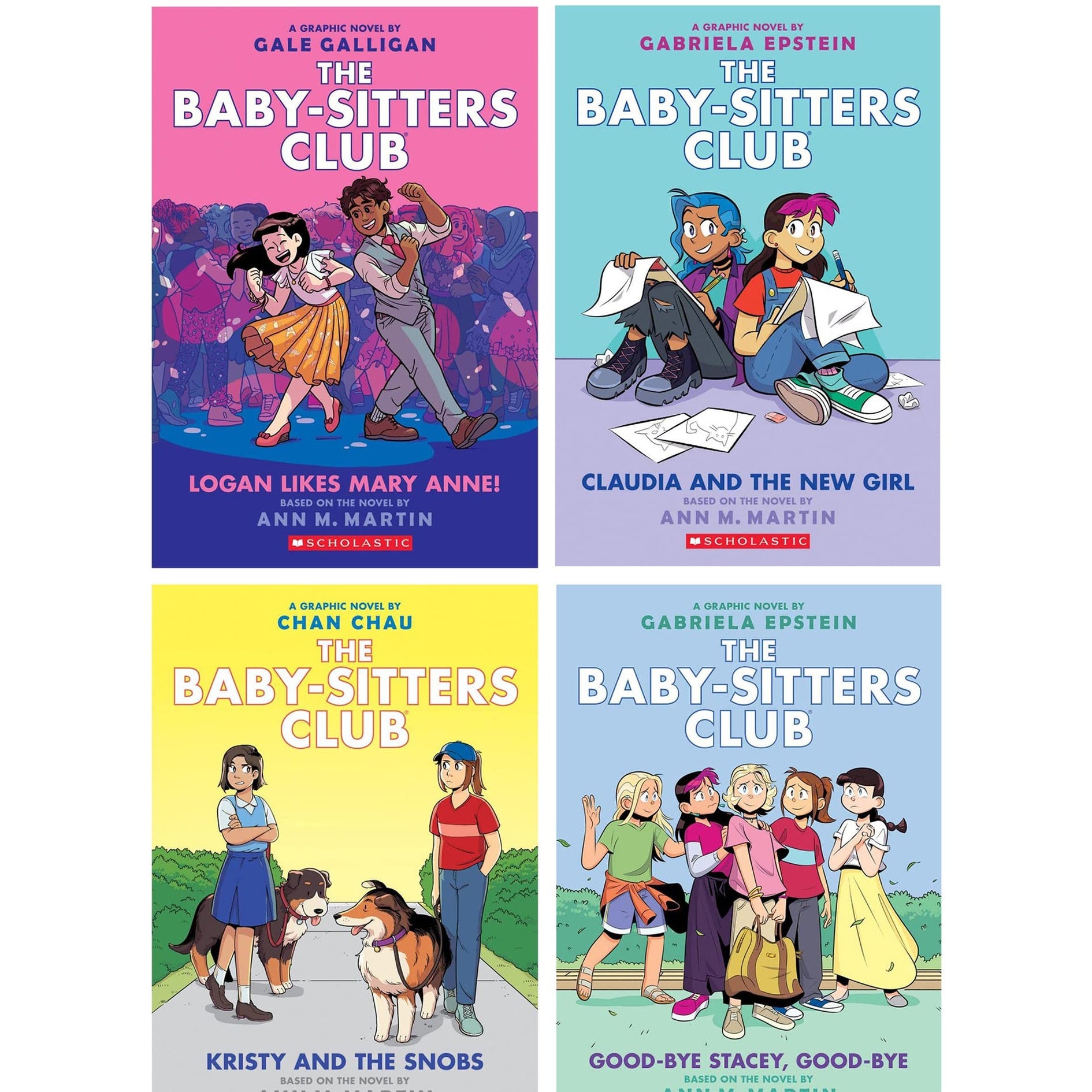
As the series progressed, other notable cartoonists—including Gale Galligan, Chan Chau, and Alyssa Wong—took over artistic and adaptive duties. Each creator brings a distinct palette, panel layout, and emotional nuance to the stories, ensuring that sequential adaptations of later books remain fresh. The newest graphic novel unveiling follows this tradition of artistic succession, carefully balancing respect for Ann M. Martin’s source material with modern comic book storytelling techniques that resonate with today's visual learners.
What to Expect from the Latest Additions to the Series
When a new graphic novel in the series is unveiled, readers can typically anticipate a faithful yet streamlined adaptation of one of the original novels, often paired with updated cultural references, diverse character representations, and high-energy paneling.
Visual Style and Artistic Direction
The artwork in the newest installments emphasizes expressive character emotions, dynamic body language, and detailed background settings that ground Stoneybrook in a recognizable, cozy suburban aesthetic. Colorists utilize warm, inviting palettes that distinguish daytime school scenes from cozy evening babysitting gigs, enhancing the overall mood of each narrative arc.
Pacing and Adaptation Choices
Adapting a prose novel that spans roughly 150 pages into a graphic novel requires careful narrative trimming. The creative teams excel at preserving core subplots while transforming internal monologues into visual gags, dynamic expressions, and conversational dialogue. Readers familiar with the original books will find their favorite scenes intact, while newcomers will appreciate the brisk, engaging pacing.
Comprehensive Overview of Recent and Upcoming Releases
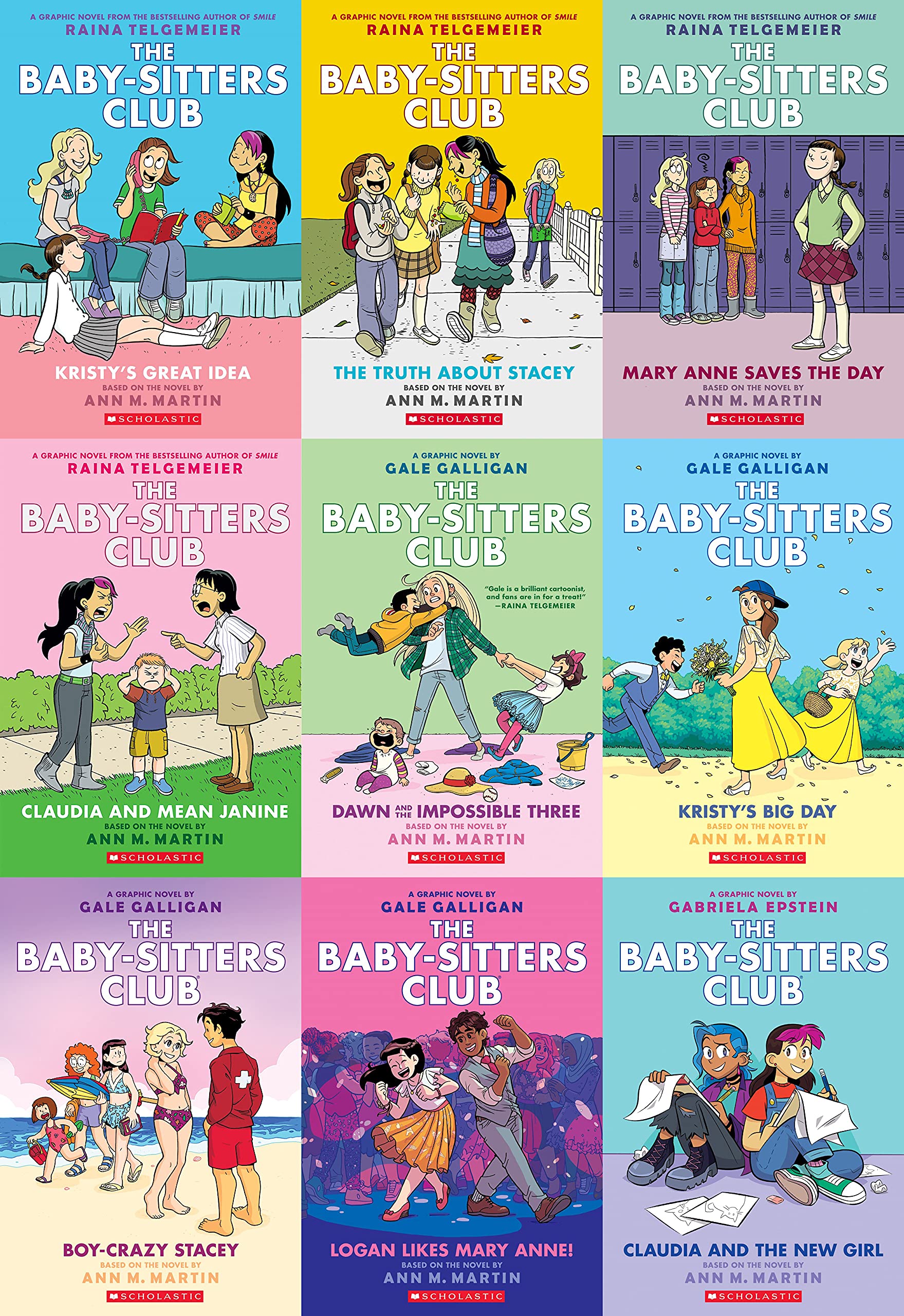
Navigating the graphic novel arm of the franchise requires keeping track of both sequential book numbers and special super-specials. The following table highlights the structural progression of the graphic novel sub-series leading up to the newest unveiled titles.
| Book Title / Volume | Original Novel Source | Primary Illustrator / Adaptor | Key Focus & Themes |
|---|---|---|---|
| Kristy’s Great Idea | Book 1 | Raina Telgemeier | Foundation of the club, neighborhood dynamics |
| Claudia and Mean Janine | Book 2 | Raina Telgemeier | Sibling rivalry, academic pressure, family health |
| Mary Anne Saves the Day | Book 3 | Raina Telgemeier | Independence, friendship conflict, growing up |
| Stacey’s Mistake | Book 4 | Gale Galligan | Managing chronic illness (diabetes), peer pressure |
| Dawn and the Impossible Three | Book 5 | Gale Galligan | Blended families, chaotic childcare, adjustment |
| Newest Unveiled Additions | Later Series Entries | Current Scholastic Graphix Artists | Advanced character arcs, evolving friendships, middle school challenges |
Target Audience, Accessibility, and Educational Value
While The Baby-Sitters Club is primarily marketed toward middle-grade readers aged 8 to 12 (roughly grades 3 through 7), the graphic novel format enjoys a broad readership that spans older teens and adult nostalgic collectors.
From an educational standpoint, graphic novels serve as a vital bridge for developing readers. The combination of text and sequential art supports reading comprehension, vocabulary acquisition, and visual literacy. Furthermore, the themes explored in the series—such as entrepreneurialism, problem-solving, conflict resolution, dealing with divorce, managing chronic health conditions, and navigating complex social dynamics—provide valuable emotional intelligence touchstones for young readers.
Collecting and Purchasing the Newest Graphic Novels
For parents, educators, and collectors looking to acquire the newest releases, several purchasing and accessibility avenues exist:
- Retail bookstores and comic shops: Major physical and independent bookstores typically stock new graphic novel releases prominently on release day, often featuring pre-order incentives or exclusive alternative covers.
- Library systems: Public libraries and school media centers heavily invest in Graphix titles due to high circulations, making them readily accessible for budget-conscious readers.
- Digital platforms: Authorized digital comic platforms and e-reader stores offer digital editions for tablets and e-readers, which can be particularly convenient for travel or accessibility font adjustments.
When purchasing physical copies, buyers can choose between paperback editions—which match the classic trade paperback format of the series—and occasional hardcover library bindings designed for durability in high-wear environments.
Frequently Asked Questions
Do I need to read the original prose books to understand the graphic novels?
No, prior reading is entirely unnecessary. Each graphic novel is structured as a self-contained story while maintaining the broader continuity of the overarching series. Readers can jump straight into the graphic novels without missing crucial context.
Who writes and illustrates the newest Babysitters Club graphic novels?
While Ann M. Martin remains the credited author for originating the source material and characters, the graphic novel adaptations are written and illustrated by professional comic creators and cartoonists commissioned by Scholastic’s Graphix imprint. These creators rotate depending on the specific volume.
Are the graphic novels faithful to the original 1980s and 90s settings?
The adaptations generally maintain the nostalgic small-town charm of Stoneybrook, but artists and editors occasionally update subtle background elements, clothing styles, and technology to feel more approachable for contemporary middle-grade readers while preserving the core eraless feel of the narrative.
Where can I check the official release schedule for future volumes?
Scholastic’s official website and catalog provide up-to-date release calendars for upcoming Graphix titles. Additionally, verified literary news outlets and comic industry databases track announcements regarding future adaptations.
Practical Next Steps for Fans
If you are eager to dive into the newest Babysitters Club graphic novel, verify your local library's catalog or pre-order through an independent bookstore to secure your copy upon release. Reviewing earlier volumes in the graphic novel sequence can also help refresh your memory regarding character relationships and subplots before tackling the latest additions to the Stoneybrook universe.
Image Gallery