Examining the Representation of Gay Soccer Players in Professional Athletics
There is no definitive, verifiable number of gay soccer players in the professional ranks globally, as sexual orientation is a private matter and many athletes choose not to disclose it publicly. While an increasing number of players h...
There is no definitive, verifiable number of gay soccer players in the professional ranks globally, as sexual orientation is a private matter and many athletes choose not to disclose it publicly. While an increasing number of players have come out, the total count remains unknown due to the complex intersection of personal privacy, social stigma, and the varying cultural climates in international soccer organizations.
Contents
The Complexity of Disclosure in Professional Sports
The question of how many gay soccer players exist is fundamentally a question of data transparency versus individual privacy. In professional athletics, a player’s sexual orientation is not a metric tracked by governing bodies like FIFA (Fédération Internationale de Football Association) or continental confederations such as UEFA or CONCACAF. Unlike performance statistics—goals, assists, tackles, or physical metrics—sexual orientation is not a performance-related variable, nor is it a requirement for licensure or registration.
From a sociological perspective, the professional soccer industry operates within a global framework where cultural acceptance varies drastically. Players residing in nations where homosexuality is criminalized or carries significant social penalties are unlikely to disclose their orientation. Even in countries where legal protections exist, the hyper-masculine culture often associated with professional football can create an environment where athletes fear that coming out might impact their commercial endorsements, team dynamics, or long-term career prospects. Consequently, any attempt to quantify the number of gay players is limited by the reality that official records do not exist.
Historical Context and Changing Landscapes
Historically, professional men’s football has seen very few players come out during the active phases of their careers. For decades, the "locker room culture" was cited by various players and analysts as a primary barrier to openness. The silence surrounding this topic was often interpreted by the public as a lack of presence, rather than a lack of disclosure.
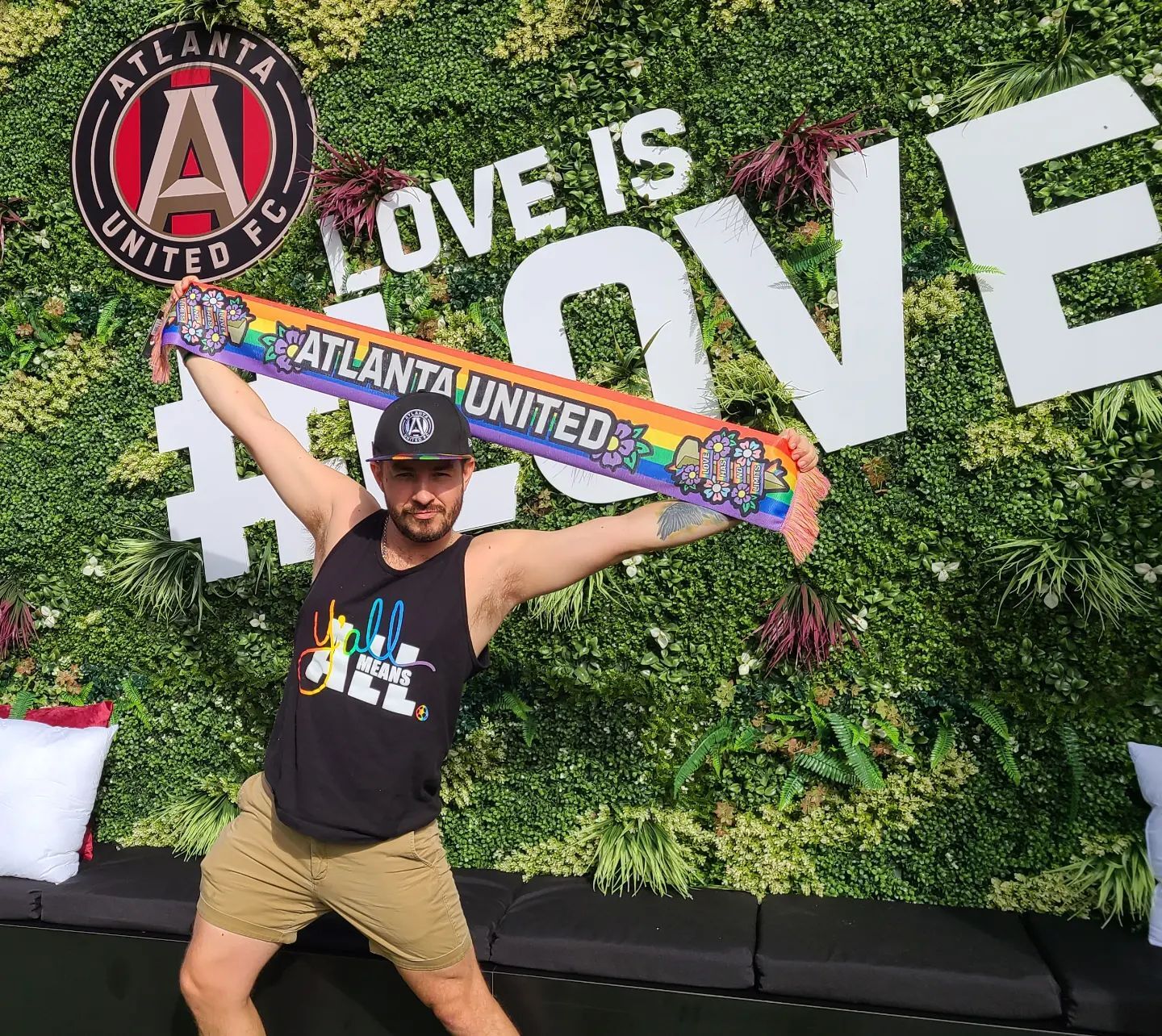
In recent years, the landscape has begun to shift, albeit slowly. The emergence of professional LGBTQ+ players in women’s football has been significantly more visible and widely accepted, with many top-tier players around the world openly living as gay. In the men’s game, the trend remains more guarded, though high-profile figures and campaigns from various leagues—such as the Premier League’s "Rainbow Laces" initiative—have worked to foster more inclusive environments. These initiatives do not aim to count players but to create a climate where individual disclosure is possible without fear of professional or social reprisal.
Comparison of Visibility: Men’s vs. Women’s Professional Football
It is important to distinguish between the experiences of men’s and women’s professional soccer, as the levels of visible representation differ significantly. While there is no formal census, the visibility in the women’s game has historically been higher, with several prominent international players identifying as members of the LGBTQ+ community without it acting as a professional deterrent.
| Feature | Men’s Professional Soccer | Women’s Professional Soccer |
|---|---|---|
| Public Visibility | Lower, primarily post-retirement | Higher, actively during career |
| Cultural Climate | Often hyper-masculine; higher perceived risk | More inclusive, historically supportive |
| Media Representation | Rare; often treated as a major news event | Common; often integrated into personal narratives |
| Governing Body Stance | Focus on anti-discrimination campaigns | Focus on inclusion and equity |
The disparities shown in this table reflect broader societal trends in sports. Women’s sports have frequently been at the forefront of queer visibility, whereas men’s sports continue to navigate ingrained structural and cultural barriers that discourage public disclosure.
Challenges to Accurate Measurement
Attempts to create a census of gay soccer players are thwarted by several factors beyond simple privacy. First, the definition of "professional" varies widely between a player in a Tier 1 European league and a player in a semi-professional league in a smaller nation. Second, the absence of a standardized, global definition of "professional" makes any demographic study impossible to conduct with academic rigor.
There is also the issue of the "silent cohort." Many players, both past and present, may be out to their immediate teammates and families but choose to remain private in the media. By relying on public reports or media headlines to "count" players, researchers and journalists only capture a subset of the population: those who have made a formal, public announcement. This methodology inevitably leads to a massive undercount that fails to represent the true diversity of the sport’s participants.
The Role of Governing Bodies and Policy
FIFA and other governing bodies have moved toward policies that emphasize non-discrimination. The FIFA statutes, specifically Article 4, explicitly prohibit discrimination of any kind, including that based on sexual orientation. However, these policies are regulatory in nature; they are designed to protect players from discrimination rather than to categorize them.
This regulatory framework is essential for maintaining the integrity of the game. For players who choose to disclose their identity, these protections are vital. They provide legal and administrative recourse in the event of harassment. Yet, these protections do not address the social or psychological barriers that prevent many players from coming out in the first place. The focus of the soccer world in 2026 remains on fostering an environment where the number of players coming out is less important than the assurance that every player feels safe and respected.
Frequently Asked Questions
Are there official lists of gay soccer players? No. No professional league, club, or governing body maintains a list or census of the sexual orientation of their players. Such information is considered private and is not required for employment or competition eligibility.
Why is it so rare for male professional soccer players to come out? The reasons are multifaceted, involving ingrained sports culture, the commercial pressure of endorsements, and the significant international variation in LGBTQ+ acceptance. Many players express concern that the media attention following such an announcement would overshadow their athletic performance.
Is the situation different for female soccer players? Yes. In the women’s professional game, there is a long history of LGBTQ+ athletes being open about their identities. Many top players in international leagues are openly gay, and the culture within professional women’s soccer is generally much more accepting and inclusive than the men’s game.
What should I do if I am looking for information on LGBTQ+ inclusion in sports? If you are interested in the efforts to make sports more inclusive, focus on organizations such as the You Can Play Project or similar sports-focused advocacy groups. These organizations provide resources on how to support LGBTQ+ athletes and understand the challenges they face in professional settings.
Will the number of out players increase in the future? While it is impossible to predict, sociological trends and the increasing global emphasis on diversity and inclusion suggest that the barriers to coming out are slowly diminishing. As the social climate shifts, it is likely that more athletes will feel comfortable sharing their authentic selves.
Next Steps and Further Research
For those interested in this topic, the most productive path is to look beyond the "count" and instead explore the progress of inclusion programs within clubs and federations. Rather than focusing on identifying specific individuals, readers may find value in examining the effectiveness of diversity training, the impact of anti-discrimination policies, and the evolving role of media in covering LGBTQ+ issues in sports.
If you are a player or a professional in the industry seeking resources, consider contacting your local league’s human resources department or national governing body to inquire about existing support programs. These entities are increasingly prepared to provide guidance on creating an inclusive environment, regardless of the number of out athletes currently on a roster.
Image Gallery