Navigating Local Bad Credit Loans in 2026: A Guide to Community-Based Lending
Local bad credit loans are personal or short-term financing options provided by physical institutions within your community, such as credit unions, community banks, or specialized finance companies. These lenders often prioritize your...
Local bad credit loans are personal or short-term financing options provided by physical institutions within your community, such as credit unions, community banks, or specialized finance companies. These lenders often prioritize your local ties, employment stability, and banking history over a traditional FICO score, making them a viable alternative to national online lenders.
Contents
Securing a loan when your credit score resides in the "subprime" or "poor" range (typically below 580 to 600) is a challenge that requires a strategic approach. In 2026, the lending landscape has shifted toward "relationship banking," where local institutions leverage alternative data—such as utility payment history and local residency duration—to assess risk. This guide explores the mechanisms of local lending, the types of loans available, and the steps required to secure funding near you.
Why Choose a Local Lender for Bad Credit?
While the convenience of national online platforms is significant, local lenders offer distinct advantages for borrowers with credit challenges. The primary benefit is the human element. Unlike automated algorithms used by major fintech firms, local loan officers at community banks and credit unions have the discretionary authority to consider the context behind a low credit score, such as medical emergencies or temporary layoffs.
Relationship-Based Underwriting
Local institutions often practice relationship-based underwriting. If you have maintained a checking account at a local credit union for several years, that institution sees your direct deposit history and spending habits. In 2026, this internal data is frequently more influential than a third-party credit report. By looking at the "whole person" rather than just a numerical score, local lenders can offer lower interest rates and more flexible repayment terms than high-interest online "payday" alternatives.
Faster Verification and Personal Accountability
Physical proximity allows for immediate document verification. Instead of waiting days for a digital system to verify a pay stub or a residency document, you can often walk into a branch and resolve discrepancies on the spot. Furthermore, local lenders are invested in the community's economic health, meaning they are often more willing to work with you on a "hardship" plan if you encounter trouble making payments later.
Types of Local Bad Credit Loans Available in 2026
When searching for "bad credit loans local," it is essential to distinguish between the various products available, as their costs and risks vary dramatically.
1. Credit Union Payday Alternative Loans (PALs)
The National Credit Union Administration (NCUA) regulates PALs, which are specifically designed to steer members away from predatory lending. In 2026, these remain the most consumer-friendly local option for bad credit.
- Loan Amounts: Typically $200 to $1,000.
- Interest Rates: Capped by federal regulation (often around 28% APR).
- Requirements: You must be a member of the credit union for at least one month.
2. Community Bank Personal Loans
Small, locally-owned banks often keep their loans "in-house" rather than selling them to the secondary market. This allows them to set their own criteria. They may offer unsecured personal loans or "CD-secured" loans, where you borrow against your own savings account to build credit while keeping your principal intact.
3. Title and Pawn Loans
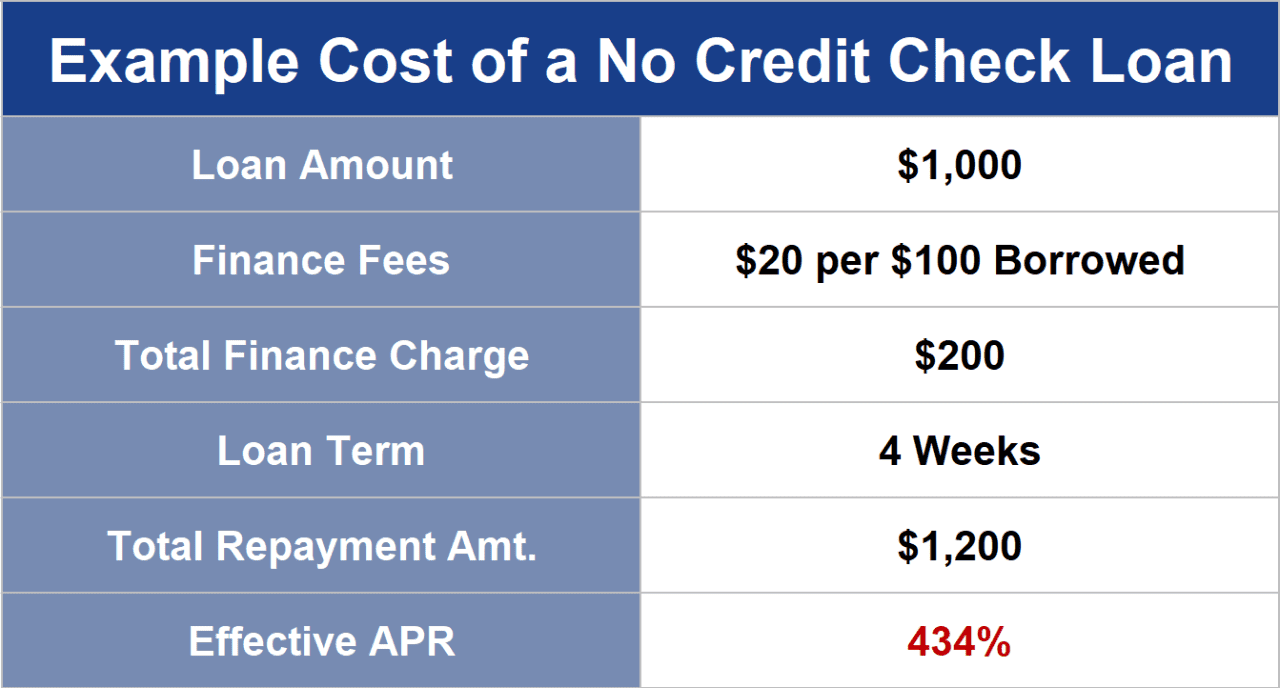
While widely available locally, these should be considered a last resort. Title loans require a vehicle as collateral, and pawn loans require physical property. In 2026, many states have introduced stricter interest rate caps on these products, but the APR can still exceed 300% in unregulated jurisdictions. If you fail to pay, you lose the asset immediately.
4. Local Non-Profit and CDFI Loans
Community Development Financial Institutions (CDFIs) are private-sector financial institutions that provide credit and financial services to underserved populations. They often receive federal funding to help local residents bridge financial gaps without resorting to predatory lenders.
Eligibility Requirements and Documentation
To succeed with a local loan application in 2026, you must arrive prepared. Local lenders value transparency and documentation.
Proof of Income and Stability
Because your credit score is low, your Income-to-Debt (DTI) ratio is the most critical metric. Lenders want to see that your monthly income comfortably covers your existing debts plus the new loan payment. Be prepared to provide:
- The last 90 days of pay stubs.
- The previous year’s W-2 or tax returns (especially for self-employed individuals).
- A letter of employment verification if you have recently started a new job.
Residency and Identity
Local lenders want to know you aren't going to disappear. Bring a valid government-issued ID and at least two utility bills (water, electric, or gas) in your name that match your current address. In 2026, many lenders also accept digital lease agreements or property tax statements as proof of local ties.
The "Letter of Explanation"
A common practice in local bad credit lending is providing a brief, written statement explaining why your credit score is low. If your credit was damaged by a specific event—such as a divorce, medical crisis, or identity theft—providing documentation of that event can significantly improve your chances of approval.
Comparing Local vs. National Loan Options
| Feature | Local Credit Union/Bank | National Online Lender | Local Title/Pawn Shop |
|---|---|---|---|
| Typical APR (2026) | 12% – 32% | 25% – 155%+ | 200% – 400% |
| Credit Check | Soft or Hard (Flexible) | Hard Pull (Strict) | Usually None |
| Approval Speed | 1–3 Business Days | Same Day to 24 Hours | Instant |
| Collateral Needed | Rarely (Unsecured) | Rarely (Unsecured) | Required (Car/Asset) |
| Relationship Benefit | High (Personalized) | Low (Algorithmic) | None |
The Application Process: Step-by-Step
- Audit Your Credit Report: Before visiting a local branch, obtain your free report from the major bureaus. In 2026, ensure there are no errors regarding your payment history, as local lenders will ask about recent delinquencies.
- Identify Local Institutions: Use the NCUA’s Credit Union Locator to find institutions in your zip code. Check their websites for "Small Dollar Loan" or "Personal Loan" sections.
- Gather Your "Proof of Life" File: This includes your income, residency, and the letter of explanation mentioned earlier.
- Schedule an In-Person Interview: While many have online portals, a face-to-face meeting at a local branch is where you can leverage your personality and local ties.
- Review the Truth in Lending Act (TILA) Disclosure: Before signing, local lenders are legally required to show you the total cost of the loan, including all fees and the final APR.
Avoiding Predatory "Local" Scams
Not every building with a "Loans" sign is a safe bet. In 2026, predatory lenders often disguise themselves as "community help centers."
- Upfront Fees: Legitimate local lenders never ask for "insurance" or "processing fees" paid via gift cards or wire transfers before the loan is funded.
- Guaranteed Approval: No regulated bank or credit union can guarantee approval without reviewing your financial situation. "Guaranteed" is a red flag for a high-interest trap.
- Unlicensed Operations: Check with your state’s Department of Financial Institutions to ensure the lender is licensed to operate in your jurisdiction.
Expert Guidance: Optimizing Your Borrowing Power
If you find that local lenders are still hesitant to approve your application, consider a co-signer. A local friend or family member with stronger credit can "vouch" for you by signing the loan agreement. This reduces the lender's risk and often results in a significantly lower interest rate. However, remember that the co-signer is legally responsible for the debt if you default, which can strain personal relationships.
Another 2026 strategy is the "Credit Builder Loan." Many local banks offer these where the loan amount is held in a locked savings account while you make payments. Once the loan is paid off, you receive the cash and a significantly higher credit score, making you eligible for a standard local loan in the future.
Frequently Asked Questions
Can I get a local bad credit loan with no credit check? Generally, only title lenders and pawnshops offer loans with "no credit check," but these come with extremely high interest rates and the risk of asset forfeiture. Regulated local banks and credit unions will almost always perform a credit inquiry, though they may weigh the results differently than national banks.
How long does it take to get funds from a local lender? While some local credit unions can fund a loan within 24 hours, the typical timeframe is 1 to 3 business days. This allows the local loan committee or manager to review your documentation and verify your employment.
Are local bad credit loans safer than online loans? They are often safer because local institutions are subject to both state and federal oversight and have a physical presence where you can resolve disputes. Additionally, local credit unions have capped interest rates that are often far lower than the "triple-digit" APRs found on some national bad credit websites.
What is the minimum credit score for a local community bank loan? There is no universal minimum. Some community banks will work with scores as low as 520 if the borrower has a stable job, low existing debt, and a long-standing history in the community. The focus is on the "ability to repay" rather than the score alone.
Do local loans help build my credit score? Yes, provided the lender reports to the three major credit bureaus (Equifax, Experian, and TransUnion). Most credit unions and community banks do report payments, which helps rebuild your credit over time. Always ask the lender if they report to the bureaus before signing.
Practical Recommendation: Start by visiting a local credit union where you already have an account. If you do not have one, join a "community-chartered" credit union in your area. Request a meeting with a loan officer to discuss a Payday Alternative Loan (PAL) or a small-dollar personal loan. Bringing your documentation in person and demonstrating a clear plan for repayment is your strongest tool for overcoming a poor credit score in 2026.
Image Gallery