Strategies for Reducing Sophia’s Auto Insurance Costs in 2026
Reducing auto insurance expenses requires a systematic review of coverage limits, individual driving profiles, and available market incentives. By adjusting policy parameters—such as deductible amounts, bundling services, and verifying...
Reducing auto insurance expenses requires a systematic review of coverage limits, individual driving profiles, and available market incentives. By adjusting policy parameters—such as deductible amounts, bundling services, and verifying eligibility for telematics-based discounts—policyholders can often lower premiums without sacrificing essential financial protection against vehicle damage or liability.
Contents
Evaluating Your Current Coverage Structure
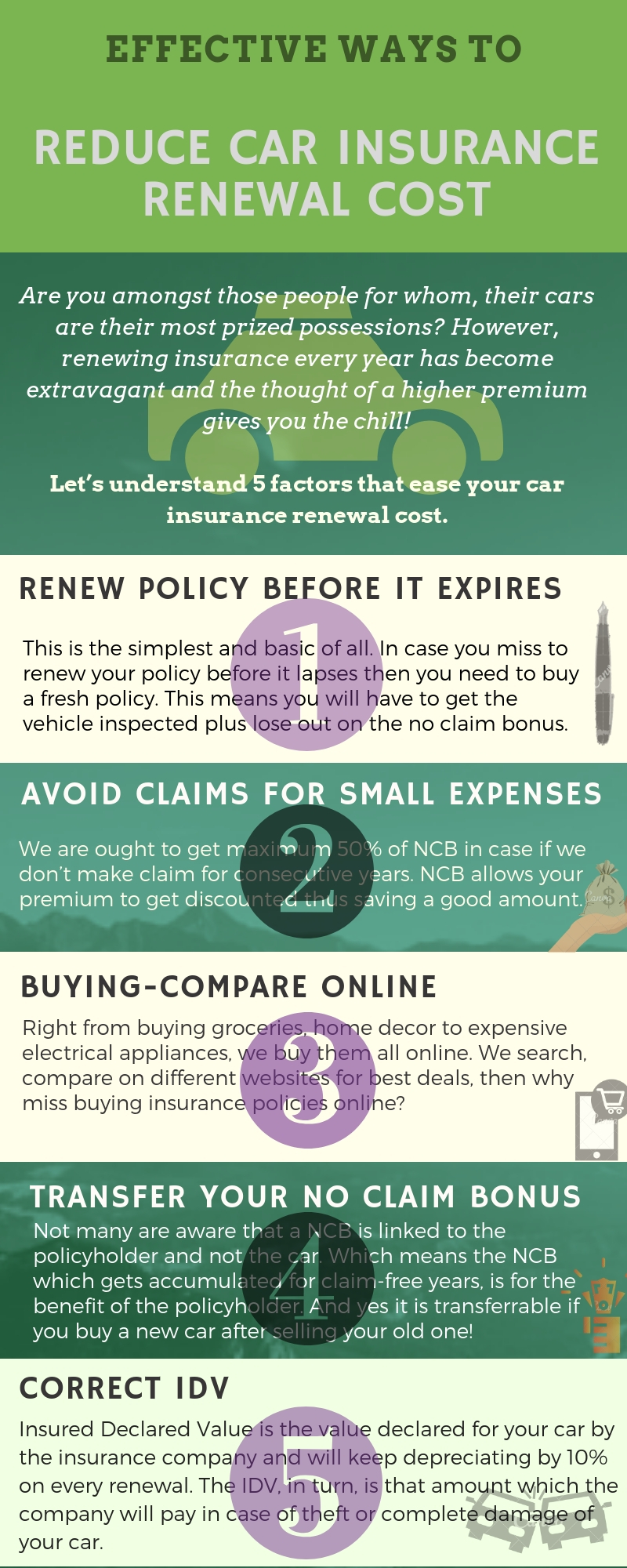
Before attempting to lower insurance costs, you must perform a comprehensive audit of your existing policy. Many drivers maintain coverage levels that were appropriate years ago but no longer align with the current 2026 market value of their vehicle or their personal financial risk tolerance.
Start by examining your "Declarations Page." This document itemizes exactly what you are paying for, including liability limits, comprehensive coverage, and collision coverage. If Sophia’s vehicle is an older model with low market value, the cost of maintaining collision and comprehensive coverage might exceed the potential payout in the event of a total loss. Insurance experts often suggest the "10% rule": if your annual premiums for comprehensive and collision coverage exceed 10% of your car’s actual cash value (ACV), it may be mathematically prudent to drop those specific coverages and self-insure against minor damages.
Adjusting Deductibles for Long-Term Savings
The deductible is the portion of a claim you agree to pay out-of-pocket before the insurance carrier covers the remainder. Raising this amount is one of the most effective ways to lower annual premiums. By increasing a standard $500 deductible to $1,000 or $2,000, you demonstrate to the insurer that you are willing to assume more risk, which typically results in a lower premium.
However, this strategy requires discipline. You must maintain an emergency fund capable of covering the higher deductible should an accident occur. If you cannot afford the $2,000 hit to your savings, lowering your premium in this manner may expose you to significant financial hardship during an unexpected event.
Leveraging Multi-Policy Bundling
Insurance companies prioritize customer retention, which is why they often provide substantial discounts to individuals who hold multiple policies with the same provider. Known as bundling, this strategy often involves combining auto insurance with home, renters, or life insurance.
In 2026, many major carriers have streamlined their digital platforms to make cross-policy discounts easier to manage. If Sophia’s home or renters insurance is held by a different company, requesting a quote for a combined package is a logical first step. Discounts from bundling can range from 5% to 25% of the total premium, often resulting in a lower net cost for the auto insurance policy even if the bundled policies have slight variations in price.
Utilizing Telematics and Usage-Based Insurance
Usage-Based Insurance (UBI) programs have evolved significantly. These programs use mobile apps or plug-in devices to monitor driving habits, such as speed, acceleration, braking patterns, and the time of day the vehicle is operated.
If Sophia is a safe, infrequent driver, opting into a telematics program can lead to significant savings. Many carriers offer an initial discount just for signing up, with the potential for further price reductions upon renewal if the driving data reflects low-risk behavior. It is important to review the privacy policy of these programs, as they involve constant tracking of location and movement. For individuals prioritizing privacy, this may not be the optimal path, but for those focused strictly on cost reduction, it remains a powerful tool in the current insurance landscape.
Comparing Market Alternatives
Insurance rates are not static, and loyalty to a single provider for decades does not always equate to the best pricing. In 2026, the insurance market remains highly competitive. It is standard practice to shop for new quotes every 12 to 24 months, or whenever there is a major life change such as moving, marriage, or the addition of a new driver to the household.
Use the table below to evaluate which adjustments might be most applicable to your situation.
| Strategy | Primary Benefit | Potential Risk | Complexity |
|---|---|---|---|
| Increase Deductibles | Immediate premium drop | Higher out-of-pocket costs | Low |
| Bundling Policies | Multi-product discount | Less flexibility in providers | Moderate |
| Telematics Programs | Rewards safe driving | Privacy considerations | Moderate |
| Dropping Full Coverage | Massive premium reduction | Uncovered financial loss | High |
| Improving Credit Score | Lower risk-based pricing | Requires long-term effort | High |
Understanding the Role of Credit-Based Insurance Scores
In many jurisdictions, insurance companies use credit-based insurance scores as a factor in determining premiums. This is distinct from a traditional credit score, though both are influenced by your financial habits. Insurers argue that this score helps predict the likelihood of future claims.
If you have improved your financial standing, such as paying down debt or correcting errors on your credit report, it is worth contacting your insurance agent to request a "re-score." While not all states or carriers allow this mid-policy, it is a frequently overlooked method for ensuring your premium accurately reflects your current financial responsibility.
Reviewing Eligibility for Specific Credits
Beyond the major adjustments mentioned, there are several "soft" discounts that are often buried in policy fine print. These include:
- Good Student Discounts: For younger drivers who maintain a specific Grade Point Average (GPA).
- Defensive Driving Courses: Successfully completing a state-approved course can trigger a mandatory premium reduction in some regions.
- Safety Features: Vehicles equipped with advanced driver-assistance systems (ADAS), such as lane-keep assist or automatic emergency braking, may qualify for lower rates because they reduce the statistical probability of a crash.
- Affinity Group Discounts: Some professional organizations, alumni associations, or employers have partnerships with insurance companies that offer exclusive rates.
Frequently Asked Questions
Will switching insurance companies hurt my credit score? Generally, no. When you request a quote, companies perform a "soft inquiry," which does not impact your credit score. Only a formal application that leads to an actual credit check would constitute a "hard inquiry," which might cause a minor, temporary dip in your score.
Does a higher credit score always mean lower insurance premiums? In regions where credit-based scoring is permitted, a higher score is statistically correlated with fewer claims. Therefore, improving your credit score is one of the most effective ways to lower your insurance cost over the long term, though it is not an immediate fix.
Can I drop collision coverage if my car is financed? No. If your vehicle is financed or leased, the lender usually requires you to maintain both comprehensive and collision coverage until the loan is fully paid off. This protects the lender’s interest in the asset.
How often should I re-evaluate my auto insurance policy? It is advisable to perform a full review at least once a year, or whenever you experience a major life event. Market conditions change, and new discounts may have been introduced that were not available when you first purchased your policy.
What is the difference between comprehensive and collision coverage? Collision covers damage to your car resulting from a crash with another vehicle or object. Comprehensive covers damage from non-collision events, such as theft, vandalism, fire, natural disasters, or contact with animals. Both are optional if your car is paid off but are often required by lenders.
Next Steps for Reducing Costs
To initiate these changes, start by gathering your current policy documents and a list of your vehicle’s current safety features. Contact your current provider first to ask for a "coverage review" and specifically inquire about any discounts you are not currently receiving. If the renewal quote remains higher than competitors, use an independent insurance aggregator or contact a local insurance broker to compare quotes from at least three different carriers. By taking a proactive approach to managing your coverage, you ensure that you are paying only for the protection you truly need.
Image Gallery