Getting a Flu Shot While Sick: When to Get It, When to Wait, and Medical Guidelines
If you have a mild illness without a fever, such as a minor cold or runny nose, you can safely get a flu shot. However, if you are experiencing a moderate-to-severe illness or a fever, public health experts recommend waiting until your...
If you have a mild illness without a fever, such as a minor cold or runny nose, you can safely get a flu shot. However, if you are experiencing a moderate-to-severe illness or a fever, public health experts recommend waiting until your acute symptoms resolve before receiving your influenza vaccination.
Contents
Medical Disclaimer: The information provided in this article is for educational purposes only and should not replace professional medical advice, diagnosis, or treatment. Always consult your physician or a qualified healthcare provider regarding medical conditions or vaccination schedules.
General Medical Guidance: Can You Get a Flu Shot While Sick?
Deciding whether to receive a flu shot while feeling unwell depends primarily on the severity of your symptoms and the presence of a fever. According to guidance from the Centers for Disease Control and Prevention (CDC), a mild acute illness—such as a minor upper respiratory cold, mild nasal congestion, or a slight sore throat—does not prevent you from getting an inactivated influenza vaccine. Mild symptoms do not reduce the vaccine’s ability to generate a strong immune response, nor do they significantly increase the likelihood of adverse reactions.
However, if you are suffering from a moderate or severe acute illness, healthcare providers universally advise delaying vaccination. This caution applies regardless of whether the illness includes a high body temperature. Postponing vaccination ensures that temporary side effects from the shot do not complicate your current clinical picture, while also preventing the spread of contagious pathogens to clinic staff and other patients in waiting areas.
Understanding where your symptoms fall on the spectrum of illness helps you make an informed decision, avoid unnecessary appointment cancellations, and ensure you remain protected throughout the influenza season.
Determining Illness Severity: When to Vaccinate vs. When to Postpone
To determine whether you should keep or reschedule your flu shot appointment, assess your body's overall state of health using standard clinical categories: mild, moderate, and severe.
- Assess Current Symptoms
- Mild Symptoms / No Fever
- Mild runny nose
- Minor sore throat
- Slight allergy-like sniffles
- Decision: PROCEED WITH FLU VACCINATION
- Moderate-Severe / Fever
- Temperature > 100.4°F (38°C)
- Severe chest congestion
- Gastrointestinal distress
- Decision: POSTPONE UNTIL RECOVERY
- Mild Symptoms / No Fever
Mild Illnesses (Green Light for Vaccination)
A mild illness typically involves localized symptoms restricted to the upper respiratory tract without systemic distress. Examples include:
- A minor runny or stuffy nose
- Mild throat scratchiness or a slight tickle in the throat
- Mild, seasonal allergy-like symptoms without systemic fatigue
- A low-grade feeling of being slightly off, provided body temperature remains normal
If you are experiencing these low-level symptoms and feel generally functional, clinical guidelines support proceeding with your flu vaccination. Studies show that mild illness does not impair antibody production following vaccination with the standard inactivated influenza vaccine (IIV) or recombinant influenza vaccine (RIV).
Moderate to Severe Illnesses (Red Light / Defer Vaccination)
Moderate-to-severe illnesses affect multiple body systems or cause noticeable systemic impairment. You should reschedule your vaccination if you experience any of the following:
- Elevated Fever: A body temperature of 100.4°F (38°C) or higher.
- Systemic Respiratory Distress: Heavy chest congestion, persistent deep coughing, wheezing, or shortness of breath.
- Gastrointestinal Distress: Active vomiting, diarrhea, severe stomach cramping, or inability to keep fluids down.
- Systemic Prostration: Severe body aches, muscle weakness, severe fatigue, or chills that require bed rest.
In these situations, the immune system is actively managing a significant infectious or inflammatory challenge. Deferring the vaccine until your acute symptoms improve allows your body to dedicate its resources to recovery while eliminating confusion between disease progression and vaccine-induced responses.
Fever Thresholds and What They Mean
Fever serves as a clear diagnostic boundary for healthcare providers evaluating vaccine readiness. A fever indicates that your innate immune system is actively mounting an inflammatory cascade to fight off a pathogen.
If your temperature reaches or exceeds 100.4°F (38°C), medical consensus requires postponing vaccination until the fever has fully resolved for at least 24 hours without the use of fever-reducing medications such as acetaminophen or ibuprofen. Vaccinating while febrile can exacerbate systemic discomfort and make it difficult to determine whether subsequent body temperature spikes stem from the underlying infection or the vaccine itself.
Symptom Assessment Matrix: Decision Guide for Flu Vaccination
The table below outlines common symptom profiles, recommended vaccination timing, and the clinical rationale behind each recommendation based on standard public health guidelines.
| Current Symptom Profile | Primary Examples | Vaccination Status | Clinical Rationale & Action Plan |
|---|---|---|---|
| Mild Upper Respiratory | Clear runny nose, mild scratchy throat, minor sneezing | Proceed | Immune response is unaffected; vaccine side effects remain minimal. Proceed with appointment. |
| Mild Seasonal Allergies | Itchy eyes, mild congestion, sneezing without fever | Proceed | Non-infectious inflammatory response; does not interfere with vaccine efficacy. |
| Febrile Illness | Fever $\ge$ 100.4°F (38°C), chills, night sweats | Postpone | Prevents exacerbation of fever; wait until fever-free for 24 hours without medication. |
| Acute Gastrointestinal | Nausea, active vomiting, severe diarrhea, dehydration | Postpone | Systemic stress and dehydration complicate recovery. Wait until oral intake stabilizes. |
| Moderate/Severe Respiratory | Productive cough, chest tightness, difficulty breathing | Postpone | Requires primary medical evaluation to rule out bronchitis, pneumonia, or severe infection. |
| Confirmed Infectious Disease | Active COVID-19, strep throat, acute influenza | Postpone | Isolates patient to prevent transmission to healthcare workers and clinic visitors. |
Key Reasons Healthcare Providers Recommend Delaying Vaccination During Severe Illness
Patients often ask why doctors advise postponing a flu shot during a moderate or severe illness. The recommendation relies on three foundational medical principles: diagnostic clarity, community infection control, and operational safety.
REASONS TO DELAY VACCINATION:
- Diagnostic Clarity
- Distinguishes vaccine side effects from illness progression.
- Infection Control
- Prevents spreading contagious pathogens to clinic visitors.
- Symptom Overlap Management
- Avoids compounding systemic inflammation during acute distress.
Diagnostic Clarity and Monitoring
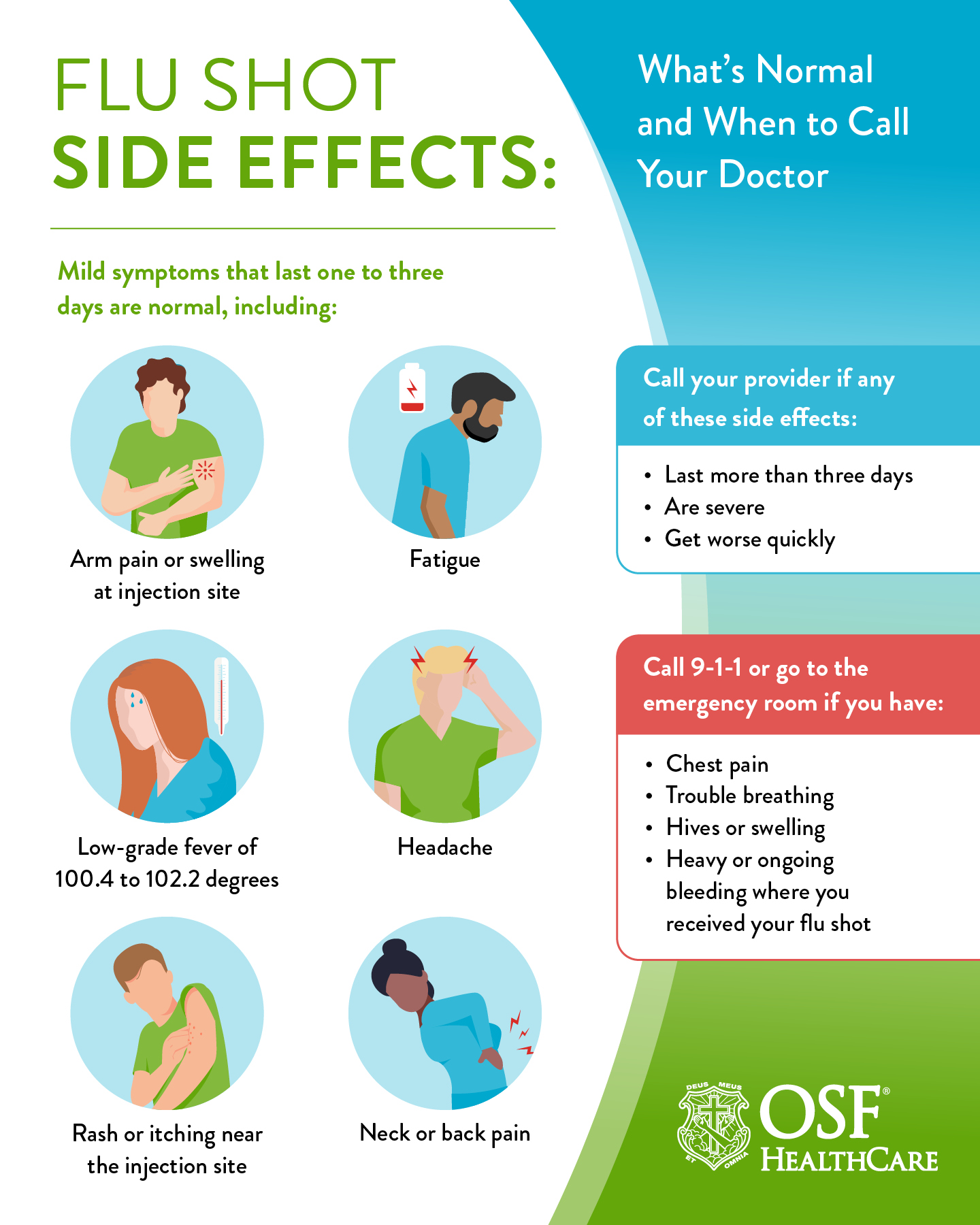
Following an inactivated flu shot, some individuals experience minor, temporary side effects, such as a low-grade fever, muscle soreness, headache, or mild fatigue. If you receive a flu shot while severely ill, it becomes challenging for clinicians to distinguish between:
- Expected, harmless side effects of the vaccine.
- Worsening of your pre-existing illness or the development of secondary complications (such as bacterial pneumonia).
If your condition deteriorates after receiving a vaccine while sick, healthcare providers may struggle to determine whether you are experiencing an adverse reaction or an illness complication. Delaying the shot until your baseline health stabilizes provides clarity if new symptoms arise after vaccination.
Infection Control in Healthcare Settings
Visiting a clinic, pharmacy, or doctor's office while actively ill with a contagious pathogen exposes healthcare workers, staff, and other patients—many of whom may be elderly, pregnant, or immunocompromised—to illness. The Mayo Clinic highlights that remaining home while acutely ill protects public health settings from unnecessary viral and bacterial exposure.
Preventing Combined Symptom Burden
Although a flu shot does not cause the flu, it triggers an immune response designed to produce protective antibodies. If your immune system is already responding to a severe infection, adding the temporary inflammatory response from a vaccine can make you feel noticeably more uncomfortable, compounding your systemic fatigue and aches.
Special Circumstances: COVID-19, Antivirals, and High-Risk Conditions
Specific health conditions and medication regimens require specialized considerations when timing your flu shot.
Active COVID-19 Infection
If you test positive for COVID-19 or suspect you have it, you should postpone your flu shot until your isolation period has ended and your acute symptoms have resolved. According to recommendations from the Advisory Committee on Immunization Practices (ACIP), this deferral is not because the COVID-19 virus reduces flu vaccine efficacy, but primarily to prevent exposing healthcare staff and public spaces to SARS-CoV-2.
Once you meet the criteria to break isolation and your fever has resolved without medication, you can safely receive your flu shot. Co-administration of flu shots and COVID-19 vaccines is safe when you are healthy, but acute infection warrants waiting until full recovery.
Antibiotics and Antiviral Medications
A common misconception is that taking antibiotics prevents you from getting a flu shot.
- Antibiotics: Antibiotics target bacterial infections and do not interact with or neutralize inactivated influenza vaccines. If you are taking antibiotics for a minor bacterial issue (such as a mild skin infection or targeted urinary tract infection) and feel well otherwise, you can get a flu shot. However, if the underlying bacterial infection causes severe fatigue or fever, wait until you feel better.
- Antiviral Drugs: If you are taking prescription influenza antivirals (such as oseltamivir or baloxavir), they do not interfere with standard inactivated injectable flu shots (IIV4). However, antiviral medications can reduce the effectiveness of the Live Attenuated Influenza Vaccine (LAIV)—the nasal spray flu vaccine—because antivirals inhibit live virus replication. If you have taken antivirals recently, choose the injectable flu shot or wait the recommended timeframe before getting the nasal spray.
ANTIVIRAL MEDICATION INTERACTION CONSIDERATIONS:
- Injectable Flu Shot (IIV)
- Uses inactivated virus
- NO interaction with antivirals
- Safe during antiviral therapy
- Nasal Spray Vaccine (LAIV)
- Uses live attenuated virus
- Antivirals reduce efficacy
- Avoid antivirals 48h before to 14 days after LAIV
High-Risk Individuals and Chronic Health Conditions
Individuals with underlying chronic medical conditions—such as asthma, chronic obstructive pulmonary disease (COPD), heart disease, diabetes, or kidney dysfunction—face an elevated risk of severe flu complications.
For high-risk individuals, getting vaccinated as early as possible in the season is critical. If you have a chronic condition and develop a mild cold, you should generally proceed with vaccination rather than delaying protection unnecessarily. However, if your chronic condition is currently experiencing an acute flare-up or severe infection, consult your managing physician to determine the ideal vaccination date.
Step-by-Step Guide: What to Do If You Are Sick on Your Vaccine Appointment Day
If your scheduled flu shot appointment arrives while you are feeling unwell, follow these actionable steps to handle the situation appropriately:
STEP 1: Take Your Temperature & Log Symptoms
- Check for fever (≥ 100.4°F) and note systemic vs. mild issues.
STEP 2: Evaluate Severity Category
- Mild cold / no fever: Keep appointment.
- Moderate-severe / fever: Plan to reschedule.
STEP 3: Notify Your Pharmacy or Clinic
- Call to reschedule if postponing, protecting staff and patients.
STEP 4: Monitor Recovery & Set New Appointment Date
- Schedule for 24-48 hours after fever resolves naturally.
Take Your Temperature: Measure your body temperature using a reliable digital thermometer. If your reading is 100.4°F (38°C) or higher, plan to reschedule.
Catalog Your Symptoms: Write down your primary symptoms. Differentiate localized issues (runny nose, minor throat tickle) from systemic issues (chills, muscle soreness, nausea, chest congestion).
Call Your Provider or Pharmacy: Contact your appointment location. Inform the clinical staff of your symptoms. Pharmacists and clinic nurses routinely advise patients on whether to come in or postpone based on local protocols.
Reschedule Strategically: If postponing, select a new date approximately 3 to 7 days out. Ensure your new date allows for at least 24 full hours of being fever-free without using fever-reducing medications.
Maintain Preventative Measures: While awaiting your rescheduled date, practice supportive care: stay hydrated, rest, wear a well-fitted mask if you must leave home, and wash your hands frequently.
Frequently Asked Questions
Will getting a flu shot while sick make my current illness worse?
No, an inactivated flu shot will not exacerbate the underlying pathogen causing your illness. The vaccine contains non-infectious, inactivated viral components or recombinant proteins that cannot replicate. However, because your body may generate a mild immune response (such as temporary soreness or low-grade fatigue), receiving the shot while moderately or severely ill can make you feel temporarily more uncomfortable.
Does having a fever reduce how well the flu shot works?
A fever does not inherently lower the long-term efficacy of the inactivated flu shot. However, healthcare providers advise against getting vaccinated during a febrile illness primarily to avoid compounding your body temperature and to prevent confusion between vaccine side effects and worsening infection.
Can I get a flu shot while taking prescription antibiotics?
Yes, you can receive an injectable flu shot while taking antibiotics, provided you do not have a high fever or severe systemic symptoms. Antibiotics act exclusively against bacterial infections and do not interfere with how your body processes inactivated viral vaccines.
How long should I wait after recovering from illness to get my flu shot?
For mild illnesses, you do not need to wait once you feel up to visiting a provider. For moderate-to-severe illnesses or infections accompanied by a fever, you should wait until your fever has been absent for at least 24 hours without fever-reducing medication and your acute symptoms have noticeably improved.
Are the rules different for the nasal spray flu vaccine compared to the flu shot?
Yes. The nasal spray vaccine (Live Attenuated Influenza Vaccine or LAIV) contains weakened live viruses. It is approved only for healthy, non-pregnant individuals aged 2 through 49. If you have significant nasal congestion from a cold, the nasal spray may not be absorbed effectively through the mucosal lining, rendering it less effective. If you have nasal congestion, opt for the standard injectable flu shot instead.
Final Recommendation and Next Steps
Timing your flu shot correctly ensures you receive maximum protection with minimal discomfort. If your symptoms are limited to a minor cold without a fever, proceed with your vaccination as planned. If you are experiencing a fever, gastrointestinal illness, severe chest congestion, or significant fatigue, reschedule your appointment for a few days after your symptoms resolve.
Protection against influenza takes approximately two weeks to fully develop following vaccination, as outlined by the U.S. Food and Drug Administration (FDA). Once your fever has subsided for 24 hours without medication, book your rescheduled appointment promptly to stay protected throughout the influenza season.
Image Gallery