Google in the Netherlands Explained: Operations, Impact, and Local Presence
Google operates in the Netherlands as a critical hub for both its commercial activities and its physical infrastructure, serving as a primary node for the company’s European data center network and corporate strategy. The organization...
Google operates in the Netherlands as a critical hub for both its commercial activities and its physical infrastructure, serving as a primary node for the company’s European data center network and corporate strategy. The organization coordinates its regional presence through its Dutch office, which focuses on cloud services, advertising, and the management of extensive server infrastructure that supports Google’s global platforms across the continent.
Contents
The Strategic Role of the Netherlands for Google
The Netherlands functions as more than just a consumer market for Google; it acts as a foundational pillar for the company’s European digital infrastructure. Since 2014, Google has invested significantly in the Eemshaven region in the province of Groningen. This facility, one of the company’s largest data centers, serves as a high-performance hub that processes search queries, video traffic on YouTube, and enterprise workloads for Google Cloud.
The selection of the Netherlands is driven by several factors, including the country’s high-quality digital infrastructure, stable energy grid, and reliable connectivity to major subsea data cables. By locating servers in the northern part of the country, Google benefits from efficient power distribution and proximity to European markets, ensuring that latency remains low for users across the Benelux region and beyond.
Corporate Operations and Legal Identity
Google’s presence in the Netherlands is formally structured under its corporate entities, which manage regional sales, advertising partnerships, and software development teams. These offices typically handle the business-to-business relationships with Dutch enterprises, helping companies integrate tools such as Google Ads, Google Workspace, and Google Cloud into their operations.
In the Dutch market, Google operates under strict compliance with both European Union regulations and local Dutch laws. This includes adherence to the General Data Protection Regulation (GDPR), which governs how user data—such as search history, location data, and advertising identifiers—is processed, stored, and protected. As of 2026, the company continues to navigate ongoing discussions with the Dutch Data Protection Authority (Autoriteit Persoonsgegevens) regarding the transparency of data collection practices and the implementation of user consent mechanisms.
Infrastructure and Sustainability Goals
Google’s data center operations in the Netherlands are intrinsically linked to its global sustainability targets. The Eemshaven facility has been a testbed for the company’s "24/7 carbon-free energy" initiative. Because the Dutch power grid is increasingly integrated with offshore wind farms, Google has entered into long-term Power Purchase Agreements (PPAs) to ensure that its energy consumption is matched by renewable production on an hourly basis.
These environmental commitments are not merely corporate messaging; they are requirements for maintaining the social license to operate in a country that prioritizes sustainability in large-scale infrastructure projects. The heat generated by the server facilities is also occasionally repurposed in municipal projects, reflecting a collaborative approach to resource management between the private sector and local Dutch governments.
Comparing Google’s Local Services
While many users interact with Google through the standard search engine, its business footprint in the Netherlands is characterized by a suite of services specifically tailored for the local economy. The following table highlights the primary components of Google’s service ecosystem within the Dutch territory.
| Service Segment | Core Function in the Netherlands | Target Audience |
|---|---|---|
| Google Cloud | Data hosting, AI processing, and infrastructure | Enterprises, startups, and public sector |
| Google Ads | Digital marketing and local intent advertising | SME owners and national brands |
| YouTube | Content distribution and ad-supported media | Consumers and content creators |
| Data Centers | Backend processing and network stability | Global/Regional platform stability |
| Android/Chrome | Browser and mobile operating systems | General population and device users |
User Privacy and Regulatory Oversight
For users in the Netherlands, interacting with Google means operating within a highly regulated digital environment. The Dutch legal framework, influenced by the European Digital Markets Act (DMA), mandates that large digital platforms provide interoperability and maintain fair competition. Consequently, users in the Netherlands may notice different interface prompts regarding data sharing and browser choice compared to markets outside the European Economic Area.
It is common for users to encounter "cookie consent" banners and account settings that prioritize data transparency. Google provides the "My Activity" dashboard for all Dutch users, which allows for the manual deletion of location history and search data. These tools are the result of the intersection between Google's business model and the robust privacy protection standards enforced by European regulators.
Common Questions About Google in the Netherlands
Is the Google search experience different in the Netherlands?
Yes, the search experience is localized to provide relevant Dutch-language results, map data, and local business information. By using the google.nl domain, the algorithm prioritizes content from Dutch publishers and local service providers, ensuring that search intent is met with geographic specificity.
Where are Google's main offices located in the country?
Google maintains its primary corporate offices in Amsterdam. These offices serve as the command center for commercial activities, including sales, marketing, and the support of Dutch advertising partners. The data center infrastructure, conversely, is located in Eemshaven, Groningen.
How does Google handle taxation and local business regulations?
Google complies with Dutch tax laws and international tax treaties. Its operations are subject to standard corporate tax regulations. Furthermore, the company engages in transparent dialogue with Dutch tax authorities regarding its international financial structures, as is common practice for global tech organizations operating within the European Union.
Can I visit a Google data center in the Netherlands?
Public access to Google data centers is restricted due to strict physical and cybersecurity requirements. These facilities house sensitive infrastructure that supports critical global traffic. While Google occasionally provides virtual tours or publishes updates about its infrastructure, physical access is limited to authorized personnel and contractors.
What are the main benefits of Google's presence for the Dutch economy?
Beyond direct employment, Google’s presence stimulates the local economy by providing digital transformation tools for small and medium-sized enterprises. Furthermore, the massive investment in the Eemshaven facility supports the regional energy transition by providing a stable, high-volume consumer for renewable energy, which incentivizes the development of green energy infrastructure in the northern provinces.
Next Actions for Users and Businesses
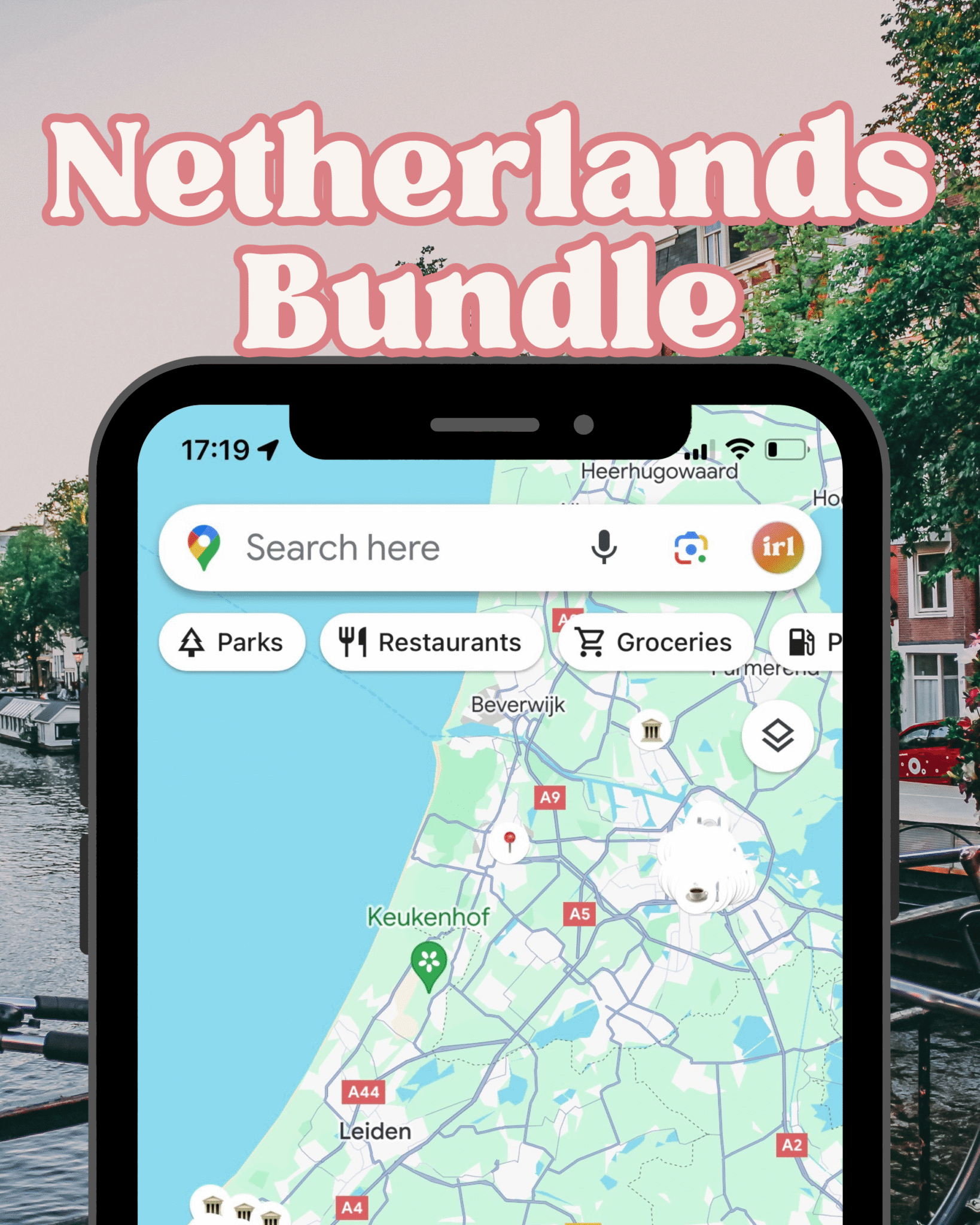
If you are a business owner operating in the Netherlands, the most effective way to engage with Google’s local ecosystem is to verify your business via Google Business Profile. This ensures that your enterprise appears accurately on Google Maps and Search, which is the primary touchpoint for local consumer intent. For developers and IT professionals, exploring the Google Cloud region in the Netherlands can provide significant advantages in terms of reduced latency and compliance with EU data residency requirements.
If you are a regular user, it is recommended to review your account privacy settings annually. Navigating to the Google Account dashboard allows you to verify that your data sharing preferences align with your current requirements, ensuring that your experience remains both personalized and private.
Image Gallery