Choosing a Los Angeles Moving and Storage Company: A 2026 Comprehensive Guide
To choose a reliable Los Angeles moving and storage company in 2026, verify their license with the California Bureau of Household Goods and Services (BHGS), confirm they carry active workers' compensation and cargo insurance, and reque...
To choose a reliable Los Angeles moving and storage company in 2026, verify their license with the California Bureau of Household Goods and Services (BHGS), confirm they carry active workers' compensation and cargo insurance, and request an in-home or virtual visual survey for a binding estimate. Prioritize companies with specific experience navigating Los Angeles’s unique parking regulations and neighborhood logistics.
Contents
Navigating the relocation process in a sprawling metropolis like Los Angeles requires more than just a truck and a few sets of hands. As of 2026, the Southern California moving market has become increasingly sophisticated, integrating digital inventory management with strict state-level consumer protections. Whether you are moving from a high-rise in DTLA to a suburban home in Santa Clarita or require long-term storage during a home renovation, the complexity of LA’s geography—ranging from narrow Hollywood Hill canyons to congested coastal corridors—demands a specialized approach to selection.
Understanding the Los Angeles Moving Landscape in 2026
The logistics of moving in Los Angeles are governed by two primary factors: regulatory compliance and geographical constraints. In California, the moving industry is overseen by the Bureau of Household Goods and Services (BHGS). Unlike many other states where oversight may be lax, California enforces the MAX 4 Tariff, which sets the maximum rates movers can charge for various services and outlines specific consumer rights.
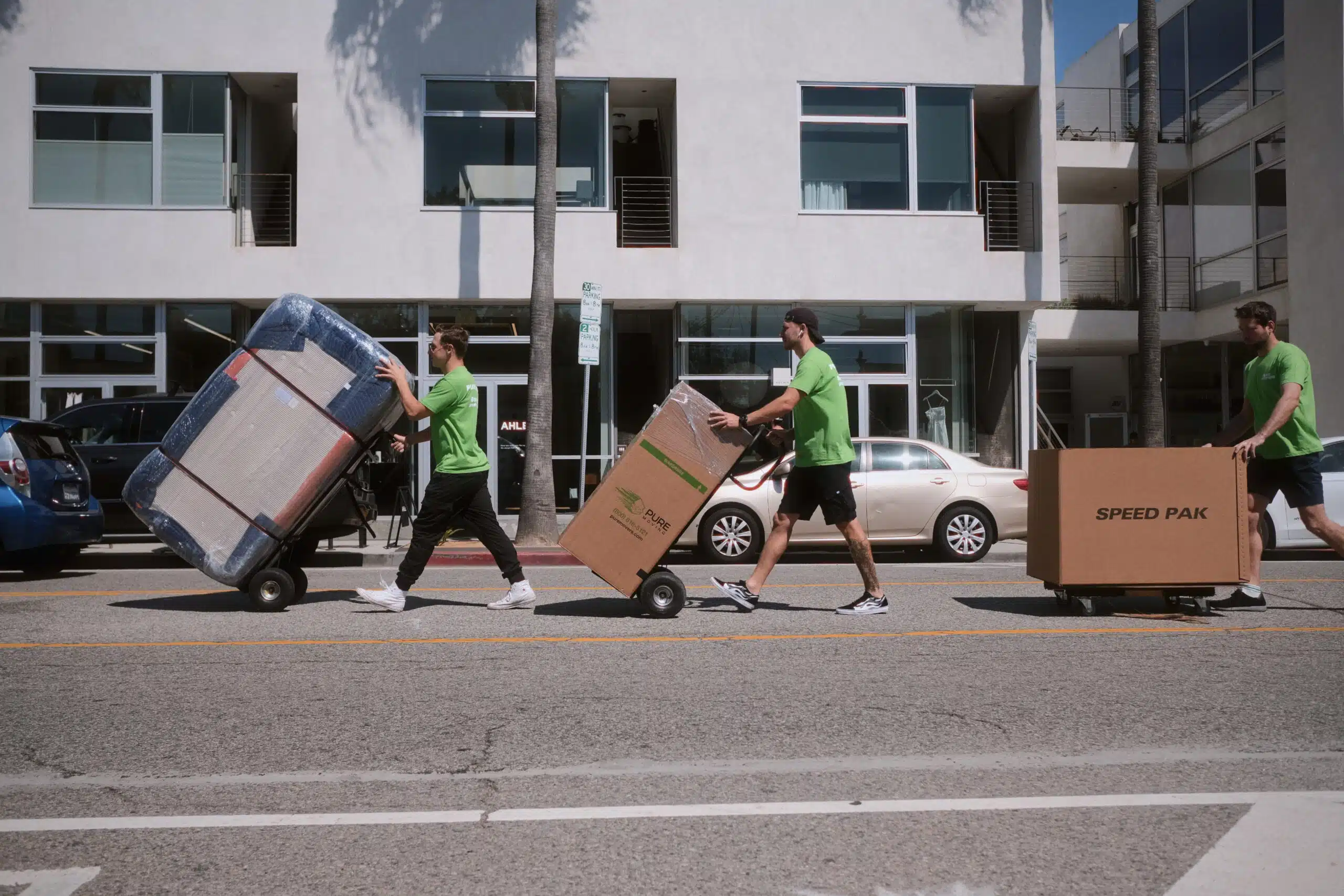
In 2026, the physical challenges of the city remain constant. Traffic patterns on the 405, 101, and 10 freeways dictate the timing of moves, while local parking restrictions require movers to be well-versed in obtaining Temporary No Parking (TNP) signs from the Los Angeles Department of Transportation (LADOT). Choosing a company that lacks this local knowledge often results in significant delays, parking fines, or the inability to park a large moving van near your residence, necessitating a "long carry" or "shuttle service" at an additional cost.
Verifying Legal Compliance and Licensing
The most critical step in your selection process is ensuring the company is legally authorized to operate. A legitimate Los Angeles mover must possess an active MTR (Household Goods Mover) permit issued by the BHGS. This permit ensures the company meets minimum insurance requirements and adheres to safety standards.
How to Verify a Mover's Credentials
- Check the BHGS Database: Visit the California Department of Consumer Affairs search portal. Enter the company’s name or MTR number. The status must be "Active."
- Verify USDOT and MC Numbers: If your move crosses state lines (e.g., Los Angeles to Phoenix), the company must be registered with the Federal Motor Carrier Safety Administration (FMCSA). They will require a USDOT number and an MC (Motor Carrier) number.
- Insurance Documentation: Request a Certificate of Insurance (COI). A reputable company should carry:
- Cargo Insurance: Covers your belongings in case of damage during transit.
- General Liability: Protects the property (walls, floors, elevators) during the move.
- Workers' Compensation: Protects you from liability if a mover is injured on your property.
Evaluating Estimates and Pricing Structures
In 2026, Los Angeles movers typically offer three types of estimates. Understanding the nuances of these contracts is essential for budget management and avoiding "hostage load" scenarios where a mover refuses to unload goods until a higher price is paid.
1. Non-Binding Estimate
This is an approximation of the cost based on the mover’s assessment. The final price can exceed the estimate based on the actual time or weight. In California, however, the final bill for a non-binding estimate cannot exceed the original estimate plus 10% if the services remain the same.
2. Binding Estimate
A binding estimate guarantees the total cost of the move based on the inventory listed at the time of the estimate. If you add items on moving day, the company can renegotiate the price, but otherwise, the quote is fixed.
3. Binding Not-to-Exceed Estimate
This is the most consumer-friendly option. You will not pay more than the estimate, but if the move takes less time or the weight is lower than predicted, you pay the lower amount.
The Double Drive Time Rule
One unique aspect of California moving law is Double Drive Time (DDT). Under the MAX 4 Tariff, movers are required to charge for the time spent driving between the origin and the destination, then double that amount. This is designed to compensate the mover for the time spent returning to their warehouse. For example, if the drive from your old home in Pasadena to your new home in Santa Monica takes 45 minutes, you will be billed for 90 minutes of drive time.
Navigating Storage Options in Los Angeles
When your new home isn't ready or you are downsizing, choosing the right storage solution is as important as the move itself. Los Angeles companies generally offer three primary storage models in 2026.
Warehouse/Vault Storage
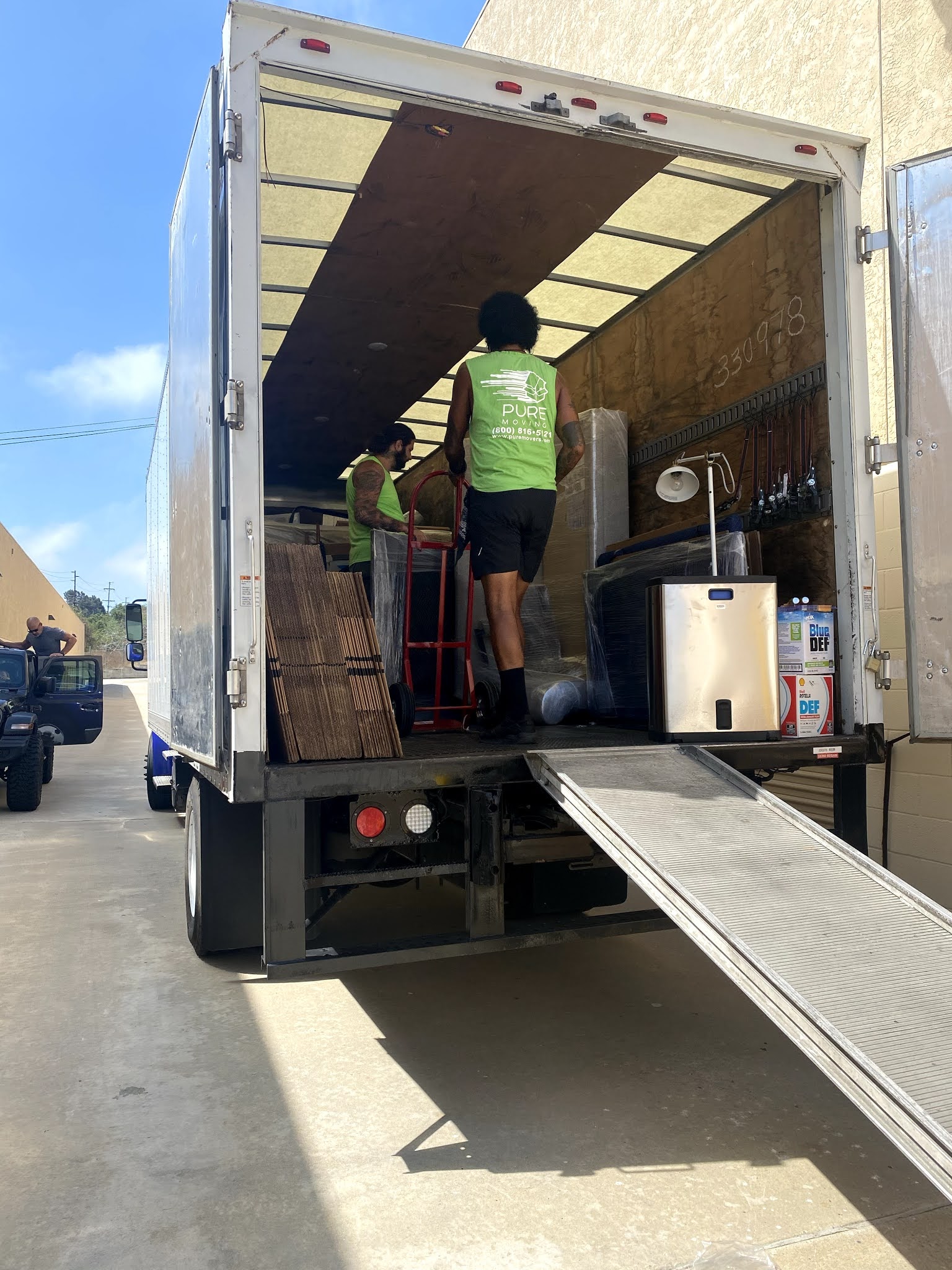
This is the traditional method used by full-service moving companies. Your items are loaded into large wooden crates (vaults) at your home, sealed, and then transported to a secure warehouse.
- Pros: High security, professional packing, often cheaper for long-term needs.
- Cons: No "walk-in" access; you must schedule a delivery to retrieve items.
Portable Storage Containers
Companies like PODS or local Los Angeles competitors deliver a container to your street or driveway. You or the movers load it, and it is stored at a facility or left on-site.
- Pros: Flexibility in loading/unloading, easier access.
- Cons: Requires street permits in Los Angeles, which can be difficult to obtain in neighborhoods like West Hollywood or Silver Lake.
Self-Storage Units
You rent a specific room in a facility.
- Pros: Full access to your belongings 24/7 or during business hours.
- Cons: You are responsible for the move-in and organization; security can vary.
| Feature | Warehouse/Vault Storage | Portable Containers | Self-Storage |
|---|---|---|---|
| Best For | Long-term, high-value items | Renovations, DIY loading | Frequent access needs |
| Pricing | Monthly per vault | Monthly per container | Monthly per sq. foot |
| Inventory | Professionally managed | Self-managed | Self-managed |
| Climate Control | Standard in most warehouses | Rare for street units | Optional/Common |
| Accessibility | By appointment only | On-site or facility access | Immediate |
Protection and Liability: Valuation Coverage
One of the most common misconceptions in the moving process is that movers provide "insurance." Legally, movers provide valuation, which is the level of liability they assume for your goods.
- Released Value Protection: This is the basic coverage required by law at no extra cost. It covers only $0.60 per pound per article. If a 100-pound television worth $2,000 is destroyed, the mover is only liable for $60.
- Full Value Protection (FVP): For an additional fee, the mover is liable for the replacement value of lost or damaged items. In 2026, most high-end Los Angeles movers include this in their premium packages. If an item is damaged, the mover must repair it, replace it with a like item, or offer a cash settlement for the current market value.
Red Flags to Watch For
The moving industry in Southern California has seen a rise in "rogue movers" who operate without licenses. Avoid any company that exhibits the following behaviors:
- No Physical Address: If the company only lists a phone number and has no verifiable warehouse or office in the Los Angeles area.
- Cash-Only Demands: Legitimate companies in 2026 use digital payment systems or credit cards to maintain a paper trail.
- Generic Phone Greetings: If they answer the phone as "Movers" rather than a specific company name.
- Lack of Booklet: California law requires movers to provide a copy of the "Important Information for Persons Moving Household Goods" booklet before the move begins.
Frequently Asked Questions
Do I need a parking permit for my move in Los Angeles?
In many LA neighborhoods, especially in areas like Santa Monica, Beverly Hills, and downtown, a moving truck cannot legally park on the street without a permit. You should ask your moving company if they handle the procurement of LADOT Temporary No Parking signs. If they don't, you must apply for them at least 72 hours in advance through the city's Moving Vans and Special Events portal.
How far in advance should I book a Los Angeles mover?
For moves during the peak season (May through September) or at the end of the month, you should book at least 4 to 6 weeks in advance. For mid-month moves during the winter, 2 weeks is often sufficient. In 2026, many companies offer early-booking discounts for those who finalize their dates 60 days out.
Are packing materials usually included in the estimate?
Generally, no. Packing materials like boxes, bubble wrap, and tape are usually billed as "actuals" based on what is used. To save money, many Los Angeles residents source recycled boxes or rent plastic moving bins, which are increasingly popular in 2026 for their environmental benefits and durability.
What should I do if my items are damaged?
Under California law, you have a specific window (typically 9 months for interstate moves, but often shorter for local moves) to file a written claim with the mover. Document the damage with photographs and keep the damaged item; do not throw it away until the adjuster has inspected it.
Is "Double Drive Time" mandatory in California?
Yes. It is a state-mandated calculation under the MAX 4 Tariff for all local moves (moves under 100 miles). It protects both the consumer and the mover by creating a standardized way to bill for the time spent in Los Angeles’s unpredictable traffic.
Final Recommendations for a Successful Relocation
To ensure a seamless experience with a Los Angeles moving and storage company, your final step should be to get everything in writing. Never rely on a verbal quote given over the phone without a supporting inventory list. In the weeks leading up to your move, declutter your space to reduce the total weight/volume, and pack a "first-night" box containing essentials like chargers, toiletries, and basic tools. By verifying BHGS licensing and opting for Full Value Protection, you can mitigate the primary risks associated with moving in a high-density urban environment.
Image Gallery