How Oracle Management Cloud Encryption Security Works
Oracle Management Cloud (OMC) utilizes a multi-layered security architecture designed to protect sensitive monitoring data throughout its lifecycle, employing robust encryption protocols for data at rest and in transit. By integrating...
Oracle Management Cloud (OMC) utilizes a multi-layered security architecture designed to protect sensitive monitoring data throughout its lifecycle, employing robust encryption protocols for data at rest and in transit. By integrating advanced cryptographic standards with identity-based access controls, the platform ensures that telemetry, log files, and configuration data remain shielded from unauthorized exposure while residing within the Oracle Cloud infrastructure.
Contents
Core Encryption Architecture in Oracle Management Cloud
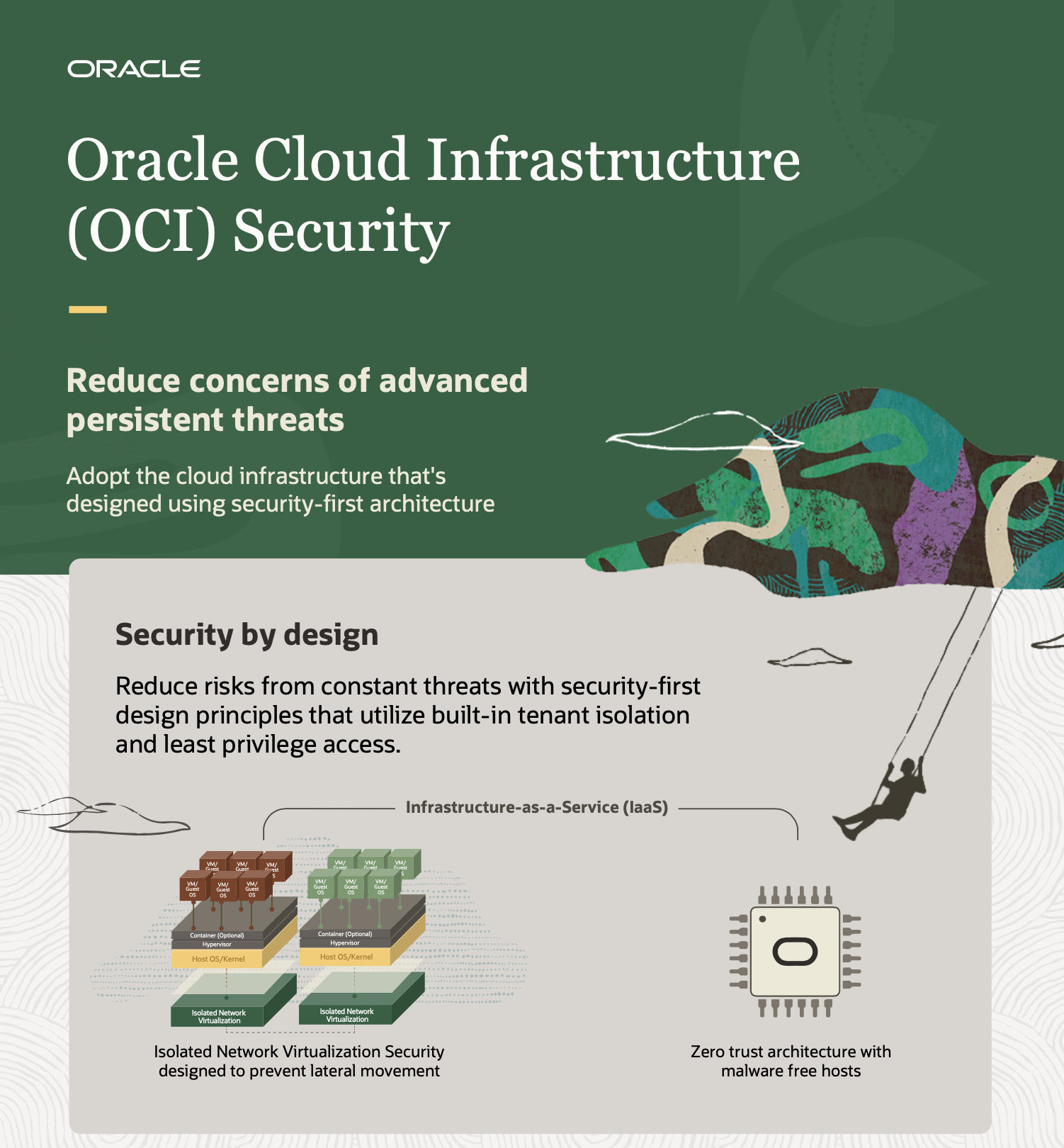
At the foundation of Oracle Management Cloud security is the principle of defense-in-depth. Because OMC serves as an integrated platform for monitoring, managing, and securing applications and infrastructure, the volume of data handled—ranging from system performance metrics to potentially sensitive log entries—requires consistent and rigorous protection mechanisms.
Data in Transit Protection
Data flowing between monitored entities (such as on-premises servers or cloud-based virtual machines) and the Oracle Management Cloud backend is encrypted using Transport Layer Security (TLS). As of 2026, Oracle mandates the use of TLS 1.2 or higher for all communication channels. This ensures that even if traffic is intercepted during transmission over public or private networks, the information remains unreadable to external actors. The handshake process involves robust cipher suites that verify the identity of the OMC endpoint before the transmission of any telemetry or configuration data begins.
Data at Rest Encryption
Once data reaches the Oracle Cloud storage layer, it is encrypted using industry-standard Advanced Encryption Standard (AES) algorithms, typically with 256-bit keys. This ensures that the physical storage media or the cloud object storage buckets are secured. Even if an underlying physical disk were accessed, the data would remain cryptographically locked. Oracle manages the lifecycle of these encryption keys, often utilizing the Oracle Cloud Infrastructure (OCI) Vault service to handle key rotation and secure storage, which adds a layer of separation between the data and the keys required to unlock it.
The Role of Oracle Identity Cloud Service (IDCS)
Encryption alone is insufficient without strong identity management. OMC integrates directly with the Oracle Identity Cloud Service (IDCS) to control who can access the encrypted data. Encryption protects the "what," while IDCS enforces the "who."
Access to management consoles and the data contained within them is governed by Role-Based Access Control (RBAC). Administrators can define specific privileges, ensuring that only users with a legitimate business need can view performance dashboards or analyze sensitive log data. Because the system is unified under a single identity provider, authentication is standardized across the environment, reducing the risk of orphaned accounts or inconsistent security policies.
Integration with On-Premises Security Gateways
For organizations managing hybrid environments, the Oracle Management Cloud Gateway serves as the secure conduit between the customer's data center and the Oracle Cloud. The gateway acts as a hardened proxy that facilitates the encrypted transit of data.
- Authentication: The gateway uses secure credentials registered with the OMC tenant to establish a trusted connection.
- Buffering and Compression: Before transmission, data is processed, compressed, and encrypted at the gateway level.
- Transmission: The encrypted stream is pushed to the OMC backend over an outbound-only connection, which prevents external entities from initiating unsolicited inbound connections to the customer's internal network.
Comparison of Security Controls
| Security Feature | Implementation Mechanism | Primary Objective |
|---|---|---|
| Transit Encryption | TLS 1.2+ Protocols | Prevent interception during data transfer |
| At-Rest Encryption | AES-256 Bit Encryption | Protect data on physical or cloud storage |
| Access Control | Oracle IDCS / RBAC | Enforce the principle of least privilege |
| Network Boundary | Outbound-Only Gateway | Prevent unauthorized inbound access |
Operational Security Requirements
To maintain the integrity of encryption and access, administrators must adhere to several operational requirements. Security is a shared responsibility; while Oracle secures the infrastructure, the user is responsible for configuration management.
Key Management Policies
Organizations should utilize OCI Vault or equivalent key management services to perform regular key rotation. Rotation minimizes the amount of data encrypted with a single key, limiting the potential blast radius should a key ever be compromised. Monitoring logs for unauthorized access attempts to the vault is a critical component of the overall security posture.
Agent Hardening
The management agents deployed on customer hosts are essential components of the security chain. These agents should be kept up to date to ensure that they include the latest security patches and cryptographic libraries. Administrators should regularly audit agent connectivity to ensure that the gateway remains the only path for data egress, preventing "shadow" monitoring or data leaks from misconfigured endpoints.
Addressing Common Security Challenges
A primary concern for users is the performance impact of encryption. While encrypting data does introduce a negligible computational overhead, modern hardware acceleration for AES ensures that this impact is rarely felt in production environments.
Another challenge involves auditability. Because OMC manages data across diverse platforms, demonstrating compliance to auditors can be complex. Organizations should leverage the native auditing capabilities of the Oracle Cloud to generate reports on data access patterns and encryption status. These logs serve as evidence of compliance with regulatory frameworks such as GDPR, HIPAA, or SOC2, providing a clear trail of who accessed what data and when.
Frequently Asked Questions
Does Oracle Management Cloud encrypt log data at the source?
Yes, data is encrypted by the management agent on the source host before it is sent across the network. This ensures that the data is encrypted during its entire journey until it arrives at the secure Oracle cloud environment.
Can I manage my own encryption keys for OMC?
Yes, depending on the specific OCI service integration, you can utilize Bring Your Own Key (BYOK) or Customer Managed Keys through the OCI Vault, allowing you to maintain control over the key lifecycle rather than relying solely on Oracle-managed keys.
What happens if the connection to the gateway is interrupted?
The management agents are designed to buffer data locally for a limited duration. Once the secure, encrypted connection to the OMC backend is restored, the buffered data is transmitted, ensuring no data loss occurs while maintaining encryption integrity.
Are there specific firewall rules required for the OMC Gateway?
The gateway requires outbound access to specific Oracle Cloud URLs and ports. Because the connection is outbound-only, it eliminates the need to open inbound ports on the corporate firewall, which significantly reduces the attack surface of the internal network.
How are security updates applied to the encryption protocols?
Oracle manages the backend updates automatically. For client-side components like the gateway and agents, Oracle provides documentation and update procedures that administrators must trigger or schedule to ensure that the latest cryptographic standards are in use.
Recommended Next Steps
To ensure your deployment of Oracle Management Cloud remains secure, conduct a quarterly review of your identity and access management policies. Verify that all agents are running the latest versions and confirm that your encryption keys are being rotated in accordance with your organization’s internal security compliance policy. If you have not yet enabled auditing for your OCI Vault, prioritize this as a critical security configuration to monitor the health and access status of your encryption keys.
Image Gallery