Do You Need Auto Insurance for a Vespa?
Whether you need insurance for a Vespa depends entirely on its engine displacement (cc rating) and how it is classified under your local Department of Motor Vehicles or equivalent regional transit authority. In most jurisdictions, high...
Whether you need insurance for a Vespa depends entirely on its engine displacement (cc rating) and how it is classified under your local Department of Motor Vehicles or equivalent regional transit authority. In most jurisdictions, high-powered Vespas require standard motorcycle or motor scooter insurance, while low-powered, class-specific mopeds may face different rules, though financial protection remains vital for every rider.
Contents
Navigating the legal and financial requirements of operating a two-wheeled vehicle can be confusing, particularly when terms like "auto insurance," "motorcycle insurance," and "scooter coverage" are used interchangeably by insurers and consumers. Understanding how insurance policies apply to these iconic Italian scooters ensures you remain legally compliant on public roads while protecting yourself against potential financial liabilities.
Understanding Vespa Classifications: From 50cc to 300cc
To determine your insurance obligations, you must first understand how motor scooters are categorized. Vespa manufactures scooters across a wide spectrum of engine displacements, typically ranging from 50cc up to 300cc models like the Vespa GTS. Regulatory bodies classify these vehicles not by their brand name, but by their maximum speed capabilities and engine size.
A 50cc Vespa (such as the Vespa Primavera 50) is often classified as a moped or motorized bicycle in many regions. These models usually have a restricted top speed—typically around 30 to 39 miles per hour. Because of their lower speeds, some regional transportation departments exempt 50cc models from mandatory liability insurance requirements. Conversely, 125cc, 150cc, and 300cc Vespas are universally classified as motorcycles or motor-driven cycles. They are capable of keeping up with modern highway and arterial traffic, meaning they are legally treated just like traditional motorcycles in the eyes of the law and insurance carriers.
Legal Requirements: Is Insurance Mandatory for Your Scooter?
The legal mandate for insurance hinges strictly on vehicle registration and local traffic statutes. If your Vespa requires a motorcycle endorsement or a standard license plate to operate on public streets, it almost certainly requires active liability insurance.
Operating an uninsured motor vehicle can lead to severe penalties, including steep fines, license suspension, vehicle impoundment, and personal liability for damages in the event of an accident. Even in jurisdictions where 50cc mopeds do not legally mandate liability coverage, riding without protection exposes you to immense financial risk if you cause property damage or bodily injury to another person.
Furthermore, if you financed your Vespa through a dealer or a bank, the lender will contractually require you to carry comprehensive and collision coverage until the loan is fully paid off, regardless of local statutory minimums.
Types of Insurance Coverage Available for Vespas
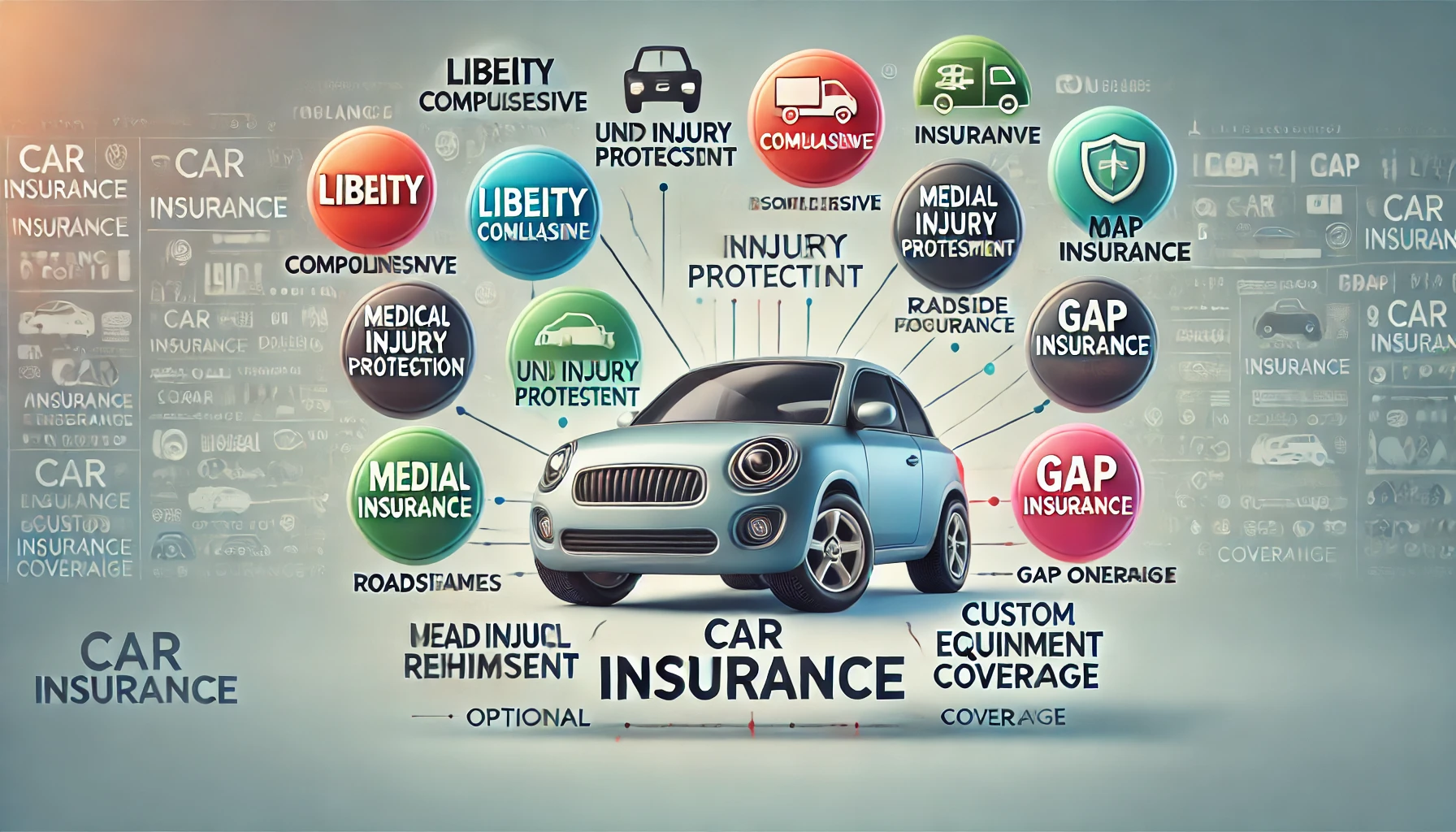
When you purchase a policy for a Vespa, you will encounter several distinct coverage types. Choosing the right mix depends on the value of your scooter, how often you ride, and your personal risk tolerance.
- Liability Coverage: Covers bodily injury and property damage you cause to others in an accident. This is the bare minimum required by law for street-legal motor vehicles.
- Collision Coverage: Pays for damage to your Vespa if you collide with another vehicle or object, such as a guardrail or pothole, regardless of fault.
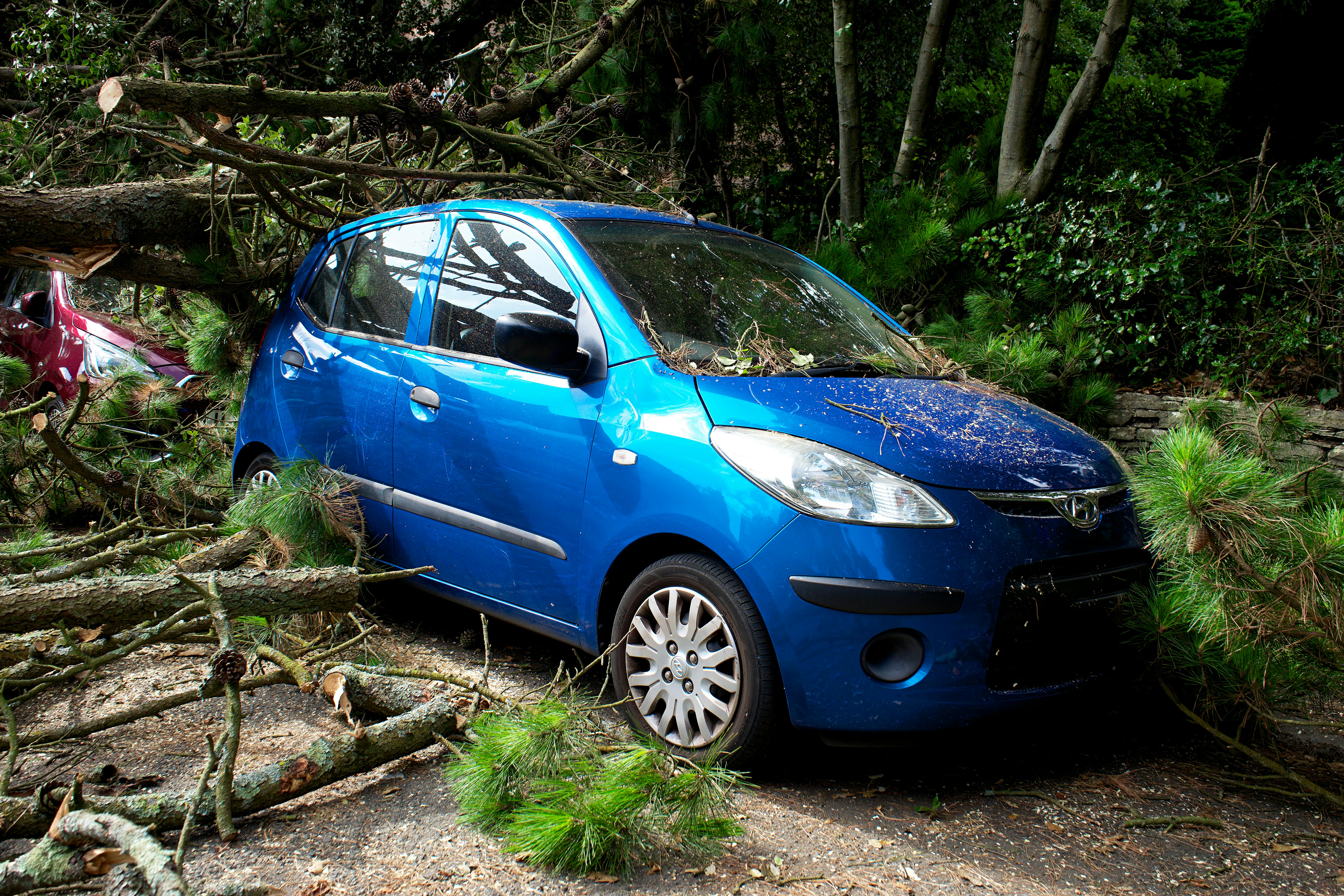
- Comprehensive Coverage: Protects your scooter against non-collision events, including theft, vandalism, fire, windstorms, and falling objects. Scooter theft can be a concern in urban environments, making comprehensive coverage a smart investment.
- Uninsured/Underinsured Motorist Coverage: Covers your medical bills and repair costs if you are struck by a driver who carries no insurance or lacks adequate limits to pay for your damages.
- Medical Payments (MedPay) or Personal Injury Protection (PIP): Helps cover medical expenses for you and your passengers following an accident, regardless of who is at fault.
Comparing Insurance Requirements by Vespa Engine Size
| Vespa Engine Displacement | Typical Top Speed | Standard Legal Classification | Mandatory Insurance Status | Recommended Policy Types |
|---|---|---|---|---|
| 50cc (e.g., Primavera 50) | 30–35 mph | Moped / Motorized Bicycle | Varies by state/country; often optional if under 30–50cc | Liability, Comprehensive, Collision |
| 125cc / 150cc (e.g., Sprint 150) | 55–65 mph | Motorcycle / Scooter | Mandatory for all public roads | Full Coverage (Liability, Collision, Comprehensive, UM/UIM) |
| 300cc (e.g., GTS 300 Super) | 75+ mph | Motorcycle | Mandatory for all public roads | Full Coverage with high liability limits |
Cost Factors and Influences on Vespa Insurance Premiums
Insuring a Vespa is generally much less expensive than insuring a passenger automobile or a high-displacement sport motorcycle. On average, standard Vespa insurance policies can range from $100 to $400 per year, depending heavily on your profile and coverage choices.
Several key factors influence your overall premium:
- Rider Age and Experience: Younger, inexperienced riders face higher rates due to statistical risk. Completing a Motorcycle Safety Foundation (MSF) course can often secure you a discount.
- Driving Record: Traffic violations, speeding tickets, and past accidents will increase your insurance costs.
- Location: Urban areas with high traffic density and higher rates of vehicle theft will command higher premiums compared to rural or suburban settings.
- Storage and Security: Storing your Vespa in a locked garage overnight lowers the risk of theft and vandalism, which insurers reward with lower comprehensive rates.
- Coverage Limits: Opting for higher liability limits and lower deductibles will raise your annual premium but provide greater financial security.
Frequently Asked Questions
Can I add my Vespa to my standard auto insurance policy?
Most major auto insurance companies do not add motor scooters or motorcycles to a standard personal auto policy. Instead, they typically underwrite them through a separate motorcycle or specialized two-wheeler policy, though you may still qualify for a multi-policy discount if you insure your car with the same carrier.
Do I need a motorcycle license to ride a Vespa?
This depends on the engine size. In most regions, operating a 50cc scooter requires only a standard driver's license or a specialized moped permit. For any Vespa with an engine displacement of 125cc or greater, a full motorcycle license or endorsement is legally required.
Is theft protection included in basic Vespa insurance?
No. Basic liability insurance only pays for damage and injuries you cause to other people. To protect your Vespa against theft—which is a primary concern for scooter owners—you must purchase optional comprehensive coverage.
What should I do if my Vespa is financed?
If your Vespa is financed through a loan or lease, your lender will mandate that you carry both comprehensive and collision coverage in addition to state-required liability. This protects the lender's financial interest in the vehicle until the loan is satisfied.
Are vintage Vespas more expensive to insure?
Vintage or classic Vespas can sometimes be insured through specialized antique vehicle policies, which may offer lower rates if mileage is restricted. However, finding replacement parts for older models can influence comprehensive and collision repair estimates.
Next Actions for Insuring Your Scooter
Before riding your Vespa on public roads, check your local Department of Motor Vehicles or transit authority website to verify the precise legal classifications and minimum liability limits required in your jurisdiction. Contact multiple insurance providers to compare quotes for liability, comprehensive, and collision protection, ensuring you select a policy that balances legal compliance with robust financial security.
Image Gallery