Prince William With Beard: Examining the Royal Style Evolution and Public Reception
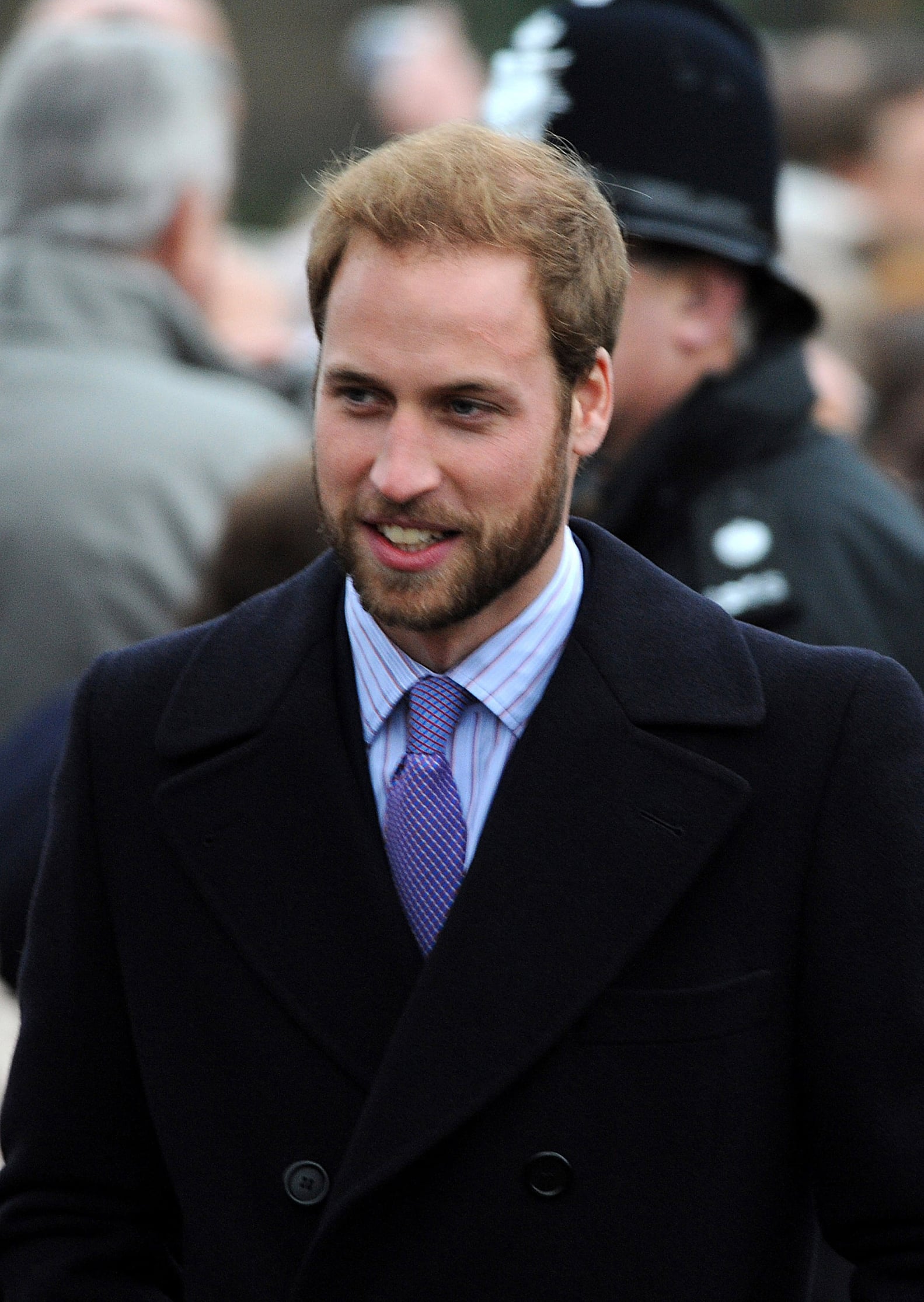
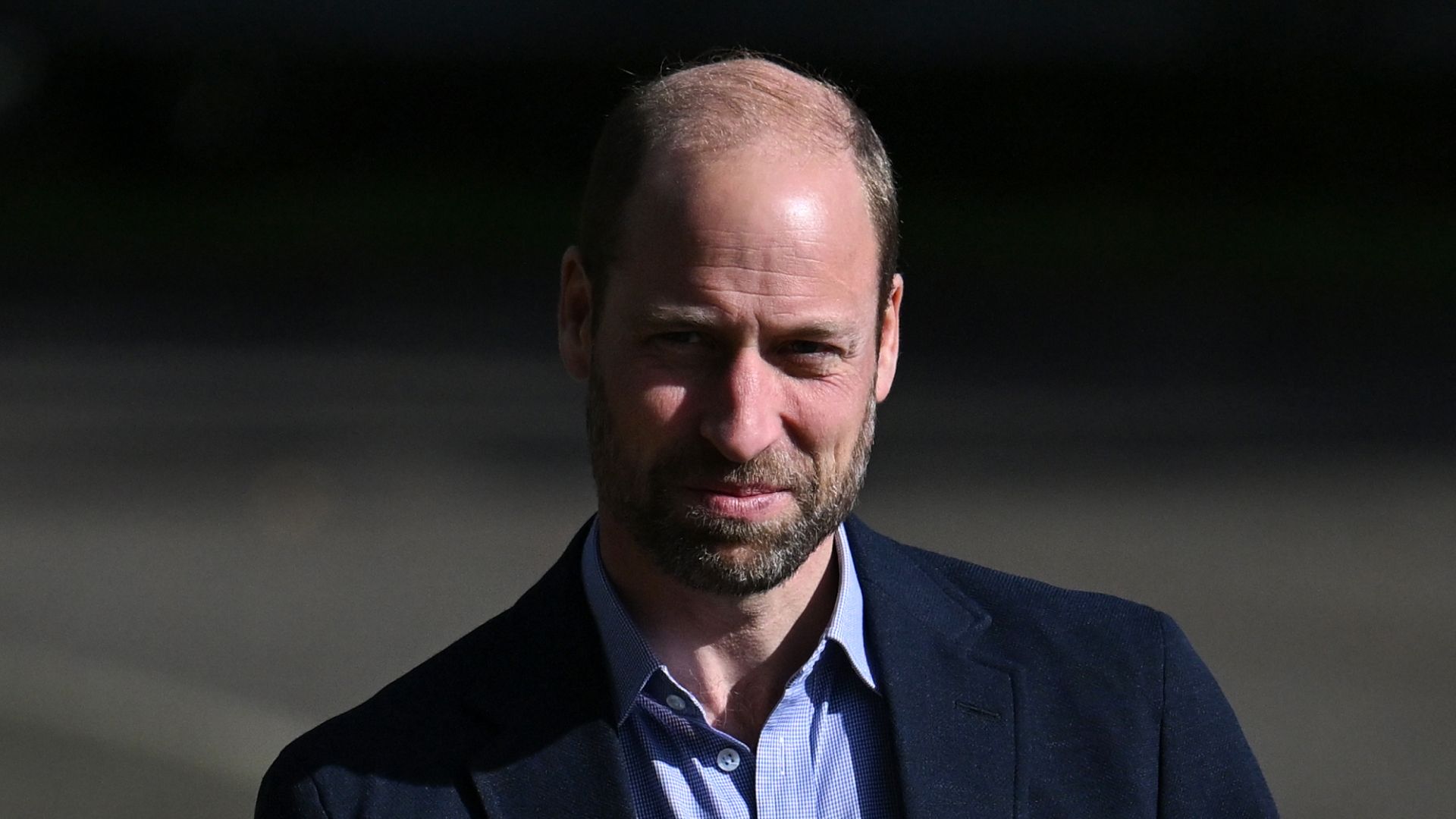
The appearance of Prince William with a beard after a long period of being clean-shaven represents a significant departure from established royal grooming norms. This shift in personal style, observed during high-profile public engagem...
The appearance of Prince William with a beard after a long period of being clean-shaven represents a significant departure from established royal grooming norms. This shift in personal style, observed during high-profile public engagements in late 2024 and continuing into 2026, has prompted widespread discussion regarding modern royal protocol, individual expression within the monarchy, and the evolution of the Prince of Wales’s public persona as he prepares for his future role as sovereign.
Contents
The Context of Royal Grooming Standards
For decades, the male members of the British Royal Family have adhered to a relatively strict, albeit unwritten, code of conduct regarding appearance. Historically, military tradition played a foundational role in these expectations. During his active service years and subsequent ceremonial duties, Prince William was almost exclusively seen clean-shaven, in alignment with the grooming standards required of the British Armed Forces and the traditional aesthetic expected of a senior working royal.
The decision to grow a beard—a trend that became visible following a period of relative public absence—is not merely a matter of personal fashion. In the context of the monarchy, every change in appearance is analyzed for its symbolic weight. A clean-shaven face has long been associated with the discipline of the military and the formal requirements of the state. Conversely, a beard often signals a move toward a more contemporary, approachable, and perhaps more relaxed public image.
This evolution reflects broader shifts in professional standards. As workplaces globally have adopted more lenient policies regarding facial hair, the Royal Family’s willingness to adapt suggests a desire to remain relevant to a younger demographic. By embracing a beard, Prince William navigates the tension between maintaining the gravitas of his position and adopting a style that aligns with the contemporary expectations of the citizens he represents.
Public Perception and Symbolic Significance
Public reaction to the change in Prince William's appearance has been polarized but generally positive. Supporters of the new look often cite it as a sign of authenticity and comfort in his own skin. In the age of social media, where image management is instantaneous, the "beard reveal" served as a subtle humanizing moment, distancing the Prince from the rigid, static portraits of the past.
However, the symbolic significance of facial hair in a royal context cannot be ignored. Historically, beards on British monarchs were common, but the mid-20th-century trend toward clean-shaven faces became so entrenched that any deviation is treated as a major stylistic event. The transition was particularly noted because it occurred after a "long absence"—a period characterized by fewer public appearances, which allowed for the regrowth to go unnoticed by the public until it was fully established.
Factors Influencing Royal Style Choices
Several factors contribute to how and why senior royals alter their public appearance. These include:
- Public Outreach: Aligning with modern grooming trends to appear more relatable to the public.
- Military Connection: Balancing the traditional military "clean" look with the freedom of civilian life.
- Personal Branding: Developing an individual identity distinct from predecessors while maintaining the dignity of the office.
- Protocol Flexibility: Demonstrating that the monarchy can evolve without compromising its fundamental values.
Table: Evolution of Royal Grooming Trends
The following table summarizes the historical and modern perspectives on facial hair within the British Royal Family, highlighting the shift in cultural and professional acceptance.
| Era/Status | Predominant Grooming Style | Underlying Context |
|---|---|---|
| Early 20th Century | Moustaches/Beards Common | Edwardian influence and military tradition. |
| Mid-to-Late 20th Century | Strictly Clean-Shaven | Emphasis on post-war formality and order. |
| Early 21st Century | Transition Period | Occasional short-term facial hair in military or private settings. |
| 2024–2026 (Modern) | Increased Acceptance | Shift toward individual expression and modern workplace norms. |
Addressing Ambiguity: The "Long Absence"
The terminology surrounding a "long absence" in the context of Prince William's beard refers to a specific period in 2024 where public engagements were curtailed or shifted in focus. This time frame provided the necessary window for the change in appearance to take hold without the constant scrutiny of daily press coverage. When the Prince resumed his full schedule, the beard was no longer a temporary choice but an established part of his new look.
This period of absence was largely characterized by private time and support for his family, which arguably provided the impetus for a shift in priorities. When public duties are paused, personal habits—including grooming—often become more flexible. The subsequent re-emergence with a beard served as a visual marker of this transition, signaling a new chapter in his public life.
Why Grooming Matters for Public Figures
For a figure as prominent as the Prince of Wales, grooming is a component of communication. A beard can alter the way a face is perceived, potentially softening features or adding an air of maturity. In royal communications, visual consistency is usually preferred, which makes any change a strategic move. By opting to maintain the beard consistently since its debut, the Prince has signaled that this is not a temporary experiment but a permanent feature of his adult style.
Critics occasionally suggest that any change to royal appearance might distract from the "work" of the monarchy. However, the modern perspective argues that as the Prince approaches the role of King, establishing a personal style that feels authentic is essential for connecting with a diverse public. A monarch who feels like a person—rather than a static institution—is often viewed as more effective in contemporary leadership.
Frequently Asked Questions (FAQ)
Does the royal protocol officially prohibit beards for the Prince of Wales?
There is no formal written protocol that prohibits members of the Royal Family from wearing beards. While certain military roles require a clean-shaven face, these are occupational requirements rather than royal mandates. The decision is generally left to the individual's discretion, provided it remains appropriate for the event.
Why was the beard such a significant talking point in the media?
The media interest stemmed from the departure from long-standing tradition. Because the Royal Family’s public appearances are highly curated, any deviation—even one as simple as facial hair—is viewed as a departure from the established visual identity of the institution, prompting speculation about "new eras" or "modernization."
Does the beard represent a permanent change to his public image?
Given that Prince William has maintained the beard across multiple seasons and diverse types of engagements throughout 2025 and 2026, it is considered a permanent evolution of his personal style rather than a temporary aesthetic trend.
How do other senior royals view these changes in style?
The internal dynamics of the Royal Family regarding style are generally kept private. However, the general trend toward more casual interactions in public life suggests that individual stylistic choices are increasingly accepted, provided they do not detract from the solemnity of official royal duties.
Can grooming changes affect royal public approval ratings?
While grooming changes are rarely the primary driver of public opinion, they contribute to the broader narrative of how the public perceives the personality and adaptability of the monarch-in-waiting. A positive reception to a modern style can subtly enhance the perceived "modernity" of the individual.
Strategic Next Steps for Understanding Royal Branding
To understand the trajectory of the monarchy in 2026, one must look beyond the surface level of grooming. The shift toward a more individualistic presentation is likely a harbinger of how the future King will manage the institution. For those interested in royal affairs, the best approach is to observe the balance between personal preference and ceremonial duty.
Watch for how the Prince integrates this style into formal state occasions. If the beard remains a constant feature during high-stakes diplomatic visits and state openings of Parliament, it solidifies the fact that the modern monarchy is comfortable with evolving alongside society. Rather than viewing the change as a singular event, observe how it fits into the broader, ongoing effort to maintain the relevance of the crown in an increasingly informal world.
Image Gallery