Who Benefits from Whole Life Cash Value Insurance: A Strategic Analysis
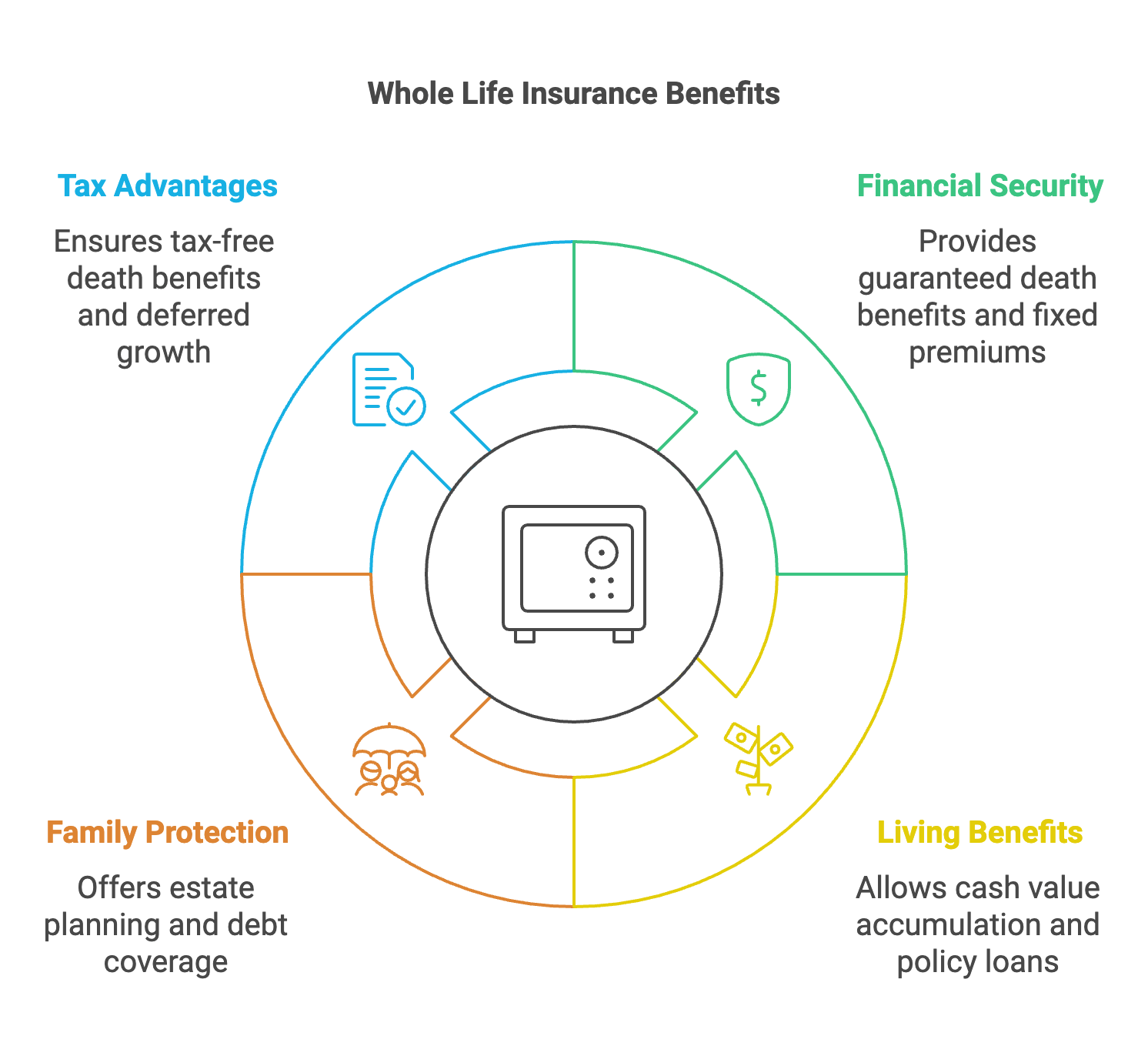
Whole life cash value insurance primarily benefits high-net-worth individuals, business owners seeking succession planning tools, and families requiring permanent protection with a tax-advantaged savings component. It serves those who...
Whole life cash value insurance primarily benefits high-net-worth individuals, business owners seeking succession planning tools, and families requiring permanent protection with a tax-advantaged savings component. It serves those who prioritize long-term estate stability and asset diversification over the lower premiums found in term life insurance, functioning as both a death benefit and a financial vehicle for liquidity.
Contents
Understanding the Mechanics of Whole Life Insurance
Whole life insurance is a form of permanent coverage that remains in effect for the policyholder’s entire life, provided that premiums are paid as agreed. Unlike term insurance, which covers a specific period, whole life insurance creates an enduring contract between the insurer and the policyholder. A defining characteristic of this product is the "cash value" component.
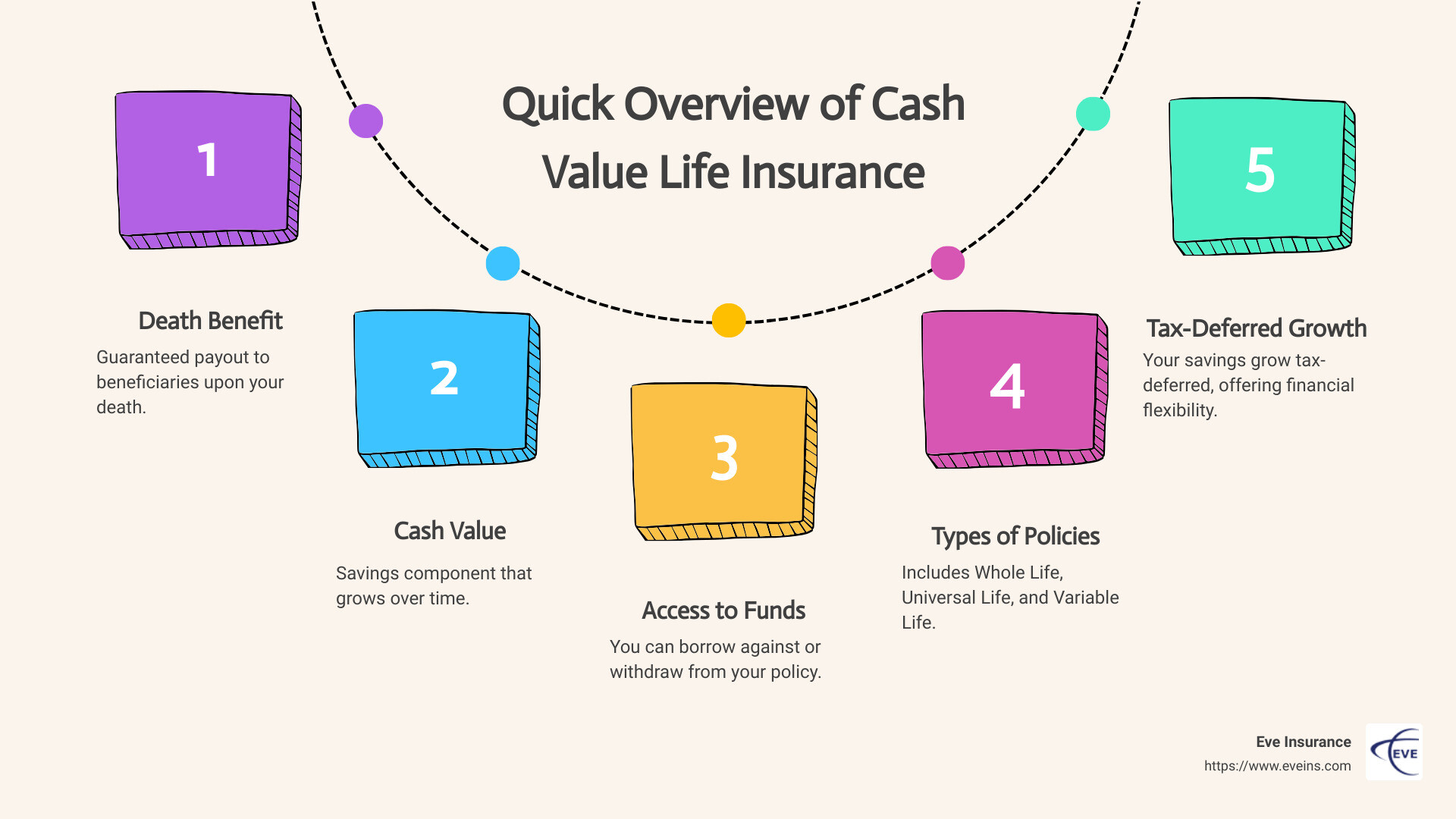
When you pay your premiums, a portion of that payment covers the cost of insurance and administrative fees. The remaining amount is directed into a cash value account. This account grows on a tax-deferred basis, credited with interest determined by the insurer. Over decades, this value can grow significantly, providing the policyholder with a tangible financial asset that they can access while they are still living.
Identifying the Ideal Beneficiary Profile
The utility of whole life insurance is often misunderstood as a "one-size-fits-all" product. In reality, it is a highly specialized financial tool. The people who benefit most from this structure typically possess specific financial characteristics and long-term goals.
1. High-Net-Worth Individuals Seeking Estate Liquidity
For individuals with significant estates, whole life insurance is often used to provide immediate, tax-efficient liquidity to heirs. When an estate consists of illiquid assets—such as real estate, private business equity, or collectibles—the tax burden upon death can force an unwanted liquidation of those assets. A whole life policy provides a guaranteed cash injection precisely when the estate needs it to cover estate taxes, debts, or settlement costs, ensuring that the legacy remains intact.
2. Business Owners and Succession Planning
Business owners frequently use whole life insurance to fund "buy-sell agreements." If a co-owner passes away, the surviving owner can use the death benefit to purchase the deceased’s share of the company from their heirs. This prevents the business from being forced into a sale or being managed by individuals who may not have the expertise or interest to sustain operations. Furthermore, the cash value can be utilized as a source of capital for business emergencies or opportunities during the owner's lifetime.
3. Individuals Prioritizing Conservative Asset Accumulation
For those who have already maximized contributions to qualified retirement accounts like 401(k)s or IRAs, whole life insurance serves as an alternative vehicle for tax-advantaged savings. While it does not offer the same potential for high-risk market returns as equity investments, it offers guarantees that the stock market cannot provide. For someone seeking to diversify their portfolio with a "safe money" asset that offers growth, death benefit protection, and potential dividend payments (in the case of participating policies from mutual insurance companies), whole life can be an essential component of a balanced financial strategy.
Comparing Life Insurance Vehicles
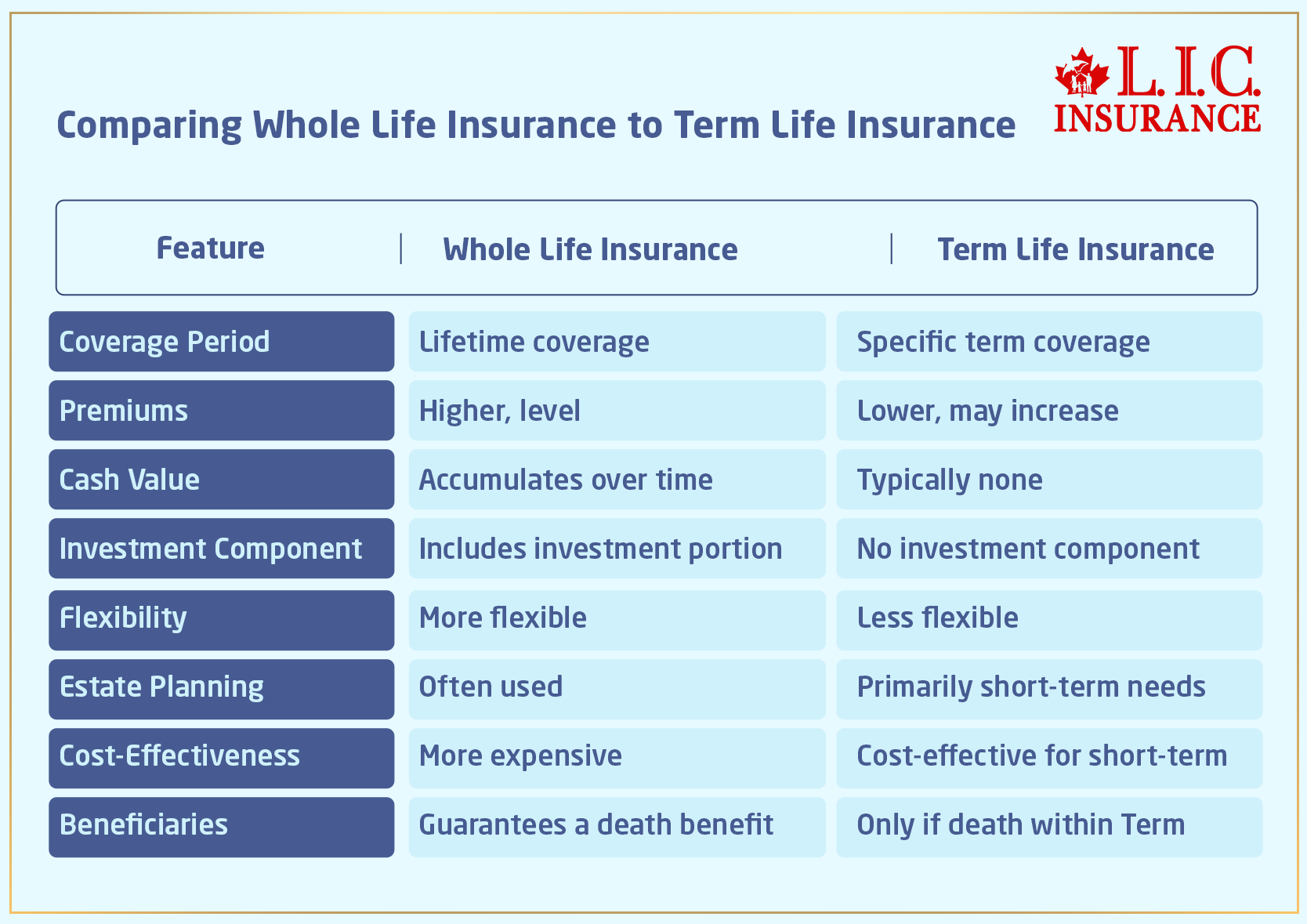
To understand why whole life might be the correct choice, it is helpful to compare it against other common insurance structures available in 2026.
| Feature | Term Life Insurance | Whole Life Insurance | Universal Life Insurance |
|---|---|---|---|
| Duration | Specific period (10–30 years) | Permanent | Permanent |
| Cash Value | None | Guaranteed growth | Variable/Linked to interest |
| Premiums | Fixed and low | Fixed and higher | Flexible |
| Primary Use | Income replacement | Estate planning/Legacy | Flexible permanent cover |
Strategic Advantages of the Cash Value Component
The cash value within a whole life policy is not merely a savings account; it is a versatile financial instrument. Policyholders can generally access this money through two primary methods:
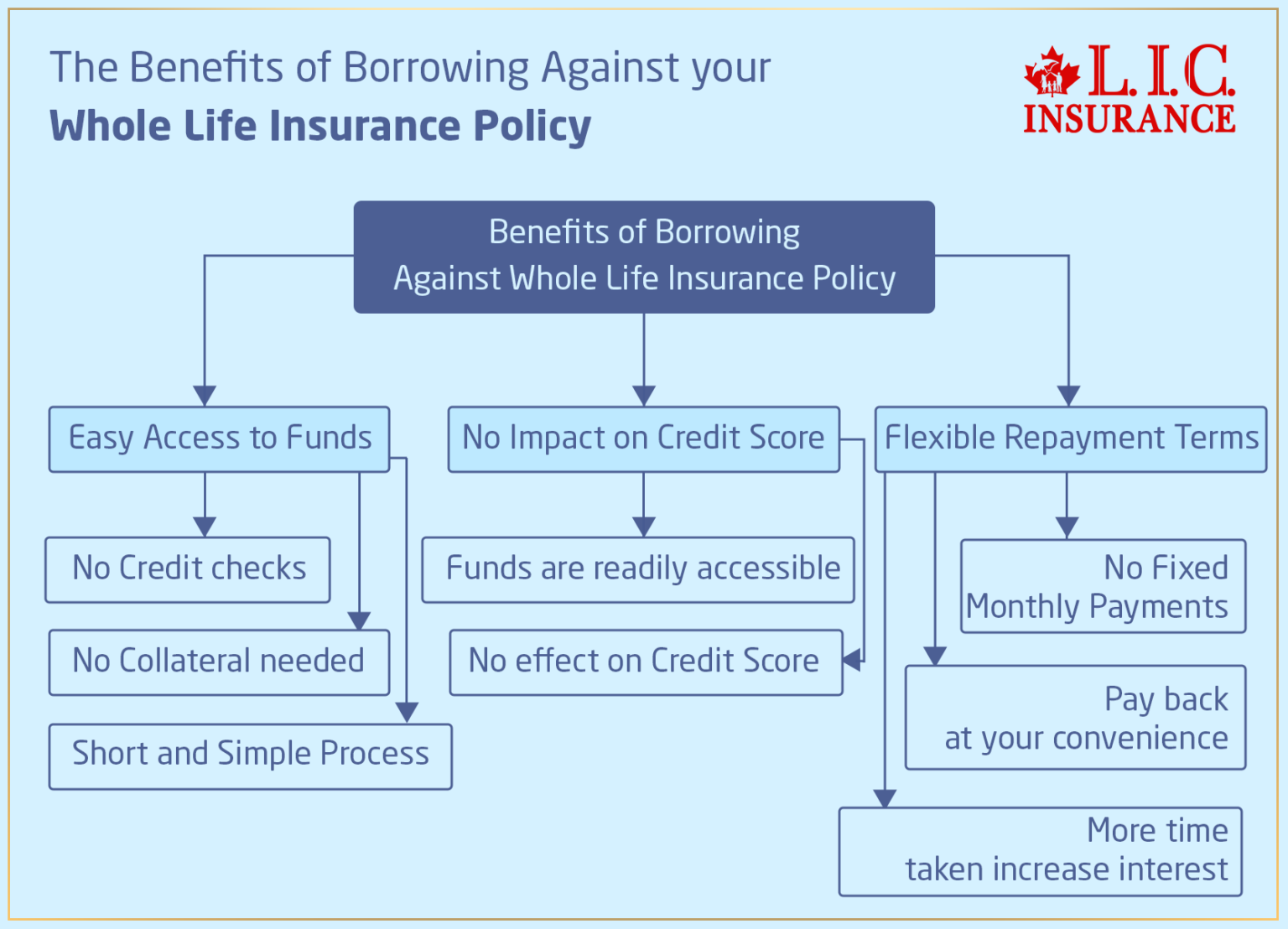
- Policy Loans: You can borrow against the cash value of your policy. Unlike traditional bank loans, these do not require a credit check, and the repayment schedule is often flexible. The loan is typically repaid from the death benefit if you pass away before the loan is fully satisfied, though it is vital to note that unpaid loans reduce the ultimate payout to beneficiaries.
- Surrenders or Withdrawals: In certain circumstances, policyholders may withdraw a portion of their cash value. It is critical to consult with a tax professional regarding these actions, as withdrawals that exceed the "basis" (the total premiums paid into the policy) can be subject to income tax.
Financial Considerations and Operational Limitations
While whole life insurance offers stability, it is not without limitations. Prospective policyholders must be prepared for the financial commitment required to maintain the policy.
- Premium Costs: The most significant hurdle for many is the cost. Whole life premiums are substantially higher than term life insurance. If the premiums become unaffordable and the policy lapses, the policyholder may lose the accumulated cash value and the death benefit.
- Lack of Flexibility: Once a whole life policy is issued, the structure is relatively rigid. Unlike universal life insurance, which allows for changes to premium payments and death benefit amounts, whole life generally remains fixed. This makes accurate financial planning during the initial application phase critical.
- Opportunity Cost: Because the cash value grows more conservatively than aggressive equity investments, there is an inherent "opportunity cost." For individuals with a high tolerance for market volatility who are still in the early stages of wealth accumulation, a "buy term and invest the difference" strategy might result in higher net worth over the long term.
Common Misconceptions
There is a persistent belief that whole life insurance is a poor investment. This misconception often arises because people treat insurance as a standalone investment product rather than a multi-functional hedge. When viewed strictly through the lens of investment return, insurance will rarely outperform an optimized portfolio of equities. However, when viewed through the lens of risk management—combining insurance coverage, guaranteed growth, and estate liquidity—the value proposition becomes clearer.
Furthermore, the "dividends" issued by mutual insurance companies are not guaranteed. While historical performance is often strong, dividends depend on the company's investment performance, mortality experience, and operational costs. A prospective buyer should always examine the financial strength ratings of an insurer from agencies like A.M. Best or S&P Global before committing.
Frequently Asked Questions
Is the cash value in my whole life policy subject to income tax? Generally, the cash value grows on a tax-deferred basis. As long as the policy remains in force, you do not pay taxes on the interest growth. If you take a loan against the policy, it is typically tax-free. However, if you surrender the policy for more than your cost basis, the gains may be subject to ordinary income tax.
Can I use whole life insurance to supplement my retirement income? Yes. Many individuals use the cash value as a source of tax-efficient supplemental income during retirement. By taking loans against the cash value, you can access liquidity without triggering a taxable event, provided the policy is managed correctly to prevent it from lapsing.
What happens if I cannot afford my premiums in the future? If you stop paying premiums, you have options. You can use the existing cash value to pay the premiums, though this will eventually deplete the account. You can also "reduce" the policy to a smaller death benefit that is "paid up," meaning no further premiums are required, or you can surrender the policy entirely for its current cash value.
Does a whole life policy cover me regardless of my health condition? You must qualify for the policy through an underwriting process, which typically includes a medical exam and a review of your health history. Once the policy is issued and in force, the coverage is guaranteed for life regardless of any future changes in your health.
Strategic Next Steps
If you believe whole life insurance aligns with your financial objectives, your next step should be a thorough assessment of your long-term liquidity needs. Calculate your potential estate tax liability and determine the amount of permanent coverage required to protect your beneficiaries.
Consult with a licensed financial advisor who is experienced in tax-advantaged insurance structures. Ask them to run "in-force illustrations" based on different scenarios so you can see how the cash value performs over 20, 30, or 40 years. Before signing, verify the financial ratings of the issuing carrier to ensure they have the long-term solvency required to honor a policy that may exist for the next half-century.
Image Gallery