Understanding the Oingo Boingo Brothers in JoJo’s Bizarre Adventure
The Oingo Boingo Brothers refer to Oingo and Boingo, two minor antagonist assassin siblings from Hirohiko Araki’s long-running manga and anime series JoJo’s Bizarre Adventure: Stardust Crusaders. Wielding the Stands Thoth and Tohth (of...
The Oingo Boingo Brothers refer to Oingo and Boingo, two minor antagonist assassin siblings from Hirohiko Araki’s long-running manga and anime series JoJo’s Bizarre Adventure: Stardust Crusaders. Wielding the Stands Thoth and Tohth (often localized to Oingo and Boingo in various translations), they present a unique, comedic, yet genuinely hazardous puzzle for Jotaro Kujo and his group as they travel through Egypt.
Contents
Introduction to the Oingo Boingo Brothers
In the vast gallery of antagonists featured throughout JoJo’s Bizarre Adventure, few mini-arcs blend slapstick comedy, psychological tension, and unconventional Stand mechanics quite like the introduction of the Oingo Boingo Brothers. Appearing during the Egypt Arc of Stardust Crusaders, these two brothers—Oingo, the older sibling with an exaggerated chin and a penchant for singing, and Boingo, the younger, anxious brother who communicates primarily through drawings—serve DIO. Unlike the terrifying physical powerhouses or hyper-lethal ranged fighters the Joestar group typically encounters, these two rely on a combination of absolute fortune-telling certainty and chaotic incompetence.
Understanding their narrative purpose, psychological dynamic, and mechanical Stand abilities requires a look into how author Hirohiko Araki subverts expectations. Instead of fighting with brute force, their narrative revolves around a pre-determined prophecy book that always comes true, provided the users interpret and execute its bizarre instructions to the letter. This dynamic shifts the tone of Stardust Crusaders from high-stakes combat to a frantic, comedic puzzle where the villains are often their own worst enemies.
Character Profiles and Personalities
The psychological contrast between the two brothers forms the comedic backbone of their episodes in the series.
Oingo (Zenyatta)
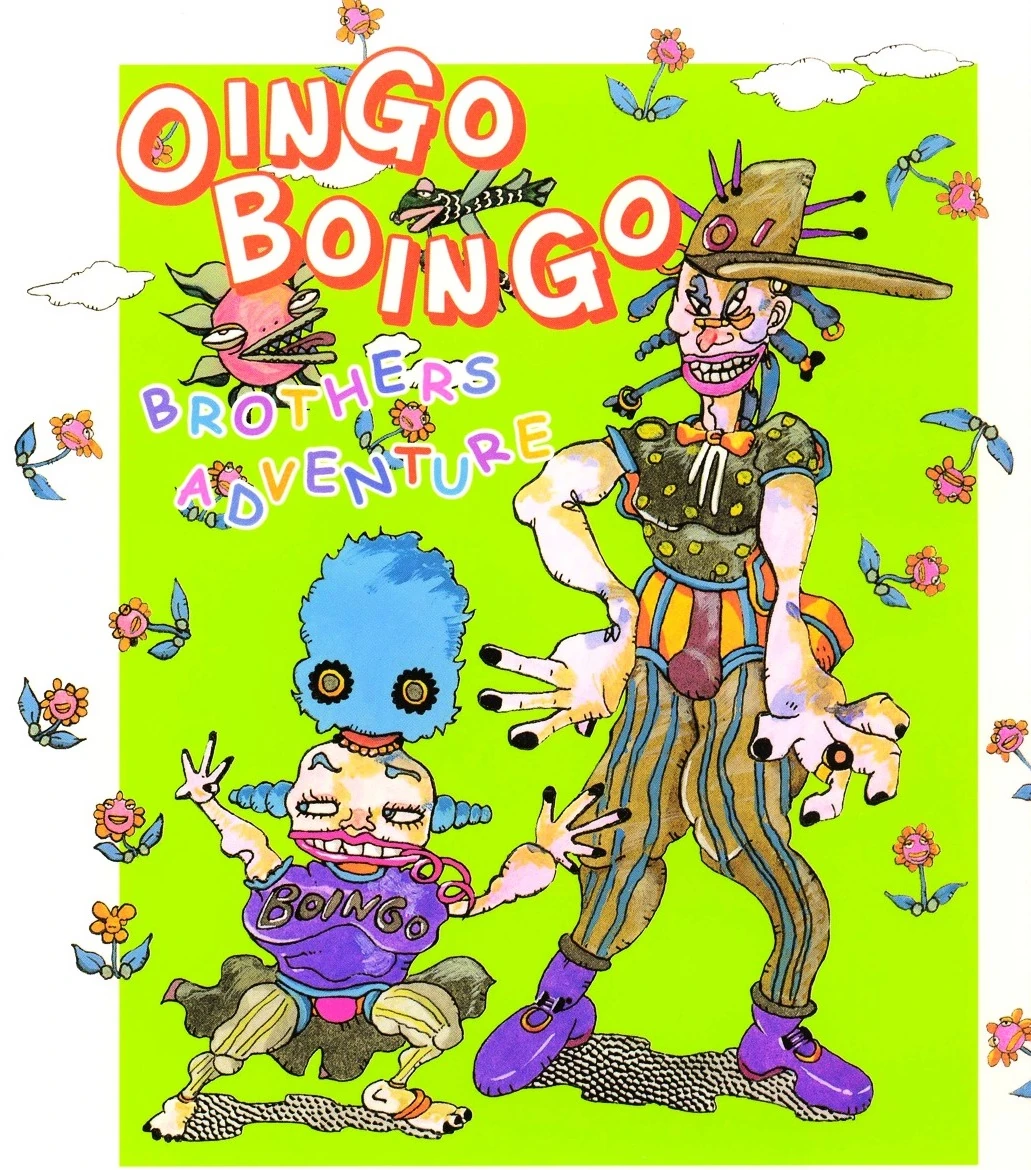
Oingo is the older brother, easily identified by his massive chin, thick lips, and signature hat. In the original Japanese version, he is named after the American new wave band Oingo Boingo, reflecting Araki’s well-known penchant for musical references. Oingo fancies himself a cunning mastermind, yet he is easily flustered and lacks genuine strategic foresight. His primary Stand ability is Khnum (localized as Zenyatta), a close-range Stand that allows him to transform his face, body shape, and voice into anyone he chooses. While this power sounds formidable for infiltration, Oingo’s dramatic flair and chronic bad luck consistently undermine his disguises.
Boingo (Mandalay)
Boingo is the younger brother, a timid, quiet boy wearing a wide-brimmed hat that entirely conceals his face. He is named after the band's album or members in keeping with the naming convention. Boingo possesses the Stand Thoth (localized as Mandalay), which takes the physical form of a comic book. Thoth has a passive, autonomous personality and prints out future events in a distinct manga art style. Despite his fearful disposition, Boingo relies heavily on his brother for protection, while Oingo relies entirely on Thoth's absolute accuracy.
| Character | Stand Name (Original / Localized) | Stand Type & Ability | Primary Personality Traits |
|---|---|---|---|
| Oingo | Khnum / Zenyatta | Close-Range / Physical Transformation | Overconfident, dramatic, easily panicked |
| Boingo | Thoth / Mandalay | Autonomous / Prophetic Comic Book | Timid, observant, relies on destiny |
The Mechanics of Thoth and Khnum
To truly understand how the Oingo Boingo arc functions within the narrative, one must analyze the rules governing their respective Stands.
Thoth (Mandalay)
Thoth is an incorporeal, autonomous Stand that only Boingo can fully interact with. It generates comic strips depicting events that will happen in the near future—usually within a few minutes or hours. The core rule of Thoth is that its predictions are absolute and infallible. If Thoth draws an event, it will happen, no matter how absurd or physically impossible it might initially seem.
However, Thoth's catch lies in interpretation and timing. The comic strips do not provide full context. For example, Thoth might draw someone's face exploding, but the cause might turn out to be a cleverly concealed explosive orange rather than a lethal supernatural attack. If the user misinterprets the panels or attempts to alter the precise sequence of events out of fear, the outcome inevitably backfires on them in a catastrophically ironic fashion.
Khnum (Zenyatta)
Khnum is bound directly to Oingo’s body, allowing him to mold his flesh, bone, and hair like clay. Unlike disguises created by makeup or clothing, Khnum alters Oingo's biological structure down to his fingerprint patterns and voice box. This makes him a master of physical mimicry, capable of impersonating Jotaro Kujo or other members of the Joestar party.
The limitation of Khnum lies in Oingo's own habits. While his physical form changes perfectly, his personality, intelligence, and nervous ticks remain the same. If someone questions him with specialized knowledge or tests his memory, the disguise quickly collapses.
Narrative Role in Stardust Crusaders
The Oingo Boingo Brothers appear in two distinct narrative blocks within the Stardust Crusaders arc, serving different storytelling functions.
The Orange Bomb Episode
Their first major appearance involves an attempt to assassinate the Joestar group in a restaurant using a poisoned, explosive orange generated through Thoth's prophecy. Thoth predicts that an old man will pick up the orange, peel it, and cause an explosion that blinds or kills the Joestar group.
Oingo executes this plan by using Khnum to disguise himself as a random patron, leaving the explosive orange where Jotaro or his companions will find it. However, due to a series of escalating comedic misunderstandings—including Jotaro performing a series of intimidating parlor tricks and Polnareff, Joseph, and Avdol interacting with Oingo—Oingo repeatedly consumes or handles his own deadly traps. The sequence highlights dramatic irony; the audience knows Oingo is the assassin, while the Joestar group remains entirely oblivious, mistaking Oingo's nervous sweating and bizarre behavior for eccentricity.
The Hol Horse and Boingo Partnership
Following Oingo's hospitalization from his own botched assassination attempt, Boingo is picked up by Hol Horse, one of DIO's more competent and charismatic assassins. This pairing creates a contrasting dynamic: Hol Horse possesses a powerful, versatile gun Stand (Emperor), while Boingo provides the infallible roadmap.
Under this partnership, Thoth's predictions initially lead the duo to a string of seemingly effortless victories and humiliations against the Joestar group. Hol Horse gains supreme confidence, believing that as long as he follows Thoth's comic panels to the letter, victory is guaranteed. The tension peaks as Thoth predicts that Hol Horse will shoot Jotaro through a pipe, and that Hol Horse will ultimately defeat the entire group.
However, the episode culminates in classic JoJo fashion: hyper-literal interpretation meets unexpected human intervention. Hol Horse misinterprets a panel involving a woman's nose, attempts to force a sequence that clashes with reality, and ultimately falls victim to his own ricocheting bullets, guided by a stray coin and Iggy’s dog antics.
Themes and Significance in Araki’s Writing
The Oingo Boingo Brothers represent a deliberate tonal shift in Stardust Crusaders. Up to their introduction, most fights against DIO's assassins—such as those against Rubber Soul, Judgement, or High Priestess—rely on visceral combat, psychological horror, and lethal peril.
By introducing characters whose powers are entirely comedic and whose defeats are self-inflicted, Araki demonstrates narrative pacing control. The arc provides comic relief without lowering the stakes permanently, reminding the audience that not every servant of DIO is a hardened, philosophical warrior. Furthermore, the reliance on Thoth explores a philosophical question present in many of Araki’s story arcs: the inevitability of fate.
In parts of JoJo's Bizarre Adventure, fate is an immutable force (most prominently explored in Part 5: Golden Wind with Rolling Stone and Part 6: Stone Ocean). Thoth acts as an early prototype of this theme. The book proves that destiny cannot be cheated; attempts to alter the outcome of a prediction only serve to fulfill it in a more ironic or painful way.
Common Misconceptions and Trivia
- Name Localization: Due to copyright concerns regarding real-world musical artists, English localizations of the anime and manga often refer to the brothers simply by their names or alternate band references (Zenyatta and Mondatta, derived from the Police album Zenyatta Mondatta).
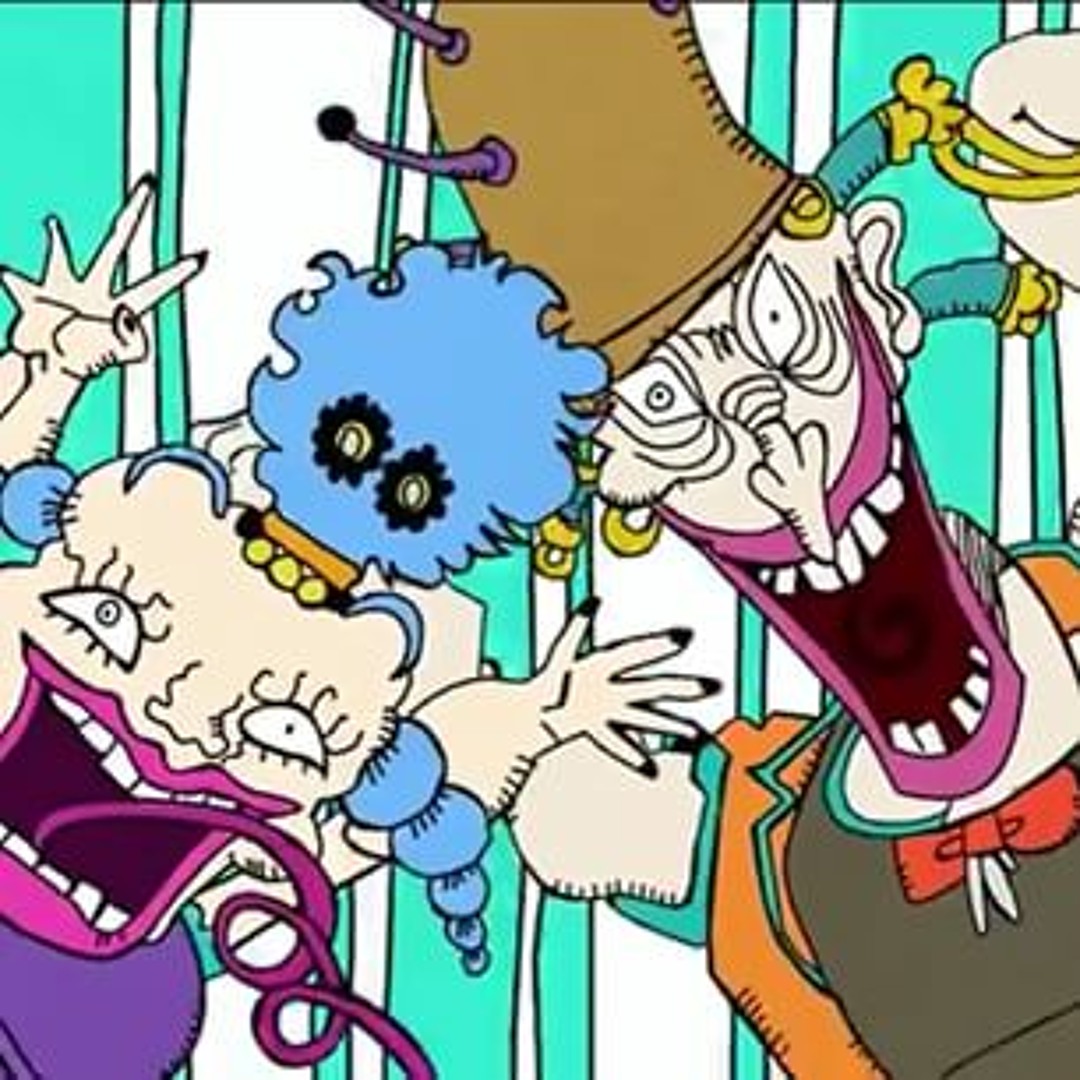
- The Ending Theme: The Oingo Boingo arc is uniquely famous for its closing credits. Unlike standard anime endings, the Oingo Boingo episodes feature original, intentionally poorly sung theme songs performed by the voice actors themselves ("Oingo Boingo Brothers" and "Hol Horse and Boingo"), complete with crude animation mimicking Thoth's comic style.
- Are They Dead? Neither Oingo nor Boingo dies in the series. Unlike many of DIO’s assassins who meet gruesome ends, both brothers survive their encounters with the Joestar group, though thoroughly battered and humiliated.
Frequently Asked Questions
What are the real names of the Oingo Boingo Brothers?
The older brother is named Oingo, and the younger brother is named Boingo. In some official English localizations and subtitled releases, they are referred to by their Stand-derived names, Zenyatta and Mondatta, to avoid copyright issues with the American band Oingo Boingo.
How does Boingo’s Stand, Thoth, actually work?
Thoth takes the form of a comic book that automatically generates prophecies depicting future events in a fixed sequence. Its primary rule is absolute accuracy: whatever Thoth draws will happen. However, the predictions require careful interpretation, and attempting to fight against the depicted outcome invariably leads to ironic self-sabotage.
Can Oingo change his voice and clothes with Khnum?
Yes. Oingo’s Stand, Khnum, allows him to completely alter his physical appearance, including his height, facial structure, skin texture, and voice. However, his psychological traits, intelligence, and memories remain unchanged, which often leads to him being exposed when tested with specific knowledge.
Why do the Oingo Boingo episodes feel so different from other JoJo fights?
The episodes focus heavily on situational comedy, dramatic irony, and slapstick humor rather than traditional martial arts combat or tactical Stand battles. The antagonists defeat themselves through panic and misinterpretation, offering a lighter palette cleanser between major life-or-death confrontations.
Do Oingo and Boingo die in Stardust Crusaders?
No, neither brother dies. After their respective comedic defeats—Oingo blowing himself up with his own poisoned orange and Hol Horse accidentally shooting himself through a series of mishaps—both survive the events of the Egypt Arc and are last seen attempting to rebuild their lives.
Conclusion and Next Actions
Understanding the Oingo Boingo Brothers requires looking past their goofy character designs and recognizing their role as a masterclass in comedic writing and fatalistic irony within JoJo’s Bizarre Adventure. To fully appreciate their narrative impact, rewatch or reread the "Oingo and Boingo" and "Hol Horse and Boingo" arcs in Stardust Crusaders, paying close attention to how Thoth's panels foreshadow the exact opposite of what the characters intend. For further exploration, examine how Araki expands upon the concept of immutable fate and prophetic abilities in later story arcs like Golden Wind.
Image Gallery