Chelsea FC: Analyzing the Legacy of Roman Abramovich and the Club’s Post-Turbulence Direction
The ownership transition of Chelsea Football Club from Roman Abramovich to the Todd Boehly-Clearlake Capital consortium represents the most significant structural pivot in modern English football. Triggered by international sanctions i...
The ownership transition of Chelsea Football Club from Roman Abramovich to the Todd Boehly-Clearlake Capital consortium represents the most significant structural pivot in modern English football. Triggered by international sanctions in 2022, the sale ended a transformative 19-year era and forced the club into a high-stakes recalibration of its sporting, financial, and operational identity.
Contents
The Abramovich Era: A Paradigm Shift in English Football
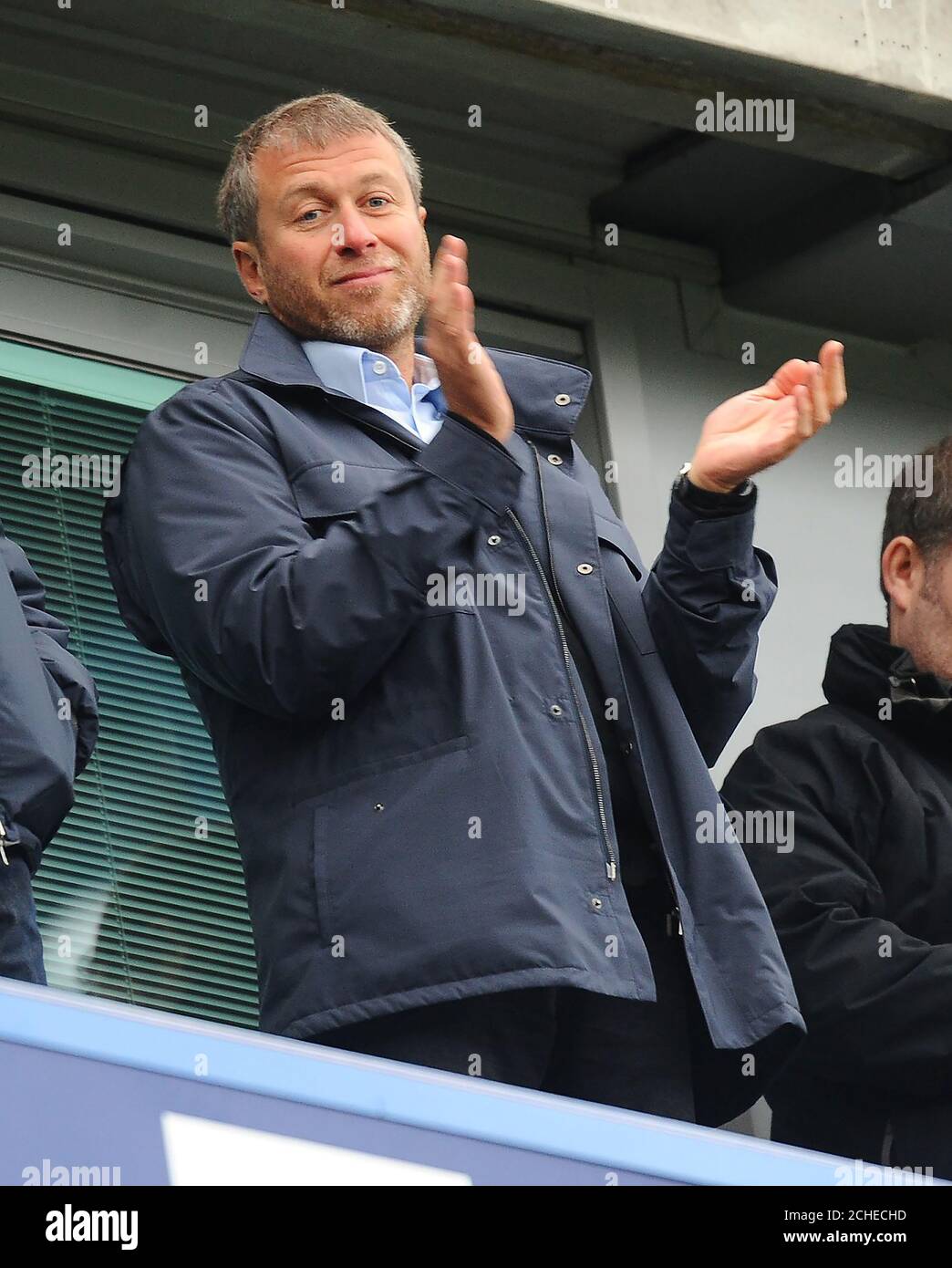
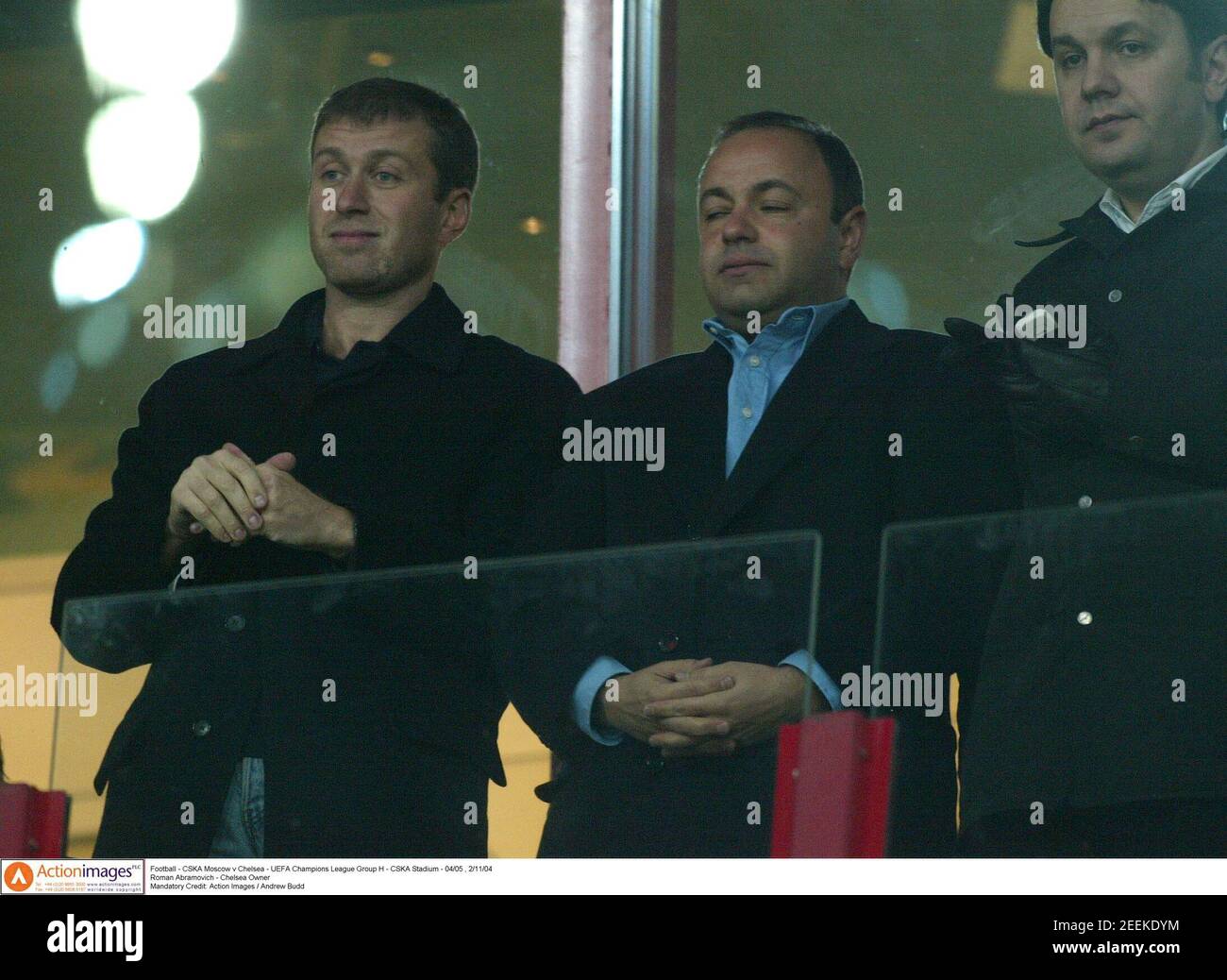
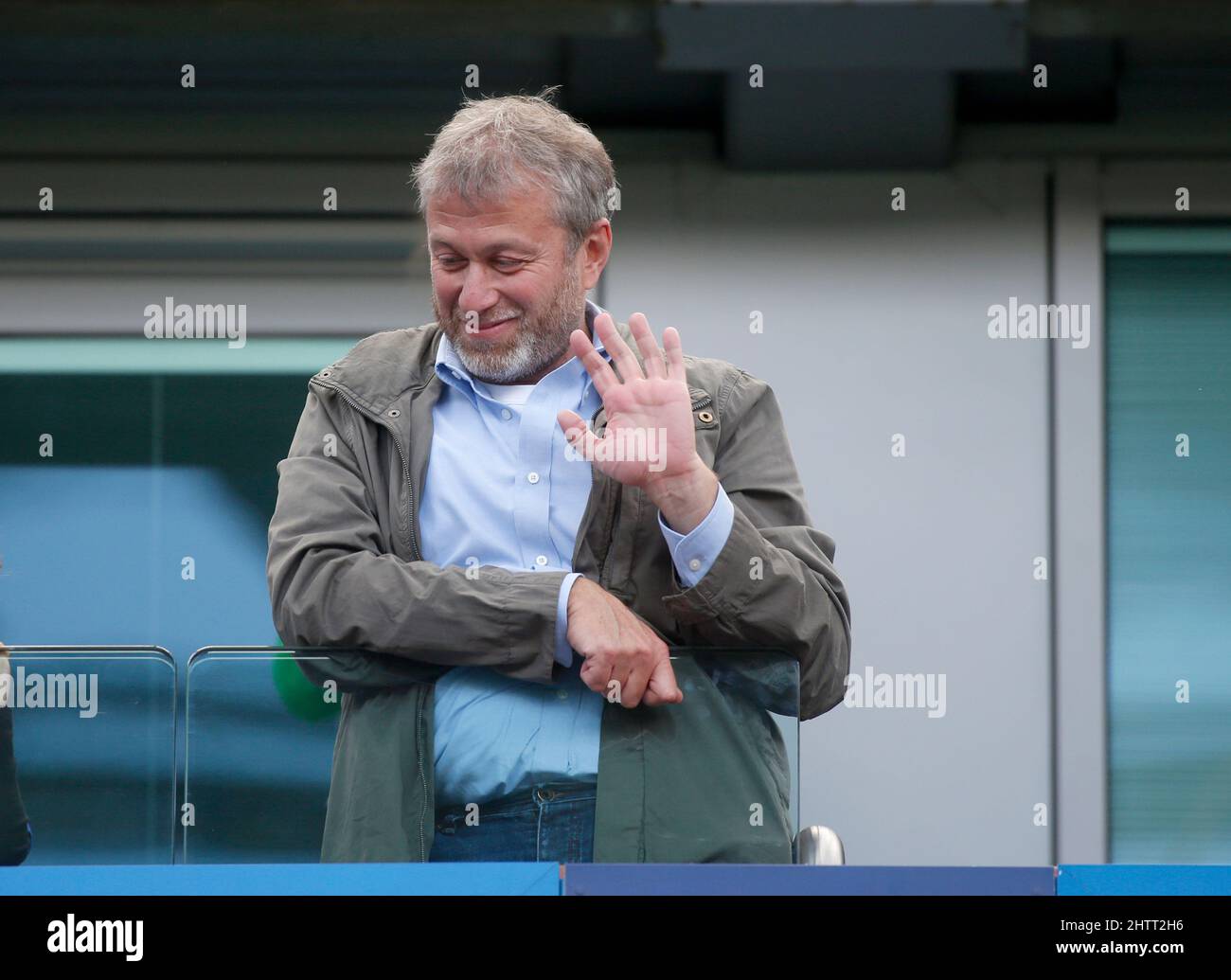
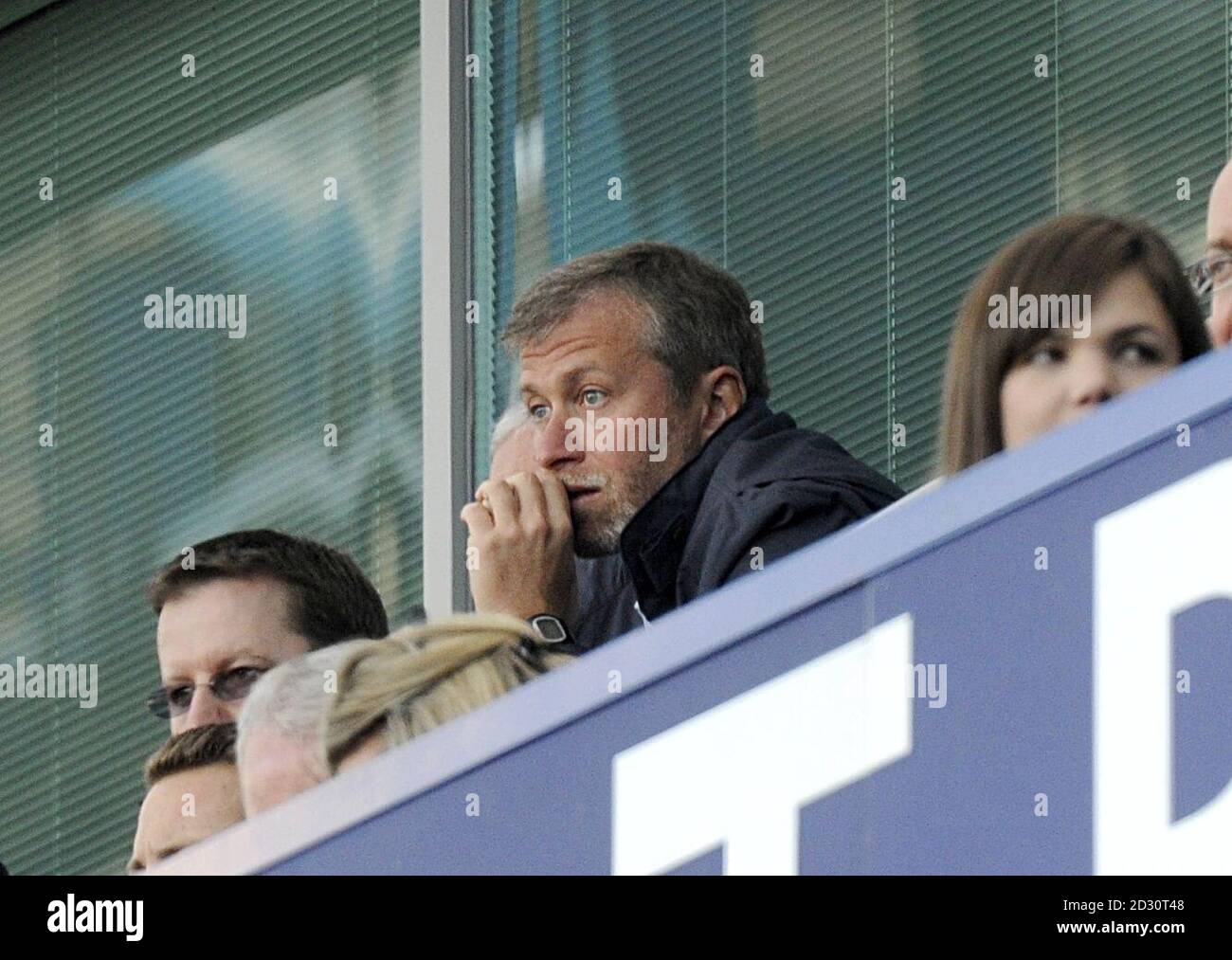
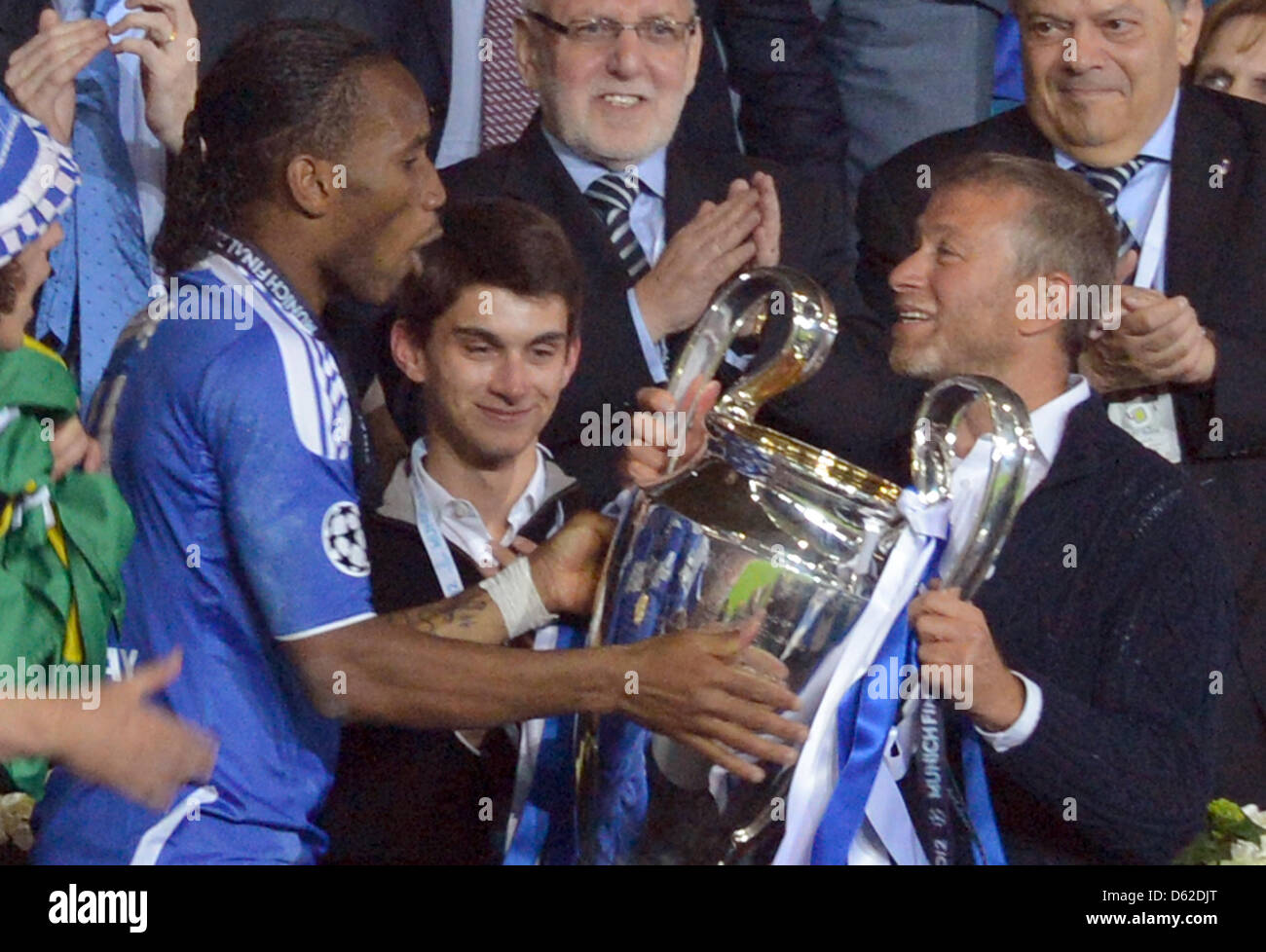
When Roman Abramovich purchased Chelsea FC in 2003 for approximately £140 million, the landscape of the Premier League changed irreversibly. His arrival introduced a model of sustained, heavy capital injection that prioritized immediate competitive success. Over nearly two decades, the club secured 21 trophies, including five Premier League titles and two UEFA Champions League crowns.
This era was characterized by a "win-at-all-costs" philosophy. Abramovich’s willingness to absorb operating losses, fund marquee signings, and maintain a revolving door of elite managers established Chelsea as a global powerhouse. However, this model created a unique dependency on its patron. The club’s financial sustainability was largely decoupled from its commercial revenue, as the owner consistently provided interest-free loans to cover deficits. By the time the ownership turbulence began in 2022, Chelsea’s debt to its parent company had reached approximately £1.5 billion.
The 2022 Catalyst: Sanctions and Forced Sale
The geopolitical instability in early 2022 served as the catalyst for the most intense period of turbulence in the club’s history. Following the Russian invasion of Ukraine, the UK government imposed sanctions on Roman Abramovich, citing his alleged ties to the Kremlin.
These sanctions paralyzed the club’s operations. Chelsea was placed under a special government license that restricted its ability to sell tickets, merchandise, or sign new contracts. The immediate threat was existential; without access to revenue streams and the ability to operate, the club risked insolvency. This environment necessitated a rapid and government-sanctioned sale, overseen by the Raine Group, to ensure the continuity of the organization as a Premier League entity. The successful bid by the consortium led by Todd Boehly and Clearlake Capital, valued at roughly £4.25 billion, was finalized in May 2022, with the proceeds pledged to humanitarian causes related to the conflict.
Post-Turbulence: The Boehly-Clearlake Strategic Shift
The transition to new ownership marked a departure from the "Abramovich Model." The current leadership, led by Todd Boehly and Clearlake Capital, has implemented a strategy centered on long-term asset appreciation and a self-sustaining financial structure.
Key Strategic Pillars:
- Amortization and Contract Length: The club has pioneered the use of extremely long-term player contracts to spread the accounting cost of transfers over many years, an aggressive approach to Financial Fair Play (FFP) and the Premier League’s Profit and Sustainability Rules (PSR).
- Youth-Centric Recruitment: There is a clear pivot toward acquiring high-potential talent rather than established, high-wage superstars. This is designed to create a pipeline of future value and long-term wage stability.
- Multiclub Integration: The ownership group has pursued a strategy of expanding its footprint, mirroring models used by other successful global conglomerates to pool scouting resources, player development pathways, and commercial assets.
Financial Sustainability and Regulatory Compliance
Since 2022, the club has operated in a more transparent but highly scrutinized financial environment. Unlike the Abramovich era, where the owner acted as a backstop for losses, the current structure must adhere strictly to the Premier League’s PSR and UEFA’s Financial Sustainability Regulations.
These regulations limit losses over a rolling three-year period. Consequently, Chelsea has been forced to aggressively pursue player sales—often classified as "pure profit" in accounting terms when selling academy graduates—to balance the books. This necessity has created tension with the fanbase, as the departure of homegrown talent is often perceived as damaging to the club’s identity, even if it is a mathematical requirement of the current financial structure.
Comparative Analysis: Two Eras of Ownership
| Feature | The Abramovich Era (2003–2022) | The Post-2022 Era |
|---|---|---|
| Financial Philosophy | Owner-backed, deficit-spending | Self-sustaining, revenue-focused |
| Recruitment Focus | Elite, proven "Win Now" talent | High-potential, long-contract talent |
| Managerial Style | Frequent turnover, short cycles | Attempted long-term technical projects |
| Debt Management | Interest-free loans from owner | Equity-led, focus on sustainable debt |
| Academy Policy | Mixed integration, loan army | Critical revenue driver for PSR |
Challenges and Looking Ahead
As the club moves further from the 2022 sale, the "direction" remains a subject of intense debate among supporters and analysts. The primary challenge is balancing the requirement for immediate, trophy-winning performance with the constraints of a project built on long-term investment.
The club faces two distinct pressures:
- Sporting Expectations: The legacy of the Abramovich years set a baseline where missing out on Champions League qualification is viewed as a crisis. Reconciling this expectation with a roster currently undergoing a massive, multi-year transition is the central struggle for the current coaching staff and sporting directors.
- Infrastructure and Revenue Growth: To compete with rivals who have larger matchday revenue streams, Chelsea must address the limitations of Stamford Bridge. Expanding the stadium capacity—an issue that remained unresolved for years—is now a core operational priority for the new owners, as matchday income is essential for long-term sustainability under modern fiscal regulations.
Frequently Asked Questions
Did the sale of Chelsea FC result in profit for Roman Abramovich? No. Under the terms dictated by the UK government’s license, Roman Abramovich did not receive any proceeds from the sale of the club. The entirety of the funds was placed into a frozen bank account, with the explicit intention of donating the proceeds to victims of the war in Ukraine.
How does the current ownership structure affect player recruitment? The current ownership, led by Clearlake Capital and Todd Boehly, utilizes a data-driven recruitment strategy that prioritizes young players on long-term contracts. This allows the club to manage the "amortization" of transfer fees—meaning they spread the cost of a player over many years—which provides flexibility under Premier League Profit and Sustainability Rules.
What is the role of the "multiclub" strategy in Chelsea's future? The owners have pursued ownership stakes in other international football clubs to create a network. The goal is to streamline the development of players, facilitate work permit acquisitions, and share scouting technology and administrative costs, thereby reducing the overheads required to maintain a top-tier competitive squad in London.
Why is Chelsea selling so many academy players? Under PSR rules, the sale of an academy-trained player is recorded as 100% "pure profit" in the club’s annual accounts. Because the cost of training these players is already accounted for, these sales provide the most significant boost to the club’s financial balance sheet, helping them comply with spending limits despite high transfer expenditures elsewhere.
Is the "direction" of the club considered stable? "Stability" is currently measured by the club’s ability to remain within regulatory financial guardrails while simultaneously improving its league position. While the ownership has provided significant capital for infrastructure and player acquisitions, the "direction" remains a work in progress as the club attempts to marry aggressive investment with strict financial compliance.
Recommended Next Actions
For stakeholders following the club’s trajectory, monitoring the following areas is essential:
- Public Financial Statements: Track the annual "Club Accounts" released by Chelsea FC Holdings Ltd, specifically looking for net profit/loss figures and player amortization trends.
- Stamford Bridge Development: Monitor official statements regarding the stadium redevelopment, as this will be the primary lever for increasing revenue to compete with European rivals.
- PSR Compliance Updates: Stay informed on Premier League regulatory adjustments; future changes to how amortization is treated or how profit is calculated could radically alter the club’s current business model.
Image Gallery