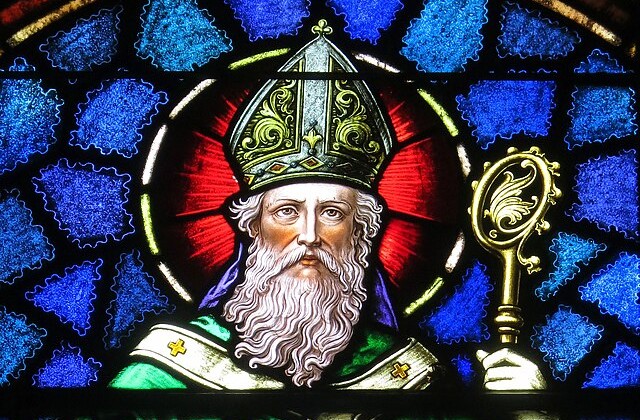
Why the St. Patrick Fun Facts Matter for Cultural Preservation and Education
St. Patrick’s Day fun facts matter because they serve as a critical bridge between modern commercialized celebrations and the genuine historical, linguistic, and cultural heritage of Ireland. By distinguishing between entrenched myths—...
St. Patrick’s Day fun facts matter because they serve as a critical bridge between modern commercialized celebrations and the genuine historical, linguistic, and cultural heritage of Ireland. By distinguishing between entrenched myths—such as the exclusion of snakes from Ireland or the saint's actual origin—and verified historical documentation, society can move from superficial engagement to a deeper, more accurate appreciation of the complexities surrounding the patron saint and the global Irish diaspora.
Contents
The Intersection of Myth and History
For many, St. Patrick’s Day is defined by symbols: the shamrock, the color green, and parades. However, the "fun facts" that circulate during the holiday often serve as a filter. They are the initial touchpoints that compel an individual to question the narrative. When one learns, for example, that the historical figure known as St. Patrick was likely a Romano-British citizen kidnapped into slavery rather than a native-born Irishman, the entire perspective on the holiday shifts.
Understanding the distinction between hagiography (the writing of the lives of saints) and historical record is essential for educational integrity. Many of the most popular stories about St. Patrick were written centuries after his death, often to serve the political or religious agendas of the monastic orders that recorded them. Recognizing these facts allows for a more nuanced understanding of how cultural memory is constructed and maintained over nearly 1,600 years.
Distinguishing Fact from Folklore
To engage meaningfully with the history of the holiday, one must separate persistent legends from academic consensus. The following table highlights common claims often categorized as "fun facts" and their status based on current historical and scientific inquiry.
| Myth or Claim | Historical/Scientific Reality | Why the Distinction Matters |
|---|---|---|
| St. Patrick drove all snakes out of Ireland. | Ireland has no native snakes due to post-glacial geography. | Highlights how nature is often mythologized in religious tales. |
| St. Patrick was Irish. | He was born in Roman Britain to a deacon and a local official. | Illustrates the historical reality of the Roman Empire's reach. |
| The Shamrock represents the Trinity. | There is no contemporary record of him using it this way. | Shows the evolution of iconography and religious symbolism. |
| The holiday has always been green. | Historically, the color associated with St. Patrick was blue. | Demonstrates how modern branding alters cultural tradition. |
The Role of Diaspora in Cultural Identity
The proliferation of St. Patrick’s Day fun facts is significantly tied to the global Irish diaspora. As millions migrated during the 19th and 20th centuries, primarily due to the Great Famine, they carried their traditions with them. In the United States and elsewhere, these traditions underwent a process of adaptation.
The fun facts serve as a mechanism for the diaspora to reclaim "authentic" history. By sharing facts about the Irish language, the reality of the Penal Laws, or the specific contributions of Irish immigrants to their new nations, these communities maintain a tangible link to their ancestry. This is not merely about trivia; it is about preserving an identity that has, at various times in history, faced suppression both at home and abroad. Education regarding the true history of the saint and the island helps prevent the reduction of a rich, ancient culture to a collection of shallow stereotypes.
Critical Analysis of Cultural Commercialization
One of the primary reasons these facts matter is to act as a counterweight to the intense commercialization of March 17. Retailers and media outlets often prioritize simplified, marketable versions of Irish history. When consumers are exposed to accurate information, they become more discerning participants in the cultural conversation.
Commercial interests benefit from the "standardized" version of history, which is easy to digest and reproduce in marketing materials. Conversely, factual inquiry encourages people to investigate the actual roots of the celebration. For instance, understanding that St. Patrick’s Day was originally a solemn religious feast day in Ireland—where pubs were historically closed—provides a stark contrast to the modern party-oriented atmosphere. This discrepancy is a powerful lens through which to observe the cultural globalization of the 21st century.
Verification: Assessing the Sources
When researching "fun facts," the quality of the source material is paramount. Much of the information online originates from tertiary sources that repeat unverified claims. To gain a true understanding of why these facts matter, one should look toward:
- Academic Monographs: Peer-reviewed studies on early medieval Ireland provide the most reliable accounts of the saint’s life.
- Linguistic Records: Studying Old and Middle Irish texts offers insight into how the stories of the saint were first articulated by local writers.
- Archaeological Data: Evidence from archaeological sites in Ireland helps date the arrival of Christianity and provides a material context to the era.
By prioritizing these sources, researchers ensure that they are not participating in the degradation of history. The goal is to move from passive consumption of "trivia" to an active engagement with the historical record.
Frequently Asked Questions
Why is St. Patrick’s Day associated with the color green instead of blue?
While blue was the original color associated with the saint (often called "St. Patrick’s Blue"), the shift to green occurred primarily due to the Irish independence movement and the use of the shamrock as a symbol. Green eventually became the dominant color for the holiday because it represents the Irish landscape and the national identity that surged in popularity during the 19th and 20th centuries.
Did St. Patrick actually bring Christianity to Ireland?
There is evidence of Christian communities in Ireland before St. Patrick’s arrival, notably via trade routes with Roman Britain. However, historical consensus credits Patrick with significantly accelerating the institutionalization of Christianity and adapting it to fit the existing social structures of the island, which is why he is venerated as the primary apostle of Ireland.
Why do some people say the "snakes" in the legend are metaphorical?
Many scholars argue that the "snakes" represent the pre-Christian druidic or pagan beliefs that St. Patrick helped displace. Given that Ireland never had snakes post-Ice Age, the narrative of the saint "driving them into the sea" is widely interpreted by historians as an allegorical representation of religious conversion rather than an actual biological event.
Are these facts important for students?
Yes, because they encourage critical thinking. Learning that common "facts" are often myths forces students to question sources, analyze the evolution of narratives, and understand how history is curated. It shifts the learning process from rote memorization to analytical inquiry.
Is the holiday a religious event or a secular one?
It is both. In Ireland, it remains a holy day of obligation in the Catholic Church, while simultaneously functioning as a major cultural and secular celebration. The "fun facts" matter because they explain this dichotomy, showing how the event functions differently across different demographics and regions.
Next Actions for the Interested Researcher
To move beyond the surface level, begin your next phase of research by consulting the Confessio, the autobiographical account attributed to St. Patrick. Reading this document allows you to see the man behind the legends in his own words. Additionally, examine the impact of the 19th-century "Celtic Revival" on modern Irish identity, as this period is responsible for cementing many of the symbols we see in parades today. By investigating the specific historical forces that shaped the tradition, you transform your understanding of the holiday from a single day of celebration into a lifelong appreciation of history.
Image Gallery