Understanding Life Insurance Options and the Concept of Life Vigo On
Navigating the complexities of life insurance requires balancing financial protection, policy terms, and personal circumstances. When exploring specialized terms or localized concepts like "life insurance for life vigo on," policyholde...
Navigating the complexities of life insurance requires balancing financial protection, policy terms, and personal circumstances. When exploring specialized terms or localized concepts like "life insurance for life vigo on," policyholders often look for clarity on how specific whole, term, or regional coverage structures operate. This guide breaks down the core principles of life insurance planning, evaluates common policy frameworks, and helps consumers identify the right coverage strategy for their long-term financial security.
Contents
The Fundamentals of Life Insurance Protection
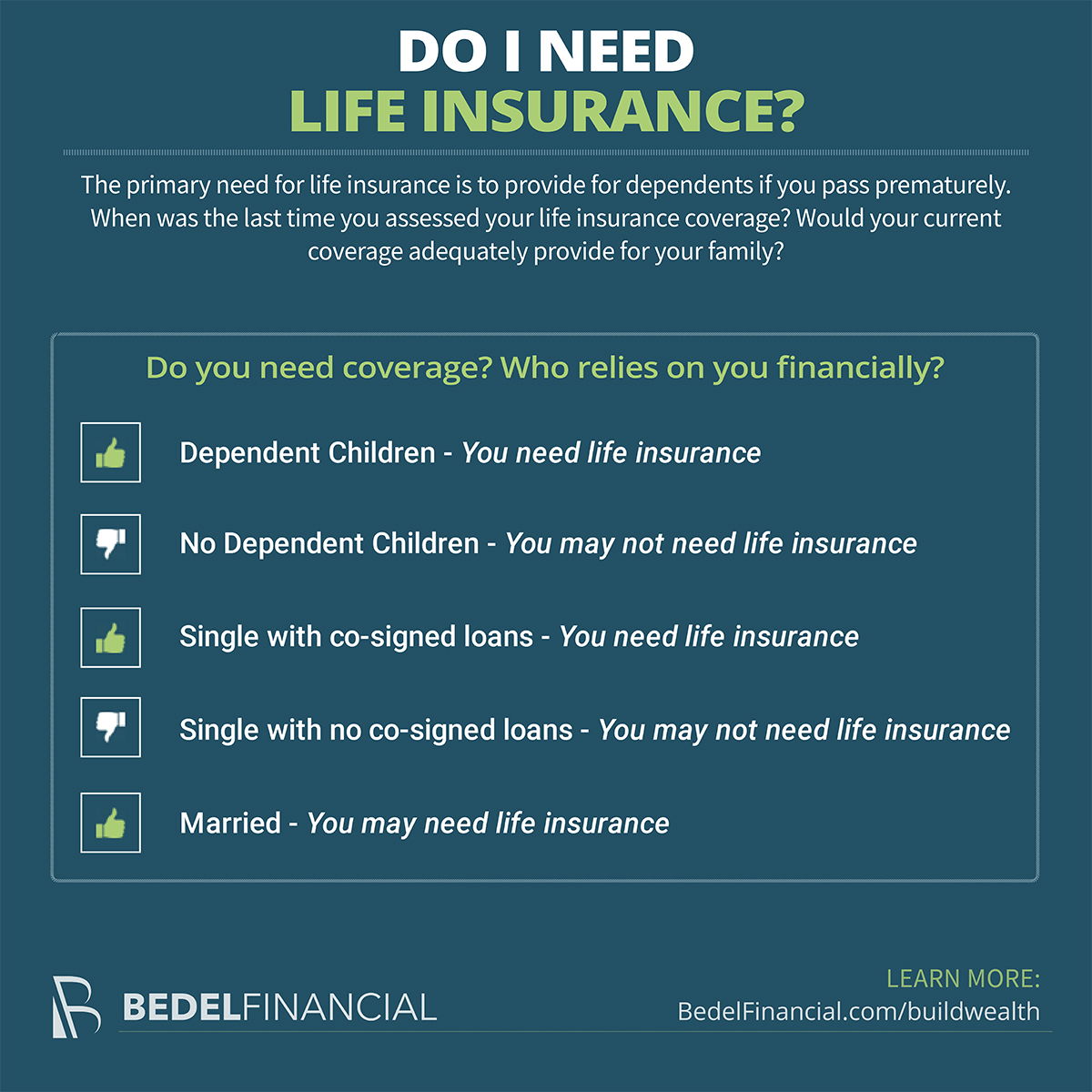
Life insurance functions primarily as a financial safety net designed to replace income, cover outstanding debts, and ensure dependents maintain financial stability after the policyholder's death. At its core, the industry divides policies into two primary categories: term life insurance and permanent life insurance. Each serves distinct financial planning goals, catering to different budgetary constraints and timelines.
Term life insurance provides coverage for a specific period—typically 10, 20, or 30 years. If the insured passes away during this active term, the designated beneficiaries receive the tax-free death benefit. This structure offers an affordable way to secure high coverage amounts during high-liability years, such as when raising children or paying off a mortgage. Once the term expires, coverage typically terminates or requires renewal at significantly higher rates based on the insured's attained age.
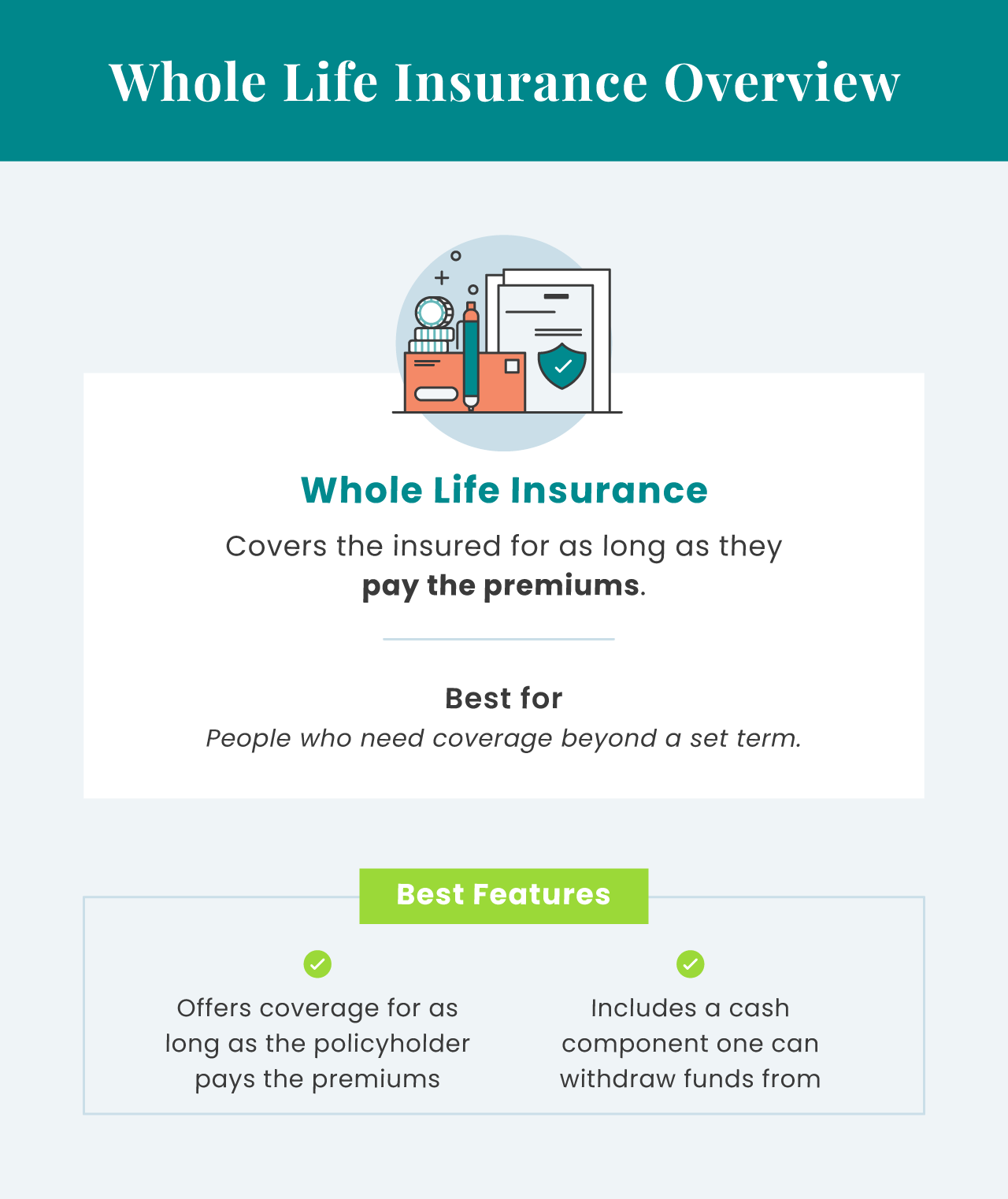
Permanent life insurance, which includes whole life and universal life policies, provides lifetime coverage alongside a cash-value component. A portion of each premium payment goes into an investment or savings account that grows on a tax-deferred basis over time. Policyholders can borrow against this accumulated cash value or surrender the policy for its cash surrender value. While substantially more expensive than term insurance upfront, permanent policies build equity and remain active for the entirety of the insured's life, provided premiums are maintained.
Evaluating Policy Structures and Coverage Types
Choosing the correct policy requires matching financial objectives with product capabilities. Consumers must look beyond basic monthly premiums to examine how policies handle underwriting, cash value growth, and death benefit adjustments.
- Level Premium Term: Rates remain fixed for the duration of the term, offering predictable budgeting.
- Decreasing Term: The death benefit decreases annually, often tied to a declining obligation like a mortgage principal.
- Whole Life: Fixed premiums, guaranteed death benefits, and steady, predictable cash value accumulation backed by the insurer's general account.
- Universal Life: Greater flexibility allowing policyholders to adjust premium payments and death benefits within contract guidelines, tied to market interest rates or index performance.
Underwriting plays a critical role in determining eligibility and pricing. Insurers evaluate medical history, lifestyle factors, occupation, and age through paramedical exams or accelerated underwriting models. Securing coverage early in life generally locks in lower rates, mitigating the risk of health changes that could make coverage prohibitively expensive or difficult to obtain later.
Comparing Term and Permanent Life Insurance Options
| Feature | Term Life Insurance | Permanent Life Insurance (Whole/Universal) |
|---|---|---|
| Duration | Fixed period (10–30 years) | Lifetime (as long as premiums are paid) |
| Cash Value | None | Yes, accumulates tax-deferred cash value |
| Cost | Lower initial cost | Significantly higher initial cost |
| Primary Use | Income replacement, temporary debts | Estate planning, lifetime security, wealth transfer |
| Flexibility | Minimal; expires or renews at higher rates | High; allows policy loans and cash withdrawals |
Financial Planning and Risk Management Considerations
Integrating life insurance into a broader financial plan demands careful calculation of human economic value and debt liabilities. Financial advisors often recommend a combination of the "DIME" formula—Debt, Income, Mortgage, and Education—or a multiple of current annual income to estimate necessary coverage amounts.
For individuals evaluating specialized phrases or regional offerings such as "vigo on" style parameters, it is essential to verify that the issuing company holds proper licensing within the relevant jurisdiction. Insurance regulations vary significantly by country and state, influencing consumer protections, guaranty fund backing, and dispute-resolution processes. Working with an independent broker or licensed financial advisor can help clarify localized policy endorsements, rider availability, and exclusions that may impact claim payouts.
Key Factors Impacting Policy Costs
- Age and Health Status: Younger, healthier applicants secure the most favorable rate classes.
- Tobacco and Nicotine Use: Smokers frequently face premiums two to three times higher than non-smokers.
- Occupation and Hobbies: High-risk professions or dangerous pastimes like aviation or skydiving can trigger policy riders or exclusions.
- Coverage Amount: Higher death benefits require more rigorous underwriting and higher premium outlays.
Frequently Asked Questions
What is the main difference between term and permanent life insurance?
Term life insurance provides temporary coverage for a set number of years with no cash value component, making it budget-friendly for income replacement. Permanent life insurance lasts for the insured's entire life and includes a cash-value savings element that grows over time, though at a much higher cost.
How much life insurance coverage do I need?
A common benchmark is 10 to 15 times your annual income, adjusted for outstanding debts, future college expenses for children, and mortgage balances. A comprehensive personal financial audit provides the most accurate target number.
Can my life insurance rates increase over time?
With level term and traditional whole life policies, your premiums remain locked for the duration of the policy or term. However, renewable term policies experience rate increases at the end of every term, and universal life policies may require higher premiums if cash value underperforms.
What happens if I miss a life insurance premium payment?
Most policies feature a grace period—typically 30 to 31 days—during which you can pay the overdue premium without losing coverage. If payments cease permanently, term policies lapse with no value, while permanent policies may utilize built-up cash value to keep the policy active temporarily through automatic premium loans.
Are life insurance death benefits taxable?
In most cases, life insurance death benefits paid to a designated beneficiary are received completely free of income tax. However, if the policy is owned by an estate or structured improperly, estate taxes may apply.
Next Steps for Securing Policy Coverage
To move forward with confidence, begin by calculating your exact coverage requirements based on current financial obligations and long-term family goals. Request quotes from multiple reputable, licensed insurers to compare pricing and policy structures. Because underwriting guidelines differ from one carrier to another, consulting an independent insurance professional can help you navigate complex medical histories, specialized policy riders, and regional regulations to secure the right protection for your circumstances.
Image Gallery