Understanding Neuter Surgery Cost in 2026: A Comprehensive Financial Guide
The average cost of neuter surgery in 2026 ranges from $50 to $150 at low-cost clinics and $250 to $800 at full-service private veterinary hospitals. These prices vary significantly based on the animal’s species, weight, age, geographi...
The average cost of neuter surgery in 2026 ranges from $50 to $150 at low-cost clinics and $250 to $800 at full-service private veterinary hospitals. These prices vary significantly based on the animal’s species, weight, age, geographic location, and whether the procedure includes comprehensive pre-anesthetic bloodwork and post-operative monitoring.
Contents
Neuter surgery, medically known as an orchiectomy, is a standard procedure for male pets that involves the surgical removal of the testes. While it is one of the most common surgeries performed in veterinary medicine, the financial commitment can catch pet owners off guard if they only look at the base "sticker price." Understanding the variables that influence these costs is essential for responsible budgeting and ensuring your pet receives the appropriate level of care.
Factors Influencing the Cost of Neutering
The price of a neuter procedure is rarely a flat fee. Veterinary practices calculate their rates based on several clinical and operational factors that ensure the safety of the animal and the sustainability of the clinic.
Species and Size
The most immediate factor is whether the patient is a dog or a cat. Feline neuters are generally less expensive than canine neuters because the procedure is surgically simpler and takes less time. For dogs, weight is a primary cost driver. A 100-pound Great Dane requires significantly more anesthetic drugs, larger doses of pain medication, and a longer surgical duration than a 10-pound Chihuahua. Most private clinics use a tiered pricing structure based on weight brackets (e.g., 1-25 lbs, 26-50 lbs, etc.).
Age and Health Status
Age plays a critical role in surgical complexity. Puppies and kittens usually have "cleaner" surgeries with faster recovery times. Older pets may require additional screenings, such as chest X-rays or more extensive blood panels, to ensure their organs can handle anesthesia. If a pet is obese or has underlying health issues, the anesthetic risk increases, often requiring specialized monitoring equipment or additional technician support, which adds to the final bill.
Geographic Location
Like most services, veterinary costs are tied to the local cost of living. A clinic in Manhattan or San Francisco will have higher overhead costs—rent, utilities, and staff wages—than a clinic in a rural area. Consequently, pet owners in urban centers should expect to pay at the higher end of the national average.
Private Veterinary Clinics vs. Low-Cost Programs
Choosing where to have your pet neutered is often a balance between budget and the desired level of individualized care.
Full-Service Private Hospitals
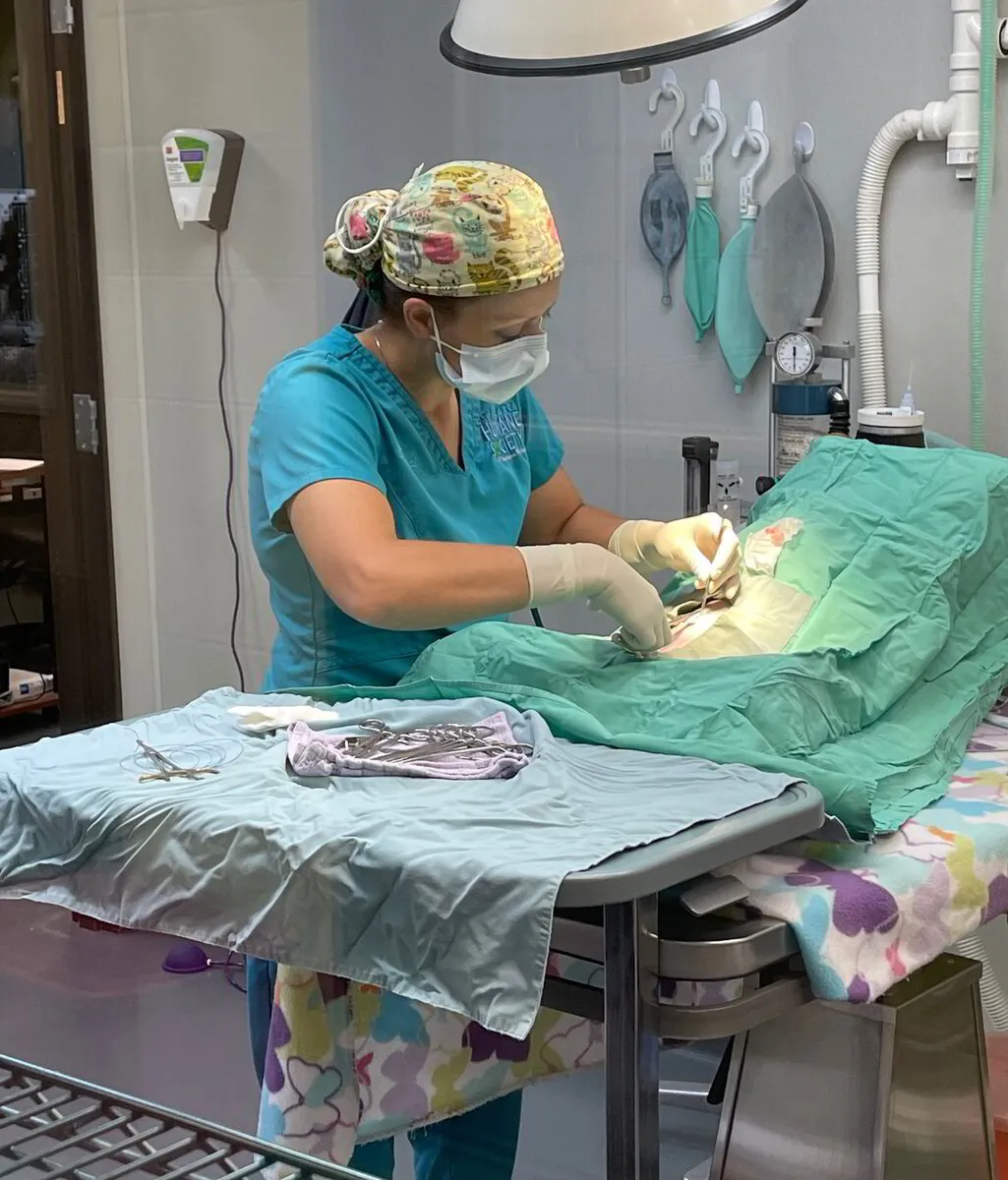
At a private veterinary hospital, the neuter cost typically covers a comprehensive "standard of care" package. This often includes:
- A thorough pre-surgical physical exam.
- Pre-anesthetic blood screening to check liver and kidney function.
- Intravenous (IV) catheter and fluids to maintain blood pressure.
- Advanced monitoring (ECG, oxygen saturation, blood pressure).
- Dedicated surgical nursing staff.
- Licensed technicians for recovery monitoring.
While the price is higher (often $300–$600 for dogs), this model prioritizes safety and minimizes risks associated with anesthesia.
Low-Cost Spay/Neuter Clinics
Low-cost clinics are often subsidized by non-profits or local governments. Their goal is population control, so they streamline the process to perform a high volume of surgeries daily. To keep costs low (often $50–$150), they may offer bloodwork or IV fluids as optional add-ons rather than requirements. While these clinics are safe and staffed by experienced surgeons, they may not provide the same level of one-on-one post-operative monitoring as a private practice.
Breakdown of Typical Expenses (The Line Items)
To understand your quote, it is helpful to see what actually goes into the bill. A "neuter" is not just the surgery itself; it is a suite of medical services.
| Service Category | Estimated Cost Range (2026) | Description |
|---|---|---|
| Pre-Surgical Exam | $50 – $100 | Visual and physical assessment by a veterinarian. |
| Bloodwork | $80 – $180 | Checking for underlying issues that affect anesthesia safety. |
| Anesthesia/Sedation | $75 – $250 | Drugs used to induce and maintain unconsciousness. |
| The Procedure | $100 – $400 | The actual surgical removal of the testes. |
| IV Fluids/Catheter | $50 – $90 | Maintains hydration and provides emergency vein access. |
| Pain Medication | $30 – $70 | Injections during surgery and tablets for home recovery. |
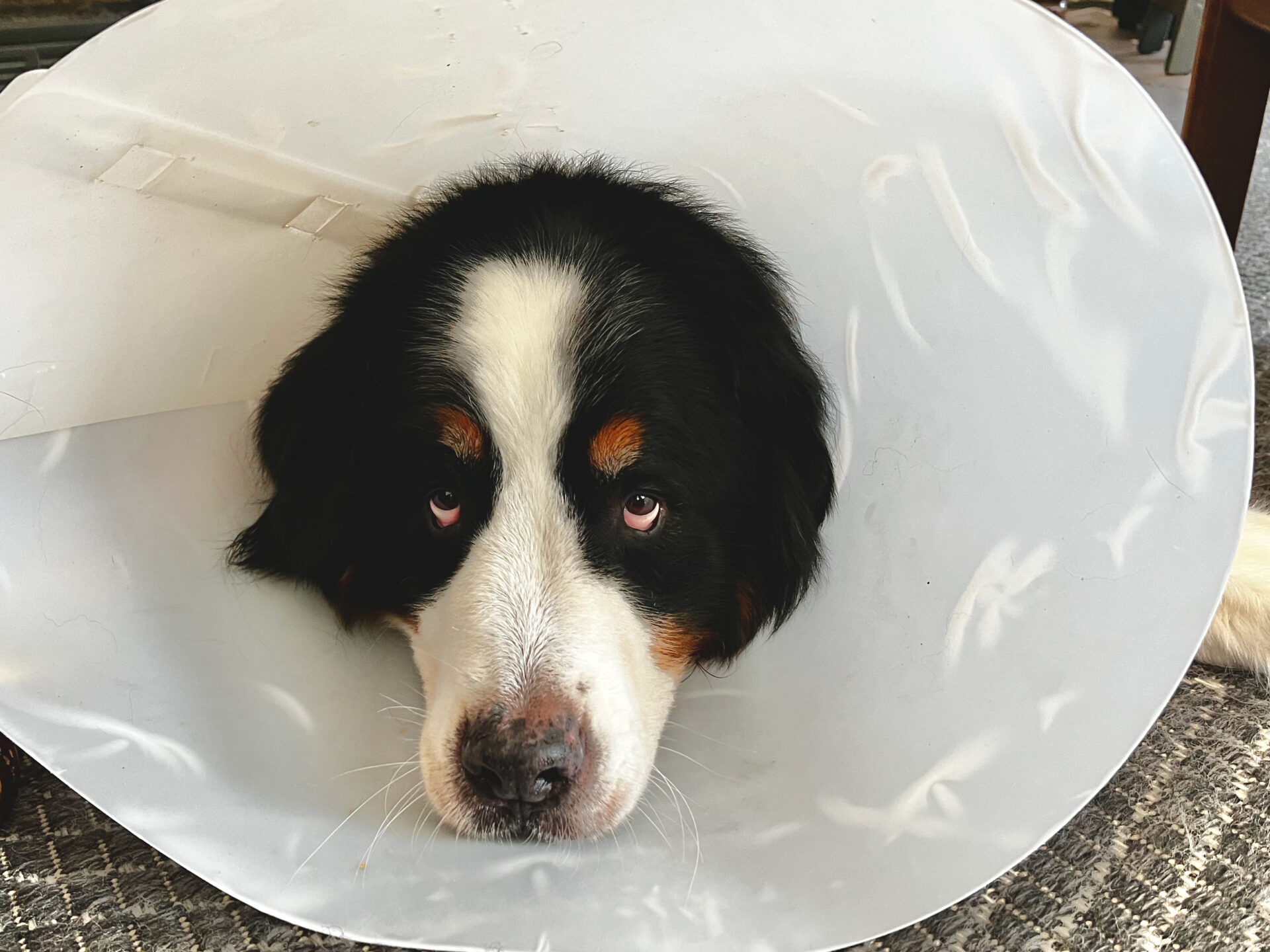
| E-Collar (The Cone) | $15 – $30 | Prevents the pet from licking or biting the incision. |
Complications and Special Circumstances
Not every neuter is a "routine" procedure. There are specific medical conditions that can double or even triple the cost of the surgery.
Cryptorchidism
This is a condition where one or both testicles fail to descend into the scrotum. If the testicle is located in the inguinal canal or the abdomen, the surgery changes from a simple external procedure to an invasive abdominal surgery similar to a female spay. This requires more time, more anesthesia, and more surgical skill. Owners of cryptorchid pets can expect to pay an additional $150 to $500 depending on the location of the undescended testicle.
Post-Operative Complications
While rare, complications like incisional infections, hematomas (swelling from blood trapped under the skin), or dehiscence (the wound opening up) can occur. These usually happen if the pet is too active during recovery or manages to lick the surgical site. Treating these complications requires additional exams, antibiotics, or even a second surgery to repair the site, adding unforeseen costs.
Financial Assistance and Cost-Saving Strategies
If the cost of neutering is a barrier, there are several avenues to explore in 2026 to ensure your pet gets the care they need.
- Voucher Programs: Many organizations, such as Friends of Animals, provide certificates that act as cash for spay/neuter procedures at participating vets.
- Pet Insurance: Some "Wellness" or "Preventative" riders on pet insurance policies cover part or all of the neutering costs. Standard accident/illness policies generally do not cover elective surgeries.
- Wellness Plans: Many corporate and large private veterinary practices offer monthly subscription plans that bundle vaccines, exams, and the neuter procedure into a fixed monthly payment.
- Local Shelters: Many ASPCA or Humane Society chapters offer mobile clinics or specific "Neuter Days" where prices are significantly reduced for residents of certain zip codes.
The Long-Term Value of Neutering
While the upfront cost may seem high, neutering is a financial "investment" in your pet's future. Intact male pets are at a much higher risk for:
- Testicular Cancer: Completely eliminated by neutering.
- Prostate Problems: Neutering reduces the risk of enlarged prostate and infections.
- Roaming Injuries: Intact males are more likely to escape and get hit by cars or fight other animals while seeking a mate.
- Behavioral Issues: Marking (urinating indoors) and aggression are often reduced, potentially saving thousands in home repairs or liability.
Frequently Asked Questions
Is neutering cheaper for cats than for dogs?
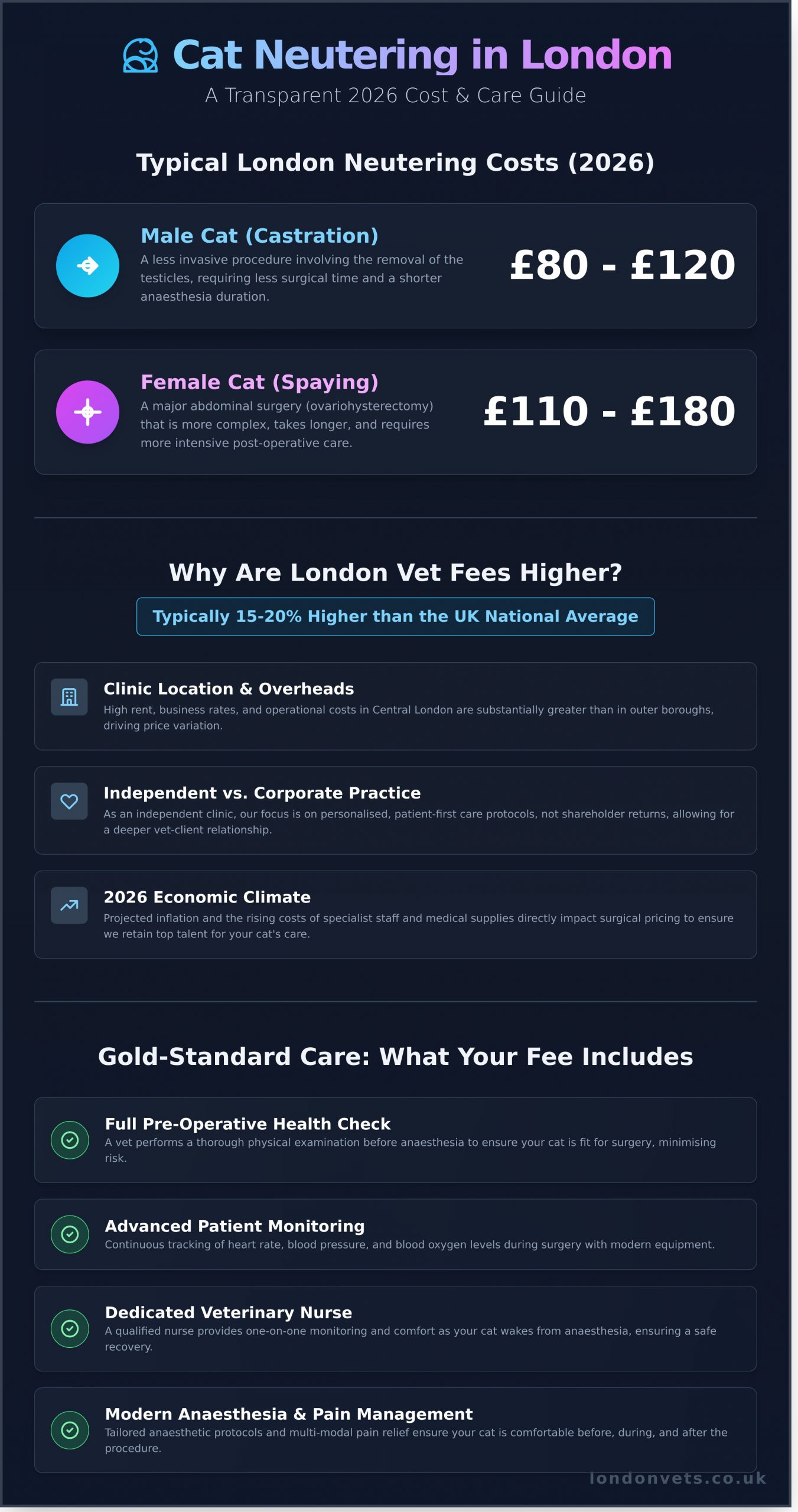
Yes, typically. Cat neuters are less invasive and require less time and medication. In 2026, a cat neuter at a private clinic might cost $150–$300, whereas a dog neuter often starts at $250 and increases with weight.
Does pet insurance cover the cost of neutering?
Standard pet insurance policies usually do not cover neutering because it is considered an elective, preventive procedure. However, many insurers offer "wellness" add-ons that specifically include a budget for spaying and neutering.
Why is there such a big price difference between clinics?
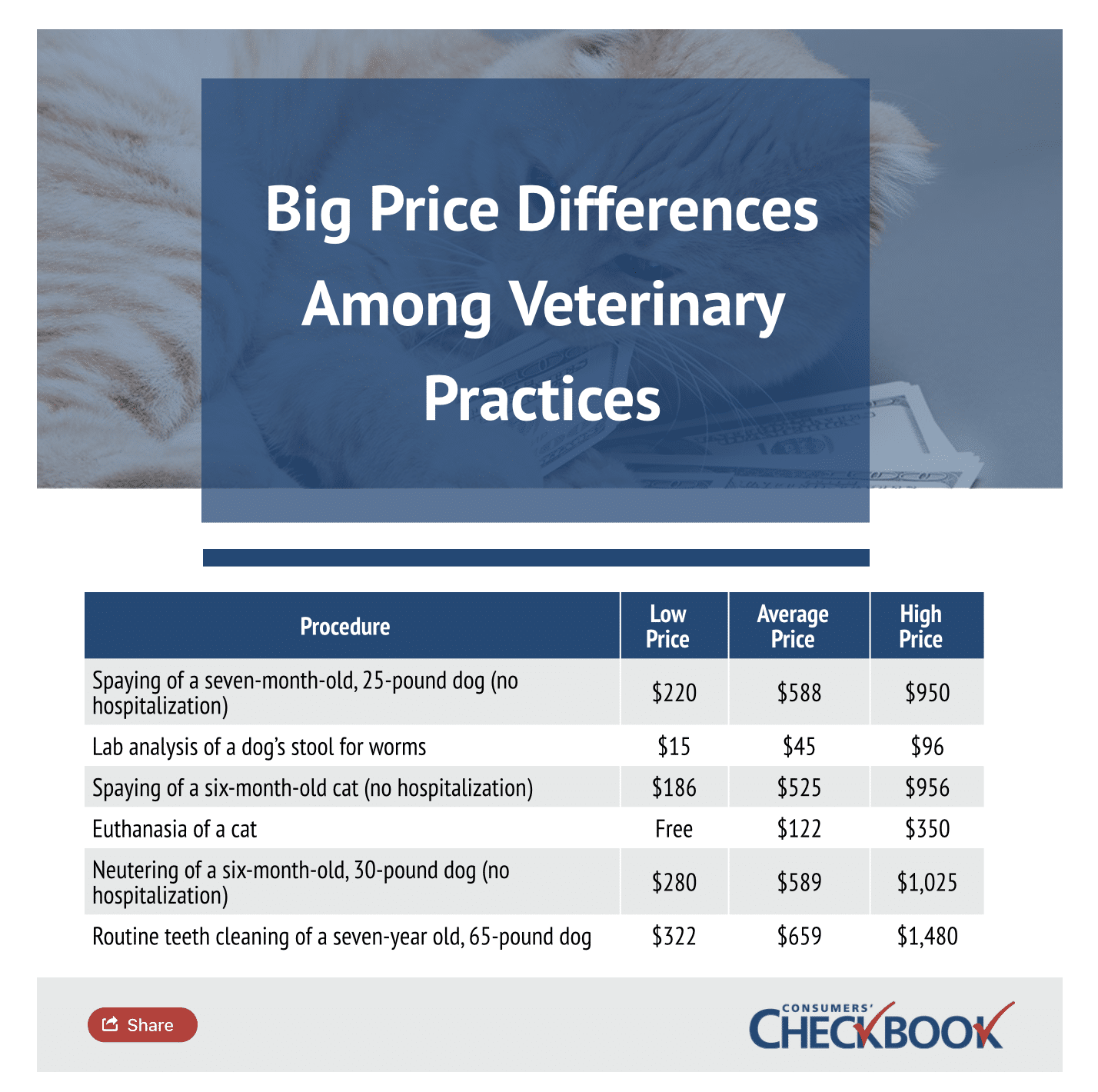
The difference usually reflects the "level of care." High-end clinics include extensive monitoring, high-quality anesthetic gases, and more staff per patient. Low-cost clinics prioritize efficiency and volume to make the procedure accessible to everyone.
At what age should I neuter my pet to avoid extra costs?
While traditional advice suggested 6 months, current AVMA guidelines often recommend waiting longer for large-breed dogs to allow for proper bone growth. However, neutering before an animal becomes geriatric or develops prostate issues is always more cost-effective.
Can I skip the pre-operative bloodwork to save money?
Technically, some clinics allow you to waive bloodwork for young, healthy pets. However, veterinarians strongly advise against it, as bloodwork is the only way to detect "silent" organ issues that could make anesthesia fatal.
What should I do if I can't afford the surgery?
Search for local non-profit organizations or municipal shelters that offer subsidized vouchers. You can also look into "CareCredit" or "Scratchpay," which are financing options specifically for veterinary and medical expenses.
Next Steps for Pet Owners
Before booking an appointment, call at least three different providers in your area for a detailed quote. Ask specifically what is included in the base price and if there are mandatory fees for bloodwork or post-operative medication. If you are using a low-cost clinic, ensure you understand their protocol for emergency care should a complication arise during the procedure. Taking these steps in 2026 ensures your pet receives safe medical care that fits within your financial means.
Image Gallery