Finding the Best Undershorts for Dresses: A Technical Guide to Comfort and Coverage
The best undershorts for dresses provide a seamless, friction-reducing layer that prevents chafing and unintended exposure while maintaining breathability. Choosing the right pair requires balancing fabric composition, leg length, and...
The best undershorts for dresses provide a seamless, friction-reducing layer that prevents chafing and unintended exposure while maintaining breathability. Choosing the right pair requires balancing fabric composition, leg length, and waist construction to ensure the garment remains invisible under your clothing while providing all-day support.
Contents
Understanding the Purpose of Undershorts
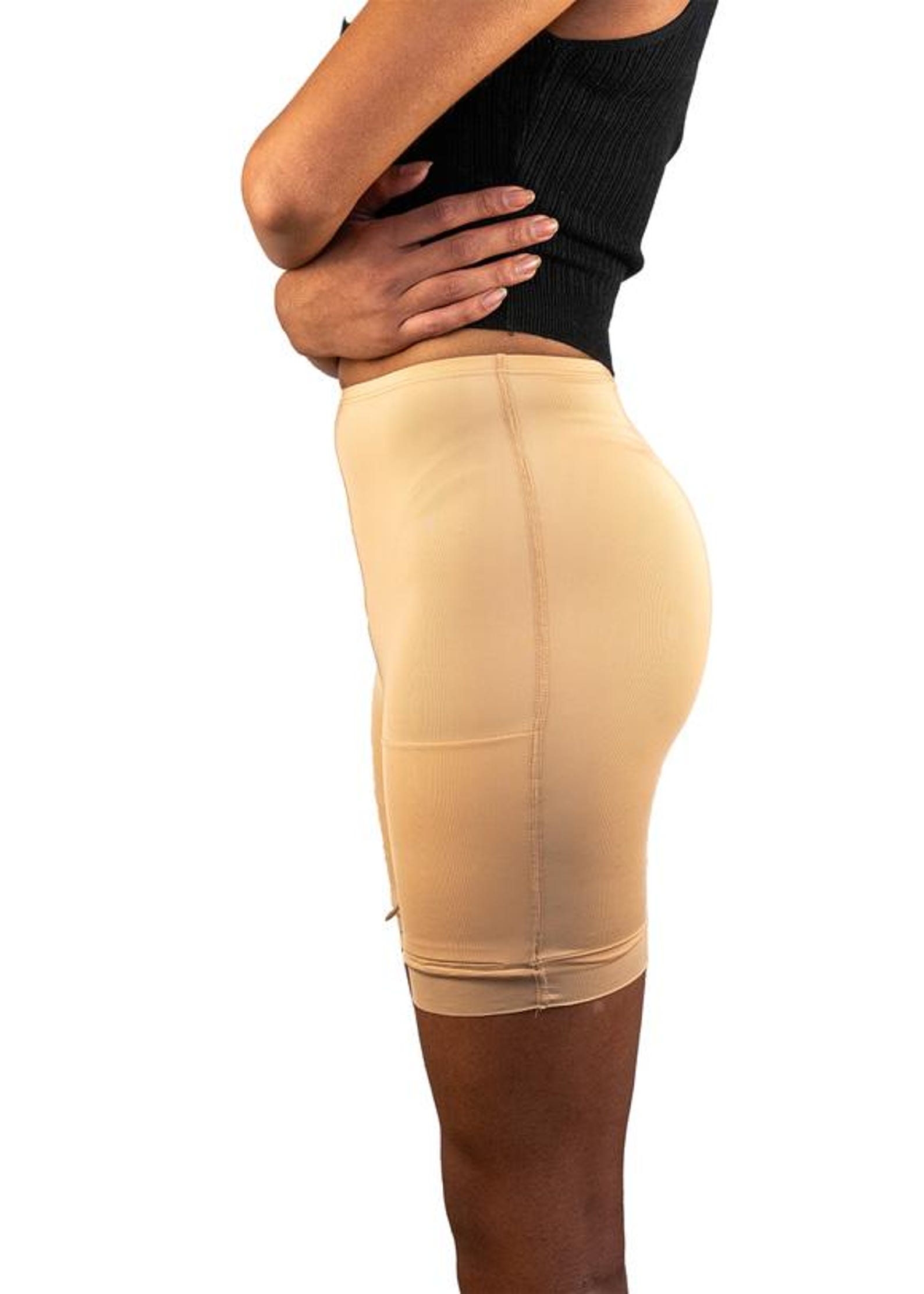
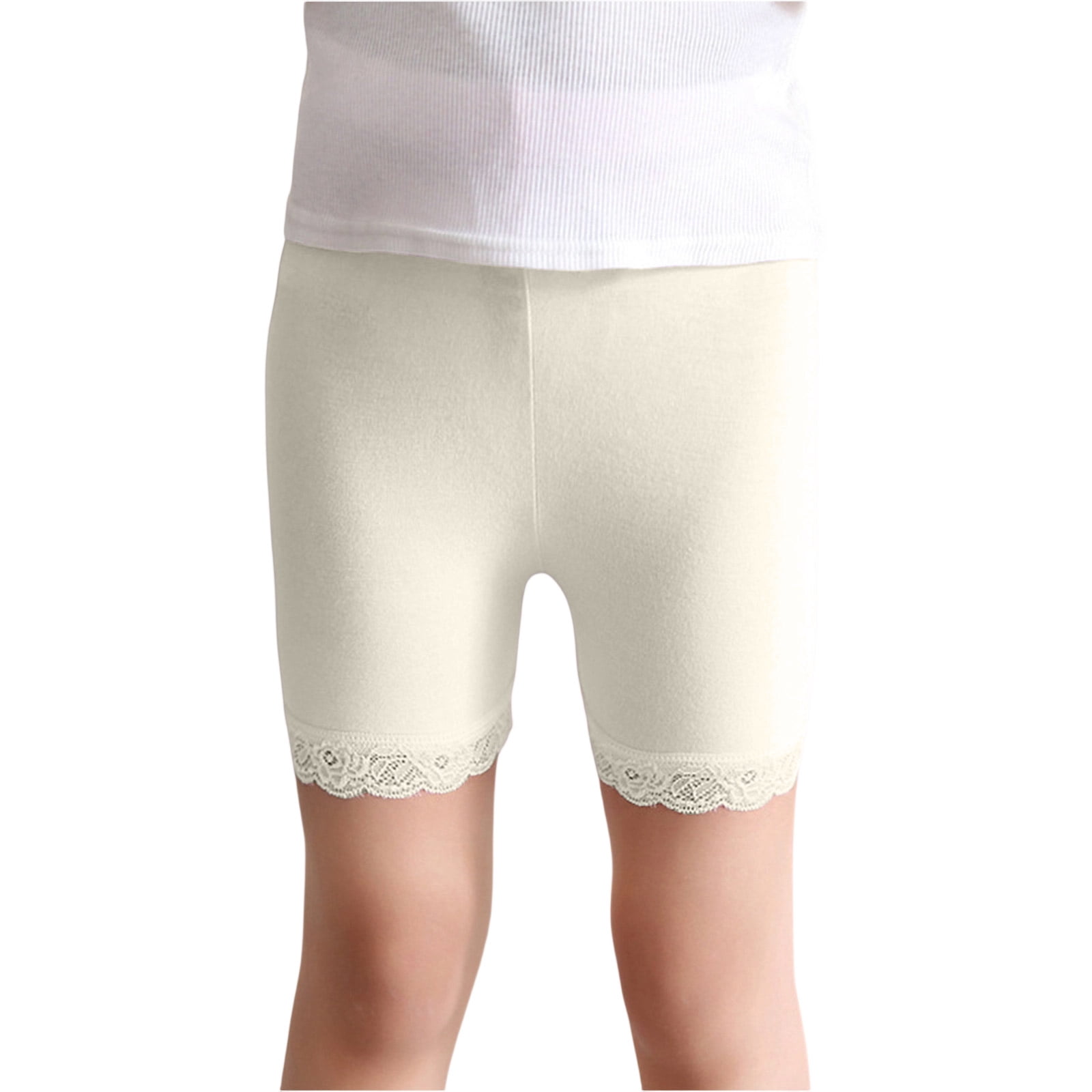
Undershorts—frequently referred to as anti-chafing shorts, slip shorts, or modesty shorts—serve three primary functions in a wardrobe: preventing thigh friction (chafing), providing security against wind or accidental exposure, and smoothing the silhouette. Unlike traditional shapewear, which is designed to compress and redistribute soft tissue, the primary intent of modern undershorts is comfort and confidence.
The necessity of this garment has increased as dress fabrics have become thinner and lighter. A high-quality pair of undershorts should act as a "second skin." They must be thin enough to avoid creating visible bulk around the waist or thighs, yet durable enough to prevent the "thigh rub" that occurs during extended periods of walking or heat exposure.
Key Fabric Considerations for All-Day Wear
When evaluating options, the technical composition of the fabric is the most important factor. You are essentially looking for a balance between moisture management and elasticity.
- Synthetics (Nylon/Spandex/Polyester): These are the industry standard for undershorts. Nylon provides a silk-like feel, while Spandex (or Elastane) offers the necessary recovery to prevent sagging throughout the day. These materials are generally hydrophobic, meaning they wick sweat away from the skin, which is critical for preventing chafing.
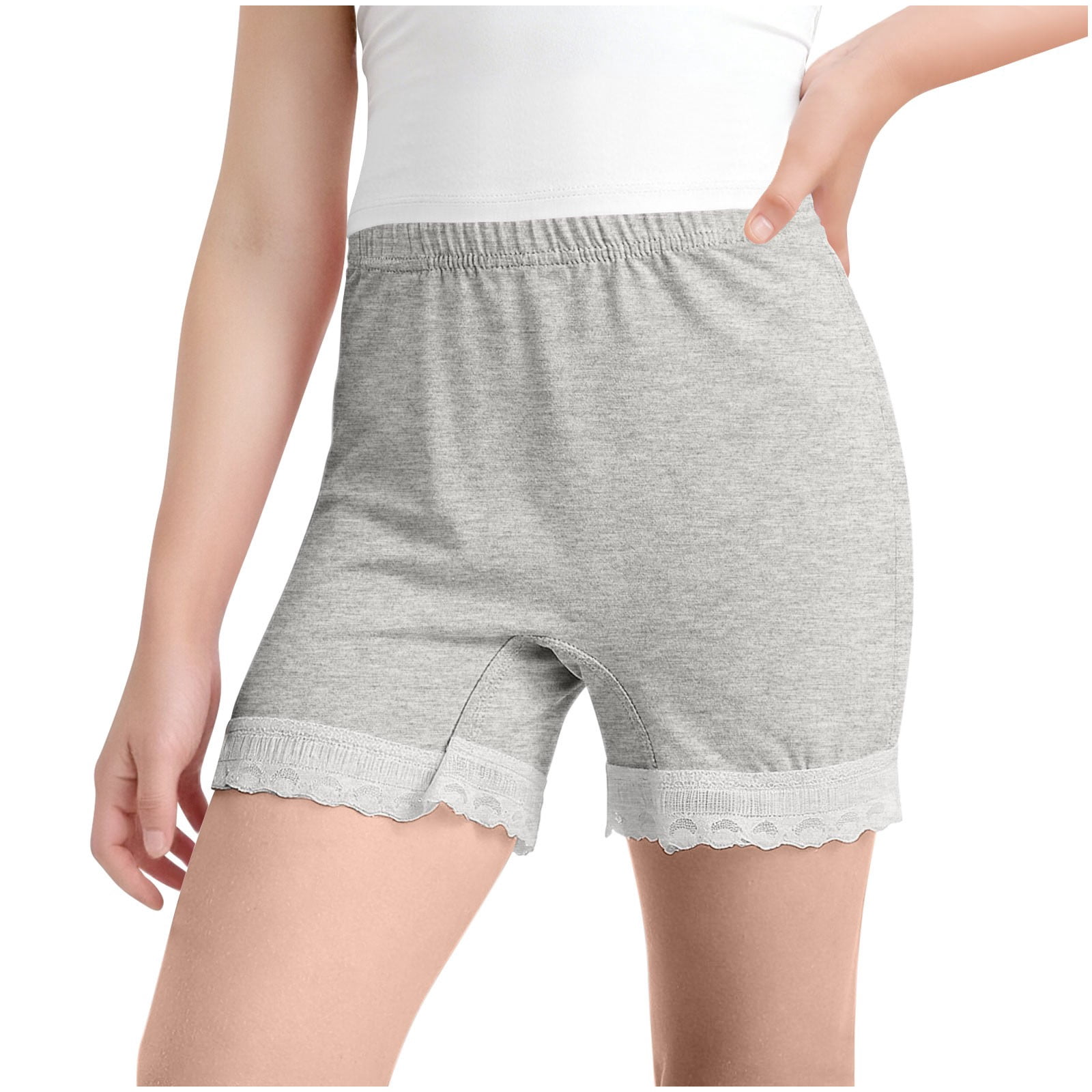
- Natural Fibers (Modal/Bamboo/Cotton): Modal and bamboo-derived fabrics are highly breathable and softer than cotton. They are excellent for those with sensitive skin. However, they may not offer the same level of elasticity as synthetic blends and can hold more moisture in humid conditions.
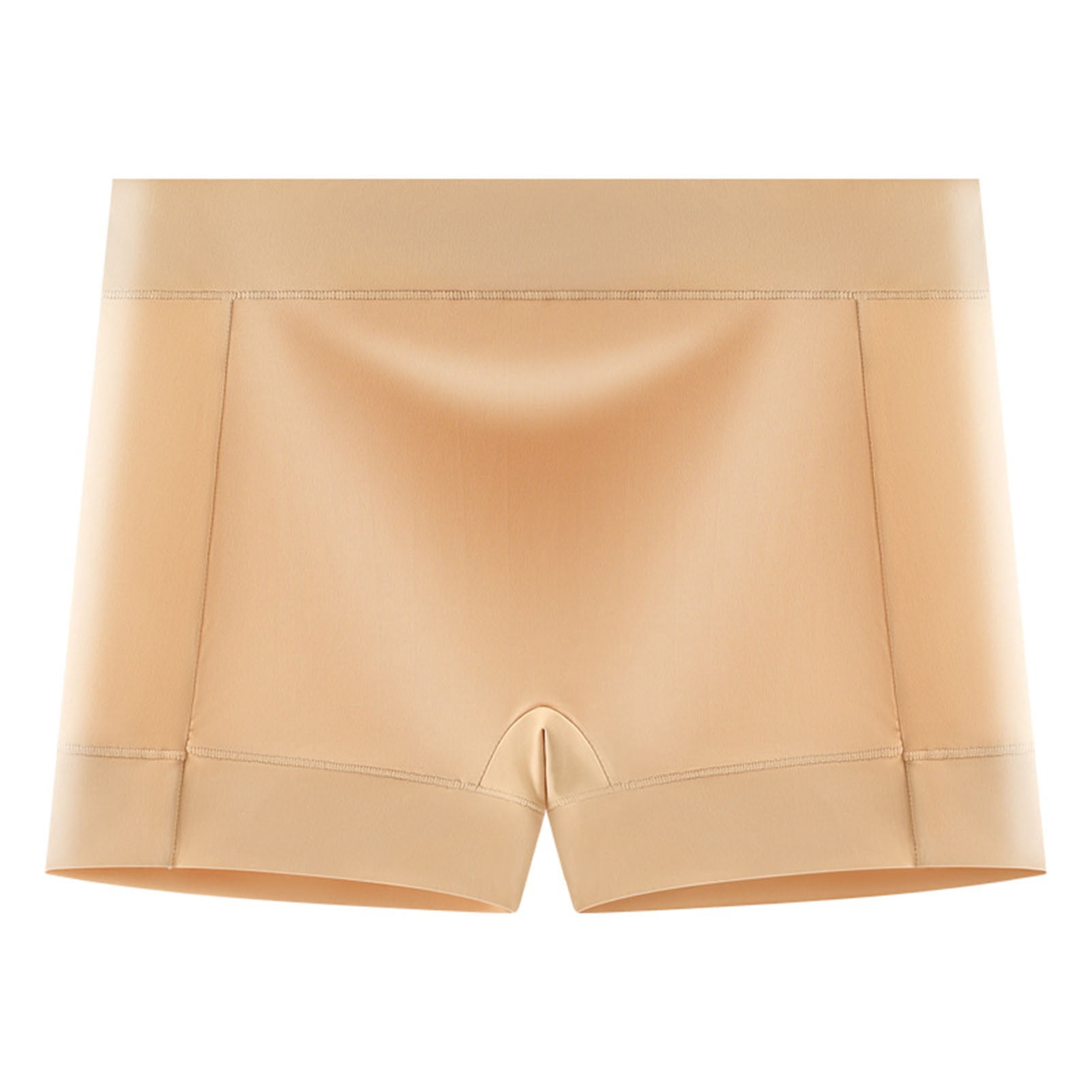
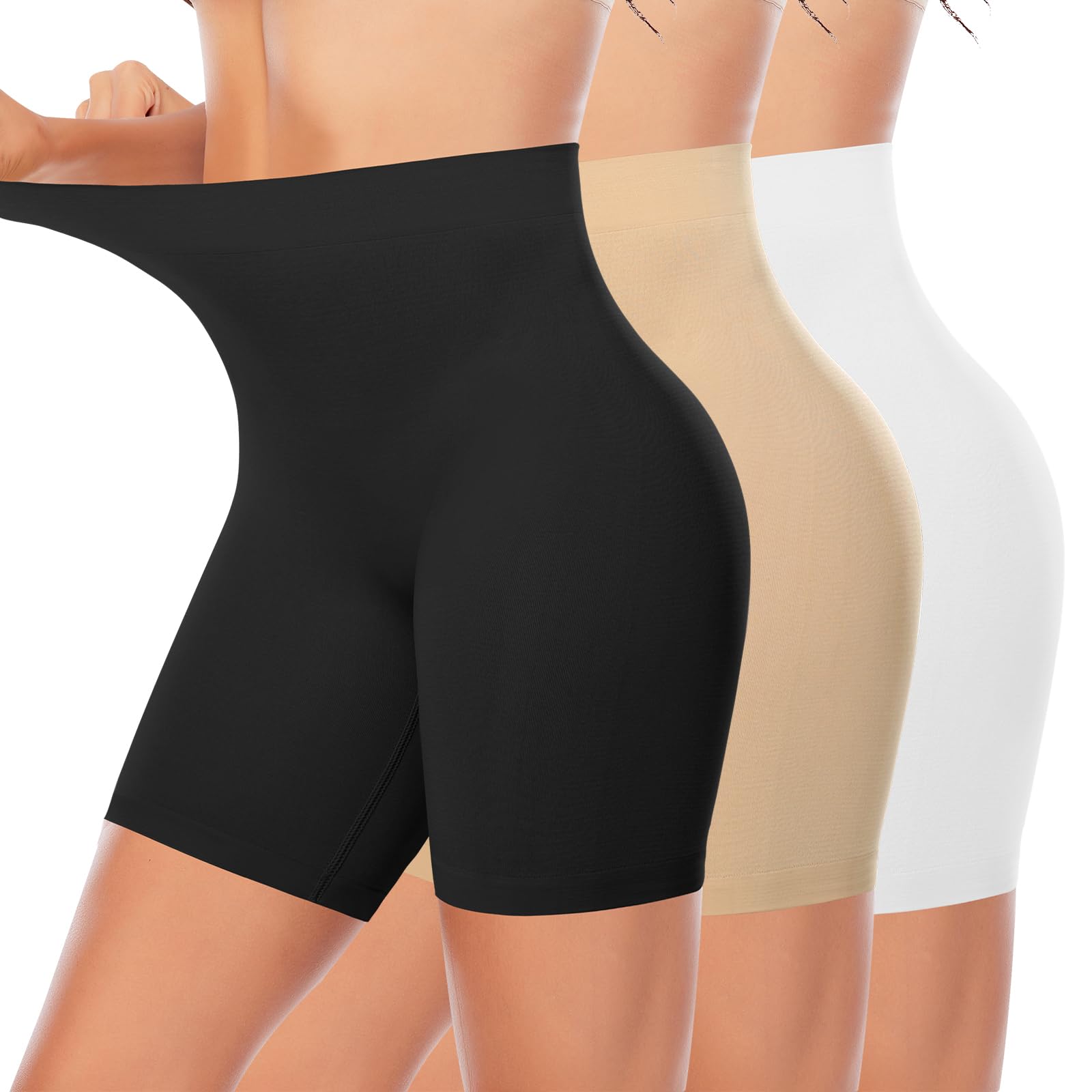
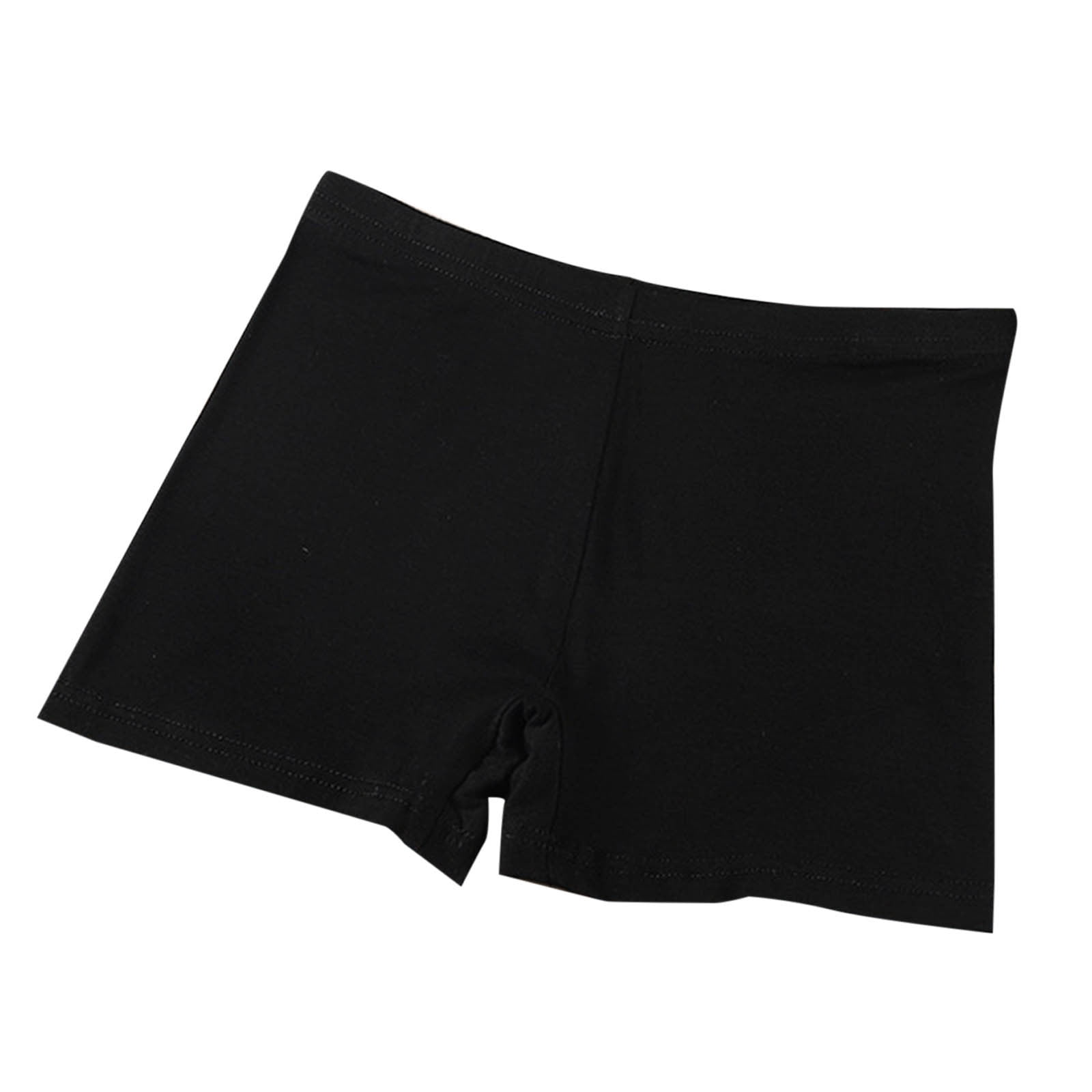
- The Seamless Factor: Look for garments constructed with flatlock seams or laser-cut edges. Traditional, bulky seams create "ridges" that appear through thinner dress materials, such as silk or jersey knits. Laser-cut leg openings are particularly effective for creating an invisible transition between the fabric and your skin.
Navigating Leg Lengths and Waist Profiles
The "correct" length of an undershort is dictated by the hemline of your dress and your specific comfort requirements.
- Short Inseam (3–4 inches): These are ideal for mini-dresses or skirts with higher hemlines. They provide coverage for the glutes and upper thighs without the risk of the fabric peeking out when you sit or move.
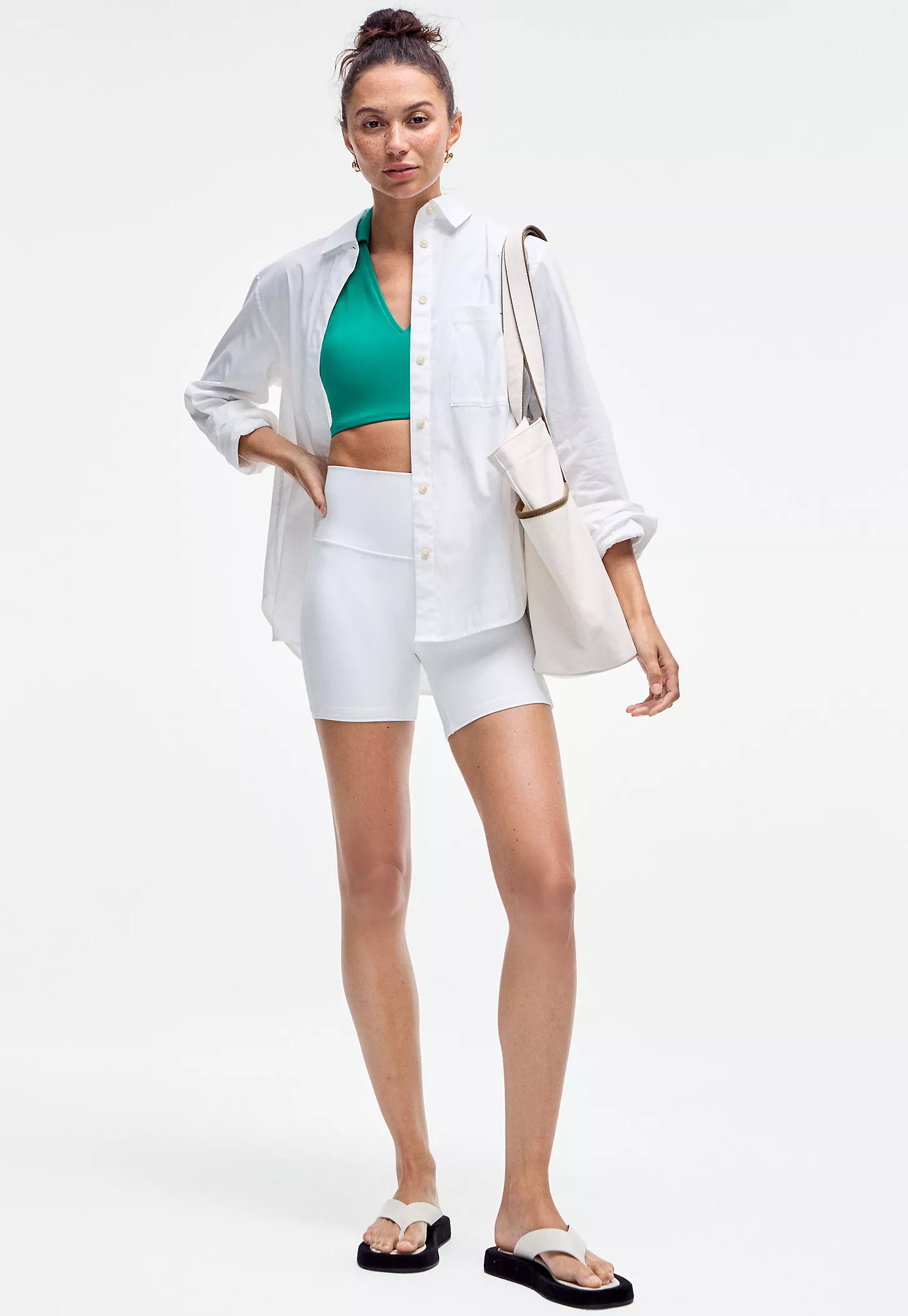
- Mid-Length (5–7 inches): This is the most common "anti-chafe" length. It covers the full surface area where thighs typically rub together.
- Longer Length (8+ inches): Recommended for maxi dresses or midi-skirts where fabric bunching is less of a concern, or for individuals who prefer the feeling of a more substantial base layer that stays firmly in place without rolling up.
Regarding the waist, look for a "tapered" or "wide" waistband. A narrow elastic band will dig into the skin, creating an unwanted "muffin top" effect. A wider, double-layered fabric waistband distributes pressure more evenly across the midsection, providing a smooth profile that stays in place.
Comparison of Undershort Types
| Type | Best For | Material Focus | Primary Benefit |
|---|---|---|---|
| Seamless Slip Shorts | Lightweight dresses | Nylon/Spandex | Invisible under thin fabrics |
| Performance Anti-Chafe | High-activity/Summer | Moisture-wicking poly | Prevents friction-based irritation |
| Light-Control Shorts | Occasion wear | High-denier Nylon | Subtle smoothing, no compression |
| Natural Fiber Shorts | Sensitive skin/Lounging | Modal or Bamboo | Maximum breathability |
Common Mistakes and How to Avoid Them
The most frequent complaint among users is "rolling." This occurs when the waistband folds over or the legs creep upward. To troubleshoot this, check the following:
- Size Accuracy: If the waistband rolls down, the size is often too large. The silicone-like grip needed to stay in place requires the garment to sit snugly against the skin.
- Fabric Weight: If you are wearing a dress made of heavy linen or denim, you do not need lightweight, ultra-thin undershorts; you may need a slightly sturdier knit to prevent the leg from migrating upward.
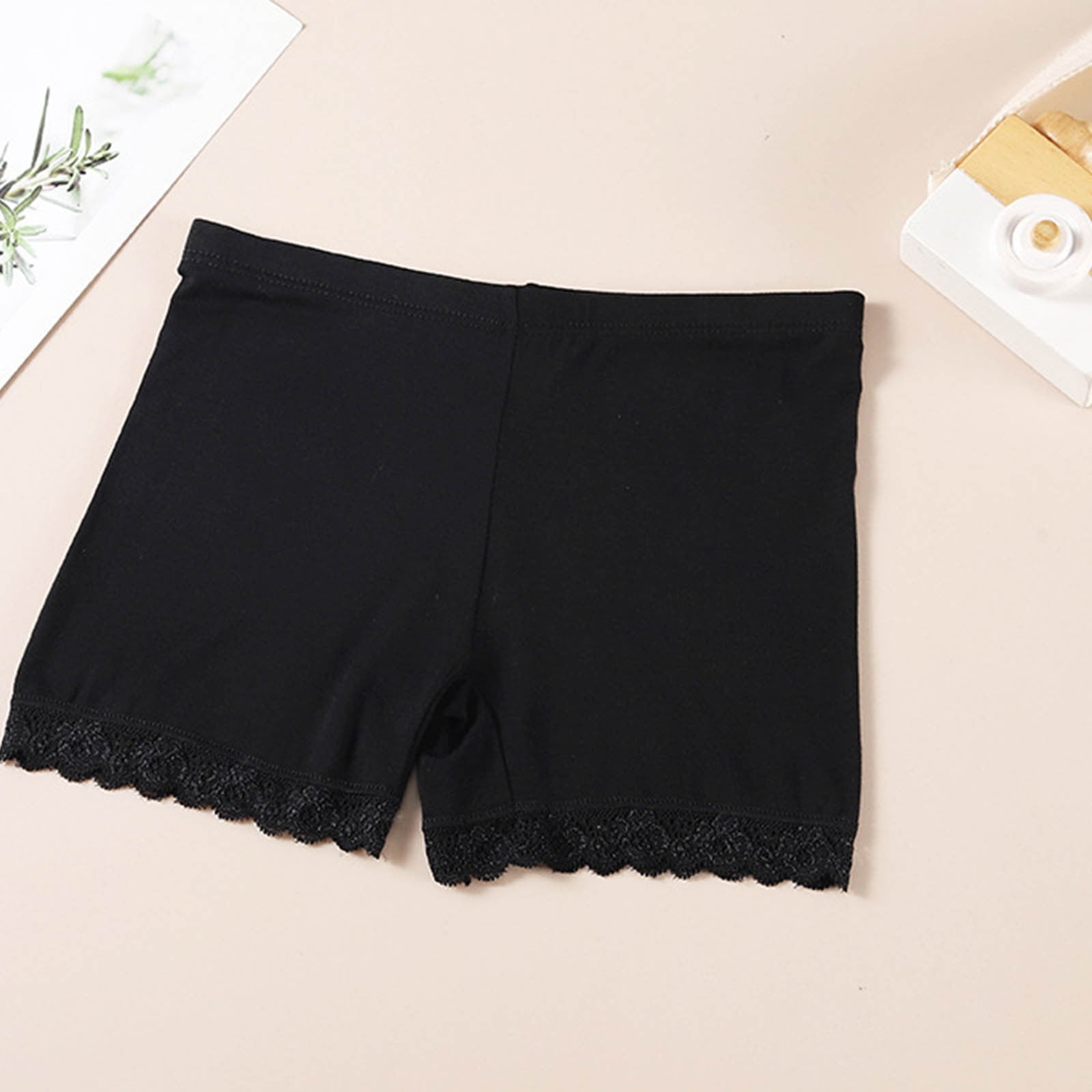
- The "Rising" Leg: Look for shorts with "stay-put" silicone beading on the interior of the leg hem. This minor technical addition prevents the fabric from sliding up while you walk.
Caring for Your Undershorts
Because these garments sit directly against the skin, they absorb body oils and sweat throughout the day. To maintain the elasticity of the spandex fibers, avoid high-heat drying. Heat degrades synthetic polymers, causing the fabric to lose its "snap" or recovery, which leads to loose-fitting, sagging shorts. Always wash in cool water and allow them to air dry.
Frequently Asked Questions
Are undershorts the same thing as shapewear? Not necessarily. While some undershorts offer light smoothing, their primary function is comfort and friction reduction. Shapewear is typically engineered with higher compression levels to alter the body’s silhouette, whereas undershorts are intended for modesty and everyday utility.
Why do my undershorts keep riding up my legs? This is usually caused by either an improper fit or the lack of a silicone gripper at the hem. If the circumference of the leg opening is too loose, the fabric has room to move. Ensure you are choosing a brand that offers a range of sizes based on thigh circumference rather than just generic "S/M/L" sizing.
Can I wear cotton underwear underneath these shorts? Yes, but choosing a seamless, moisture-wicking pair of underwear is recommended to keep the entire system breathable. Cotton can absorb moisture and stay wet, which can be counterproductive if you are wearing the undershorts specifically to manage heat and perspiration.
How do I prevent lines under a silk or satin dress? Focus on "seamless" or "laser-cut" styles. These products omit traditional stitched hems, replacing them with bonded or heat-sealed edges that lie perfectly flat against the skin, ensuring the garment remains undetectable under high-sheen fabrics like silk.
Final Recommendation
When shopping for the best undershorts for your needs in 2026, prioritize products that offer specialized sizing. Because body shapes vary significantly in the ratio between the waist and the thigh, brands that allow you to select sizes based on specific measurements—or those that provide a generous amount of four-way stretch—will consistently outperform one-size-fits-all alternatives. Start by identifying the hemline of your most problematic dress and matching it to a 3-inch, 5-inch, or 7-inch inseam to ensure complete coverage without excess bulk.
Image Gallery