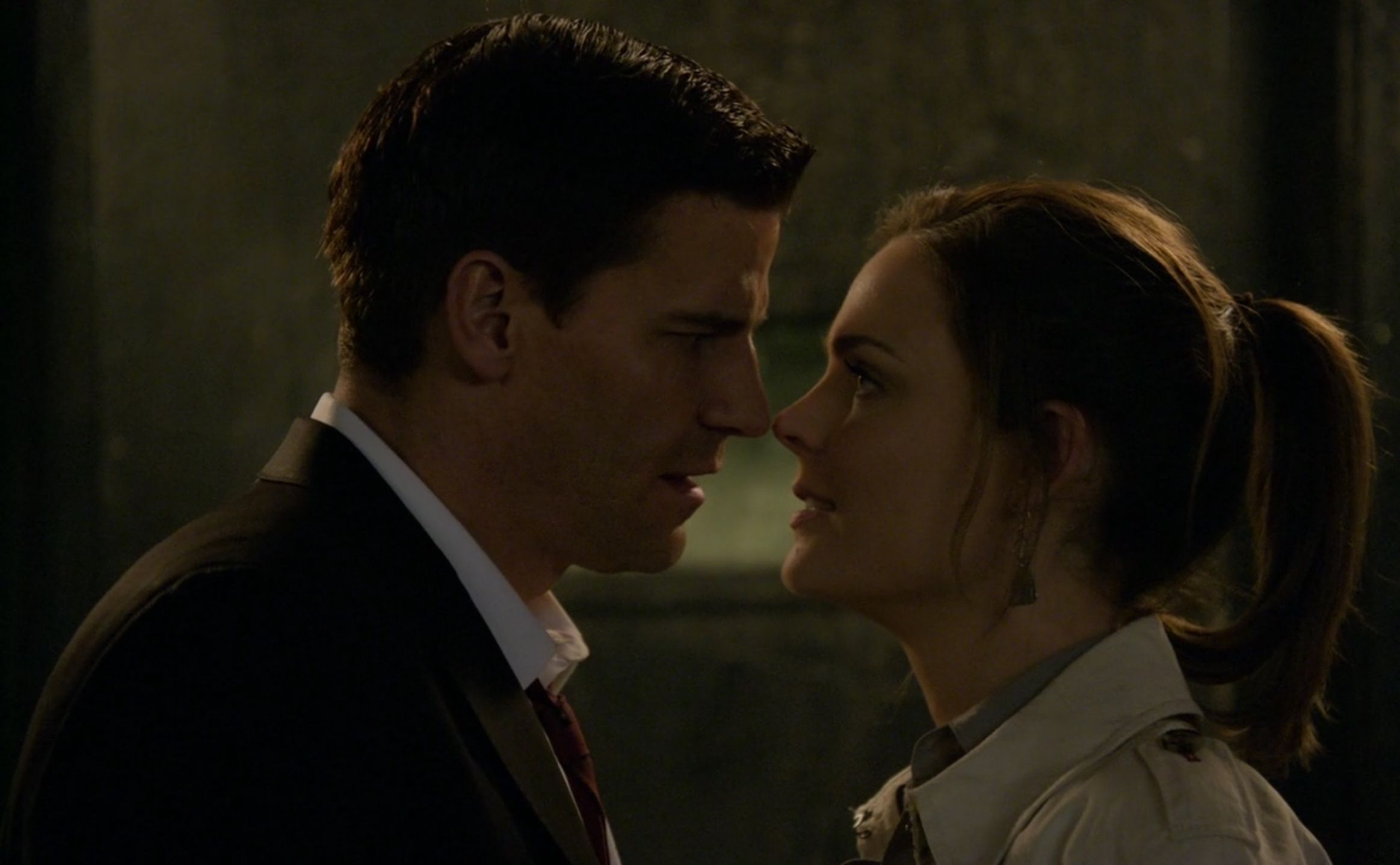
The Evolution of the Bones and Booth Relationship: A Case Study in Narrative Tension
The dynamic between Dr. Temperance "Bones" Brennan and Special Agent Seeley Booth represents one of the most structured examples of the "will-they-won't-they" trope in modern television history. Throughout the twelve-season run of the...
The dynamic between Dr. Temperance "Bones" Brennan and Special Agent Seeley Booth represents one of the most structured examples of the "will-they-won't-they" trope in modern television history. Throughout the twelve-season run of the forensic procedural Bones, their relationship evolved from a clash of empirical, evidence-based skepticism and intuitive, gut-feeling law enforcement into a stable, long-term partnership that navigated complex personal and professional milestones.
Contents
Foundational Differences: Science Versus Intuition
The partnership between Dr. Brennan and Seeley Booth is defined by the juxtaposition of their professional methodologies. Brennan, a forensic anthropologist at the Jeffersonian Institute, relies exclusively on empirical data. Her worldview is rooted in the belief that human behavior can be explained through biology, evolution, and physical evidence. In contrast, Booth is an FBI Special Agent whose approach is centered on "gut instinct," psychological profiling, and interpersonal connection.
In the early seasons, this contrast served as the primary source of conflict and humor. Brennan’s refusal to accept non-scientific explanations often frustrated Booth, while Booth’s reliance on intuition appeared illogical to Brennan. This dichotomy was not merely a character quirk; it was the mechanism that allowed the show to function as a procedural. By having both a scientist and a field agent present, the narrative could bridge the gap between hard evidence—the remains found at crime scenes—and the human elements of motive and behavior.
Professional Synergy and Mutual Respect
Despite their differing philosophies, the strength of the relationship lies in their profound mutual respect. Brennan’s intellectual rigor provides Booth with the objective truths necessary to secure convictions, while Booth’s understanding of human nuance helps Brennan navigate the social complexities of the cases they solve.
The transition from professional respect to personal intimacy was a slow-burn process spanning several years. Several key factors contributed to this development:
- Complementary Strengths: Brennan learns the importance of empathy and human intuition in solving crimes, while Booth gains a deeper appreciation for the precision of forensic analysis.
- Shared Adversity: The high-stress environment of their work often placed both characters in life-threatening situations, creating a trauma bond that transcended mere professional collaboration.
- External Challenges: Both characters faced significant personal losses—family issues, romantic entanglements with others, and institutional pressures—which forced them to rely on each other as their primary support systems.
Developmental Milestones in the Relationship
The narrative structure of Bones intentionally delayed the romantic climax between the leads to maintain tension. However, the progression was marked by specific, irreversible shifts in their dynamic.
| Milestone | Nature of Development | Impact on Narrative |
|---|---|---|
| Initial Partnership | Professional friction | Established the core investigative format. |
| The "Gravedigger" Arc | Vulnerability | Shifted focus from workplace banter to shared trauma. |
| The Season 5 Finale | Separation | Forced characters to evaluate their lives apart. |
| Parenthood | Domestic integration | Introduced the transition to a life-partnership. |
| Marriage | Institutional commitment | Finalized the shift from colleagues to family unit. |
The introduction of their daughter, Christine, and later their son, Hank, served as a catalyst for shifting the narrative focus from "will they" to "how do they." This move allowed the writers to explore how two individuals with high-pressure, potentially dangerous careers balance a domestic life with their commitment to their work.
Managing Professional Ethics and Personal Ties
A critical element of the Brennan-Booth relationship is the navigation of professional ethics. Because they operate within a federal agency and a scientific institution, their romantic involvement introduced potential conflicts of interest. The narrative addressed this by showing how they maintained their distinct roles: Brennan remained the authority on forensic anthropology, and Booth maintained his authority as the lead investigator.
Their relationship serves as a model for "work-life integration" rather than balance. Because their careers are intertwined, their personal growth often mirrors their professional development. When Brennan faces challenges with her identity or her past, it directly influences the way she processes forensic evidence. When Booth deals with the aftermath of his military service or FBI administrative pressures, it dictates how he approaches his partnership with Brennan.
Challenges to the Partnership
It would be inaccurate to view the relationship as purely idyllic. The series consistently introduced obstacles that tested the foundation of their bond. These included:
- Philosophical Disagreements: Arguments over the role of faith, the importance of tradition, and the morality of certain forensic procedures frequently threatened their stability.
- External Threats: The introduction of recurring antagonists, most notably serial killers, forced them to prioritize each other’s safety over their individual investigative goals.
- Career Transitions: Changes in their professional standing—such as Booth’s temporary departures from the FBI or Brennan’s brief legal issues—forced them to renegotiate their power dynamics constantly.
These conflicts were essential for the longevity of the series. They prevented the relationship from becoming static, ensuring that the characters continued to evolve in response to the world around them.
Frequently Asked Questions (FAQ)
What was the turning point in the Bones and Booth relationship? The turning point is widely cited as the Season 5 finale, "The Beginning in the End," where the two decide to pursue separate paths, acknowledging that their professional partnership had become a limitation to their personal happiness. This period of separation was necessary for both characters to realize that their lives were fundamentally linked regardless of their career status.
Did their different worldviews remain a source of conflict? Yes, even after entering a committed relationship, their fundamental differences in worldview—Brennan’s materialism versus Booth’s belief in intuition and faith—persisted. However, the nature of the conflict changed. It moved from being an obstacle to their partnership to a point of negotiation and understanding, allowing them to complement each other rather than clash.
How did parenting change the dynamic of their partnership? Parenthood forced them to reconcile their dangerous careers with their responsibilities to their children. This shifted the tension from "will they fall in love" to "how can they keep their family intact given their high-risk lifestyle." It added a layer of grounded reality to the later seasons.
Why did it take so long for them to become a couple? The show utilized a slow-burn narrative structure. By delaying the romantic payoff, the writers were able to build a deep foundation of friendship and professional trust. This ensured that when they finally did become a couple, the relationship was anchored in a multi-season history of shared experiences, making the development more earned for the audience.
Next Steps for Understanding Character Dynamics
For those analyzing the character development in Bones, it is productive to examine the shift in dialogue patterns from early episodes compared to later seasons. Observing how their speech evolves—specifically how Brennan adopts more intuitive language and Booth incorporates more analytical methods—provides a masterclass in character synthesis. By focusing on these verbal markers, researchers and fans alike can better appreciate the depth of writing applied to their connection over the show's twelve-year history.
Image Gallery