Understanding Round Rock Orthodontics: Services, Technology, and Patient Care in 2026
Round Rock Orthodontics is a specialized dental practice located in Round Rock, Texas, dedicated to the diagnosis, prevention, and correction of dental and facial irregularities. Utilizing advanced technologies such as 3D digital scann...
Round Rock Orthodontics is a specialized dental practice located in Round Rock, Texas, dedicated to the diagnosis, prevention, and correction of dental and facial irregularities. Utilizing advanced technologies such as 3D digital scanning and clear aligner therapy, the practice provides comprehensive orthodontic solutions for children, teenagers, and adults seeking to improve oral health and aesthetics.
Contents
The Role of Specialized Orthodontics in Central Texas
Orthodontics is a distinct branch of dentistry that focuses specifically on the alignment of the teeth and the jaw. While general dentists manage overall oral hygiene, gum health, and restorative work like fillings or crowns, an orthodontist completes an additional two to three years of specialized residency after dental school. At Round Rock Orthodontics, the focus is exclusively on malocclusions—conditions where teeth are crowded, crooked, or misaligned, or where the jaws do not meet correctly.
In 2026, the demand for orthodontic care in the Round Rock and greater Austin area has grown significantly. This growth is driven by both a burgeoning population and an increased awareness of the long-term health benefits of a corrected bite. Beyond the aesthetic appeal of a straight smile, proper alignment reduces the risk of tooth decay, gingivitis, and abnormal wear on tooth enamel. It also plays a critical role in alleviating symptoms associated with Temporomandibular Joint (TMJ) disorders.
Comprehensive Treatment Modalities Offered
Modern orthodontics has evolved beyond the singular option of "metal braces." Patients today have access to various systems tailored to their lifestyle, clinical needs, and aesthetic preferences.
Traditional and Advanced Braces Systems
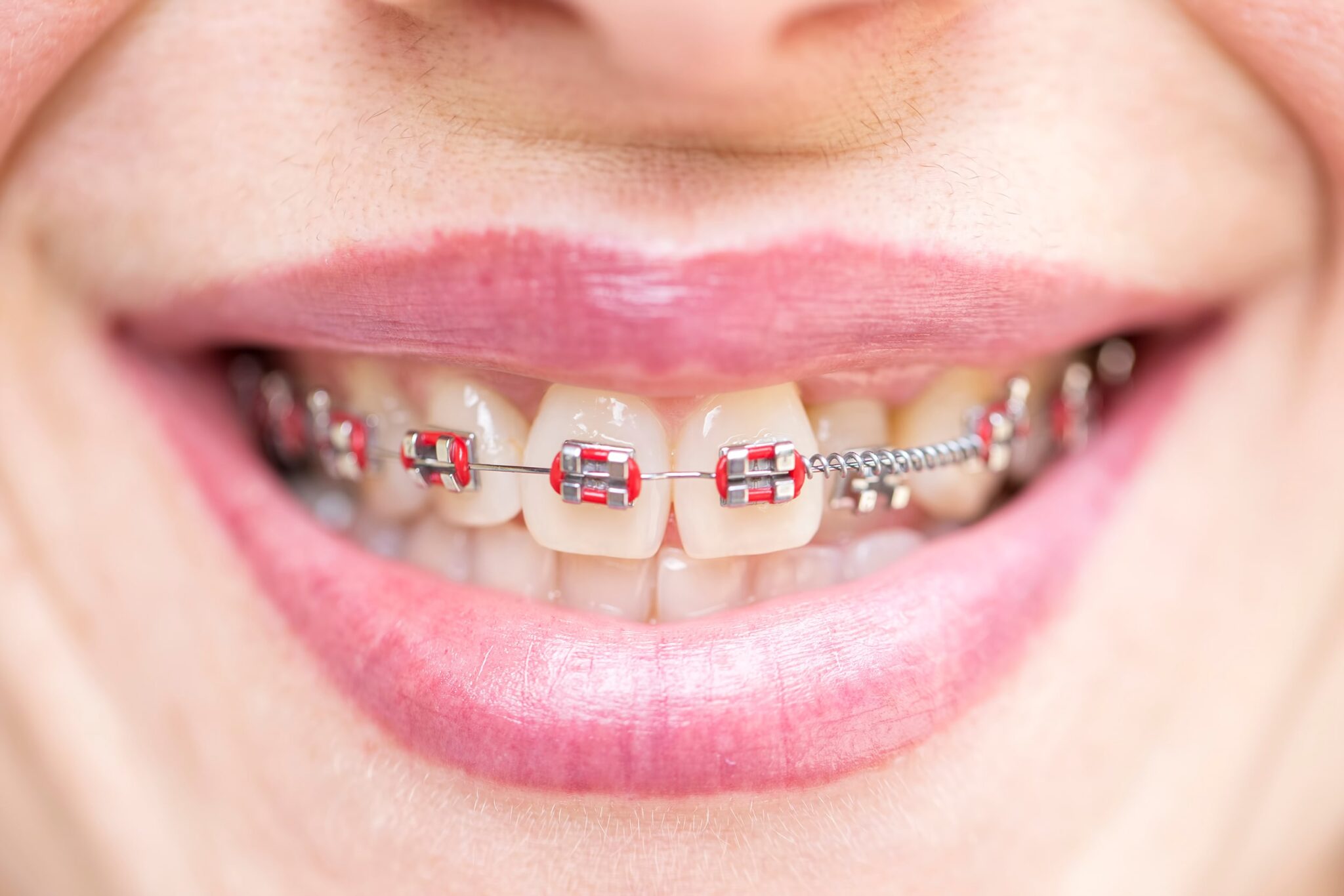
Traditional metal braces remain the most versatile tool for correcting complex orthodontic issues. In 2026, these systems are more efficient than ever.
- Self-Ligating Braces: Unlike traditional braces that use elastic bands (ligatures) to hold the archwire in place, self-ligating systems use a specialized clip. This reduces friction and often results in fewer "tightening" appointments.
- Ceramic (Clear) Braces: These function identically to metal braces but use polycrystalline alumina brackets that blend with the natural color of the teeth. They are a preferred choice for older teens and professionals who require the precision of fixed appliances but desire a more discreet appearance.
Clear Aligner Therapy (Invisalign)
Clear aligner technology has become a cornerstone of the Round Rock Orthodontics service suite. Using a series of custom-manufactured, removable plastic trays, teeth are gradually moved into their desired positions. As of 2026, advancements in the proprietary materials used for aligners (such as SmartTrack) allow for the treatment of more complex cases, including significant rotations and certain types of bite corrections that previously required fixed braces.
Phase I and Phase II Treatment
Pediatric orthodontics often involves a two-phase approach.
- Phase I (Interceptive Treatment): This typically occurs when a child still has a mix of primary and permanent teeth (ages 7 to 10). The goal is to guide jaw growth and create adequate space for erupting permanent teeth.
- Phase II (Definitive Treatment): This phase begins once most or all permanent teeth have erupted, focusing on the final alignment and functional harmony of the bite.
The Technology Driving Results in 2026
The integration of digital workflows has transformed the patient experience at Round Rock Orthodontics. The "analog" era of messy putty impressions has largely been replaced by high-speed digital infrastructure.
3D Intraoral Scanning
The use of iTero or similar intraoral scanners allows for the creation of a highly accurate 3D map of the mouth in minutes. This digital model serves as the foundation for treatment planning. It also enables "Outcome Simulators," where patients can view a digital rendering of their projected results before the treatment even begins.
Cone Beam Computed Tomography (CBCT)
For complex cases involving impacted teeth or skeletal discrepancies, CBCT imaging provides a three-dimensional view of the dental structures, soft tissues, nerve paths, and bone in a single scan. This level of detail is essential for safe and predictable tooth movement, particularly when coordinating with oral surgeons or periodontists.
Digital Indirect Bonding
To ensure the highest level of precision, many practices now utilize digital indirect bonding. Brackets are placed on a digital model of the patient's teeth first. A custom transfer tray is then 3D-printed, allowing the orthodontist to bond all brackets to the patient's actual teeth simultaneously and in the exact calculated position. This reduces chair time and improves the overall efficiency of the alignment process.
The Orthodontic Journey: What to Expect
Entering into orthodontic treatment is a multi-step process that requires collaboration between the specialist and the patient.
- Initial Consultation: This is a diagnostic meeting where the orthodontist evaluates the patient’s dental records, X-rays, and clinical presentation. The primary objective is to determine if treatment is necessary and, if so, when the optimal time to start would be.
- Treatment Planning: Using the gathered data, the orthodontist designs a personalized roadmap. This plan outlines the specific appliances to be used, the estimated duration of treatment (usually 12 to 24 months), and the frequency of follow-up visits.
- The Active Phase: This is the period where appliances are worn and adjusted. For braces, this involves periodic wire changes; for aligners, it involves switching to a new tray every one to two weeks.
- Retention: Once the active movement is complete, the retention phase begins. This is perhaps the most critical stage. Because teeth have a "memory" and a natural tendency to shift back to their original positions, custom-made retainers are used to stabilize the results.
Cost, Insurance, and Accessibility in Round Rock
The cost of orthodontic treatment in Round Rock, Texas, varies based on the complexity of the case and the chosen modality. On average, comprehensive treatment in 2026 ranges from $3,500 to $7,500.
Navigating Insurance and Payments
Most dental insurance plans in Texas include an orthodontic benefit, which is typically a lifetime maximum (LTM) that covers a portion of the fee (often $1,000 to $2,500). Round Rock Orthodontics typically assists patients by filing claims directly with providers like Delta Dental, Blue Cross Blue Shield, and Cigna.
Furthermore, many patients utilize Flexible Spending Accounts (FSA) or Health Savings Accounts (HSA) to pay for treatment with pre-tax dollars. To make care accessible, the practice generally offers interest-free in-house financing, allowing families to spread the cost over the duration of the treatment.
| Feature | Traditional Metal Braces | Ceramic (Clear) Braces | Clear Aligners (Invisalign) |
|---|---|---|---|
| Material | High-grade Stainless Steel | Polycrystalline Alumina | Medical-grade Thermoplastic |
| Visibility | High | Low | Very Low |
| Removability | Fixed | Fixed | Removable |
| Treatment Complexity | Handles all severities | Handles most severities | Handles mild to moderate |
| Maintenance | Special cleaning tools needed | Careful cleaning; stain-prone ties | Normal brushing/flossing |
| Dietary Limits | Avoid sticky/hard foods | Avoid sticky/hard foods | No limits (remove to eat) |
Why Choose a Specialist in Round Rock?
Round Rock has evolved into a major healthcare hub within Central Texas. Choosing a local specialist offers several practical advantages. Orthodontic treatment requires regular visits—usually every 4 to 8 weeks—over a long period. Proximity to local schools and major employers like Dell Technologies makes it easier for patients to maintain compliance without significant disruptions to their daily schedules.
Furthermore, a local orthodontist is integrated into the regional healthcare network, working closely with Round Rock pediatricians and general dentists to ensure a holistic approach to the patient's health. You can find more information about board certification and professional standards at the American Board of Orthodontics and the American Association of Orthodontists.
FAQ
At what age should a child first visit Round Rock Orthodontics?
The American Association of Orthodontists recommends that every child have an orthodontic evaluation by age 7. At this age, the orthodontist can detect subtle problems with jaw growth and emerging teeth while some primary teeth are still present. While most children will not start treatment immediately, early monitoring allows the orthodontist to intervene at the most advantageous time.
Is orthodontic treatment painful?
Modern orthodontics has focused heavily on patient comfort. While patients may experience some soreness or pressure for a few days after braces are tightened or a new aligner is inserted, actual pain is rare. Over-the-counter pain relievers and orthodontic wax are usually sufficient to manage any temporary discomfort during the adjustment period.
How long does treatment typically take?
The duration of treatment depends on the specific goals and the biological response of the patient’s teeth. On average, active treatment lasts between 12 and 24 months. Some minor corrections can be completed in as little as 6 months, while complex surgical-orthodontic cases may take longer than 2 years.
Can adults get braces or aligners at Round Rock Orthodontics?
Yes, approximately one in four orthodontic patients is an adult. As long as the gums and supporting bone structure are healthy, teeth can be moved at any age. Many adults in 2026 choose clear aligners or ceramic braces for their discreet nature, allowing them to improve their smile without the "teenage" look of metal brackets.
What happens if I lose my retainer?
If a retainer is lost or broken, it is vital to contact the office immediately. Teeth can begin to shift within days of stopping retainer wear. Round Rock Orthodontics typically keeps digital scans on file, which allows for the rapid fabrication of a replacement retainer using 3D printing technology, often without needing a new impression.
Final Recommendation
If you are considering orthodontic treatment, the most effective next step is to schedule a comprehensive clinical examination. A professional evaluation is the only way to determine the specific needs of your dental anatomy and to receive an accurate estimate of treatment time and cost. For those in the Central Texas area, prioritizing a board-certified specialist ensures that you are receiving care that meets the highest national standards for clinical excellence and safety.
Image Gallery