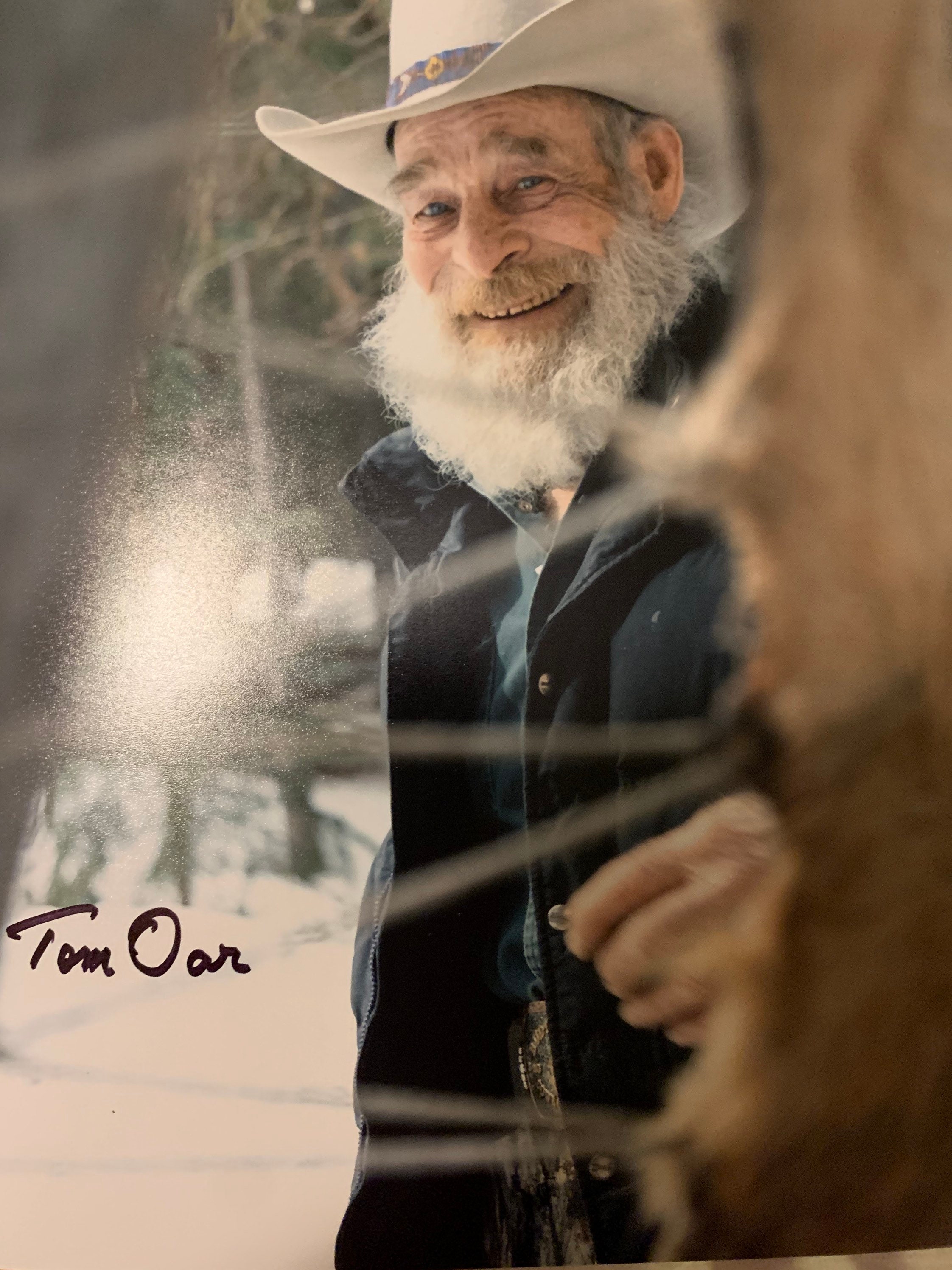
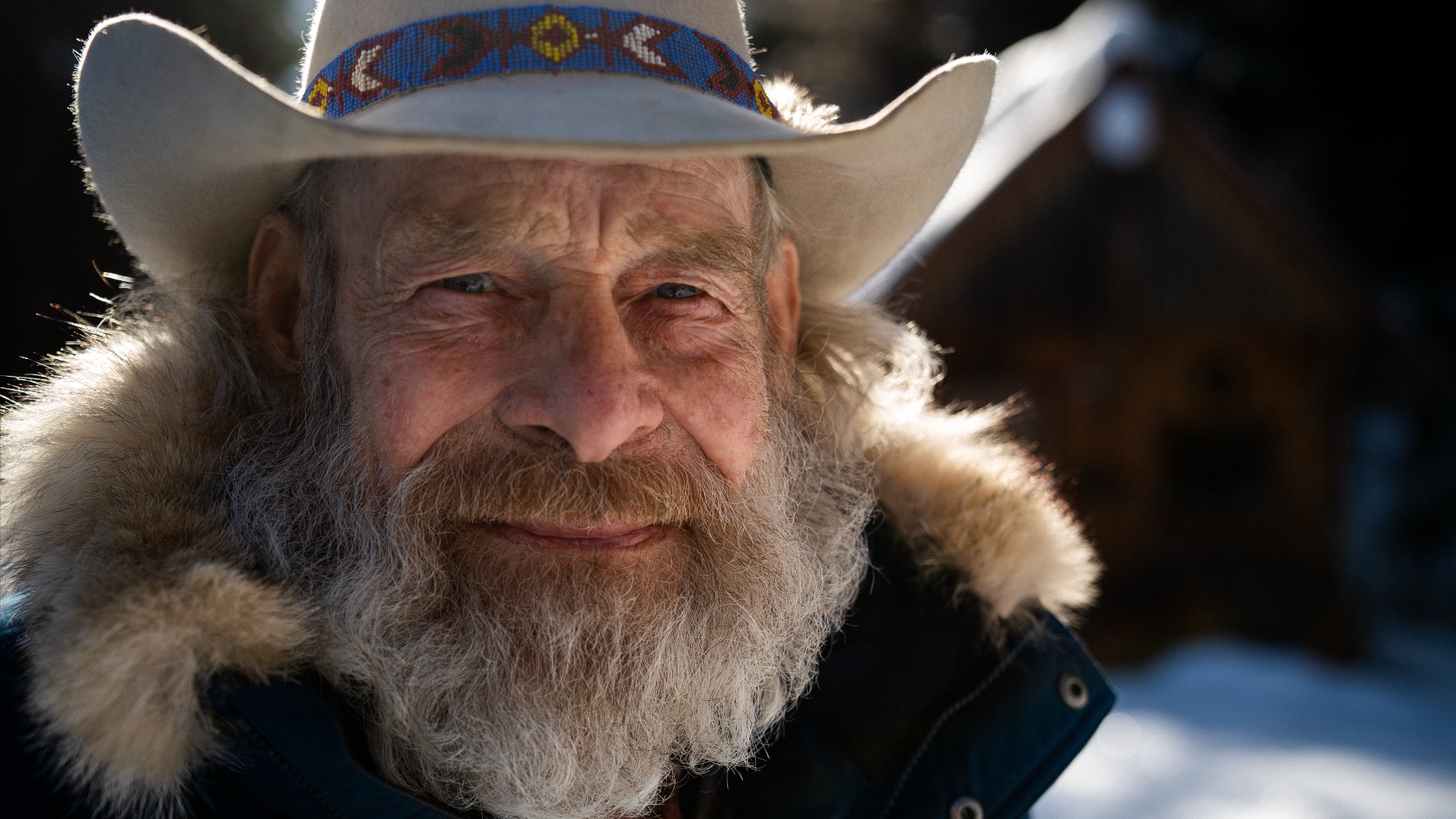
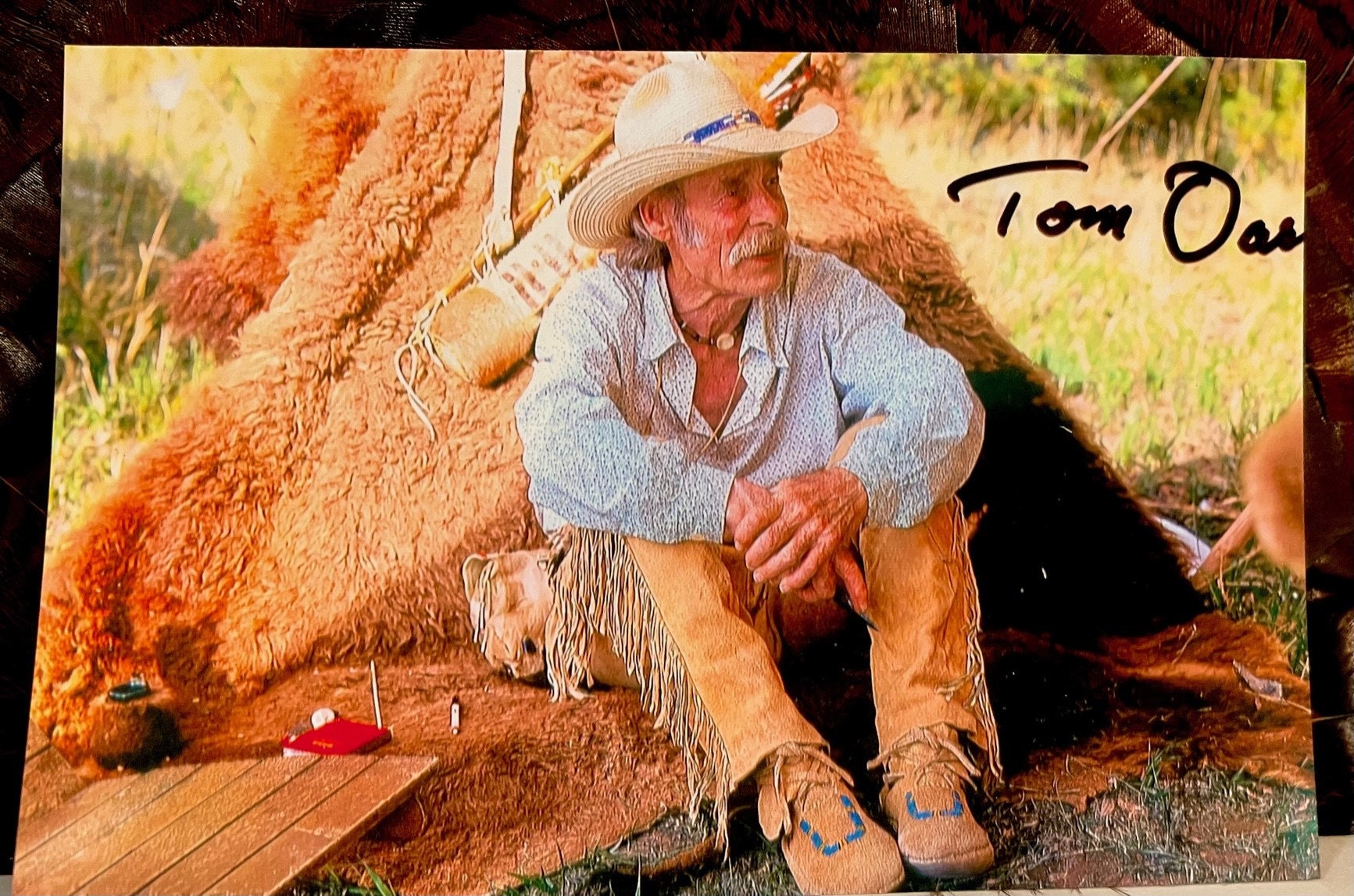
Tom Oar Obituary: The Legacy of a True American Frontiersman
As of 2026, the search for a Tom Oar obituary is primarily driven by fans seeking news of the Mountain Men star’s health and his transition into retirement. While death hoaxes occasionally circulate online, Tom Oar remains an iconic fi...
As of 2026, the search for a Tom Oar obituary is primarily driven by fans seeking news of the Mountain Men star’s health and his transition into retirement. While death hoaxes occasionally circulate online, Tom Oar remains an iconic figure of American wilderness survival, having recently moved from Montana's Yaak Valley to Florida to enjoy a quieter life.
Contents
The fascination with a "Tom Oar obituary" reflects the deep connection viewers felt with a man who represented a vanishing way of life. For over a decade, Oar was the heart of the History Channel’s hit series Mountain Men, showcasing a life of extreme self-reliance, primitive craftsmanship, and harmony with the natural world. To understand why his legacy persists—and why fans are so protective of his story—one must look beyond the screen at the reality of his decades spent in the most isolated corner of the lower 48 states.
Addressing the Rumors: Is Tom Oar Still Alive?
In the digital age, celebrity "death hoaxes" are common, and Tom Oar has been a frequent subject of these unfounded reports. The confusion often stems from his decision to leave the harsh winters of the Yaak Valley. In late 2018 and throughout subsequent seasons, it became clear that the physical toll of Montana winters—where temperatures frequently drop to -40 degrees Fahrenheit—was becoming unsustainable for Tom and his wife, Nancy.
When a public figure of his age (born in 1943) steps away from the limelight, the internet often assumes the worst. However, Oar’s "disappearance" from the rugged peaks of the Kootenai National Forest was not an end, but a transition. He and Nancy began spending their winters in Florida to be closer to family and to escape the brutal physical demands of hauling wood and trapping in chest-deep snow. As of 2026, he continues to be celebrated as a living legend rather than a figure of the past.
The Formative Years: From Rodeo to the Wilderness
Long before he became a television icon, Tom Oar was a man defined by grit and physical courage. Born in Illinois, his father was a performer in the wild west shows of the 1920s and 30s, instilling in Tom an early appreciation for traditional skills. By his early twenties, Tom had established himself as a professional trick rider and bronc buster on the rodeo circuit.
The rodeo lifestyle is one of constant movement and high risk. Tom spent nearly two decades traveling the country, sustaining numerous injuries that would eventually inform his decision to seek a more permanent, albeit more isolated, home. It was during this time that he met Nancy, his lifelong partner. Together, they realized that the modern, fast-paced world did not suit their temperaments. In the late 1970s, they made a radical decision: they headed north to the Yaak Valley in Montana with little more than a chainsaw and a dream of self-sufficiency.
Survival in the Yaak Valley: The 1970s Transition
The Yaak Valley is located in the extreme northwestern corner of Montana, bordered by Idaho to the west and British Columbia to the north. When the Oars arrived, the area was even more remote than it is today. There were no cell towers, limited electricity, and the nearest "neighbor" was often miles away through dense timber.
The first few years were a masterclass in survival. They lived in a small cabin they built themselves, relying on the land for sustenance. This was not a hobby; it was a necessity. Tom utilized his knowledge of animal behavior to establish a trap line, which provided both food and the raw materials for his primary trade: leatherwork and tanning.
The Technical Art of Brain Tanning
One of the reasons Tom Oar became a standout on Mountain Men was his mastery of brain tanning. This is a primitive and labor-intensive method of preserving hides that results in buckskin that is as soft as cloth but incredibly durable.
- Skinning and Fleshing: The process begins with removing the hide from the animal (usually deer, elk, or moose). Every scrap of meat and fat must be meticulously scraped away using a fleshing tool.
- Graining: The hair and the "grain" layer of the skin must be removed. This requires hours of physical labor with a drawknife or similar scraping tool.
- Applying the Brains: The phrase "every animal has enough brains to tan its own hide" is a staple of mountain man lore. Tom would cook the brains of the animal into a slurry and rub it into the fibers of the skin. The oils in the brains act as a natural softening agent.
- Softening (Breaking): This is the most grueling stage. As the hide dries, it must be continuously pulled, stretched, and worked over a cable or a blunt edge. If the worker stops before the hide is dry, it will turn into "rawhide"—stiff and unusable for clothing.
- Smoking: Finally, the hide is smoked over a low fire. The tannins in the smoke chemically bind to the fibers, ensuring that if the leather gets wet, it will dry soft again rather than hardening.
A Decade of Global Fame: "Mountain Men"
In 2012, the History Channel premiered Mountain Men, a documentary series following individuals who live off the grid. Tom Oar was one of the original cast members, and he quickly became the show's most beloved figure. His calm demeanor, obvious expertise, and the genuine affection between him and Nancy provided a grounded contrast to some of the more dramatic elements of reality television.
During his tenure on the show, viewers watched as Tom dealt with encroaching wolves, forest fires, and the ever-present challenge of aging in an environment that does not forgive weakness. He became a symbol of a forgotten America—a time when a man’s word and his hands were his most valuable assets.
| Category | Yaak Valley Lifestyle | Modern Retirement (Florida) |
|---|---|---|
| Primary Food Source | Wild game (Deer, Elk), foraging | Traditional markets, gardening |
| Heating Source | Wood-burning stove (Requires 10+ cords/year) | Electric/Climate control |
| Daily Labor | Trapping, tanning, wood chopping | Small-scale leatherwork, fishing |
| Emergency Access | Minimal; hours from medical care | Immediate; urban infrastructure |
| Primary Income | Sale of buckskin clothing and furs | Television residuals, personal appearances |
The Role of Nancy Oar
Any comprehensive account of Tom Oar’s life must include Nancy. Often described as the "backbone" of their homestead, Nancy was not a background character; she was an equal partner in the grueling work of the Yaak. She assisted with the tanning, managed the household in sub-zero temperatures, and was the primary reason Tom was able to maintain his lifestyle for so long.
Their relationship served as a model of partnership for many viewers. In an era where modern conveniences often lead to isolation even within a household, the Oars were forced to rely on one another for their very lives. This interdependence is a recurring theme in the discussions regarding Tom's retirement; he has often stated that his primary concern was ensuring Nancy's comfort as they both aged.
Why Tom Oar "Retired" from the Wild
The decision to leave the Yaak was not made lightly. For Tom, the "obituary" of his mountain life began when the physical demands outweighed the rewards. In his late 70s, the act of "breaking" a moose hide—a task that requires immense upper-body strength—became painful. The risk of a fall in the snow or a medical emergency in a location without cell service became too great a gamble.
In 2026, his move is viewed by experts as a pragmatic approach to aging. He did not "quit" his lifestyle; he adapted it. He still produces high-quality leather goods and remains an active outdoorsman, but he does so in a climate that is kinder to a body that has survived eighty-plus years of rodeo falls and Montana winters.
Practical Guidance: How to Verify News About Tom Oar
Given the prevalence of misinformation, fans looking for factual updates on Tom Oar should follow these steps:
- Check Official Sources: The History Channel is the most reliable source for information regarding the cast of Mountain Men.
- Verify Through Local News: News outlets in the Lincoln County and Troy, Montana areas often report on their most famous residents. The Billings Gazette or Missoulian are reputable Montana-based publications.
- Avoid "Clickbait" Social Media: Many YouTube channels and Facebook pages use "rest in peace" headlines to generate views. Always look for a second, verified source before believing such claims.
- Follow Official Appearance Schedules: Tom still occasionally appears at outdoor expos and knife shows. These event listings are a clear indicator that he is active and well.
Frequently Asked Questions
Is there a verified Tom Oar obituary available?
No. As of 2026, there is no official obituary because Tom Oar is still alive. Search results suggesting otherwise are typically "life reviews" or malicious hoaxes designed to attract clicks.
Why did Tom Oar leave the show Mountain Men?
Tom did not abruptly leave but transitioned away from the primary cast as he moved toward retirement. The physical demands of filming in the Yaak Valley during winter became too difficult to maintain year-round as he reached his late 70s.
Where does Tom Oar live now?
Tom and Nancy Oar split their time between their property in the Yaak Valley during the warmer months and a home in Florida during the winter. This seasonal migration allows them to stay connected to their roots while protecting their health.
What happened to Tom Oar's daughter, Keelie?
Keelie Oar passed away in 2015 at the age of 49. This was a significant personal tragedy for Tom and Nancy, and it is sometimes confused in online searches with news about Tom himself.
Does Tom Oar still sell his buckskin products?
While he has slowed down production, Tom Oar remains a craftsman. Most of his sales occur through private commissions or through specific connections he has made over decades in the fur and tanning industry.
The Enduring Influence of a Mountain Man
Tom Oar’s legacy is not found in an obituary but in the revival of interest in primitive skills. He proved that a life of simplicity is not only possible in the 21st century but profoundly rewarding. His story encourages a generation of outdoor enthusiasts to learn the old ways—whether that is tanning a hide, identifying a track, or simply learning to live without the constant hum of digital distractions.
For those looking for "Tom Oar," the best way to honor his legacy is to appreciate the hours of footage he provided, showcasing a man who looked at the wilderness not as an enemy to be conquered, but as a home to be respected.
Image Gallery