Recognizing the Early and Advanced Symptoms of High Blood Sugar in Type 2 Diabetics
Recognizing the symptoms of high blood sugar in type 2 diabetics involves identifying persistent signs such as frequent urination, excessive thirst, blurred vision, fatigue, and slow-healing wounds. These clinical indicators signal tha...
Recognizing the symptoms of high blood sugar in type 2 diabetics involves identifying persistent signs such as frequent urination, excessive thirst, blurred vision, fatigue, and slow-healing wounds. These clinical indicators signal that blood glucose levels are elevated, requiring immediate attention to prevent severe complications like diabetic ketoacidosis or hyperosmolar hyperglycemic state.
Contents
Type 2 diabetes mellitus is a chronic metabolic condition characterized by insulin resistance, where the body's cells fail to respond effectively to insulin, eventually leading to impaired insulin secretion by the pancreas. When glucose cannot efficiently enter the cells for energy, it accumulates in the bloodstream, a state known as hyperglycemia. Because type 2 diabetes often develops gradually, individuals may adapt to elevated blood glucose levels over time, missing early warning signs. Understanding these symptoms is vital for timely medical intervention, lifestyle adjustments, and medication management to safeguard long-term health and prevent organ damage.
The Underlying Mechanism of Hyperglycemia in Type 2 Diabetes
To understand why high blood sugar produces specific physical symptoms, it is necessary to examine the underlying biological processes. In a healthy metabolism, the digestive system breaks down carbohydrates from food into glucose, which enters the bloodstream. The pancreas releases insulin, a hormone that acts like a key, unlocking cellular receptors to allow glucose absorption for cellular respiration and energy.
In type 2 diabetes, two primary dysfunctions occur:
- Insulin Resistance: Peripheral tissues such as skeletal muscle, liver, and adipose tissue become unresponsive to normal circulating levels of insulin.
- Beta-Cell Dysfunction: Over time, the insulin-producing beta cells in the pancreatic islets become exhausted and fail to produce sufficient insulin to overcome peripheral resistance.
As a result, glucose remains trapped in the extracellular fluid and bloodstream. When blood glucose concentrations exceed the renal threshold—typically around 160 to 180 milligrams per deciliter (mg/dL)—the kidneys can no longer reabsorb all the filtered glucose. This excess glucose spills into the urine, pulling water along with it through osmotic diuresis. This fundamental physiological shift triggers a cascade of classic symptoms that affect multiple organ systems.
Primary Classic Symptoms of Elevated Blood Glucose
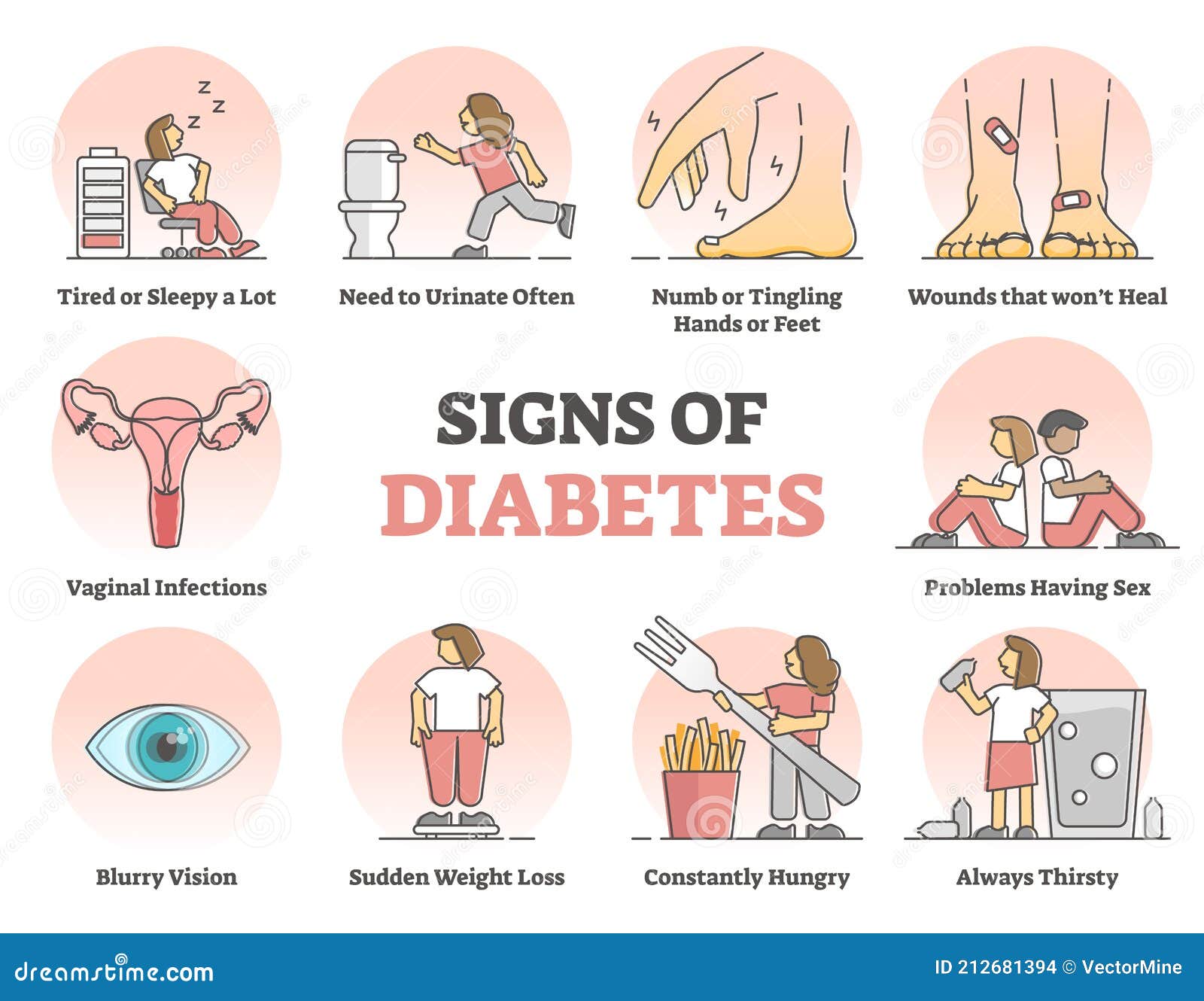
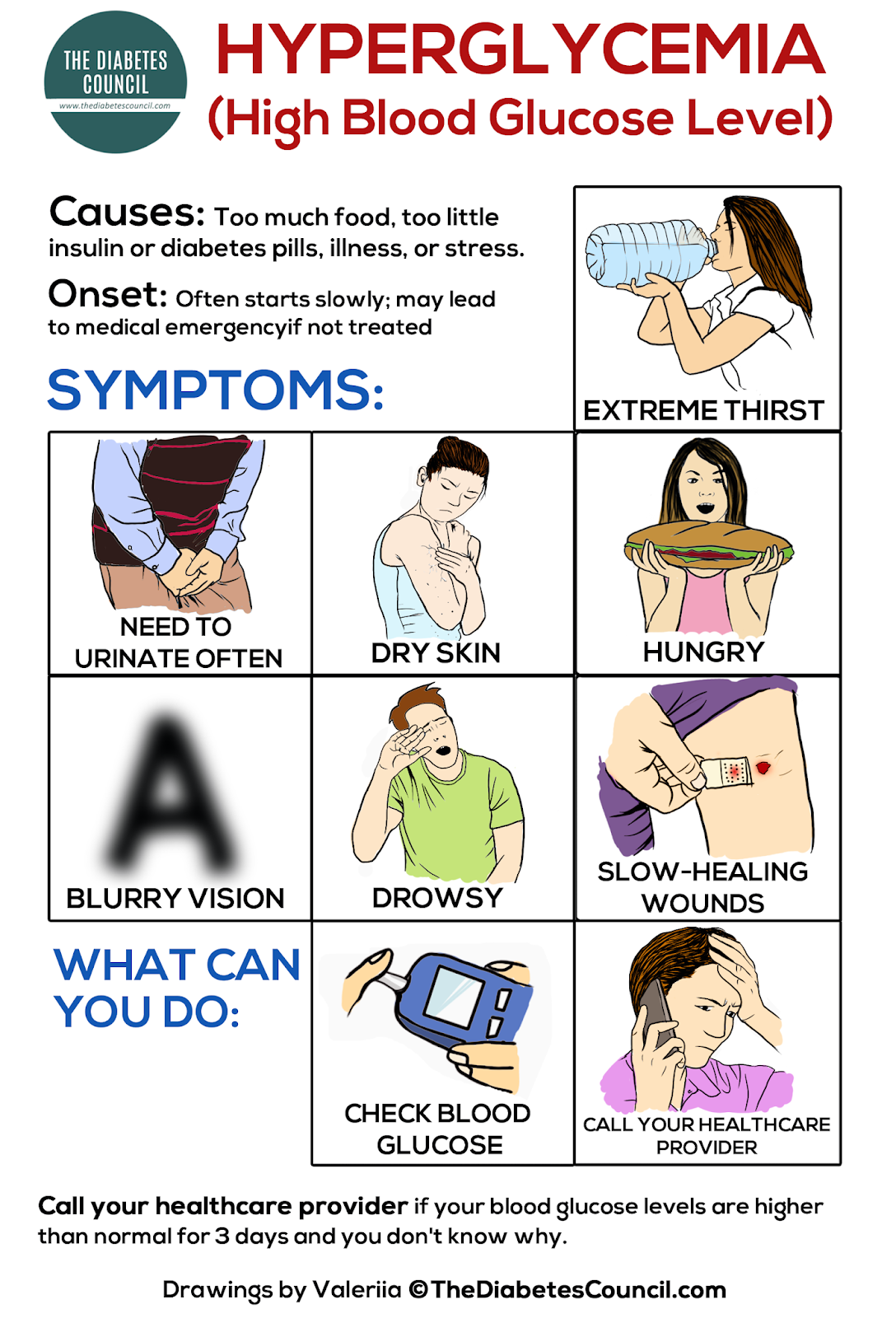
Hyperglycemia manifests through several hallmark symptoms that prompt patients to seek clinical evaluation. While individual experiences vary based on baseline health, age, and duration of diabetes, the following indicators are the most widely recognized in clinical practice.
Polyuria (Frequent Urination)
Polyuria is often one of the earliest signs of rising blood glucose. Driven by osmotic diuresis, the kidneys attempt to flush out excess sugar by drawing water from surrounding tissues. This process leads to abnormally frequent urination, often compelling individuals to wake up multiple times during the night, a condition known as nocturia.
Polydipsia (Excessive Thirst)
Directly correlated with polyuria, polydipsia is the body's compensatory mechanism for severe fluid loss. As the kidneys excrete large volumes of water, systemic dehydration occurs. The hypothalamus detects this cellular dehydration and triggers intense thirst signals, causing individuals to consume large quantities of fluids, which frequently fails to satisfy the persistent dry sensation.
Polyphagia (Increased Hunger)
Despite eating adequate or even excessive amounts of food, individuals with uncontrolled high blood sugar often experience persistent hunger. Because glucose is locked out of the body's cells due to insulin resistance, the cellular machinery is starved of its primary energy source. The brain interprets this cellular starvation as a lack of fuel and signals the body to consume more food, creating a confusing cycle of eating while losing weight.
Unexplained Weight Loss
While type 2 diabetes is frequently associated with weight gain or obesity, acute or chronic severe hyperglycemia paradoxically causes rapid, unintentional weight loss. When insulin is insufficient or ineffective, the body cannot utilize glucose for energy and instead begins breaking down alternative fuel sources, including stored body fat and muscle tissue. This catabolic state leads to rapid loss of mass and physical weakness.
Secondary and Subtle Clinical Indicators
Beyond the classic triad of polyuria, polydipsia, and polyphagia, chronic high blood sugar inflicts microvascular and macrovascular strain that produces subtle symptoms easily dismissed as normal fatigue or aging.
| Symptom Category | Specific Presentation | Underlying Pathophysiological Cause |
|---|---|---|
| Neurological | Blurred vision | Osmotic swelling of the eye lens due to fluctuating glucose levels in intraocular fluid. |
| Dermatological | Slow-healing cuts and sores | Impaired leukocyte function and compromised microcirculation restricting tissue repair. |
| Infectious | Frequent yeast or skin infections | High glucose concentrations in bodily fluids creating an optimal breeding ground for fungi and bacteria. |
| Systemic | Persistent fatigue and lethargy | Inability of cells to metabolize circulating glucose efficiently for cellular adenosine triphosphate (ATP) production. |
| Neuropathic | Tingling or numbness in extremities | Chronic nerve fiber damage (diabetic neuropathy) caused by prolonged microvascular ischemia. |
Visual Disturbances
Fluctuating blood sugar levels alter the fluid balance within the eyes. High glucose concentrations can cause the lens of the eye to swell, changing its shape and temporarily impairing the ability to focus. Patients often report blurry vision that comes and goes depending on daily glucose control. Left untreated over long periods, chronic hyperglycemia can progress to more severe retinopathies.
Persistent Fatigue
Cellular energy deprivation directly translates to systemic exhaustion. When glucose cannot enter cells to generate ATP, the body operates at a metabolic deficit. Patients frequently describe feeling overwhelmingly tired, drained, or lethargic, even after a full night of uninterrupted sleep.
Recurrent Infections and Slow Healing
Elevated blood glucose compromises the immune system. White blood cells, particularly neutrophils, exhibit reduced phagocytic efficiency in high-glucose environments. Furthermore, chronic hyperglycemia damages small blood vessels, restricting the delivery of oxygen, nutrients, and immune cells to sites of tissue injury. Consequently, minor cuts, bruises, or scrapes take weeks to heal, and patients become highly susceptible to fungal infections, urinary tract infections, and periodontal disease.
Comparing Hypoglycemia and Hyperglycemia Symptoms
Patients managing type 2 diabetes must be able to differentiate between high blood sugar (hyperglycemia) and low blood sugar (hypoglycemia), as the acute management strategies are entirely different and misdiagnosis can be dangerous.
| Feature | Hyperglycemia (High Blood Sugar) | Hypoglycemia (Low Blood Sugar) |
|---|---|---|
| Onset | Gradual (hours to days) | Rapid (minutes) |
| Common Triggers | Missed medication, high-carbohydrate meals, stress, illness | Excess medication, delayed meals, intense unaccustomed exercise |
| Core Symptoms | Extreme thirst, frequent urination, blurred vision, fatigue | Shakiness, sweating, dizziness, confusion, rapid heartbeat |
| Skin Condition | Warm and dry | Pale, cool, and clammy |
| Immediate Action | Review medication, hydrate with water, consult physician | Consume 15 grams of fast-acting carbohydrates (glucose tablets, juice) |
Disclaimer: This information is for educational purposes and should not replace professional medical advice, diagnosis, or treatment.
Severe Complications of Untracked Hyperglycemia
When high blood sugar is left unaddressed for extended periods, it can progress into life-threatening medical emergencies. Understanding these severe states underscores the importance of monitoring symptoms early.
Diabetic Ketoacidosis (DKA)
While more common in type 1 diabetes, DKA can occur in type 2 diabetics under conditions of extreme physical stress, infection, or severe illness. Because virtually no insulin is available, the body begins breaking down fat at an accelerated rate, producing acidic byproducts called ketones. Symptoms of DKA include nausea, vomiting, abdominal pain, shortness of breath, fruity-scented breath, and confusion. This requires emergency medical intervention.
Hyperosmolar Hyperglycemic State (HHS)
HHS is a serious complication seen predominantly in older adults with type 2 diabetes. It is characterized by severe dehydration, extreme hyperglycemia (often exceeding 600 mg/dL), and an absence of significant ketoacidosis. The kidneys excrete massive amounts of urine, leading to profound fluid depletion, lethargy, confusion, and potentially seizures or coma. HHS carries a high mortality rate and demands immediate hospitalization and intensive fluid resuscitation.
Practical Management and When to See a Doctor
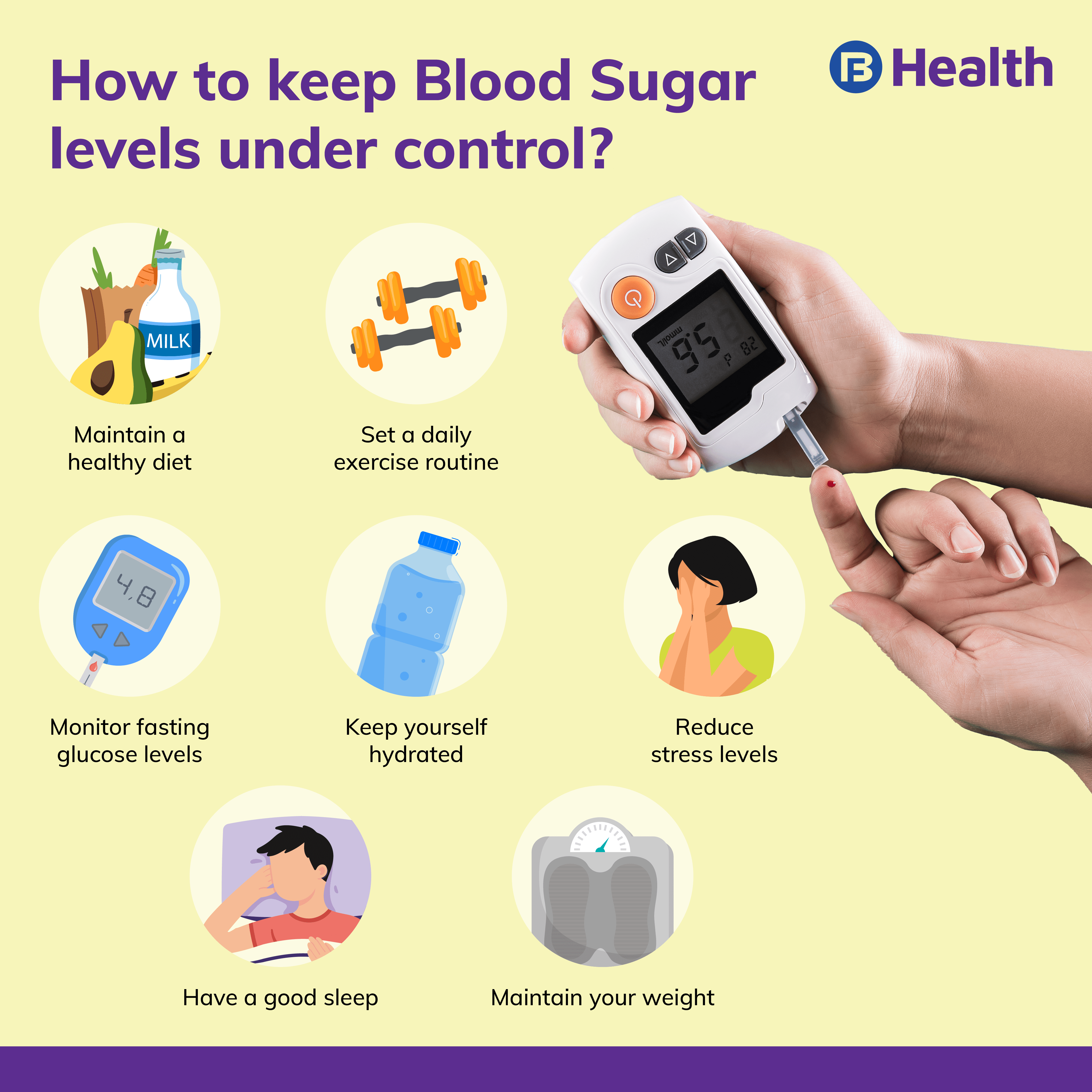
Recognizing symptoms is the first step toward effective self-management. Patients should incorporate routine blood glucose monitoring using a home glucometer or continuous glucose monitor (CGM) as prescribed by their healthcare provider. Maintaining an active log of readings alongside dietary intake and physical activity helps identify patterns that precede high blood sugar episodes.
Patients must contact a healthcare professional immediately if they experience:
- Blood glucose readings consistently above target ranges defined by their physician (often above 240 mg/dL).
- Persistent vomiting, inability to keep fluids down, or inability to take oral diabetes medications.
- Confusion, extreme drowsiness, or changes in mental status.
- Breath that smells fruity or labored breathing accompanied by high blood sugar.
Working closely with an endocrinologist, primary care physician, or certified diabetes care and education specialist (CDCES) ensures that treatment regimens, including oral hypoglycemic agents, injectable non-insulin therapies, or insulin regimens, are adjusted safely to maintain optimal glycemic control.
Frequently Asked Questions
What blood sugar level is considered dangerously high for type 2 diabetics?
Generally, a blood glucose reading consistently above 240 mg/dL warrants attention, while readings exceeding 300 mg/dL or failing to drop after taking medication are considered dangerous. Readings above 600 mg/dL accompanied by confusion or severe dehydration constitute a medical emergency requiring immediate hospitalization.
Can high blood sugar cause mood changes or irritability?
Yes. Fluctuating and elevated glucose levels impact brain function and energy regulation, frequently leading to irritability, anxiety, mood swings, and difficulty concentrating. Additionally, the physical discomfort of chronic thirst and fatigue contributes to psychological stress.
How quickly do symptoms of high blood sugar appear?
In type 2 diabetes, symptoms usually develop gradually over weeks or months, allowing the body to adapt to chronically elevated glucose levels. However, during acute illness, infection, or severe stress, hyperglycemia can escalate rapidly over a matter of hours or days.
Why do type 2 diabetics experience frequent infections?
Elevated glucose concentrations in the blood and bodily tissues impair the functional capacity of immune cells, specifically neutrophils and antibodies. This suppressed immune response, combined with reduced microvascular blood flow, creates an environment where pathogens and fungi multiply more easily.
Can lifestyle changes alone reverse the symptoms of hyperglycemia?
For many individuals with early-stage type 2 diabetes, structured lifestyle modifications—including consistent physical activity, medical nutrition therapy focusing on low-glycemic foods, and modest weight loss—can significantly lower blood glucose levels and alleviate symptoms, though ongoing medical supervision remains essential.
Image Gallery