A Comprehensive Guide to Dakota Fanning’s Horse Movies and Equestrian Roles
Dakota Fanning’s filmography features a select number of projects where equestrian themes or horse-related storytelling take center stage. While Fanning is widely recognized for her dramatic range in psychological thrillers and period...
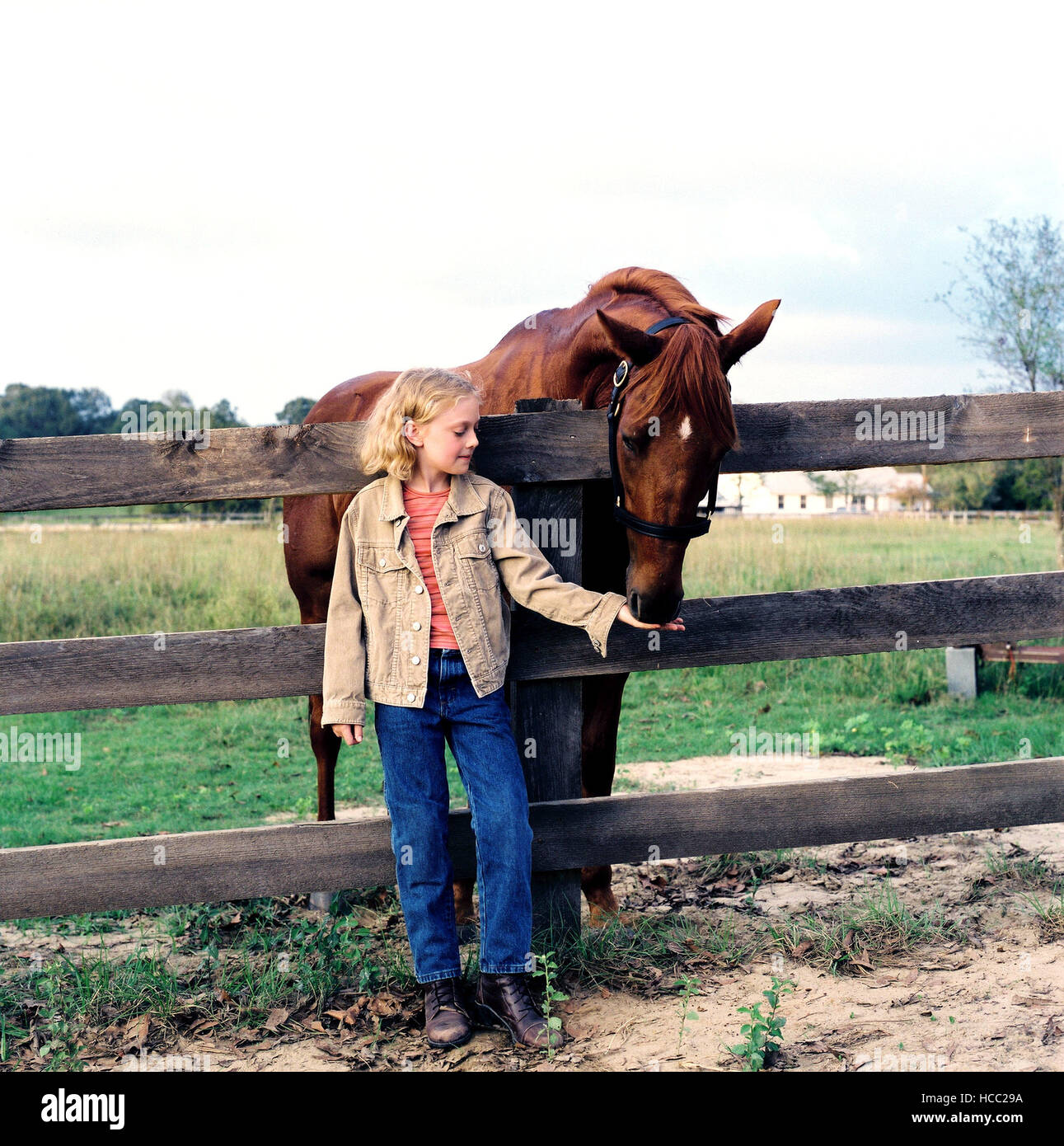
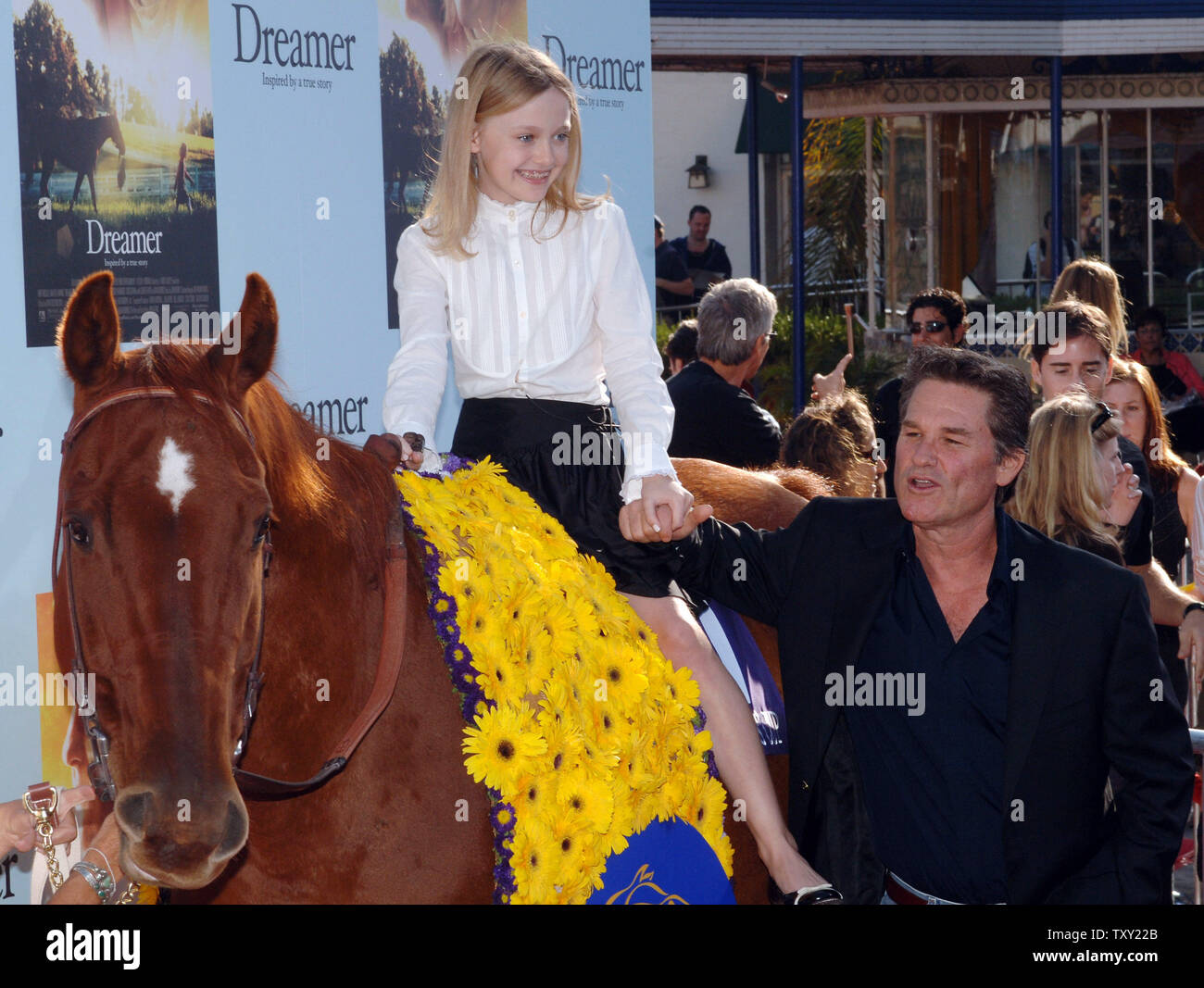
Dakota Fanning’s filmography features a select number of projects where equestrian themes or horse-related storytelling take center stage. While Fanning is widely recognized for her dramatic range in psychological thrillers and period pieces, her most prominent connection to the equine world is found in the 2005 family drama Dreamer, a film that highlights the therapeutic and emotional bond between a young girl and an injured racehorse.
Contents
The Significance of Dreamer in Dakota Fanning’s Career
Released in 2005, Dreamer: Inspired by a True Story remains the definitive "horse movie" in Dakota Fanning’s professional portfolio. Directed by John Gatins, the film provided Fanning with a platform to showcase her ability to anchor a family-centric narrative alongside veteran actors like Kurt Russell and Kris Kristofferson.
In the film, Fanning plays Cale Crane, a girl who convinces her father to rescue a racehorse named Soñador—which translates to "Dreamer"—that has suffered a broken leg. The narrative centers on the rehabilitation of the horse and the subsequent restoration of the broken relationships within the Crane family. For viewers interested in horse movies, this film is notable because it moves beyond mere spectacle, focusing instead on the practical aspects of horse care, the risks inherent in professional racing, and the emotional recovery process for both the animal and the human characters.
Why Dreamer Resonates with Equestrian Audiences
Unlike many fictional portrayals of horses that treat the animal as a prop, Dreamer explores the technical realities of equine recovery. The film highlights:
- The Physical Toll of Racing: The plot depicts the catastrophic injuries that can occur on a racetrack, emphasizing the vulnerability of thoroughbreds.
- Therapeutic Bonds: The story explores the concept of the horse as a partner rather than a tool, reflecting real-world sentiments held by the equine community.
- The Breeding Industry: The film touches upon the economic and high-stakes nature of the thoroughbred breeding world, providing a grounded, albeit dramatized, look at the industry.
Equestrian Elements in Period Pieces and Other Works
While Dreamer is the primary equine-focused feature in Fanning’s career, her work in period dramas occasionally requires equestrian-adjacent performance. Fanning has starred in several projects set in eras where horsemanship was a standard mode of transportation or a sign of social status.
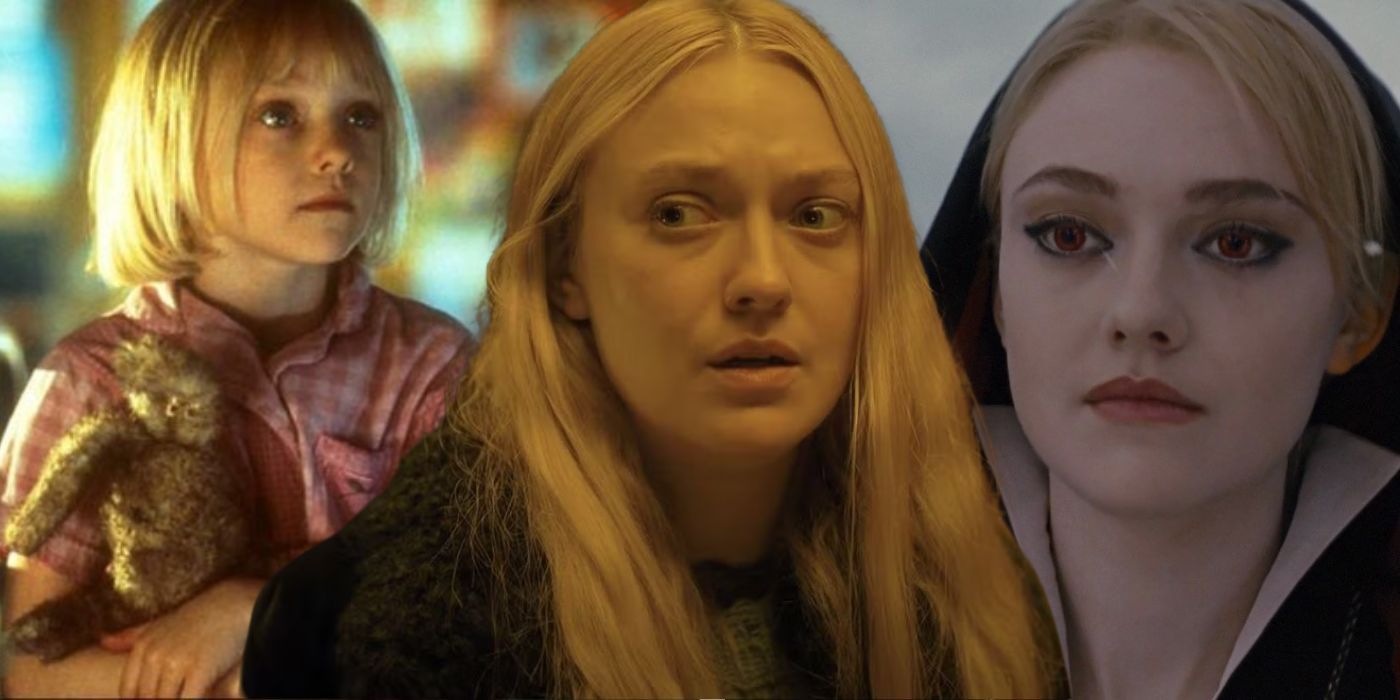
In productions like The Secret Life of Bees or various historical dramas, the presence of horses serves as a visual shorthand for the setting and the character's environment. While these roles do not focus on the horse as a character, they reflect the industry standard of casting actors who can demonstrate basic comfort around animals. For fans of the "horse movie" genre, watching Fanning’s early work provides a lens through which to view the evolution of her craft, from the child prodigy in Dreamer to the sophisticated actress in later historical dramas.
Comparing Key Elements of Equestrian Cinema
When evaluating films like Dreamer against the broader genre of horse-related cinema, it is helpful to understand the components that make a film compelling for enthusiasts. The following table compares Dreamer with common tropes found in the genre to help you understand its unique position in Fanning's career.
| Feature | Dreamer (2005) | Standard Equestrian Genre Tropes |
|---|---|---|
| Primary Goal | Rehabilitating an injured racehorse | Winning a championship or "saving the farm" |
| Human-Horse Bond | Deeply emotional and therapeutic | Performance-based and success-oriented |
| Technical Focus | Veterinary care and recovery | Training techniques and competition |
| Genre Tone | Sentimental, family-oriented | Dramatic, action-driven, or inspirational |
Practical Considerations for Fans of the Genre
If you are exploring the genre because of Dakota Fanning’s work, there are several factors to keep in mind regarding how these films represent real-world animal handling.
Understanding Cinematic Realism
It is important to differentiate between cinematic narrative and actual equine management. In Dreamer, the recovery of a racehorse with a broken leg is portrayed as a miraculous success story. In the reality of 2026, orthopedic surgery and rehabilitation for racehorses are advanced, but the outcomes are rarely as straightforward as they appear on screen. Viewers looking to engage with the reality of horse care are encouraged to look toward resources provided by organizations like the American Association of Equine Practitioners (AAEP) to understand the genuine challenges of equine medicine.
The Role of Animal Advocacy in Film
Since the early 2000s, the use of animals in film has been governed by increasingly strict guidelines. When watching films produced in the mid-2000s, it is worth noting that organizations like the American Humane Association (AHA) were responsible for monitoring the treatment of horses on set. The safety protocols developed during this time established the "No Animals Were Harmed" certification that is now standard for most major studio productions.
Frequently Asked Questions
Did Dakota Fanning do her own riding in her movies?
Dakota Fanning engaged in specialized training to prepare for her role in Dreamer. While professional stunt riders are used for complex or high-risk sequences, Fanning underwent training to handle the horses effectively for close-up shots to ensure the emotional connection between her character and the animal appeared authentic.
Are there other horse movies starring Dakota Fanning?
While Fanning has appeared in a wide array of films, Dreamer is the only one where the horse is central to the plot. Other films in her catalog may include horses as background elements, but none focus on the relationship between horse and rider in the same capacity.
Is Dreamer based on a true story?
The film is marketed as "inspired by a true story." It was loosely influenced by the real-life story of a racehorse named Mariah's Storm, who suffered a leg injury and successfully returned to racing. While the film takes significant creative liberties to fit a Hollywood narrative, the core inspiration is rooted in the history of thoroughbred racing.
Why is the relationship between the girl and the horse so central?
In the context of the film, the horse functions as a vessel for the protagonist's own emotional healing. By focusing on the horse, the film allows the characters to express emotions they are unable to communicate to each other, a common technique in family dramas involving animals.
Where can I watch Dreamer today?
As of 2026, Dreamer is available through various digital streaming platforms and on-demand services. Availability may vary by region based on licensing agreements held by the production studio.
Next Steps for Enthusiasts
If you enjoy the emotional resonance found in Dakota Fanning’s performance in Dreamer, consider exploring the broader genre of "human-equine connection" films. Researching the real-life histories of famous thoroughbreds often provides a richer understanding of the industry than fictional accounts alone. If you are interested in the actual care of horses, reach out to local therapeutic riding centers or equine rescue organizations, which often provide volunteer opportunities that offer a more grounded, hands-on experience with the creatures depicted in cinema.
Image Gallery