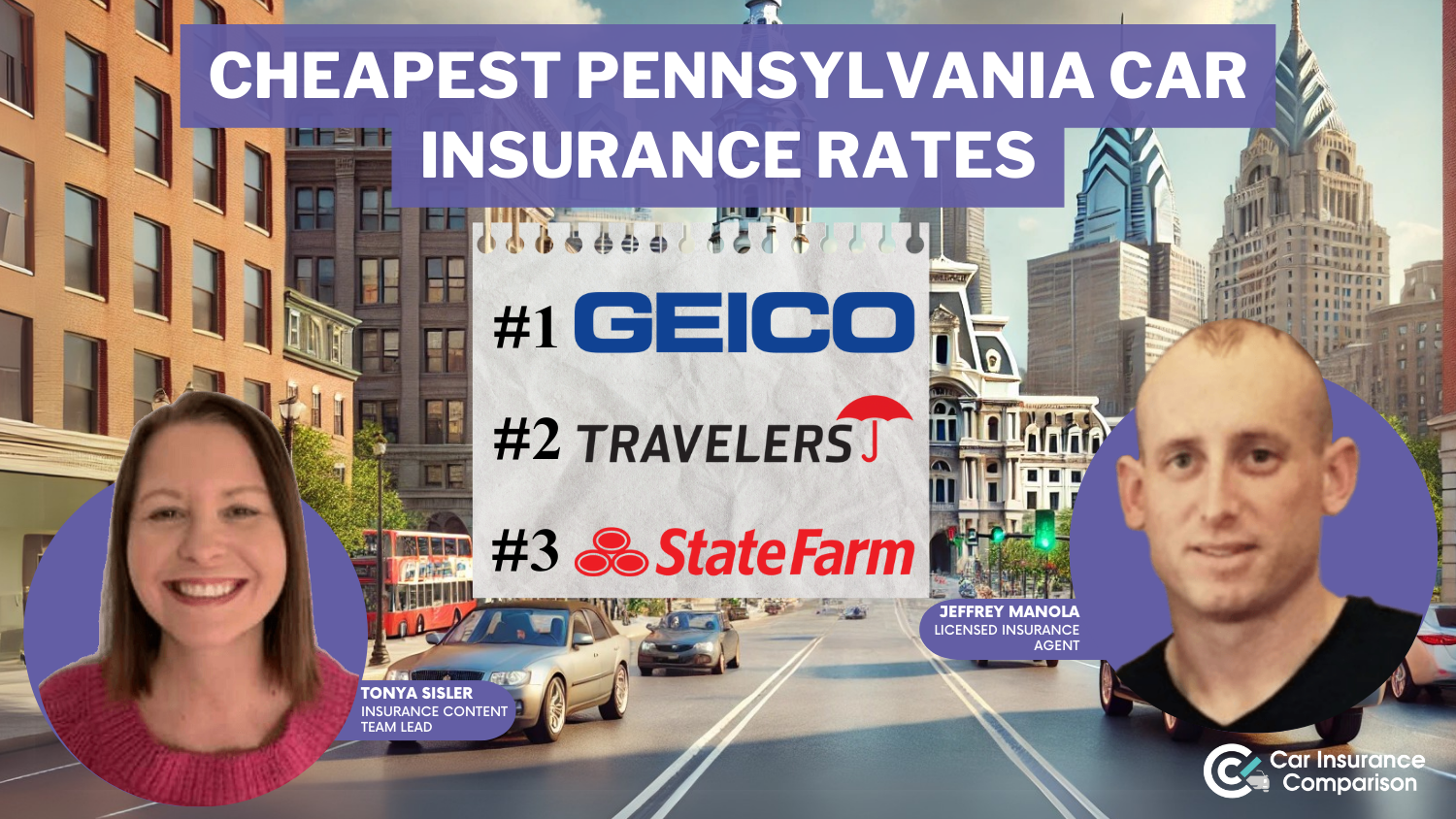
Comprehensive Guide to Auto Insurance in Sinking Spring, Pennsylvania (2026)
Securing the best auto insurance in Sinking Spring requires balancing Pennsylvania’s 15/30/5 mandatory liability minimums with the specific risks of Berks County driving. Residents must navigate the state’s unique "choice no-fault" sys...
Securing the best auto insurance in Sinking Spring requires balancing Pennsylvania’s 15/30/5 mandatory liability minimums with the specific risks of Berks County driving. Residents must navigate the state’s unique "choice no-fault" system, selecting between limited and full tort options while accounting for heavy Route 422 traffic and seasonal hazards.
Contents
Navigating the insurance landscape in Sinking Spring, Pennsylvania, involves more than just finding the lowest monthly premium. As a borough situated in the heart of Berks County, Sinking Spring presents a unique set of driving conditions—ranging from the high-traffic corridors of the Benjamin Franklin Highway (Route 422) to the winding secondary roads that lead toward Wyomissing or Wernersville. In 2026, the insurance market has become increasingly sophisticated, with carriers utilizing advanced telematics and AI-driven risk assessment to determine rates. For local drivers, understanding the interplay between state mandates, local geography, and coverage options is essential for financial protection.
Pennsylvania Mandatory Insurance Requirements
Before shopping for a policy in Sinking Spring, it is critical to understand the legal baseline established by the Pennsylvania Department of Transportation (PennDOT) and the Pennsylvania Insurance Department. Pennsylvania is a "choice no-fault" state, which dictates how medical expenses are handled and limits your right to sue after an accident.
Minimum Liability Limits
Every driver in Sinking Spring must carry a minimum amount of liability insurance. As of 2026, the requirements remain:
- Medical Benefits: $5,000 for your own medical bills and those of others covered by your policy, regardless of who is at fault.
- Bodily Injury Liability: $15,000 per person and $30,000 per accident. This pays for injuries you cause to others.
- Property Damage Liability: $5,000 per accident to cover damage you cause to someone else’s property or vehicle.
While these are the legal minimums, most financial advisors in Berks County recommend significantly higher limits. A multi-vehicle accident on Route 422 can easily exceed a $5,000 property damage limit, leaving the driver personally liable for the remaining costs.
The Tort Option: Full vs. Limited
The most consequential decision for a Sinking Spring driver is the choice between Full Tort and Limited Tort.
- Limited Tort: This option reduces your monthly premium. In exchange, you waive your right to sue for "pain and suffering" unless your injuries meet a specific threshold defined as "serious injury" (typically involving permanent impairment or disfigurement).
- Full Tort: This carries a higher premium but allows you to seek financial compensation for all pain and suffering and other non-monetary damages, regardless of the severity of the injury.
Given the density of traffic in the Reading metropolitan area, the Full Tort option provides a broader safety net for those who commute daily through Sinking Spring.
Factors Influencing Rates in Sinking Spring
Insurance carriers do not just look at your driving record; they look at the specific risks associated with the 19608 zip code and surrounding Berks County areas.
Local Traffic Density and Infrastructure
Sinking Spring serves as a major artery for commuters traveling between Lebanon and Reading. The intersection of Route 422 (Penn Avenue) and Mull Avenue is a known point of congestion. Frequent "stop-and-go" traffic increases the statistical likelihood of rear-end collisions. Insurers factor this local accident frequency into their base rates for the borough.
Environmental and Wildlife Risks
Berks County is notorious for deer-related accidents, particularly during the autumn mating season. Sinking Spring residents who travel toward Blue Marsh Lake or through more rural sections of South Heidelberg Township face a higher risk of animal strikes. This makes Comprehensive Coverage—which covers non-collision events like deer hits—almost a necessity for local drivers, rather than an optional add-on.
Weather Patterns
The 2026 winter season continues the trend of unpredictable Mid-Atlantic weather. Sinking Spring often experiences a mix of sleet, freezing rain, and heavy snow. Carriers analyze the number of weather-related claims in the region to set premiums. Drivers with vehicles equipped with modern safety features (like All-Wheel Drive or advanced traction control) may see offsets in their pricing.
Comparing Coverage Tiers and Costs
To provide a clear picture of the market in 2026, the following table outlines the estimated annual costs for different coverage levels in Sinking Spring. These figures are based on a driver with a clean record and a mid-range sedan.
| Coverage Tier | Estimated Annual Premium | Included Features |
|---|---|---|
| State Minimum | $750 – $1,100 | 15/30/5 Liability, $5k Medical, Limited Tort |
| Standard Protection | $1,300 – $1,800 | 50/100/50 Liability, Collision, Comprehensive, Limited Tort |
| Full Protection | $2,100 – $2,900 | 100/300/100 Liability, Full Tort, Uninsured/Underinsured Motorist |
| Premium/Executive | $3,200+ | 250/500/100 Liability, Full Tort, Gap Insurance, New Car Replacement |
Note: These are estimates. Actual rates vary based on credit score, age, vehicle type, and specific claims history.
Specialized Coverage for Sinking Spring Residents
Beyond the standard liability and collision policies, several specialized options are highly relevant for the local community.
Uninsured and Underinsured Motorist Coverage (UM/UIM)
Although insurance is mandatory in Pennsylvania, a significant number of drivers in the greater Reading area operate vehicles with lapsed policies or only the bare minimum limits. If you are hit by a driver with only $15,000 in bodily injury coverage, and your medical bills reach $50,000, Underinsured Motorist Coverage will bridge that gap. In Sinking Spring, where healthcare costs at local facilities like Reading Hospital are substantial, this is a critical safeguard.
Gap Insurance
With the local economy in 2026 seeing a steady influx of new vehicle purchases, Gap Insurance is essential for those financing their cars. If a vehicle is totaled in an accident on the narrow streets of Sinking Spring, the insurance payout (actual cash value) may be less than what is owed on the loan. Gap insurance covers this difference.
Rideshare Endorsements
Many residents in Sinking Spring supplement their income by driving for platforms like Uber or Lyft, especially catering to the Reading nightlife or transport to the Lehigh Valley International Airport. Standard personal policies typically exclude coverage during the "app-on" phase of ridesharing. A specific rideshare endorsement is necessary to ensure continuous protection.
Strategies for Reducing Premiums in 2026
The 2026 insurance market offers several technological and behavioral ways to lower costs without sacrificing the quality of coverage.
- Telematics Programs: Most major carriers serving Sinking Spring now offer "pay-how-you-drive" programs. By using a smartphone app or a plug-in device, drivers can receive discounts of up to 30% for safe habits, such as avoiding hard braking and late-night driving.
- Multi-Policy Bundling: Combining auto insurance with homeowners or renters insurance remains the most effective way to secure a discount. In Sinking Spring, where many residents own homes in developments like Fritztown or Spring Ridge, bundling can save hundreds of dollars annually.
- Credit Score Management: In Pennsylvania, insurers are permitted to use credit-based insurance scores to help determine premiums. Maintaining a high credit score is directly correlated with lower insurance rates in the 19608 zip code.
- Professional and Academic Discounts: Local educators in the Wilson School District or employees of major regional employers (like Tower Health or Penske) often qualify for affinity discounts. Students at nearby Alvernia or Albright universities should also inquire about "Good Student" discounts.
How to Select the Right Provider
When choosing an insurer in Sinking Spring, you have two primary paths: working with a local independent agent or purchasing directly from a national carrier.
- Local Independent Agents: Agents located on Penn Avenue or in nearby Wyomissing offer the advantage of local knowledge. They can compare multiple "regional" carriers (like Erie Insurance or Donegal) that often provide more personalized service and competitive rates for Pennsylvania residents.
- National Direct Carriers: Companies like Geico, Progressive, and State Farm offer robust digital tools, 24/7 claims processing apps, and often have the most aggressive pricing for drivers with perfect records.
For more information on consumer rights and carrier ratings, visit the Pennsylvania Insurance Department.
Frequently Asked Questions
What happens if I have an accident with a deer in Sinking Spring?
In Pennsylvania, a collision with an animal is generally processed under Comprehensive Coverage, not Collision Coverage. Because animal movements are considered unpredictable, these claims are usually categorized as "not-at-fault," meaning they typically do not cause your premiums to spike as a collision with another car would. However, you must have Comprehensive coverage on your policy to receive a payout.
Is the "Limited Tort" option always the best way to save money?
While Limited Tort reduces your premium by approximately 12% to 15%, it can be a costly choice if you are involved in a major accident. If you suffer chronic back pain or a soft-tissue injury that doesn't meet the "serious" threshold, you may be unable to recover any money for your suffering. Many Sinking Spring residents find that the peace of mind offered by Full Tort is worth the extra monthly cost.
Does Sinking Spring have higher rates than Reading?
Generally, Sinking Spring (19608) enjoys slightly lower average premiums than the city of Reading (19601, 19602). This is due to lower rates of vehicle theft, vandalism, and lower population density, which translates to fewer claims per capita. However, the proximity to Reading means rates are still higher than in more rural parts of western Berks County.
Are EVs more expensive to insure in Berks County in 2026?
Yes, in 2026, electric vehicles (EVs) typically command a 15% to 25% higher insurance premium in Sinking Spring. This is primarily due to the higher cost of specialized parts and the limited number of certified repair shops in the Berks County area that can handle high-voltage battery systems.
How often should I shop for new insurance in Sinking Spring?
It is recommended to compare rates every 12 months or after any major life event, such as buying a home, getting married, or a change in your credit score. Since carriers frequently update their pricing algorithms for the Berks County region, the company that was cheapest for you last year may not be the most competitive this year.
Practical Recommendation
For the best results, Sinking Spring drivers should request quotes for a 100/300/100 Full Tort policy. This level of coverage protects your personal assets from lawsuits and ensures you are fully compensated for injuries in an increasingly litigious environment. Always compare at least one national carrier against a quote from a local Berks County independent agent to ensure you are capturing both digital-convenience discounts and regional-loyalty rates.
Image Gallery