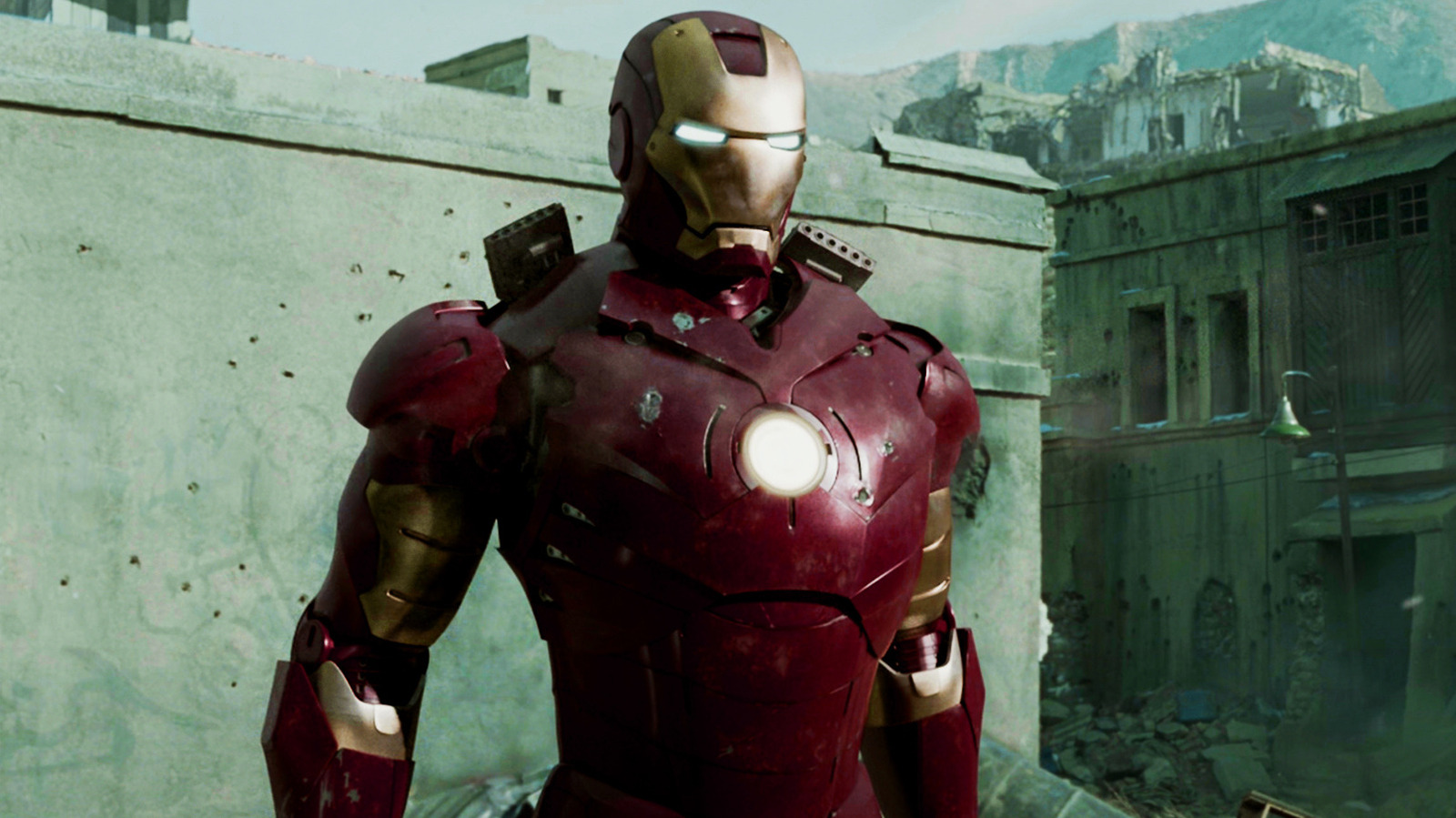
Marvel Movies in Release Order: The Definitive Guide Starting with Iron Man
To watch the Marvel Cinematic Universe (MCU) in release order, you must begin with Iron Man (2008). This viewing sequence follows the films as they were originally premiered in theaters, organized into chronological "Phases" that const...
To watch the Marvel Cinematic Universe (MCU) in release order, you must begin with Iron Man (2008). This viewing sequence follows the films as they were originally premiered in theaters, organized into chronological "Phases" that constitute larger narrative arcs known as the Infinity Saga and the Multiverse Saga.
Contents
The Marvel Cinematic Universe is an unprecedented achievement in serialized storytelling. For nearly two decades, Marvel Studios has woven a complex tapestry of interconnected narratives, spanning galaxies, dimensions, and timelines. While many fans debate the merits of watching the films in chronological order (the order in which events occur within the story), the theatrical release order remains the most popular and recommended method for first-time viewers. This order preserves the intended mystery, character introductions, and the evolving technical sophistication of the franchise.
The Genesis of a Universe: Phase 1
Phase 1 was designed to introduce the core members of the Avengers and establish the concept of a shared universe. Before 2008, superhero movies were largely standalone or limited to isolated trilogies. The release of Iron Man changed the industry by introducing the "post-credits scene," a narrative device used to tease future installments.
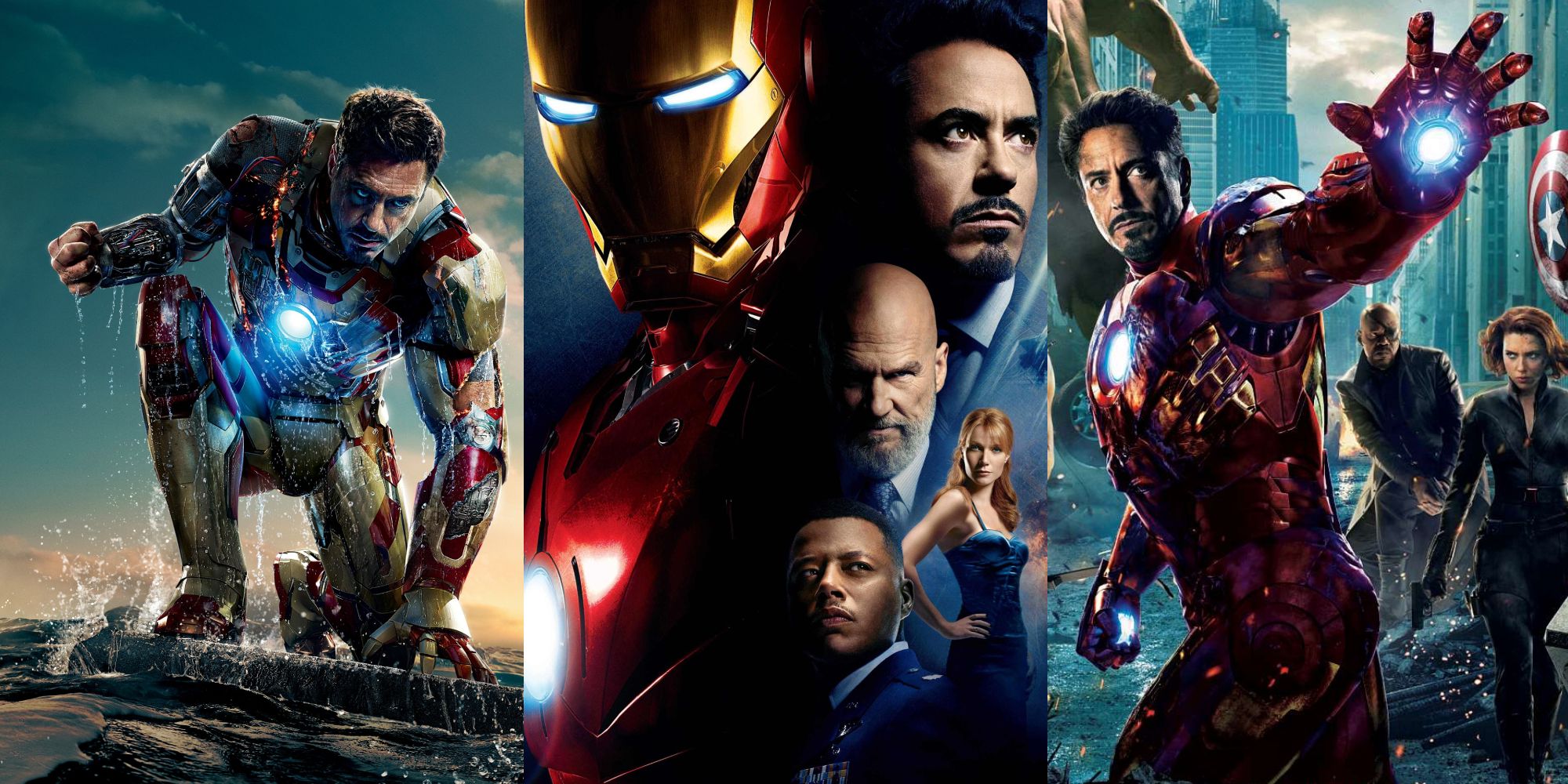
- Iron Man (May 2008): Directed by Jon Favreau, this film revived Robert Downey Jr.’s career and established the tech-centric, witty tone of the MCU. It grounded the universe in a recognizable reality before introducing more fantastical elements.
- The Incredible Hulk (June 2008): Often considered the "black sheep" of Phase 1 due to the later recasting of Edward Norton with Mark Ruffalo, this film explored the military-industrial complex and the burden of power.
- Iron Man 2 (May 2010): This sequel expanded the world-building significantly, introducing Black Widow and Nick Fury’s broader S.H.I.E.L.D. initiatives.
- Thor (May 2011): Marvel took a significant risk by moving from science fiction to cosmic fantasy, introducing the Nine Realms and the concept of magic as advanced science.
- Captain America: The First Avenger (July 2011): Set primarily during WWII, this film provided the moral compass for the franchise and introduced the first Infinity Stone (the Tesseract).
- The Avengers (May 2012): The culmination of Phase 1, this Joss Whedon-directed epic proved that an ensemble cast of leads could work, shattering box office records and cementing the MCU as a cultural phenomenon.
Expansion and Consequences: Phase 2
Phase 2 dealt with the aftermath of the "Battle of New York." It explored the psychological trauma of the heroes and began the slow build toward the confrontation with Thanos.
- Iron Man 3 (May 2013): A deconstruction of Tony Stark, focusing on his PTSD and his reliance on his technology.
- Thor: The Dark World (November 2013): Further explored the cosmic hierarchy and introduced the Reality Stone.
- Captain America: The Winter Soldier (April 2014): A political thriller that dismantled the status quo of the MCU by revealing the infiltration of Hydra within S.H.I.E.L.D.
- Guardians of the Galaxy (August 2014): A major tonal shift that proved Marvel could find success with obscure characters by leaning into humor and a retro soundtrack.
- Avengers: Age of Ultron (May 2015): Introduced the concept of artificial intelligence gone wrong and added Scarlet Witch and Vision to the roster.
- Ant-Man (July 2015): Served as a "palette cleanser," offering a heist-movie structure and introducing the Quantum Realm, which would become vital years later.
The Peak of the Infinity Saga: Phase 3
Phase 3 is widely regarded as the "Golden Age" of the MCU. It saw a massive expansion in the number of films released per year and culminated in a two-part finale that resolved a decade of plot threads.
This era was characterized by increased creative freedom for directors. James Gunn, Taika Waititi, and Ryan Coogler brought distinct visual styles and cultural perspectives to the franchise. Black Panther (2018), for instance, became a global cultural milestone and the first superhero film to be nominated for a Best Picture Oscar.
The sequence reached its zenith with Avengers: Infinity War and Avengers: Endgame. These films were filmed back-to-back and represented the ultimate payoff for fans who had followed the release order since 2008. The narrative concluded the arcs of original Avengers like Tony Stark and Steve Rogers while setting the stage for a new generation.
The Multiverse Saga and Beyond: Phases 4 and 5
Following the conclusion of the Infinity Saga, the MCU transitioned into the Multiverse Saga. This era introduced the concept of branching timelines and alternate realities. It also marked the integration of television series on Disney+, though for the purposes of a theatrical release order, the focus remains on the feature films.
Phase 4 was a period of transition and exploration. Films like Shang-Chi and the Legend of the Ten Rings introduced new lore, while Spider-Man: No Way Home utilized the Multiverse to bring back beloved characters from previous, non-MCU film iterations.
As we moved into Phase 5, the stakes became more cosmic and interconnected. Deadpool & Wolverine (2024) represented a significant milestone as the first R-rated MCU film, successfully integrating characters previously owned by 20th Century Fox.
Current Landscape: 2026 and the Road to Doomsday
As of 2026, the MCU has entered a high-stakes period. The recent release of Avengers: Doomsday (May 2026) has pivoted the franchise toward a new central antagonist. This phase has been defined by a "quality over quantity" approach, with Marvel Studios refining its release schedule to ensure each film has maximum narrative impact.
The inclusion of the Fantastic Four in Fantastic Four: First Steps (2025) finally brought "Marvel's First Family" into the fold, filling a significant gap in the universe's roster. For viewers following the release order today, the progression from the grounded streets of New York in Iron Man to the multiversal threats of 2026 is a journey through cinematic evolution.
Comprehensive Marvel Release Order Table
The following table summarizes the theatrical release order of the MCU films, categorized by their respective Phases.
| Year | Movie Title | MCU Phase | Primary Antagonist |
|---|---|---|---|
| 2008 | Iron Man | Phase 1 | Obadiah Stane |
| 2008 | The Incredible Hulk | Phase 1 | Emil Blonsky (Abomination) |
| 2010 | Iron Man 2 | Phase 1 | Ivan Vanko (Whiplash) |
| 2011 | Thor | Phase 1 | Loki |
| 2011 | Captain America: The First Avenger | Phase 1 | Red Skull |
| 2012 | The Avengers | Phase 1 | Loki / The Chitauri |
| 2013 | Iron Man 3 | Phase 2 | Aldrich Killian |
| 2013 | Thor: The Dark World | Phase 2 | Malekith |
| 2014 | Captain America: The Winter Soldier | Phase 2 | Alexander Pierce / Winter Soldier |
| 2014 | Guardians of the Galaxy | Phase 2 | Ronan the Accuser |
| 2015 | Avengers: Age of Ultron | Phase 2 | Ultron |
| 2015 | Ant-Man | Phase 2 | Darren Cross (Yellowjacket) |
| 2016 | Captain America: Civil War | Phase 3 | Helmut Zemo |
| 2016 | Doctor Strange | Phase 3 | Kaecilius / Dormammu |
| 2017 | Guardians of the Galaxy Vol. 2 | Phase 3 | Ego the Living Planet |
| 2017 | Spider-Man: Homecoming | Phase 3 | Adrian Toomes (Vulture) |
| 2017 | Thor: Ragnarok | Phase 3 | Hela |
| 2018 | Black Panther | Phase 3 | Erik Killmonger |
| 2018 | Avengers: Infinity War | Phase 3 | Thanos |
| 2018 | Ant-Man and the Wasp | Phase 3 | Ava Starr (Ghost) |
| 2019 | Captain Marvel | Phase 3 | Yon-Rogg |
| 2019 | Avengers: Endgame | Phase 3 | Thanos |
| 2019 | Spider-Man: Far From Home | Phase 3 | Quentin Beck (Mysterio) |
| 2021 | Black Widow | Phase 4 | General Dreykov / Taskmaster |
| 2021 | Shang-Chi and the Legend of the Ten Rings | Phase 4 | Xu Wenwu |
| 2021 | Eternals | Phase 4 | Kro / Arishem |
| 2021 | Spider-Man: No Way Home | Phase 4 | Green Goblin / Various |
| 2022 | Doctor Strange in the Multiverse of Madness | Phase 4 | Wanda Maximoff |
| 2022 | Thor: Love and Thunder | Phase 4 | Gorr the God Butcher |
| 2022 | Black Panther: Wakanda Forever | Phase 4 | Namor |
| 2023 | Ant-Man and the Wasp: Quantumania | Phase 5 | Kang the Conqueror |
| 2023 | Guardians of the Galaxy Vol. 3 | Phase 5 | The High Evolutionary |
| 2023 | The Marvels | Phase 5 | Dar-Benn |
| 2024 | Deadpool & Wolverine | Phase 5 | Cassandra Nova |
| 2025 | Captain America: Brave New World | Phase 5 | Samuel Sterns (The Leader) |
| 2025 | Thunderbolts* | Phase 5 | To be determined |
| 2025 | Fantastic Four: First Steps | Phase 6 | Galactus |
| 2026 | Avengers: Doomsday | Phase 6 | Doctor Doom |
Release Order vs. Chronological Order: Which is Better?
While the release order (starting with Iron Man) is the intended experience, some fans prefer the chronological order, which arranges the movies based on when the events happen in the timeline. For example, in a chronological marathon, you would start with Captain America: The First Avenger (set in the 1940s) and Captain Marvel (set in the 1990s) before reaching Iron Man.
Why Release Order is Superior for First-Time Viewers:
- Narrative Mystery: Certain plot points, such as the reveal of the Tesseract or the mystery surrounding Nick Fury, are designed to be discovered in the order they were released.
- Post-Credits Context: Post-credits scenes often tease the very next movie to be released. If you watch chronologically, these teasers will often refer to movies you won't see for dozens of hours, or worse, they may contain massive spoilers for future events.
- Visual Evolution: Watching the films in order allows you to appreciate the advancement in CGI, costume design, and cinematography. Jumping from the 1940s aesthetics of The First Avenger (released in 2011) to the 1990s of Captain Marvel (released in 2019) can be visually jarring.
- Character Introduction: The MCU was built around the core Avengers. Release order ensures you meet Tony Stark first, who serves as the anchor for the entire Infinity Saga.
Frequently Asked Questions
Why did Marvel start with Iron Man instead of Captain America?
In 2008, Marvel Studios did not have the film rights to their most famous characters, like Spider-Man (Sony) or the X-Men (Fox). They chose Iron Man because they believed the character had the most potential for a modern, tech-focused blockbuster. The success of the film was a gamble that ultimately allowed them to build the entire universe.
Do I need to watch the Disney+ shows in between the movies?
While the Disney+ series (like WandaVision, Loki, and Daredevil: Born Again) provide significant character development and context for the Multiverse, the movies are generally written to be understood on their own. However, for the full "Release Order" experience in 2026, many fans now integrate the shows to see how the narrative threads interweave.
Can I skip any movies in the release order?
While every film is technically part of the canon, some have less impact on the overarching plot. The Incredible Hulk and Thor: The Dark World are often cited as skippable by casual viewers, but they still contain important character introductions and Infinity Stone lore that payoff in later "event" films.
Is Deadpool & Wolverine actually part of the MCU release order?
Yes. Following the acquisition of 20th Century Fox by Disney, characters like Deadpool and the X-Men have been integrated into the MCU. Deadpool & Wolverine (2024) is a pivotal entry that bridge the gap between the Fox universe and the Marvel Studios universe through the concept of the Multiverse.
What is the final movie in the current release order?
As of mid-2026, the most recent major theatrical release is Avengers: Doomsday. This film marks a significant shift in the franchise's direction, leading toward the next major crossover event, Avengers: Secret Wars.
Final Recommendation for Viewers
If you are beginning your journey into the Marvel Cinematic Universe in 2026, stick to the release order. Start with the original 2008 Iron Man and follow the path laid out by the filmmakers. This sequence allows you to grow with the characters and experience the same surprises and emotional beats that audiences felt over the last 18 years.
Once you have completed the full run through Avengers: Doomsday, a second viewing in chronological order can be a rewarding way to see how the timeline fits together perfectly, but for the initial experience, the theatrical path is unbeatable.
Image Gallery