The Role and Responsibilities of an Ambassador: A Comprehensive Guide
An ambassador serves as the highest-ranking diplomatic representative of one nation to another or to an international organization. They act as the primary link between governments, managing bilateral relations, negotiating treaties, p...
An ambassador serves as the highest-ranking diplomatic representative of one nation to another or to an international organization. They act as the primary link between governments, managing bilateral relations, negotiating treaties, protecting the interests of their home country’s citizens abroad, and promoting economic, political, and cultural cooperation between nations.
Contents
The Diplomatic Mandate: Defining the Ambassador
An ambassador, formally known as an Ambassador Extraordinary and Plenipotentiary, is the personal representative of their country's Head of State to the Head of State of a host country. This role is governed by the Vienna Convention on Diplomatic Relations (1961), an international treaty that defines the framework for diplomatic relations between independent countries. As of 2026, these standards remain the bedrock of international law, ensuring that diplomats can perform their duties without fear of coercion or harassment by the host government.
The title "Extraordinary" historically signified an ambassador sent on a specific mission, while "Plenipotentiary" indicates that the individual has the full power to represent their government and sign documents on its behalf. In the modern era, these titles are standard for any resident head of a foreign mission. The ambassador resides in the host country's capital, where they oversee the embassy, which serves as the physical headquarters for their nation's diplomatic presence.
Primary Functions of a Modern Ambassador
The work of an ambassador is multifaceted, blending high-level political strategy with administrative management and public relations. While the public often sees the ceremonial aspects—attending galas or formal dinners—the reality of the position involves rigorous policy work and crisis management.
Representation and Protocol
The most visible role of an ambassador is representing their nation at official functions, ceremonies, and meetings. This is not merely symbolic; every action and statement made by an ambassador is viewed as an official position of their home government. They attend state funerals, independence day celebrations, and legislative openings. Through these interactions, they build the personal relationships necessary to navigate complex geopolitical landscapes. Protocol is strictly followed to ensure that the dignity of both the home and host nations is maintained, preventing diplomatic slights that could escalate into political tensions.
Negotiation and Policy Advocacy
Ambassadors are the lead negotiators for their countries. When two nations seek to establish a trade agreement, environmental pact, or security treaty, the ambassador and their staff handle the groundwork. They must deeply understand the policy objectives of their home government and find common ground with the host nation's officials.
In 2026, negotiation often involves complex technical subjects such as cybersecurity protocols, carbon credit exchanges, and transnational health regulations. The ambassador's role is to advocate for their country's interests, explaining why a particular policy is beneficial for both parties or why a proposed host-country law might negatively impact bilateral relations.
Information Gathering and Reporting
A significant portion of an ambassador's day is spent gathering information. They meet with government officials, opposition leaders, business executives, journalists, and civil rights activists to gain a holistic view of the host country’s stability, economic health, and political trajectory.
This information is transmitted back to the home country's Ministry of Foreign Affairs (or Department of State) via secure "cables" or encrypted digital communications. These reports are vital for the home government to formulate its foreign policy. An ambassador provides the context and nuance that news reports or intelligence intercepts might miss, such as the underlying sentiment of a local population or the subtle shifting of alliances within a ruling party.
Protection of National Interests and Citizens
One of the most critical responsibilities of an ambassador is the protection of their fellow citizens residing in or traveling through the host country. While the consular section of the embassy handles day-to-day issues like lost passports or arrests, the ambassador intervenes in high-profile cases. This might include negotiating the release of a wrongfully detained citizen or coordinating the evacuation of nationals during a natural disaster or civil unrest. They also protect the commercial interests of their home country’s businesses, ensuring they are treated fairly and in accordance with international trade laws.
The Administrative Side: Managing the Embassy
An ambassador is the "Chief of Mission," making them the top executive of a large and often complex organization. An embassy is not just filled with diplomats; it houses representatives from various government agencies, such as defense attachés, trade experts, agricultural specialists, and intelligence officers.
The ambassador is responsible for ensuring these disparate groups work toward a unified set of national objectives, often outlined in an annual Integrated Country Strategy. They manage the embassy's budget, oversee security protocols for the facility and its personnel, and ensure that all staff members adhere to both international law and the regulations of the home government. In large posts, such as the U.S. Embassy in London or the Chinese Embassy in Washington, the ambassador may be responsible for hundreds of employees and a multi-million dollar operational budget.
How an Ambassador is Appointed and Credentialed
The process of becoming an ambassador varies by country, but it generally involves a blend of professional merit and political appointment.
- Selection: In many countries, the majority of ambassadors are "Career Diplomats"—professionals who have risen through the ranks of the foreign service over decades. However, some nations also appoint "Political Appointees," who may be former politicians, prominent business leaders, or close associates of the Head of State.
- Agrément: Before a country publicly announces a new ambassador, it must seek agrément (approval) from the host country. The host government has the right to refuse an appointee without providing a specific reason, though this is rare among friendly nations.
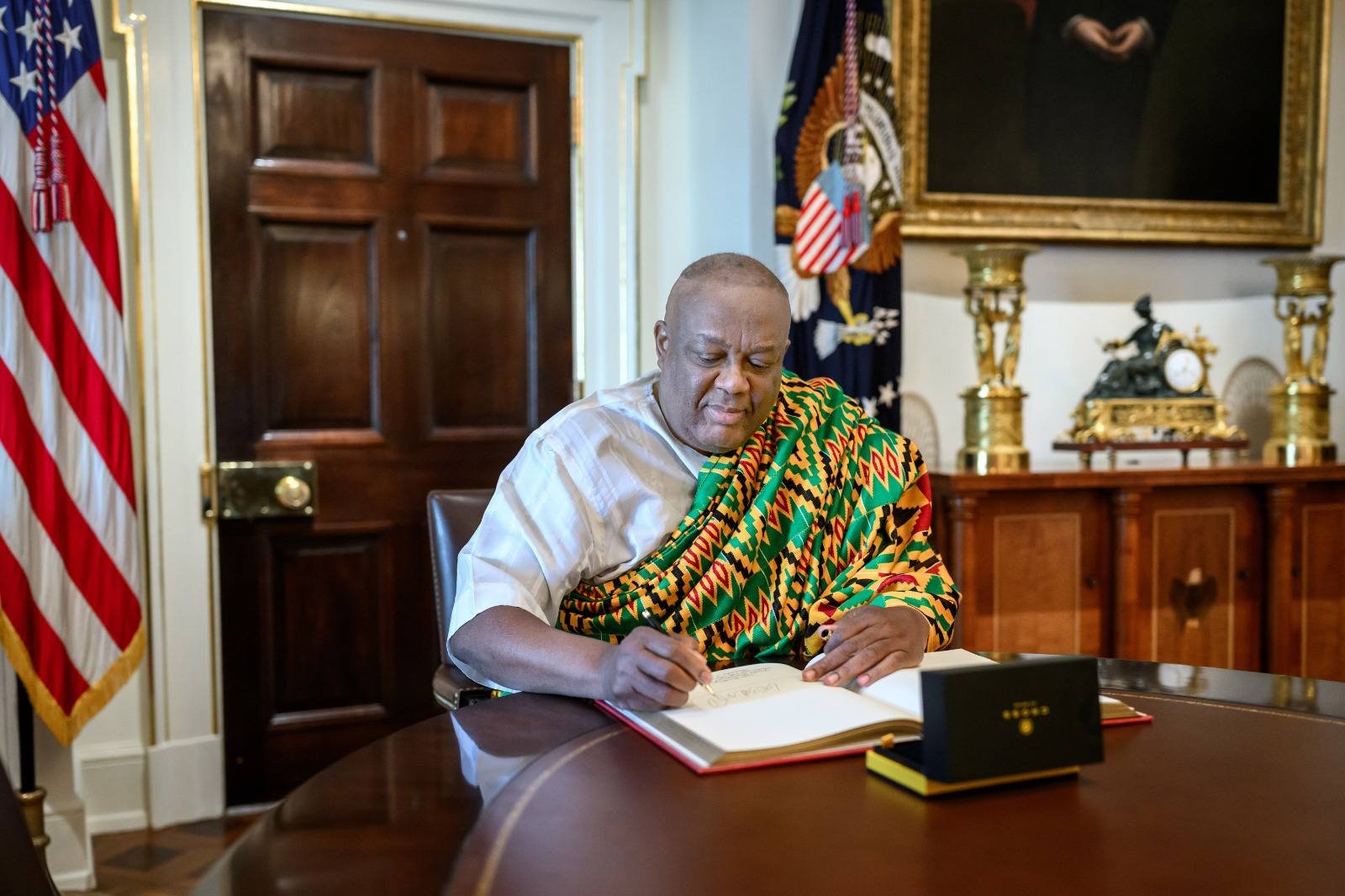
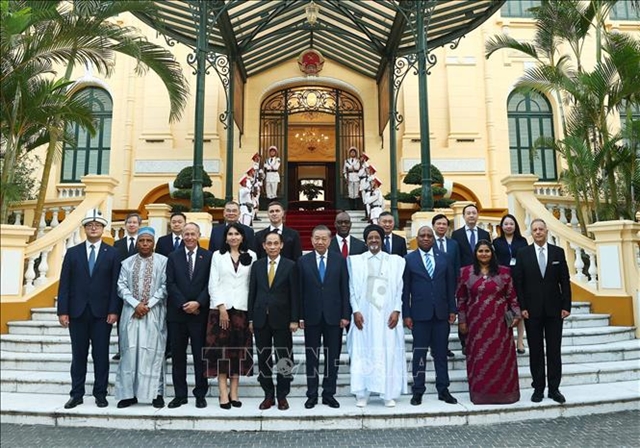
- Letters of Credence: Once approved and arrived in the host country, the appointee is not officially the ambassador until they present their Letters of Credence to the host country's Head of State. This formal ceremony marks the beginning of their tenure. Until this happens, they are referred to as the "Ambassador-designate."
Comparing Diplomatic Roles
To understand what an ambassador does, it is helpful to distinguish their role from other senior officials within a diplomatic mission.
| Role | Primary Responsibility | Scope of Authority |
|---|---|---|
| Ambassador | Personal representative of the Head of State to the host nation. | Entire bilateral relationship and all embassy operations. |
| DCM (Deputy Chief of Mission) | Managing the daily operations of the embassy and staff. | Internal management; acts as "Chargé d'Affaires" when the Ambassador is away. |
| Consul General | Head of a Consulate (located in cities outside the capital). | Focuses on trade, visas, and citizen services in a specific region. |
| Permanent Representative | Representative to an international body (e.g., the UN or NATO). | Multilateral negotiations and institutional policy. |
| Attaché | Subject matter expert (Defense, Agriculture, etc.). | Technical advice and liaison within their specific sector. |
Challenges Facing Ambassadors in 2026
The landscape of diplomacy has shifted significantly in recent years. In 2026, ambassadors must contend with "Digital Diplomacy," where a social media post can have as much impact as a formal diplomatic note. The speed of information means that ambassadors no longer have the luxury of waiting days to respond to a crisis; they must be adept at communicating in real-time while remaining strategically disciplined.
Furthermore, the rise of "Sub-national Diplomacy"—where cities and states engage directly with foreign entities—requires ambassadors to coordinate not just between federal governments, but across various levels of domestic and foreign governance. Issues like global pandemics, supply chain disruptions, and artificial intelligence ethics now dominate the diplomatic agenda, requiring ambassadors to possess a high degree of technical literacy alongside traditional diplomatic skills.
Prerequisites and Career Path
For those aspiring to the role, the path typically begins with a rigorous entrance exam for the nation's foreign service. Prerequisites generally include:
- Higher Education: A degree in international relations, political science, law, or economics is standard.
- Language Proficiency: Most foreign services require mastery of at least one foreign language.
- Experience: Career ambassadors typically have 20 to 30 years of experience in various overseas posts, ranging from junior political officers to senior management roles.
- Security Clearance: Because they handle highly sensitive information, ambassadors must undergo the most stringent background investigations.
The life of an ambassador is one of constant transition, typically moving to a new country every three to four years. This requires high adaptability and the ability to quickly master new political and cultural environments.
Summary of Impact
An ambassador is the "eyes, ears, and voice" of their country abroad. By maintaining open channels of communication, even during times of friction, they prevent misunderstandings that could lead to conflict. Their work in promoting trade creates jobs at home, while their cultural outreach builds long-term goodwill between peoples. Ultimately, a successful ambassador ensures that their country’s interests are protected and its values are represented with dignity on the world stage.
Frequently Asked Questions
Does an ambassador have diplomatic immunity? Yes, under the Vienna Convention on Diplomatic Relations, ambassadors and their immediate families enjoy diplomatic immunity. This means they cannot be prosecuted or sued under the host country's laws. However, the home country can waive this immunity, and the host country can declare an ambassador persona non grata (unwelcome), effectively expelling them.
What is the difference between an embassy and a consulate? An embassy is the primary diplomatic mission, located in the host country's capital city, and is headed by the ambassador. Consulates are smaller offices located in other major cities (like New York, Shanghai, or Rio de Janeiro) that focus primarily on assisting citizens and processing visas rather than high-level political negotiation.
Can an ambassador be fired? Yes. In the United States and many other nations, ambassadors serve "at the pleasure of the President" (or the Head of Government). They can be recalled or asked to resign at any time for political reasons, poor performance, or a change in administration.
Is the role of an ambassador still relevant in the age of instant communication? Absolutely. While Heads of State can call each other directly, the ambassador provides the on-the-ground context and personal trust that digital communication cannot replicate. They manage the thousands of smaller details and relationships that keep a bilateral partnership functioning day-to-day.
What happens if an ambassador dies or leaves office suddenly? The Deputy Chief of Mission (DCM) immediately assumes the role of Chargé d’Affaires ad interim. This individual has the authority to run the embassy and communicate with the host government until a new ambassador is formally appointed and credentialed.
Recommended Next Action
If you are interested in the specific activities of an ambassador, you can visit the official website of your national foreign ministry (such as the U.S. Department of State or the UK Foreign, Commonwealth & Development Office) to read the "Country Reports" and "Mission Goals" for various embassies. These documents provide a transparent look at the current priorities and active tasks of diplomatic missions around the world in 2026.
Image Gallery