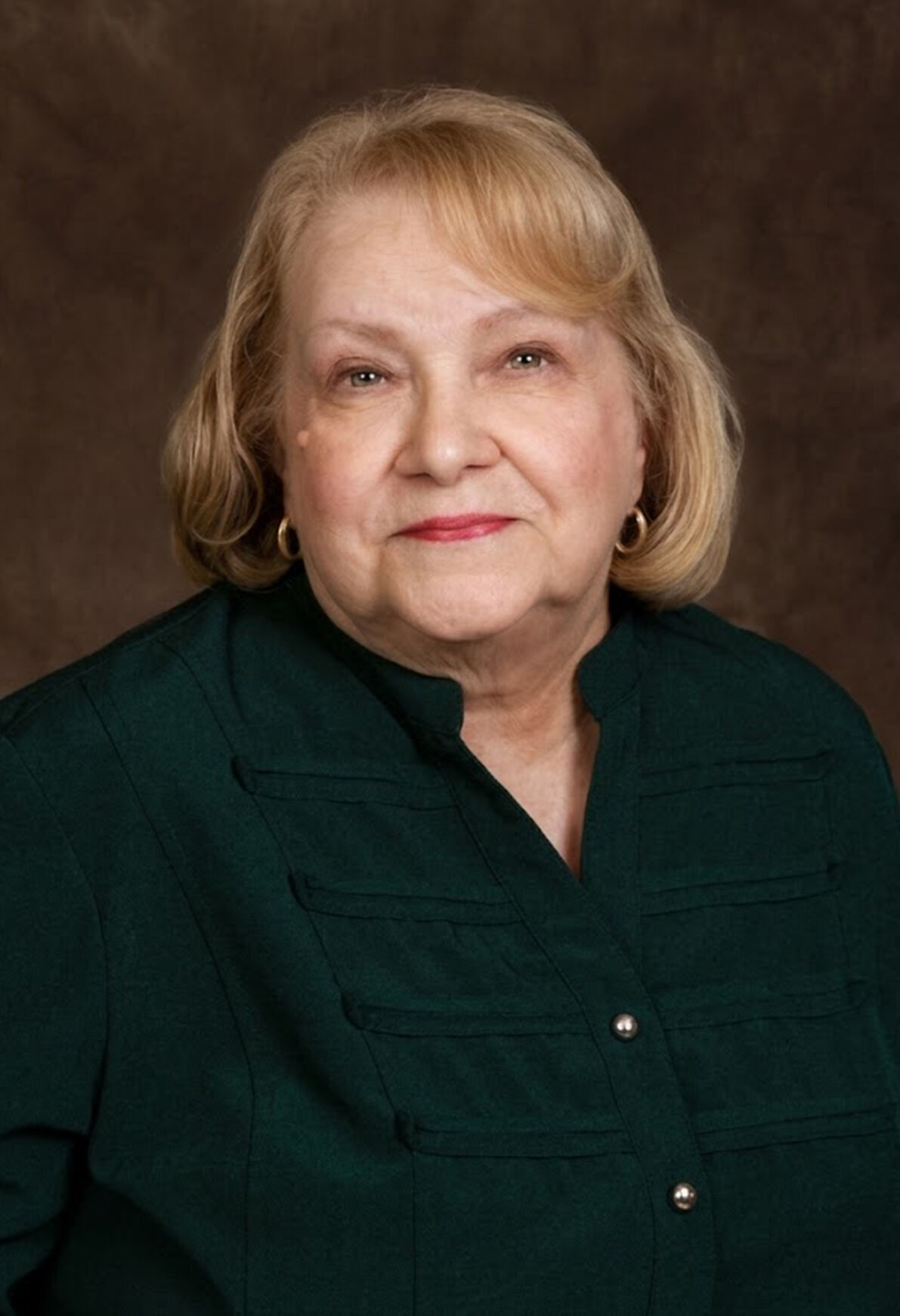
Judy Love Net Worth: The Legacy of a Multi-Billion Dollar Empire in 2026
As of 2026, the estate and family fortune of Judy Love is valued at an estimated $10.2 billion. This immense wealth stems from her role as co-founder of Love’s Travel Stops & Country Stores, a private, family-owned retail giant that re...
As of 2026, the estate and family fortune of Judy Love is valued at an estimated $10.2 billion. This immense wealth stems from her role as co-founder of Love’s Travel Stops & Country Stores, a private, family-owned retail giant that remains a cornerstone of the American transportation and logistics industry.
Contents
Judy Love, who passed away in late 2024, left behind a financial legacy that continues to grow under the stewardship of her children. To understand the current valuation of her estate and the broader Love family fortune, one must examine the operational scale of their primary asset: a network of over 640 travel stops across 42 states. Unlike many contemporary billionaires whose wealth is tied to volatile tech stocks, the Love fortune is anchored in physical infrastructure, fuel distribution, and essential retail services.
The Foundations of a Multi-Billion Dollar Portfolio
The story of Judy Love’s net worth is inextricably linked to a single $5,000 investment made in 1964. Judy and her husband, Tom Love, used that initial sum to lease a single abandoned filling station in Watonga, Oklahoma. At the time, the business was known as Musket Corporation. While many family businesses remain local, the Loves demonstrated an early aptitude for recognizing shifts in American consumer behavior.
By the 1970s, the company pioneered the "Country Store" concept, which combined self-service gasoline with grocery items—a revolutionary idea at the time. This integration of fuel and retail high-margin products laid the groundwork for the massive cash flows that characterize the company today. In 2026, the company continues to benefit from this diversified revenue model, insulating the family’s net worth from fluctuations in crude oil prices.
Operational Scale and Market Dominance
Love’s Travel Stops & Country Stores is consistently ranked as one of the largest private companies in the United States by Forbes. In 2026, its annual revenue is estimated to exceed $26 billion. The company’s valuation, and by extension Judy Love’s share of the estate, is driven by several key factors:
- Real Estate Assets: The company owns the vast majority of its 640+ locations. In an era of rising land values, these strategic locations along major interstate corridors represent a multi-billion dollar real estate portfolio.
- Vertical Integration: The Love family does not just sell fuel; they transport and trade it. Through Gemini Motor Transport, they manage their own logistics, and through Musket Corporation, they engage in sophisticated fuel trading and supply chain management.
- Alternative Energy Pivots: Recognizing the transition toward electric vehicles (EVs) and alternative fuels, the estate has seen growth through Trillium, a leading provider of renewable natural gas and EV charging infrastructure.
Estimating Judy Love's Estate Value in 2026
While Judy Love’s personal net worth was often cited as half of the family’s total wealth during her lifetime, the 2026 valuation reflects the consolidated holdings of the Love family trust. Private company valuations are typically calculated using a multiple of EBITDA (Earnings Before Interest, Taxes, Depreciation, and Amortization). Given the company’s dominance in the travel stop sector, it commands a premium valuation multiple.
The following table provides a breakdown of the estimated components contributing to the $10.2 billion figure:
| Asset Category | Estimated Value (2026) | Primary Revenue Driver |
|---|---|---|
| Love’s Travel Stops & Country Stores | $8.5 Billion | Retail sales, diesel/gasoline, and truck services |
| Musket Corporation | $800 Million | Commodity trading and fuel logistics |
| Trillium Renewable Fuels | $450 Million | RNG, hydrogen, and EV charging infrastructure |
| Real Estate & Private Investments | $450 Million | Commercial property and the Love Family Fund |
| Total Estimated Estate Value | $10.2 Billion | Combined Family Holdings |
Strategic Diversification and Long-Term Stability
A significant portion of Judy Love’s net worth remains stable due to the company's "all-in-one" service model. Love’s locations are not merely gas stations; they are hubs for the trucking industry, offering mechanical services through Love’s Truck Care and Speedco. These service centers provide high-margin revenue that is less sensitive to the price of fuel than traditional retail.
Furthermore, the family’s expansion into the hospitality sector—specifically with the development of hotels adjacent to travel stops—has added another layer of value to the estate. By capturing the entirety of a traveler's or trucker's spend (fuel, food, sleep, and maintenance), the company maximizes the "per-stop" revenue, a metric that has seen consistent growth through 2026.
The Role of Private Ownership
One reason the Judy Love net worth remains a subject of high interest is the company's status as a private entity. By avoiding the quarterly pressures of public markets, the Love family has been able to reinvest profits back into the company at a rate that would be difficult for a public firm. This long-term capital compounding is the primary engine behind the multi-billion dollar valuation. In 2026, the company remains 100% family-owned, with Judy's sons, Greg and Frank Love, serving as co-CEOs, ensuring that the wealth remains concentrated and controlled.
Philanthropy and Civic Influence
Judy Love was not only a business leader but also a major philanthropic figure, particularly in Oklahoma City. Her net worth enabled the establishment of the Love Family Fund, which has donated tens of millions to education, healthcare, and the arts.
One of the most visible impacts of her wealth is the Love Family Women’s Center at St. Anthony Hospital. In 2026, this facility stands as a testament to her commitment to reinvesting corporate success into community welfare. While these charitable contributions technically reduce the liquid net worth of the estate, they increase the "social capital" and legacy value associated with the Love name, which is an intangible but vital part of the family’s standing.
Industry Comparison: How the Love Fortune Stacks Up
To put Judy Love’s $10.2 billion estate in perspective, it is helpful to compare the company’s performance against its primary competitors in the travel center space.
- Pilot Company: Majority-owned by Berkshire Hathaway, Pilot is a larger entity in terms of locations, but its ownership is now corporate rather than family-led.
- TravelCenters of America (TA): Acquired by BP in 2023, TA operates as part of a global energy conglomerate.
- Buc-ee’s: A privately held competitor that focuses more on the passenger vehicle experience than the long-haul trucking market.
The Love family’s wealth is unique because it combines the massive scale of a company like Pilot with the 100% private control seen at Buc-ee’s. This allows for rapid decision-making, such as the 2026 rollout of expanded hydrogen refueling stations, which keeps the company—and the estate—at the forefront of the industry.
Frequently Asked Questions
How much was Judy Love worth at the time of her death?
At the time of her passing in late 2024, Judy Love’s net worth was estimated at approximately $5.2 billion individually, with the total family net worth exceeding $10 billion. In 2026, these assets are largely managed within a consolidated family estate.
Is Love’s Travel Stops a public company?
No, Love’s Travel Stops & Country Stores remains a private, family-owned company. This private status is a key reason for the steady growth of the Love family’s net worth, as they are not subject to the volatility of the stock market.
Who currently manages Judy Love’s multi-billion dollar estate?
The estate and the company are managed by the second generation of the Love family. Her sons, Greg Love and Frank Love, serve as co-CEOs, while other family members hold positions within the company and the Love Family Fund.
What is the main source of the Love family's wealth in 2026?
The primary source is the operational profit and real estate value of Love’s Travel Stops & Country Stores. Secondary sources include fuel trading through Musket Corporation and renewable energy ventures through Trillium.
Did Judy Love sign the Giving Pledge?
While Judy and Tom Love were renowned for their local philanthropy in Oklahoma and their support for Catholic charities, they did not publicly sign the Giving Pledge. Instead, they focused their giving through the Love Family Fund and direct institutional support.
Summary of Financial Standing and Next Actions
The $10.2 billion valuation of Judy Love’s estate in 2026 reflects a lifetime of strategic expansion and disciplined reinvestment. For those looking to understand the mechanics of this wealth, it serves as a masterclass in vertical integration and private company growth.
If you are researching the Love family for investment insights or business history, the most critical takeaway is the company’s ability to adapt to the energy transition. Watching the family’s moves in the hydrogen and EV sectors through 2027 will be the best indicator of whether this multi-billion dollar legacy will continue its upward trajectory in the next decade. For students of business, the Love story emphasizes that a well-executed "brick-and-mortar" strategy can still produce world-class wealth even in a digital-dominated economy.
Image Gallery