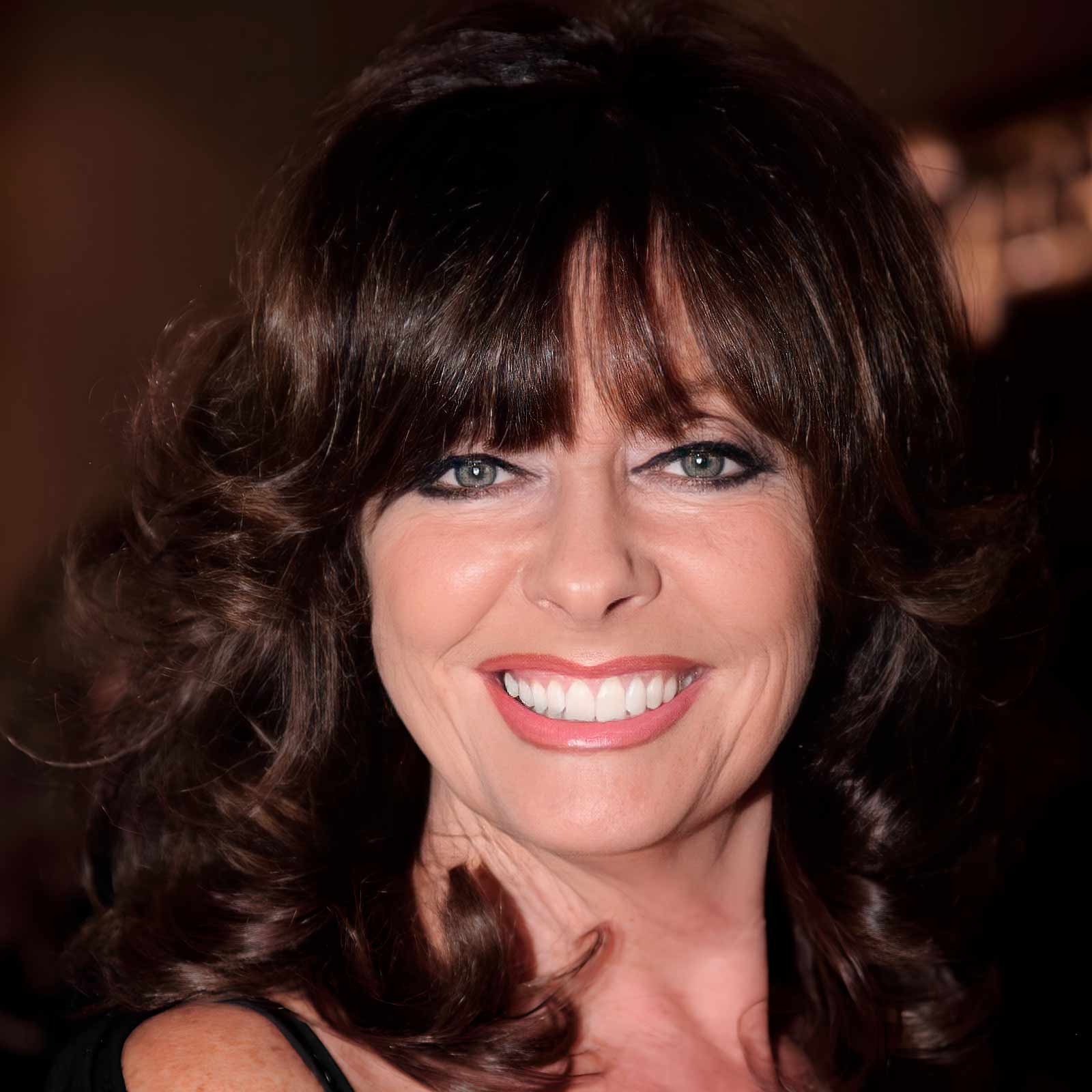
Vicki Michelle Sexy Images in Media: A Retrospective of a British Icon
Vicki Michelle’s media presence is defined by her iconic portrayal of Yvette Carte-Blanche in the BBC sitcom 'Allo 'Allo!. Her "sexy" image in the media stems from a blend of 1980s comedic tropes, professional glamour photography, and...
Vicki Michelle’s media presence is defined by her iconic portrayal of Yvette Carte-Blanche in the BBC sitcom 'Allo 'Allo!. Her "sexy" image in the media stems from a blend of 1980s comedic tropes, professional glamour photography, and an enduring public persona that transitioned from saucy sitcom lead to a respected MBE-awarded philanthropist and stage actress.
Contents
The Cultural Impact of Yvette Carte-Blanche
To understand the prevalence of Vicki Michelle’s "sexy" imagery in media, one must first analyze the cultural juggernaut that was 'Allo 'Allo!. Airing from 1982 to 1992, the show utilized a specific brand of British farce that relied heavily on visual archetypes. As Yvette, the head waitress at Café René, Michelle became the primary romantic foil for the lead character, René Artois.
The media imagery from this era was meticulously crafted. It centered on the "French maid" aesthetic—stockings, corsets, and lace—which was a staple of the show’s costume design. This visual branding was not accidental; it was a calculated move by the BBC to lean into the "saucy" humor that defined 1970s and 80s British comedy. Because the show was exported to dozens of countries, this specific image of Vicki Michelle became an international shorthand for a particular type of sophisticated yet approachable glamour.
In the decades following the show’s conclusion, these images have been preserved as digital artifacts. For media historians, these photographs represent a transition period in television where the "glamour girl" archetype began to merge with stronger, more dialogue-driven female characters. Yvette was not merely a visual prop; she was a driver of the plot, often outsmarting her male counterparts. This duality—visual sex appeal combined with narrative agency—is why her media image has remained relevant well into 2026.
Media Representation in the 1980s and 90s Sitcom Era
During the height of her television career, Vicki Michelle’s "sexy" media image was further bolstered by the tabloid and magazine culture of the time. In the UK, the 1980s were the golden age of the "page three" and "glamour shoot" culture. While Michelle maintained a professional distance from the more explicit end of that spectrum, she frequently appeared in high-end magazine spreads and calendars that celebrated her status as a national heartthrob.
The technical execution of these media images often used soft-focus lighting and theatrical staging. Unlike the high-definition, raw aesthetics of modern celebrity photography, the images of Vicki Michelle from this period were highly stylized. They were designed to evoke a sense of nostalgic romance, often mirroring the post-WWII setting of her most famous show. This aesthetic choice ensured that her image was perceived as "classy" rather than purely provocative, allowing her to maintain a broad appeal across different demographics.
Furthermore, the British press often categorized her alongside other contemporary "vamps" of the era, such as Joanna Lumley or Stephanie Beacham. However, Michelle’s image was distinct because of its comedic grounding. The media frequently used her "sexy" status as a hook for interviews where she would display her sharp wit and down-to-earth personality, a contrast that only served to increase her popularity.
Professional Career and Diverse Media Roles
While the "Yvette" persona dominates her media footprint, Vicki Michelle’s career is significantly more diverse. To characterize her media image solely through the lens of 1980s sitcom glamour is to overlook her extensive work in theatre, film, and radio.
Early Career and Modeling
Before becoming a household name, Vicki Michelle worked as a model and appeared in several high-profile commercials. These early media appearances established her comfort in front of the camera. Her training at the Aida Foster Stage School provided her with the technical discipline required to navigate the demands of both photographic and film media. Early images from this period show a versatile actress capable of shifting from "girl next door" to high-fashion model, a range that served her well as her career progressed.
Transition to Drama and Reality TV
In the 2000s, Michelle made a successful transition to soap operas, most notably appearing in Emmerdale as Patricia Foster. The media imagery from this period shifted away from the "saucy" sitcom aesthetic toward a more contemporary, dramatic look. This shift was essential for her longevity in the industry.
Her appearance on I'm a Celebrity... Get Me Out of Here! in 2014 provided a new set of media images. These were candid, unscripted, and showed her in a rugged, natural environment. This "de-glamming" for reality television was a significant moment in her media history, as it allowed the public to see the person behind the "sexy" archetype. The media coverage during and after her stint in the jungle praised her resilience and maternal nature, adding layers of depth to her public image.
Technical Analysis of Media Imagery and Branding
From a branding perspective, the "sexy" images of Vicki Michelle serve as a masterclass in archetype management. In the digital age, search engines and media archives prioritize her Yvette-era photos because they are visually striking and culturally iconic. However, her team has successfully managed her brand by ensuring that modern searches also surface her charitable work and theatrical achievements.
The persistence of these images in 2026 is partly due to the "nostalgia economy." As streaming services continue to host classic British comedies, a new generation is introduced to the visual language of the 1980s. This creates a recurring demand for high-quality digital versions of her classic publicity stills.
| Era | Primary Media Image | Context/Source | Cultural Impact |
|---|---|---|---|
| 1980s | Yvette Carte-Blanche (French Maid) | 'Allo 'Allo! Publicity Stills | Defined the "saucy" sitcom archetype globally. |
| 1990s | Glamour/Calendar Shoots | Professional Photography | Established her as a premier British "pin-up" with a comedic edge. |
| 2000s | Patricia Foster (Dramatic) | Emmerdale | Shifted brand perception from comedy to dramatic acting. |
| 2010s | Jungle/Reality Participant | I'm a Celebrity... | Humanized the icon; showcased resilience and personality. |
| 2020s-2026 | Distinguished Actress/MBE | Theatre and Charity Events | Focus on legacy, philanthropy, and elder stateswoman status. |
Legacy and Philanthropy: Beyond the Image
One of the most important developments in Vicki Michelle’s media presence occurred in 2010, when she was awarded an MBE (Member of the Order of the British Empire) for her services to charity. Specifically, her work with the Lady Taverners—the fundraising arm of the Lord’s Taverners—has been a cornerstone of her public life for decades.
In 2026, the media imagery surrounding Vicki Michelle is as likely to feature her at a charity gala or a theatrical opening as it is to show a still from 'Allo 'Allo!. This evolution is crucial. The "sexy" image of her youth provided the platform and the public recognition, but her philanthropic work provided the substance that has sustained her career for over 50 years.
Her media presence today is characterized by a "ageless" quality. She is frequently cited in the press as an example of how to age gracefully in the public eye. Articles often focus on her fitness, her fashion choices, and her continued involvement in the arts. By maintaining a high level of visibility and a positive public image, she has ensured that her legacy is not just about a costume she wore in the 80s, but about a lifetime of contribution to British culture.
Frequently Asked Questions
What is Vicki Michelle's most famous role?
Vicki Michelle is most famous for playing Yvette Carte-Blanche in the long-running BBC sitcom 'Allo 'Allo!. Her portrayal of the sultry waitress who was desperately in love with the café owner René Artois made her a household name across the globe and defined much of her early media imagery.
How did her media image evolve after the 1980s?
After the conclusion of 'Allo 'Allo!, Vicki Michelle intentionally diversified her roles to avoid typecasting. She moved into dramatic television with Emmerdale, took on various theatrical roles ranging from pantomime to Shakespeare, and participated in reality television. This shifted her media image from a "sex symbol" to a versatile and respected veteran of the entertainment industry.
Why does Vicki Michelle have an MBE?
Vicki Michelle was awarded an MBE in the 2010 Birthday Honours for her extensive services to charity. She has been a long-time supporter and former President of the Lady Taverners, raising significant funds for disadvantaged and disabled children. Her media presence in recent years often highlights this philanthropic side of her life.
Is Vicki Michelle still active in the media in 2026?
Yes, as of 2026, Vicki Michelle remains a frequent guest on television talk shows, a regular performer in regional and West End theatre, and an active participant in public speaking engagements. She continues to be a sought-after figure for media commentary on the history of British comedy and the evolution of the television industry.
Where can I find official professional images of Vicki Michelle?
Official images of Vicki Michelle are typically managed by her talent agency and can be found in major media archives such as Getty Images, the BBC Photo Archive, and the British Comedy Guide. For fans of her historical work, many publicity stills from her classic television shows are preserved in the National Film and Television Archive.
Practical Recommendation for Fans and Researchers
For those looking to explore Vicki Michelle’s media history, it is recommended to look beyond simple image searches. Investigating her contributions to the British Comedy Guide or her theatrical history provides a much more comprehensive view of her career.
If you are interested in her philanthropic work, the Lord's Taverners official website offers insights into the charitable initiatives she has championed for decades. Understanding the full breadth of her career—from the "sexy" imagery of the 80s to her current status as a pillar of the British entertainment community—offers a richer appreciation of her enduring appeal.
Image Gallery