Understanding WhatsApp Call Service in Saudi Arabia: Usage, Regulations, and Optimization
As of 2026, the WhatsApp call service in Saudi Arabia is generally accessible to residents and visitors, following the landmark decision by the Communications, Space and Technology Commission (CST) to lift the ban on VoIP services. Whi...
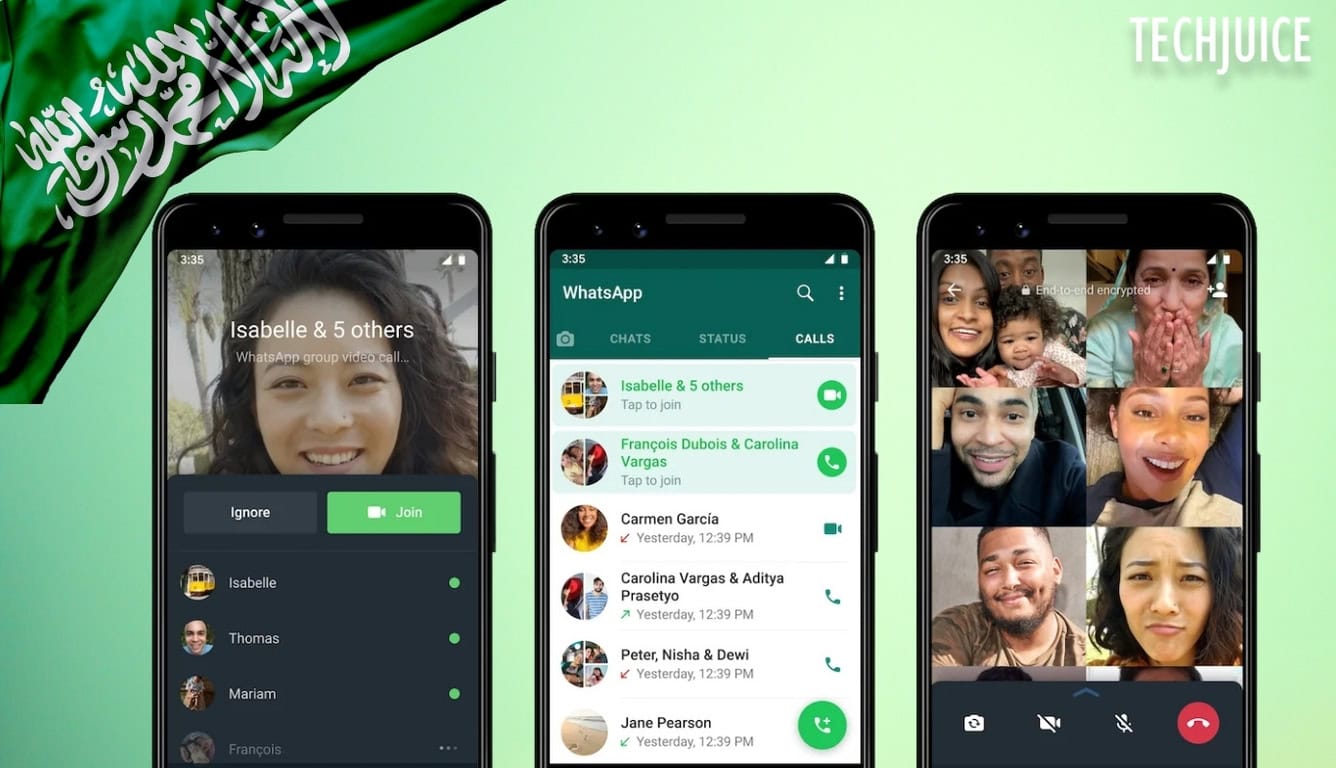
As of 2026, the WhatsApp call service in Saudi Arabia is generally accessible to residents and visitors, following the landmark decision by the Communications, Space and Technology Commission (CST) to lift the ban on VoIP services. While voice and video calls function across most networks, performance can vary based on local ISP configurations and regulatory compliance measures.
Contents
The landscape of digital communication in the Kingdom of Saudi Arabia (KSA) has undergone significant transformation over the last decade. Historically, Voice over Internet Protocol (VoIP) services faced stringent restrictions, but the shift toward a digital-first economy under Vision 2030 has prioritized connectivity. Understanding how to navigate the WhatsApp call service today requires a look at regulatory history, technical requirements, and the practical realities of using the app within the Kingdom's digital infrastructure.
The Regulatory Framework for VoIP in Saudi Arabia
The journey of WhatsApp calling in Saudi Arabia is a reflection of the country's broader digital evolution. For years, the Kingdom maintained a block on encrypted VoIP services, citing regulatory requirements and the need to protect the revenues of local telecommunications providers like STC, Mobily, and Zain.
In September 2017, the Ministry of Communications and Information Technology, alongside the then-CITC (now CST), announced the lifting of the ban on all applications that provide voice and video calling over the internet. The primary objective was to reduce the cost of communication for citizens and residents while fostering an environment conducive to business growth and digital entrepreneurship.
However, the lifting of the ban came with specific conditions. All service providers must comply with Saudi Arabia’s regulatory framework, which includes transparency, data protection, and the ability to meet legal requirements regarding national security. In 2026, while the "ban" is a thing of the past, the CST continues to monitor these platforms to ensure they adhere to the Telecommunications Act and the Personal Data Protection Law (PDPL). This oversight occasionally results in intermittent service quality or specific technical hurdles that users might mistake for a renewed block.
Current Status of WhatsApp Calling in 2026
In the current year, 2026, WhatsApp remains the most popular messaging platform in Saudi Arabia. Voice and video calls are a standard feature for most users. However, the experience is not always uniform. The service's reliability often depends on the type of internet connection and the service provider being used.
Mobile Data vs. Fiber Optic Connections
Users on high-speed fiber optic connections (FTTH) generally report the highest success rates for WhatsApp calls. The low latency and high bandwidth provided by fiber allow for seamless 4G/5G-like clarity in video calls. Conversely, mobile data users—specifically those on 5G networks—may occasionally experience "dropped" calls or difficulty connecting if the network is under heavy load or if local towers are implementing specific traffic-shaping protocols.
ISP Variations
The three major players—STC, Mobily, and Zain—have different network management policies. While none of them officially block WhatsApp calls, some users find that calls connect faster on STC’s network, while others prefer the throughput of Mobily. These variations are often due to the peering agreements between the ISPs and Meta’s (WhatsApp’s parent company) global servers.
Technical Requirements for Reliable WhatsApp Calling
To ensure the best possible experience with the WhatsApp call service in Saudi Arabia, users must meet several technical prerequisites. Because the Kingdom utilizes advanced network filtering, minor configuration errors can lead to the dreaded "Connecting..." screen.
- Application Updates: Ensure you are running the latest version of WhatsApp from the Google Play Store or Apple App Store. Meta frequently updates its signaling protocols to bypass network-level jitter and interference.
- Clock Synchronization: This is a frequently overlooked factor. WhatsApp’s encryption protocols rely on the device’s time being accurately synchronized with global servers. If your phone’s time is off by even a few minutes, calls may fail to initialize.
- Permissions: On both Android and iOS, WhatsApp must have explicit permission to access the Microphone and Camera. In some cases, power-saving modes may disable these permissions in the background, leading to missed call notifications.
- Data Usage Settings: Within WhatsApp settings (Storage and Data), there is an option to "Use less data for calls." In areas with inconsistent 5G coverage in KSA, enabling this can actually improve call stability by reducing the required bit rate.
Comparison of Communication Platforms in Saudi Arabia
While WhatsApp is the market leader, other platforms provide varying levels of service in the Kingdom. The following table compares the most popular VoIP options available in 2026.
| Feature | Botim | Telegram | Zoom / Teams | |
|---|---|---|---|---|
| Call Quality | High (Variable) | Very High | Moderate | Excellent (Business) |
| Regulatory Status | Regulated | Officially Partnered | Regulated | Fully Approved |
| Encryption | End-to-End | End-to-End | Optional/Client-Server | Enterprise-Grade |
| Data Usage | Moderate | High | Low | Very High |
| Accessibility | Built-in to Chat | Often requires subscription | Built-in | Link-based |
Troubleshooting WhatsApp Call Issues in KSA
If you find that WhatsApp calls are not working correctly, it is rarely a result of a government-mandated block in 2026. Instead, it is usually a technical conflict.
Stuck on "Connecting"
If a call stays on the "Connecting" phase, it usually means the signaling packet was sent, but the media stream is being blocked by a local firewall or a NAT (Network Address Translation) issue.
- Action: Toggle your Airplane Mode on and off to refresh your IP address. If you are on Wi-Fi, try switching to mobile data, or vice versa.
- DNS Settings: Sometimes, the default DNS provided by local ISPs can be slow to resolve Meta’s calling servers. Switching your device's DNS settings to Google DNS (8.8.8.8) or Cloudflare (1.1.1.1) can often resolve connection handshake issues.
Audio Lag and Video Freezing
This is typically a bandwidth or latency issue. Saudi Arabia has one of the highest 5G penetration rates in the world, but "indoor" coverage can still be a challenge due to the thick concrete used in local construction.
- Action: If you are indoors, move closer to a window or use a Wi-Fi 6 router to ensure the signal can penetrate internal walls more effectively.
The Role of VPNs
Many users in the past turned to Virtual Private Networks (VPNs) to bypass VoIP blocks. In 2026, this is generally unnecessary for WhatsApp calls and can actually be counterproductive. A VPN adds an extra layer of routing, which increases latency (ping) and can degrade voice quality. Furthermore, the use of VPNs for illegal activities is strictly prohibited under the Saudi Anti-Cybercrime Law. If you must use a VPN for privacy, ensure it is a reputable service that does not violate local regulations.
Legal and Privacy Considerations
Using WhatsApp in Saudi Arabia comes with a responsibility to adhere to local laws. The Kingdom has strict regulations regarding digital content and privacy.
The Anti-Cybercrime Law
Users should be aware that recording WhatsApp calls without the other party's consent is a violation of the Anti-Cybercrime Law. This can lead to heavy fines and potential imprisonment. The law is designed to protect the privacy of individuals, and it is enforced rigorously.
Data Privacy (PDPL)
The Personal Data Protection Law (PDPL) governs how personal data is handled within the Kingdom. While WhatsApp provides end-to-end encryption (meaning Meta cannot read your messages or hear your calls), users should still be cautious about sharing sensitive personal or financial information over any VoIP service. Official government transactions should always be conducted through verified platforms like Absher or Tawakkalna.
WhatsApp Business in the KSA Market
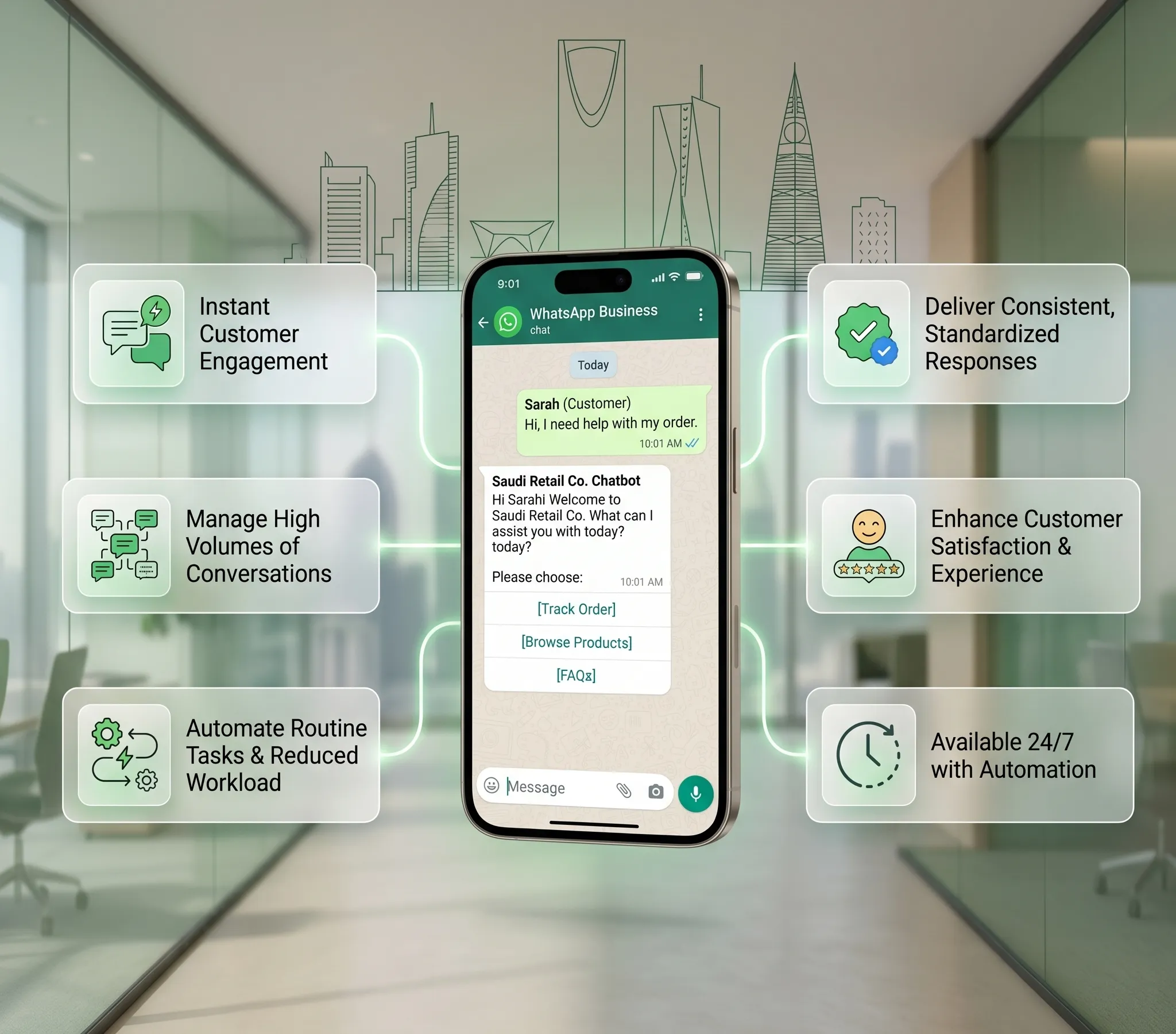
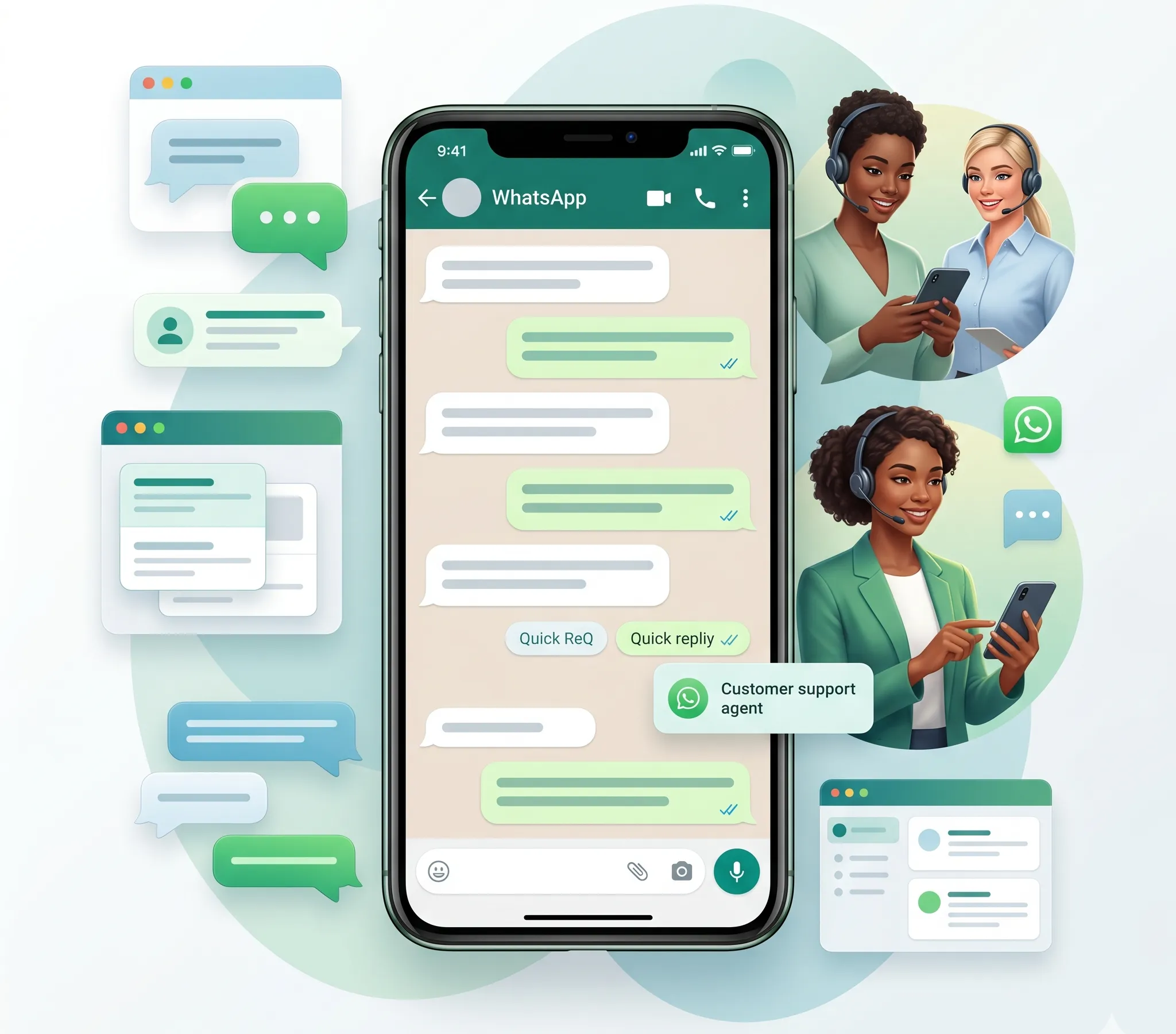
For businesses operating in Saudi Arabia, the WhatsApp call service is an essential tool for customer engagement. In 2026, many small to medium enterprises (SMEs) use WhatsApp Business to provide support.
However, businesses are encouraged to use the official WhatsApp Business API rather than the standard app. The API provides a more stable connection and integrates with local CRM systems, ensuring that customer interactions remain compliant with CST regulations. It also allows for "Official Business Account" (green badge) verification, which builds trust with Saudi consumers who are increasingly wary of phishing and spam.
Enhancing Your Connection for International Calls
Many residents in Saudi Arabia use WhatsApp to call family and friends abroad. To ensure the best quality for international calls:
- Peak Hours: Avoid making high-definition video calls during peak evening hours (7:00 PM to 10:00 PM) when local network congestion is at its highest.
- Router Optimization: If using Wi-Fi, ensure your router's firmware is updated. Modern routers in KSA often have "Quality of Service" (QoS) settings where you can prioritize VoIP traffic over other data types like gaming or streaming.
FAQ
Are WhatsApp calls free in Saudi Arabia? WhatsApp calls do not incur per-minute charges from your telecom provider like traditional cellular calls. However, they do consume data. If you are on a limited mobile data plan, video calls can quickly exhaust your allowance. Using a Wi-Fi connection is the most cost-effective way to use the service.
Why do my WhatsApp calls work on Wi-Fi but not on mobile data? This is often due to "Data Saving" settings on your phone or specific "APN" (Access Point Name) settings on your mobile network. Check if your mobile plan has a "social media" bundle that might restrict VoIP traffic, or ensure that "Background Data" is enabled for WhatsApp in your phone's app settings.
Is it legal to use a VPN to improve WhatsApp call quality? Using a VPN is a complex legal area in KSA. While using a VPN itself is not explicitly a crime, using one to access blocked content or bypass state-mandated regulations can be. Since WhatsApp calling is officially allowed, using a VPN is generally unnecessary and may even lead to your account being flagged for suspicious activity.
Does the Saudi government monitor WhatsApp calls? WhatsApp uses end-to-end encryption, which means the content of the call is encrypted from the sender to the receiver. Neither Meta nor the Saudi government can intercept and "listen" to the content of the call. However, metadata (who you called and for how long) may be subject to local legal requirements under the Telecommunications Act.
What is the best alternative if WhatsApp calls are lagging? If you experience persistent issues, Botim is the most widely recognized "official" alternative in the region, often pre-configured to work seamlessly with local ISP infrastructures. For business purposes, Microsoft Teams and Zoom are the gold standards for reliability within the Kingdom.
Final Recommendation
To get the most out of the WhatsApp call service in Saudi Arabia in 2026, users should prioritize using a stable Wi-Fi connection and keeping the application updated. While the service is fully legal and widely available, the key to a high-quality experience lies in understanding the local network environment. If you encounter connectivity issues, focus on technical troubleshooting—such as updating DNS settings or checking app permissions—rather than seeking workarounds. For those conducting business, migrating to the official WhatsApp Business API is the best path to ensure reliability and regulatory compliance.
Image Gallery