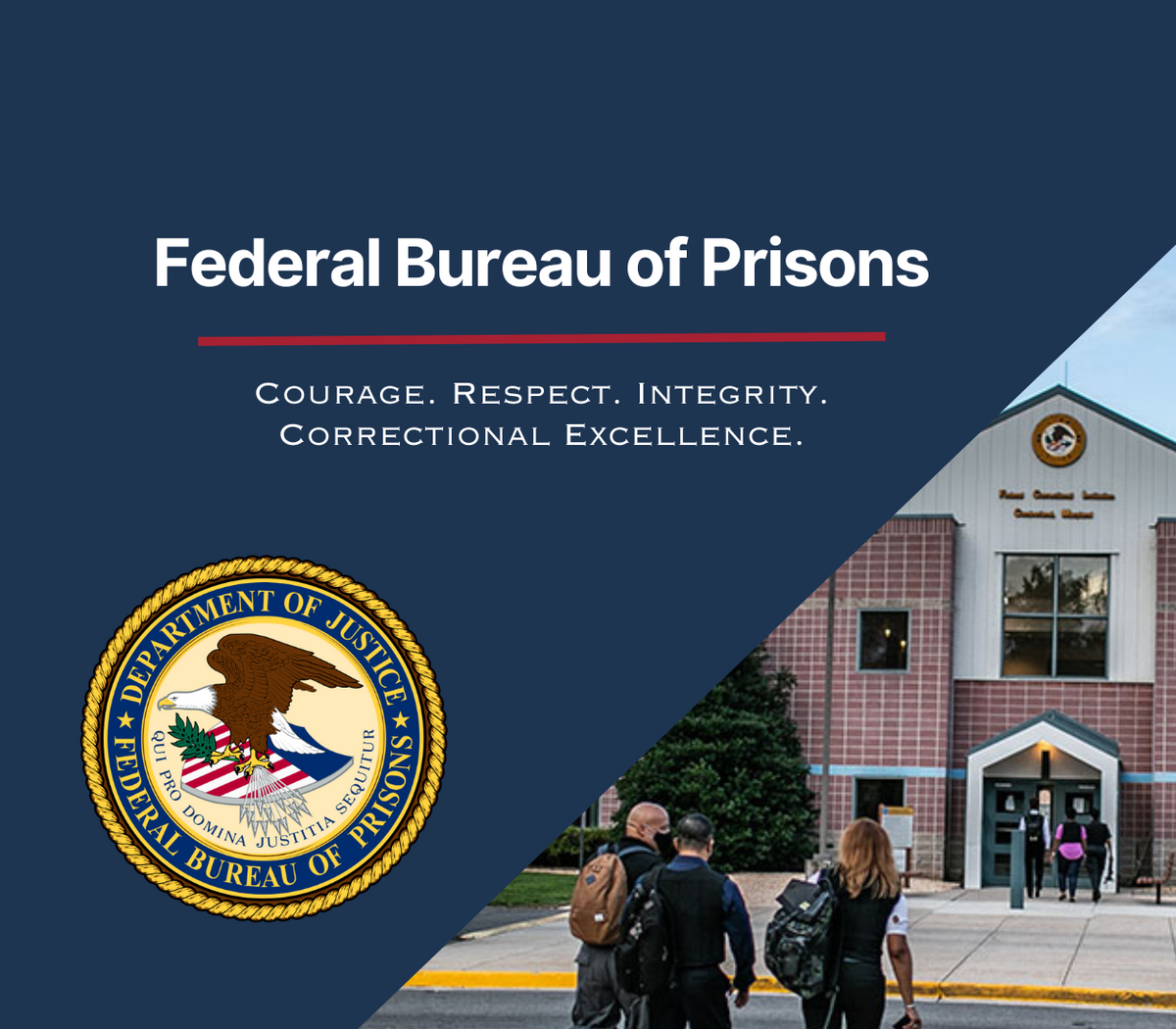
Federal BOP Uniforms: Standards, Procurement, and Regulations
Federal Bureau of Prisons (BOP) uniforms encompass the specialized attire required for correctional staff, administrative personnel, and incarcerated individuals across federal correctional facilities. These garments must comply with s...
Federal Bureau of Prisons (BOP) uniforms encompass the specialized attire required for correctional staff, administrative personnel, and incarcerated individuals across federal correctional facilities. These garments must comply with strict federal procurement guidelines, operational safety protocols, and distinct visual identification requirements to maintain security, order, and institutional integrity within the federal prison system.
Contents
The Federal Bureau of Prisons operates under the United States Department of Justice, managing over 120 institutions nationwide. Because operational safety relies heavily on clear visual distinctions and durable materials, the agency enforces strict protocols regarding who wears what, how items are procured, and what specifications manufacturing partners must meet. Understanding these requirements is essential for staff members acquiring their authorized duty gear, institutional buyers managing facility logistics, and researchers examining federal correctional standards.
Overview of the Federal Bureau of Prisons Uniform System
The BOP uniform ecosystem is strictly bifurcated into two primary categories: staff uniforms worn by correctional officers, medical professionals, and administrative personnel, and inmate clothing issued to individuals serving sentences within federal custody. Each category serves a distinct operational purpose, ranging from authority establishment and tactical utility to institutional security and population management.
For staff, the uniform functions as a tool of authority, identification, and functional utility. Correctional officers require garments capable of withstanding physical stress, weather extremes, and operational demands while carrying duty equipment. Conversely, inmate clothing is designed for uniformity, durability, and immediate identification. Incarcerated individuals wear standardized apparel that minimizes contraband concealment opportunities and prevents easy civilian camouflage should an escape occur.
The management of these textiles involves a combination of central procurement through UNICOR (Federal Prison Industries) and authorized commercial vendors. UNICOR frequently manufactures various textile goods, leveraging inmate labor to produce goods used within the federal government while simultaneously providing vocational training.
Staff Uniform Specifications and Requirements
Federal BOP staff uniforms vary depending on the specific operational role, department, and climate of the institution. Correctional officers (COs) and staff members who interact directly with the inmate population adhere to a standardized dress code that projects professionalism and readiness.
Correctional Officer Attire
The standard uniform for a federal correctional officer typically includes:
- Shirts: Khaki or silver-tan button-down shirts, depending on rank and assignment, featuring designated shoulder epaulets for rank insignia, institutional patches, and badge holders.
- Trousers: Forest green or dark green trousers, often reinforced at stress points and designed to accommodate duty belts.
- Footwear: High-top black tactical boots or polished leather shoes that meet safety standards for slip resistance and ankle support.
- Outerwear: Weather-appropriate jackets, windbreakers, or heavy-duty coats in matching color schemes, emblazoned with BOP identifiers and reflective lettering for night or perimeter watch duties.
Specialized Units
Staff assigned to specialized tactical teams, such as the Special Operations Response Team (SORT) or Disturbance Control Teams (DCT), utilize specialized tactical gear. These uniforms deviate from the standard administrative dress, incorporating rugged camouflage patterns, load-bearing vests, helmets, and certified ballistic protection plates. These items are strictly regulated and issued through institutional armories rather than standard staff uniform allowances.
Inmate Clothing Standards and Issue Protocols
Incarcerated individuals within the federal system are issued a standardized wardrobe upon intake. The goal of inmate clothing is to ensure equity, maintain high visibility, and prevent the introduction of unauthorized items.
The standard federal inmate issue typically includes:
- Khaki or Tan Jumpsuits/Two-Piece Sets: Most federal institutions utilize khaki or tan shirts and trousers for general population inmates. High-security facilities, such as United States Penitentiaries (USPs) or Administrative Maximum (ADX) facilities, may utilize distinct color coding (such as orange or bright red) to denote custody levels, administrative segregation, or special management status.
- Undergarments: White cotton undershirts, boxer shorts or briefs, and socks.
- Footwear: Standard-issue canvas slip-on shoes or lace-up athletic shoes approved by the institution.
- Outerwear: Heavy coats, thermal underwear, and winter caps issued during colder months, strictly regulated by regional climate needs.
Institutional laundries manage the cleaning, repair, and replacement of inmate textiles on a scheduled rotation. Inmates are prohibited from altering their clothing, and unauthorized modifications are treated as a disciplinary infraction under BOP policy.
Procurement, UNICOR, and Approved Vendors
The acquisition of federal BOP uniforms is governed by strict federal acquisition regulations (FAR). Equipment and textiles must meet rigorous Berry Amendment compliance standards where applicable, ensuring that fabrics and components are domestically sourced and manufactured when mandated by federal statute.
UNICOR's Role in Federal Manufacturing
Federal Prison Industries (operating as UNICOR) plays a vital role in supplying textiles to federal agencies, including the BOP. UNICOR factories located within various federal correctional facilities employ inmates to manufacture clothing items, bedding, and ballistic protection equipment. This dual-purpose system provides meaningful employment and skill development for the incarcerated population while supplying cost-effective, compliant gear to federal entities.
Commercial Vendors and Staff Allowances
While UNICOR supplies many institutional goods, individual staff members often purchase personal uniform components through authorized commercial suppliers. The BOP provides eligible staff with an annual uniform allowance to offset the cost of maintaining, replacing, and dry-cleaning required duty apparel. Staff must purchase items that strictly conform to official BOP Program Statements regarding fabric weight, color shades, and insignia placement.
Comparison of Staff vs. Inmate Federal Apparel
To understand the operational contrast within federal facilities, the following table compares key characteristics of staff uniforms and inmate clothing.
| Feature | Federal BOP Staff Uniforms | Federal Inmate Clothing |
|---|---|---|
| Primary Purpose | Authority, identification, safety, and tactical utility | Identification, security, uniformity, and hazard reduction |
| Standard Colors | Khaki/silver-tan shirts, forest green trousers | Khaki, tan, or orange/red (depending on security level) |
| Procurement Source | Authorized commercial vendors and uniform allowances | UNICOR, central warehouse distribution, and institutional issue |
| Personalization | Name tags, rank insignia, badges, and institutional patches | Inmate registration number stenciled on garments |
| Maintenance | Staff responsibility, often aided by uniform allowances | Institutional central laundry and exchange system |
Frequently Asked Questions
What colors are standard for federal correctional officer uniforms?
Standard federal correctional officer uniforms typically feature khaki or silver-tan shirts paired with dark forest green trousers. Specialized units wear tactical gear suited to their operational mandates, while administrative personnel may wear standard business attire or modified institutional shirts depending on their daily contact with inmates.
Are federal inmates allowed to wear civilian clothing?
No. Incarcerated individuals in federal custody are strictly required to wear issued institutional clothing. Civilian clothing is prohibited to maintain security, prevent unauthorized escapes, and eliminate visual distinctions based on personal wealth or socioeconomic status among the inmate population.
How do BOP staff acquire their uniforms?
Staff members purchase authorized uniform components through approved commercial vendors using a combination of personal funds and official government uniform allowances provided by the agency. All purchased items must strictly comply with BOP dress code standards and policy guidelines.
What is the role of UNICOR in federal BOP clothing supply?
UNICOR (Federal Prison Industries) manufactures various textiles, safety apparel, and institutional goods utilizing inmate labor within federal facilities. This provides essential goods for government operations while fulfilling rehabilitative and vocational training goals for the incarcerated population.
Can federal inmates modify their issued clothing?
Modifying, tailoring, or altering issued clothing is strictly prohibited by BOP regulations. Unauthorized alterations, such as tapering trouser legs, removing stenciled identification numbers, or dyeing fabrics, are treated as institutional rule violations and result in disciplinary action.
Conclusion and Next Actions
Navigating the standards and procurement rules for federal BOP uniforms requires strict adherence to Department of Justice guidelines and agency Program Statements. For staff members, verifying vendor authorization before purchasing duty gear ensures compliance with dress codes. For logistics personnel, coordinating with UNICOR and approved federal contractors guarantees that institutional inventories meet safety and durability requirements. Review current BOP policy manuals and procurement portals for the most up-to-date regional guidelines and authorized vendor listings.
Image Gallery