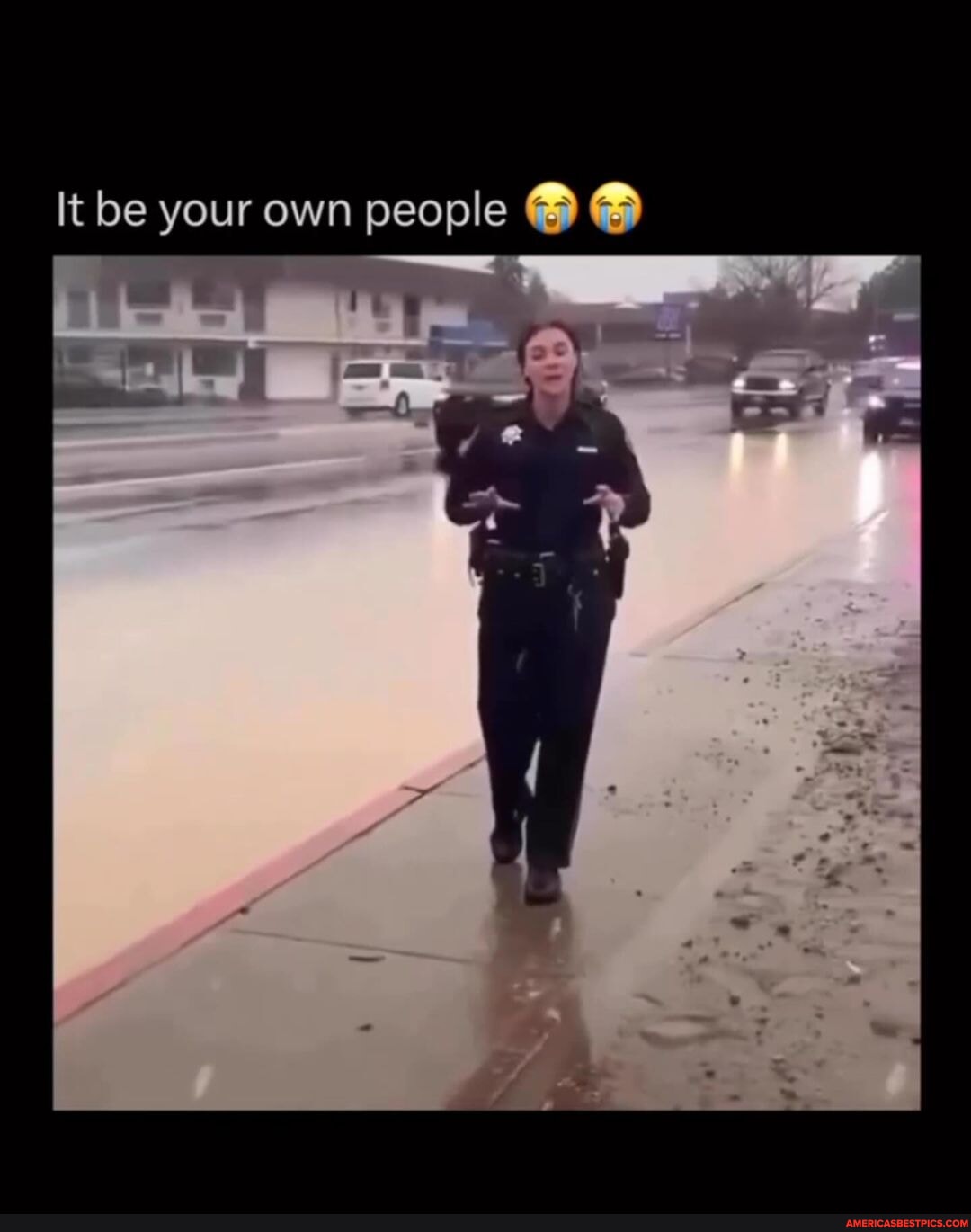
The Evolution of the Female Cops Meme in 2026: Cultural Impact and Digital Media Analysis
The intersection of law enforcement and internet culture has yielded countless viral phenomena, with the female cops meme emerging as a distinct digital touchstone by 2026. This phenomenon encompasses a wide spectrum of digital content...
The intersection of law enforcement and internet culture has yielded countless viral phenomena, with the female cops meme emerging as a distinct digital touchstone by 2026. This phenomenon encompasses a wide spectrum of digital content, ranging from user-generated TikTok trends and cinematic breakdowns to satirical commentary on operational protocols and gender dynamics within the modern police force. As social media platforms mature, the way audiences perceive, share, and weaponize or celebrate female law enforcement imagery has shifted from simplistic caricature toward complex cultural discourse. Understanding the mechanics of these memes requires an examination of digital sociology, platform algorithms, and the real-world implications of public perception regarding gender representation in uniform.
Contents
Digital Genesis and Platform Evolution of Law Enforcement Humor
Internet culture has long maintained a fascination with authority figures, and law enforcement personnel occupy a unique space in digital folklore. In the mid-2010s, content featuring female officers was often confined to isolated viral clips highlighting individual encounters, arrests, or humorous mishaps. By 2026, the meme landscape has evolved into a sophisticated ecosystem driven by short-form video platforms, meme generation tools, and algorithmic distribution models that favor hyper-specific subcultures.
Content creators now leverage trending audio tracks, POV (Point of View) formats, and cinematic editing styles to frame female officers in various scenarios. These range from exaggerated depictions of strict administrative enforcement to lighthearted portrayals of community policing. The shift from static image macros to dynamic video memes has accelerated the circulation of these tropes, making them a staple of Gen Z and Alpha digital communication.
Platform Dynamics Short-form video ecosystems prioritize high-retention editing, often condensing complex interpersonal interactions into three-second hooks that dictate whether a piece of content achieves viral velocity.
Sociological Drivers Behind the Female Cops Meme Phenomenon
The persistence and proliferation of the female cops meme point to deeper societal negotiations surrounding gender roles, state authority, and public accountability. Law enforcement remains a traditionally male-dominated profession, though recruitment initiatives aimed at increasing female representation to target thresholds (such as the 30 by 30 initiative) have altered department demographics significantly.
Digital communities process these structural shifts through humor, irony, and hyperbole. Several distinct sociological factors drive the creation and sharing of this content:
- Subversion of Expectations: Memes frequently play on the cognitive dissonance between traditional feminine stereotypes and the authoritative, physically demanding nature of police work.
- Aestheticized Uniformity: The tactical gear, uniforms, and professional settings create a distinct visual contrast that creators manipulate for comedic or aesthetic value.
- Media Literacy and Critique: A subset of these memes serves as satirical commentary on institutional transparency, police-public relations, and the dramatization of law enforcement in media.
- Relatability and Humanization: Positive iterations often highlight everyday multitasking, de-escalation skills, and the unique challenges faced by women navigating high-stress public safety environments.
Comparative Analysis of Digital Tropes: Satire vs. Celebration
To understand the varied manifestations of this meme category, it is essential to analyze the dichotomy between content that trivializes or objectifies female officers and content that empowers or normalizes their professional presence. The table below outlines the core characteristics, primary platforms, and cultural impacts of the primary thematic streams.
| Meme Category | Primary Characteristics | Dominant Platforms | Cultural Impact & Reception |
|---|---|---|---|
| Action Satire / POV | Exaggerated scenarios of minor infractions handled with maximum dramatic flair. | TikTok, Instagram Reels | Highly viral; often parodies cinematic tropes rather than real officers. |
| Aesthetic / Uniform Focus | High-production-value edits focusing on gear, fitness, and professional appearance. | TikTok, YouTube Shorts | Divisive; praised for visibility, criticized for potential self-aggrandizement. |
| Community Policing Humor | Relatable workplace moments, interactions with the public, and behind-the-scenes realism. | X (formerly Twitter), Facebook | Generally well-received; humanizes law enforcement personnel. |
| Institutional Critique | Memes highlighting administrative hurdles, double standards, or procedural bureaucracy. | Reddit, Imgur, Specialized Forums | Niche appeal; focuses on structural realities within departments. |
Technical and Operational Realities Behind the Screen
While internet memes operate in a realm of abstraction and humor, they intersect directly with the actual operational standards of modern law enforcement agencies in 2026. Departments across North America and Europe maintain strict social media policies that govern how officers—male and female alike—can interact with digital platforms while in uniform.
- Policy Compliance: Most municipal police departments enforce strict prohibitions against posting content in uniform that compromises officer safety, reveals tactical information, or violates department branding guidelines.
- Recruitment Tools: Conversely, progressive public affairs offices utilize optimized digital content, sometimes leaning into meme culture responsibly, to boost recruitment pipelines among younger demographics.
- Algorithmic Exposure: Officers who maintain public profiles often find themselves subject to algorithmic amplification, where a single viral post can thrust them into the center of national discourse overnight.
Navigating the Pros and Cons of Virality in Public Safety
The intersection of law enforcement professionals and viral meme culture presents a complex array of benefits and hazards for both individual officers and the agencies they represent.
- The Advantages:
- Enhanced community engagement and approachability for younger demographics.
- Humanization of the badge, breaking down rigid institutional barriers.
- Powerful recruitment catalyst when executed with professionalism and authenticity.
- The Disadvantages:
- Risk of compromising operational security through geotagging or revealing internal protocols.
- Potential trivialization of serious public safety duties in pursuit of viral clout.
- Vulnerability to targeted harassment, misinterpretation, and algorithmic distortion by bad actors.
Frequently Asked Questions
What is the origin of the female cops meme?
The phenomenon does not stem from a single origin point but rather evolved organically from general law enforcement humor and viral video clips into a distinct subgenre on platforms like TikTok and Instagram. It gained traction as more officers joined social media and public interest in the daily realities of policing grew.
Are police officers allowed to participate in these viral trends?
Most law enforcement agencies enforce strict social media policies that prohibit officers from filming content while on duty, wearing unauthorized uniform modifications, or compromising tactical security. While casual participation in positive trends occurs, policy violations frequently lead to disciplinary action.
How do these memes impact public perception of female law enforcement officers?
The impact is mixed; while some memes humanize officers and showcase community engagement, others rely on tired tropes or objectification. However, they generally reflect broader societal conversations about gender representation in traditionally male-dominated fields.
Why do short-form video algorithms favor this specific content category?
Platforms favor content that generates high engagement, comments, and shares. The combination of uniform aesthetics, authority figures, and unexpected comedic or dramatic twists creates high viewer retention, pushing these videos to wider audiences.
Can departments use these trends for official recruitment?
Yes, many modern public affairs divisions study digital culture trends to craft effective, relatable recruitment campaigns that appeal to digital-native generations while maintaining professional standards.
Is the female cops meme considered offensive or empowering?
Interpretation depends entirely on the specific context of the content. Some iterations are celebrated for highlighting capable professionals breaking barriers, while others are criticized for perpetuating outdated stereotypes or prioritizing social media clout over public safety duties.
Strategic Digital Management for Public Safety Professionals
For individuals and agencies navigating the modern digital landscape, establishing clear boundaries between personal expression and professional obligation remains paramount. Creators and officers must recognize that internet culture operates with rapid velocity and unforgiving permanence. Maintaining institutional integrity while engaging with contemporary digital trends requires media literacy, strict adherence to department operational protocols, and an awareness of how algorithmic distribution shapes public perception. By understanding the underlying mechanics of viral phenomena, stakeholders can better anticipate cultural shifts and manage digital identity in an increasingly interconnected world.
Image Gallery