Navigating Manufacturing Solutions of MN in the Supply Chain
Minnesota stands as a prominent Midwestern hub for industrial production, medical device fabrication, and agricultural processing, relying heavily on localized manufacturing solutions within the broader supply chain to maintain operati...
Minnesota stands as a prominent Midwestern hub for industrial production, medical device fabrication, and agricultural processing, relying heavily on localized manufacturing solutions within the broader supply chain to maintain operational resilience. For procurement officers, supply chain managers, and industrial engineers, understanding these localized capabilities means leveraging regional fabrication, contract assembly, and precision machining to mitigate global logistics vulnerabilities, reduce lead times, and enhance overall inventory control.
Contents
The Role of Minnesota Manufacturing in Modern Supply Chains
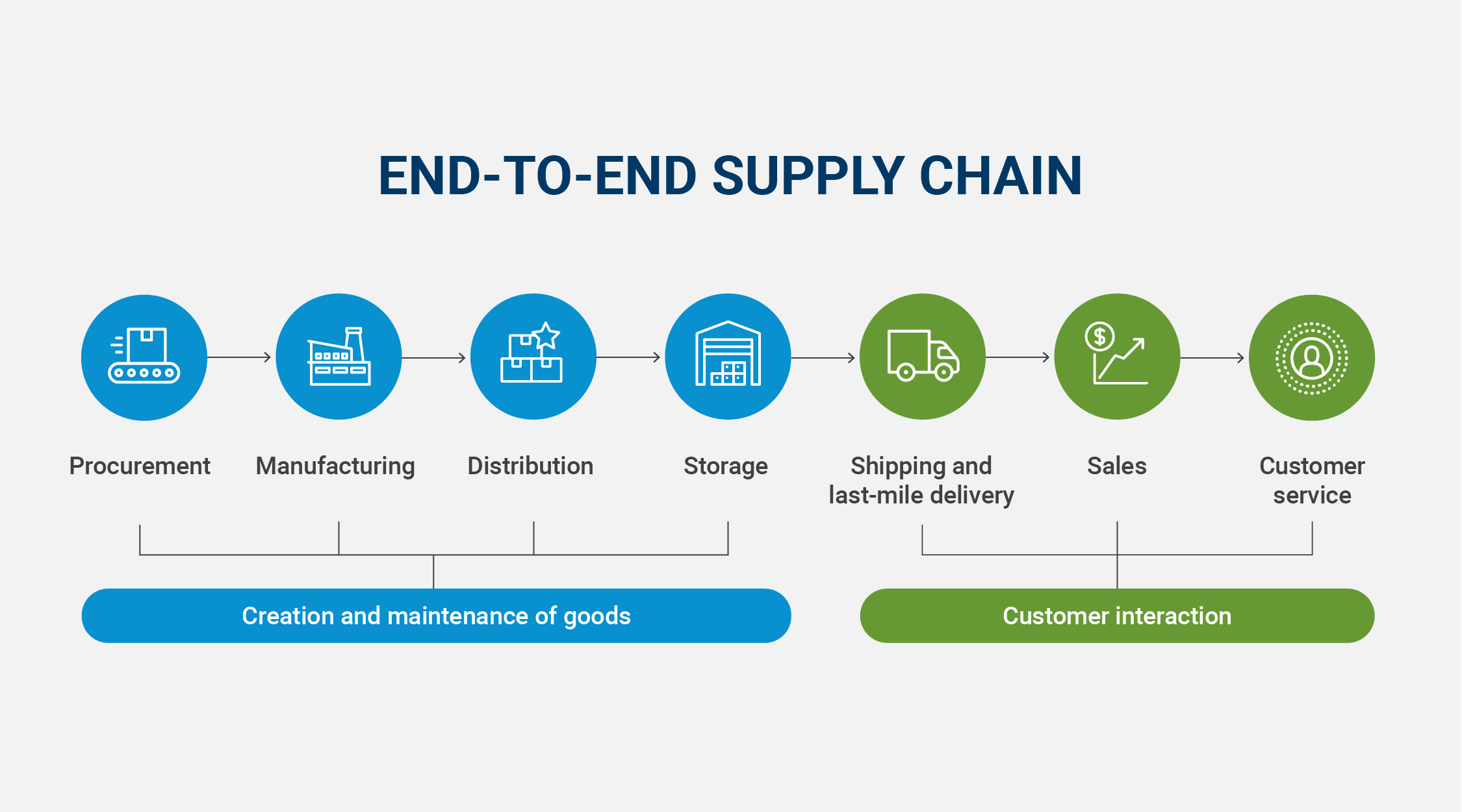
Minnesota boasts a diverse industrial ecosystem characterized by a dense concentration of original equipment manufacturers (OEMs), Tier 1 suppliers, and specialized job shops. This regional infrastructure provides critical capacity for industries ranging from aerospace and defense to food processing and clean tech. By integrating localized production assets into broader enterprise resource planning (ERP) systems, organizations can bridge the gap between long-range international procurement and immediate, high-precision fabrication needs.
In practice, regional production networks serve as a buffer against international freight disruptions, port congestion, and geopolitical trade shifts. When supply chain volatility threatens line-stoppages, regional job shops and contract manufacturers can pivot quickly to supply localized machining, stamping, and assembly services. This proximity allows for tighter collaboration, shorter feedback loops during prototyping phases, and significantly reduced transit carbon footprints. Furthermore, the collaborative culture fostered by state initiatives such as the Enterprise Minnesota manufacturing network helps smaller contract shops adopt advanced technologies, ensuring consistent quality standards across the supply chain.
Core Capabilities Offered by Minnesota Industrial Providers
The strength of the state's industrial sector lies in its diversification. Rather than depending on a single vertical, regional providers offer an array of specialized capabilities that fit seamlessly into complex multi-tier supply chains.
Precision Machining and Custom Fabrication
Contract machining houses across the Twin Cities metropolitan area and Greater Minnesota utilize multi-axis CNC milling, turning, and wire EDM to produce tight-tolerance components. These providers handle low-volume prototypes and high-volume production runs alike, working with exotic alloys, medical-grade stainless steels, and engineered plastics. Their integration into supply chains ensures that OEMs can source critical mechanical assemblies locally without maintaining excessive safety stocks.
Medical Device Contract Manufacturing
As a globally recognized capital for medical technology, Minnesota hosts numerous contract manufacturers specializing in cleanroom assembly, sterilization management, and FDA-compliant quality systems (such as ISO 13485). These facilities support global healthcare supply chains by delivering turnkey medical components, diagnostic cartridges, and surgical instrumentation under strict regulatory oversight.
Electronics Assembly and Printed Circuit Boards (PCBs)
Regional electronics manufacturers provide surface-mount technology (SMT) assembly, through-hole soldering, and rigorous functional testing. By keeping electronics manufacturing close to home, companies reduce lead times for custom control boards used in industrial automation, agricultural machinery, and commercial HVAC systems.
Strategic Advantages of Regional Sourcing
Integrating regional production capabilities into a broader logistics framework yields tangible operational benefits. Organizations that shift a portion of their procurement from overseas suppliers to regional partners often experience measurable improvements in cash flow and inventory turnover.
- Reduced Transit Times: Moving freight over hundreds of miles rather than thousands cuts weeks of lead time down to days, allowing for more responsive just-in-time (JIT) or synchronized production schedules.
- Enhanced Quality Control: Proximity enables engineering teams to conduct unannounced on-site quality audits, review first-article inspections in person, and resolve non-conformance issues rapidly.
- IP Protection: Sourcing domestically provides stronger legal frameworks and IP enforcement mechanisms, safeguarding proprietary designs and specialized tooling from intellectual property theft.
- Agile Communication: Operating within the same time zones eliminates communication barriers and accelerates engineering change orders (ECOs) during active production runs.
Key Considerations and Potential Challenges
While regional sourcing offers substantial operational benefits, supply chain leaders must evaluate potential constraints before shifting volume to regional suppliers. Capacity constraints remain a primary hurdle; many specialized job shops operate at high utilization rates and may require long-term capacity agreements to guarantee dedicated bandwidth.
Additionally, wage pressures and labor shortages within the Upper Midwest manufacturing sector can impact pricing and delivery timelines. Organizations must conduct thorough total cost of ownership (TCO) analyses. While regional components may carry a higher per-unit price compared to offshore alternatives, factors such as lower shipping costs, reduced safety stock requirements, minimized risk of disruption, and lower carrying costs frequently balance the equation.
Comparative Overview of Sourcing Strategies
To understand where regional solutions fit within a comprehensive procurement strategy, the table below compares regional industrial sourcing against domestic non-local and international procurement models across several operational dimensions.
| Evaluation Metric | Regional Industrial Sourcing | Domestic Non-Local Sourcing | International Procurement |
|---|---|---|---|
| Average Lead Time | 3 to 14 days | 2 to 4 weeks | 6 to 16 weeks |
| Logistics Complexity | Low (Regional freight or courier) | Moderate (Domestic trucking/rail) | High (Ocean freight, customs, tariffs) |
| Minimum Order Quantities (MOQs) | Highly flexible; accommodates small runs | Moderate flexibility | Typically high volume required |
| Collaboration & Oversight | High (In-person audits and meetings) | Moderate (Virtual communication) | Low (Significant time zone and distance barriers) |
| Unit Cost | Moderate to High | Moderate | Low |
| Supply Chain Risk | Low to Moderate | Moderate | High (Subject to geopolitical and trade shifts) |
Frequently Asked Questions
How do I find verified regional suppliers for specialized components?
Organizations can leverage directories provided by industry associations such as Enterprise Minnesota, the National Association of Manufacturers (NAM), and state-specific economic development portals. These databases allow users to filter suppliers by certifications (e.g., ISO 9001, AS9100, ISO 13485), capabilities, and equipment lists.
What quality certifications should I require from regional contract manufacturers?
Required certifications depend heavily on your industry. For general manufacturing, ISO 9001 is the baseline standard. Aerospace applications require AS9100, medical device production mandates ISO 13485, and automotive components require IATF 16949 compliance. Always request current certificate copies and review recent audit summaries.
Can regional production partners help with prototyping and DFM?
Yes. Many regional job shops employ experienced manufacturing engineers who specialize in Design for Manufacturability (DFM) analysis. Involving these suppliers during the early prototyping phase helps optimize part geometries, select appropriate materials, and eliminate costly manufacturing bottlenecks before scaling to full production.
How do regional freight logistics operate within this network?
Most regional facilities rely on established regional trucking fleets, expedited courier services, and dedicated freight carriers operating throughout the Upper Midwest. This infrastructure supports reliable scheduled deliveries and emergency hot-shot shipping when unexpected production demands arise.
What is the best approach to transitioning a part from offshore to regional manufacturing?
Begin with a comprehensive risk and cost analysis that accounts for all hidden expenses of overseas shipping, including tariffs, safety stock holding costs, and logistics management overhead. Issue a clearly defined Request for Quote (RFQ) detailing tolerances, material specifications, and projected annual volumes to qualified regional vendors, followed by a thorough first-article inspection (FAI) before authorizing full-scale production runs.
Next Steps for Supply Chain Optimization
To successfully integrate regional industrial capabilities into your network, begin by auditing your current bill of materials (BOM) to identify high-risk components, long-lead items, and parts vulnerable to overseas logistics bottlenecks. Issue targeted RFQs to qualified regional suppliers, prioritizing those with established quality management systems and relevant industry certifications. By establishing balanced dual-sourcing strategies that combine the cost-efficiency of global suppliers with the agility of regional partners, organizations can build robust, adaptive supply chains capable of weathering future market uncertainties.
Image Gallery