Why the Claim That Organic Food Is a Hoax Matters
The assertion that organic food is a marketing hoax matters because it influences consumer purchasing behavior, public health priorities, agricultural investments, and regulatory standards governing environmental protection and food la...
The assertion that organic food is a marketing hoax matters because it influences consumer purchasing behavior, public health priorities, agricultural investments, and regulatory standards governing environmental protection and food labeling.
Contents
Introduction: Deconstructing the Organic Food "Hoax" Narrative
Discussions surrounding the authenticity of organic agriculture often polarize public opinion. Critics frequently label organic food a sophisticated marketing hoax designed to extract premium prices from health-conscious consumers under the guise of superior nutrition and safety. Conversely, proponents argue that organic farming systems deliver genuine ecological and dietary benefits that conventional agriculture overlooks.
Understanding why this debate matters requires moving past simple dichotomies. The claim that organic food is a hoax is not merely a debate over whether an apple has slightly more vitamin C. It is a proxy war over how society values ecological health, chemical regulation, corporate agriculture, and scientific consensus. Examining this controversy exposes the complexities of food labeling, the limitations of nutritional science, and the economic forces driving modern agricultural systems.
The Core Arguments Behind the "Hoax" Claim
Skeptics who characterize the organic industry as a hoax generally rely on three foundational pillars: nutritional equivalence, pesticide residue realities, and the profit-driven nature of marketing.
Nutritional Equivalence and Scientific Consensus
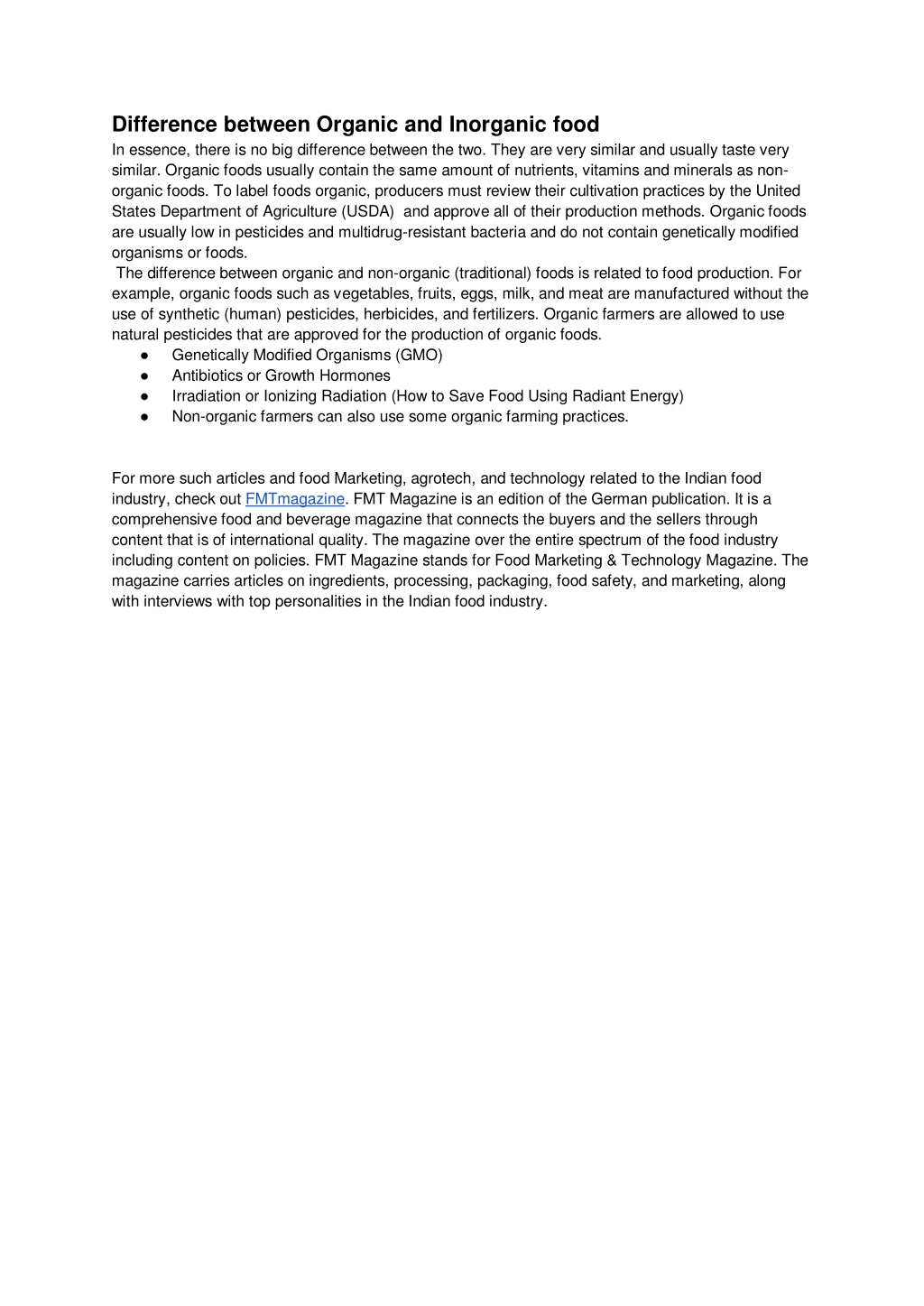
A central argument used by critics is that major scientific reviews—such as the landmark Stanford University meta-analysis published in 2012—have found little significant difference in the vitamin and nutrient content of organic versus conventional foods. While organic crops occasionally show higher levels of certain antioxidants, researchers note that these variations rarely translate into measurable health outcomes for consumers.
From a biochemical standpoint, a plant absorbs nitrogen, phosphorus, and potassium regardless of whether those nutrients originate from synthetic fertilizers or composted manure. Skeptics argue that charging a 20% to 100% price premium for nutritional profiles that are fundamentally equivalent exploits consumer misperceptions.
The Myth of Pesticide-Free Produce
Another common misunderstanding that fuels the hoax narrative is the assumption that organic food is entirely free of pesticides. In reality, certified organic farmers utilize a distinct suite of crop protection tools, often derived from natural sources, such as copper sulfate, spinosad, and Bacillus thuringiensis.
While these substances are approved for organic standards, critics emphasize that "natural" does not automatically equate to non-toxic or environmentally benign. Furthermore, routine testing by agricultural departments frequently detects trace residues of synthetic pesticides on conventional and organic produce alike, often due to environmental drift or historic soil contamination. When consumers realize organic food is not chemically pristine, the entire system can feel like an illusion.
Premium Pricing and Corporate Capture
The third pillar of the critique targets the commercialization of the organic label. What began as a decentralized, counter-cultural movement rooted in local stewardship has evolved into a multi-billion-dollar global industry dominated by multinational food conglomerates. Skeptics argue that the USDA Organic seal and similar international certifications function primarily as branding tools that enable corporations to inflate profit margins without fundamentally altering the ecological footprint of mass production.
Why the Debate Matters for Public Health and Consumer Trust
If the organic label were proven to be a meaningless hoax, the immediate casualty would be consumer trust. However, the implications extend far deeper into how public health is managed.
Psychological Well-Being and the Placebo Effect
Consumer behavior research indicates that people who consume organic food often report higher subjective feelings of well-being and health satisfaction. Even if the physiological differences are marginal, the psychological reassurance of eating food produced without synthetic chemicals holds tangible value for millions of people. Dismissing organic food entirely as a hoax risks undermining these behavioral nudges that encourage individuals to cook more at home and consume more whole fruits and vegetables.
Dietary Choices Among Vulnerable Populations
When the media amplifies sensationalized claims that organic food is a scam, it can inadvertently discourage lower-income consumers from purchasing fresh produce altogether if they cannot afford the organic variant. Public health experts stress that the health benefits of eating conventional fruits and vegetables vastly outweigh any theoretical risks associated with trace pesticide residues. Conflating "organic" with "the only healthy food" creates a dangerous barrier to dietary health.
Ecological and Agricultural Impacts: Looking Beyond the Supermarket Shelf
Focusing exclusively on nutritional content and price premiums ignores the primary driver behind organic agriculture: environmental stewardship. This dimension is where the "hoax" label breaks down most severely.
Soil Health and Biodiversity
Organic farming standards prohibit the use of most synthetic fertilizers and persistent pesticides, mandating practices like crop rotation, cover cropping, and composting.
- Soil Organic Matter: Organic systems consistently build soil organic matter more effectively than conventional monoculture, improving water retention and resilience against drought.
- Pollinator Populations: Studies frequently demonstrate higher biodiversity and lower mortality rates for bees, butterflies, and beneficial insects on organic farms compared to conventionally managed neighbor plots.
- Water Quality: By eliminating synthetic nitrogen runoff, organic management significantly reduces the risk of aquatic dead zones and groundwater contamination.
When critics focus solely on the retail shelf, they miss the systemic environmental benefits occurring at the farm level, which are codified and protected by regulatory standards.
Comparing Conventional and Organic Agricultural Systems
To evaluate whether the organic label represents a legitimate agricultural standard or a marketing illusion, it is helpful to contrast the two systems across key operational parameters.
| Parameter | Conventional Agriculture | Organic Agriculture |
|---|---|---|
| Synthetic Inputs | Relies heavily on synthetic fertilizers, herbicides, and systemic insecticides. | Prohibits most synthetic inputs; utilizes natural amendments and cultural controls. |
| Soil Management | Often utilizes chemical tillage and external nutrient applications; risk of depletion over time. | Mandates crop rotation, cover crops, and organic matter incorporation to build soil structure. |
| Regulatory Oversight | Governed by general food safety laws regarding maximum residue limits. | Subject to rigorous annual third-party audits and federal certification standards. |
| Price Point | Generally lower production costs due to economies of scale and chemical efficiency. | Higher labor and management costs due to manual weeding and complex pest management. |
| Primary Focus | Maximum caloric yield per acre and supply chain consistency. | Ecological preservation, soil regeneration, and avoidance of synthetic residues. |
Regulatory Integrity and the Risk of Fraud
The claim that organic food is a hoax gains traction whenever high-profile fraud cases emerge within the supply chain. Because organic products command a price premium, bad actors occasionally attempt to pass off conventional commodities as certified organic.
Verification and Enforcement
Government agencies, such as the USDA National Organic Program (NOP), enforce strict compliance standards. The introduction of rules like the Strengthening Organic Enforcement (SOE) regulation has closed regulatory loopholes, increased oversight of supply chain intermediaries, and mandated electronic import certificates.
While fraud does occur, its existence indicates that the standard has financial and legal teeth, rather than being an unregulated marketing invention. The detection and prosecution of fraudulent actors demonstrate that the system actively polices its own boundaries.
Frequently Asked Questions
Is organic food nutritionally superior to conventional food?
Extensive scientific reviews indicate that organic and conventional foods share largely comparable nutritional profiles. While some studies show minor elevations in antioxidants within specific organic crops, these differences do not consistently translate into measurable human health advantages.
Does organic farming use any pesticides?
Yes. Certified organic standards permit the use of specific pest-management substances derived from natural sources, such as minerals and botanical extracts. However, these substances must comply with strict national lists and are chosen for their rapid environmental degradation compared to persistent synthetic chemicals.
Why is organic food so much more expensive?
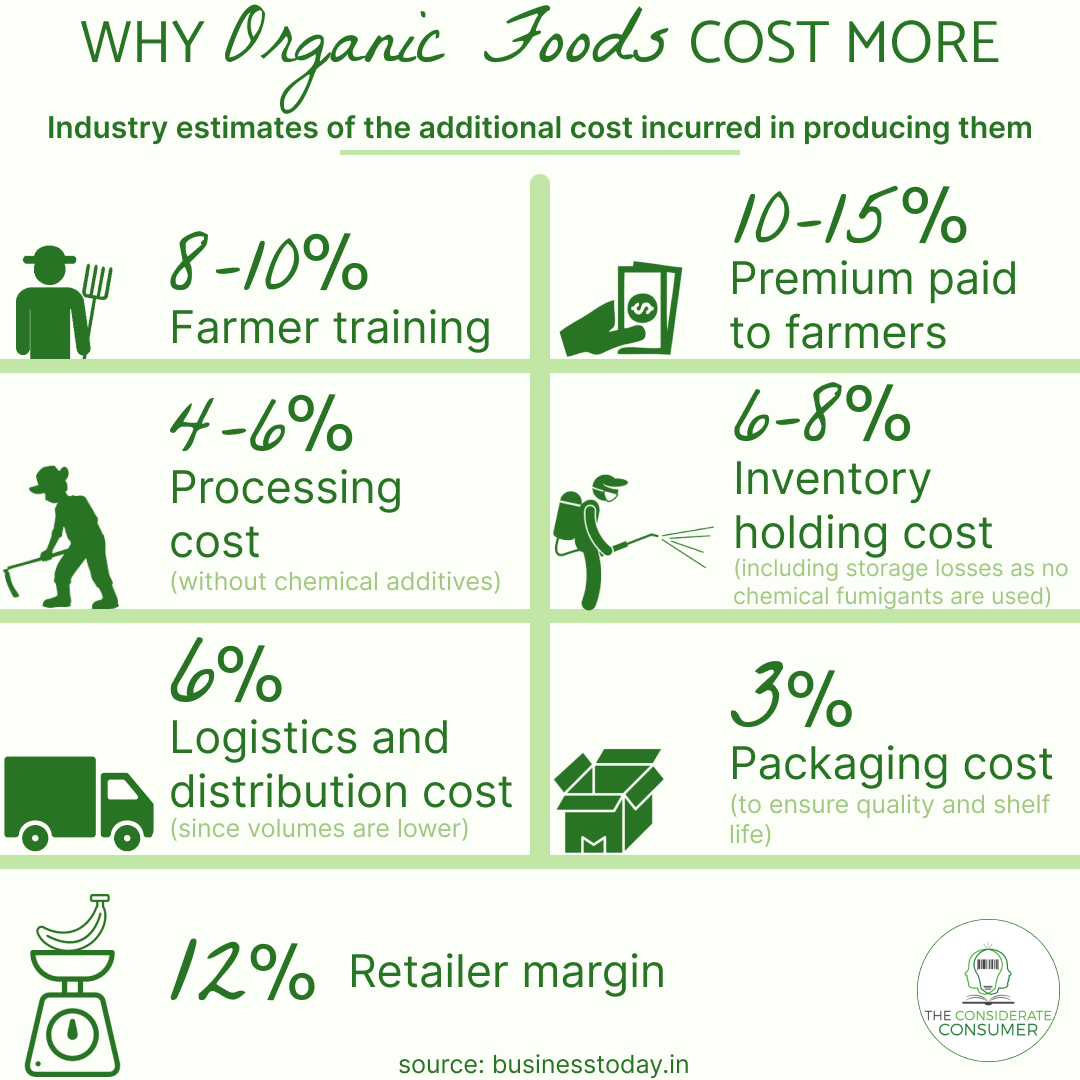
Organic production requires more intensive labor, complex crop rotations, and manual or mechanical weed management rather than broad-spectrum chemical spraying. Additionally, lower yields per acre in certain transition phases and separate processing supply chains contribute to higher retail costs.
Is the USDA organic label a reliable guarantee?
Yes. The USDA Organic seal is legally protected and requires rigorous annual inspections of farms and processing facilities by accredited third-party certifiers, ensuring compliance with federal production and handling standards.
Does buying organic reduce environmental pollution?
Multiple scientific assessments confirm that organic farming practices generally result in lower rates of soil erosion, enhanced local biodiversity, improved water retention, and the elimination of synthetic nitrogen runoff into local watersheds.
Conclusion: Navigating the Reality Beyond the Rhetoric
The claim that organic food is a hoax oversimplifies a complex and multifaceted agricultural reality. While aggressive marketing can create unrealistic consumer expectations regarding nutritional miracles and absolute chemical purity, dismissing the entire system as a scam ignores tangible ecological benefits, rigorous regulatory frameworks, and genuine consumer preferences. Understanding why this claim matters empowers individuals to make informed purchasing decisions based on environmental priorities, personal values, and realistic dietary expectations rather than marketing hype or cynical dismissal.
Image Gallery