Navigating the Identity and Reality of the Girls of the Ivy League
The phrase "girls of the ivy league" refers broadly to the women attending or graduating from the eight historic institutions comprising the Ivy League: Brown University, Columbia University, Cornell University, Dartmouth College, Harv...
The phrase "girls of the ivy league" refers broadly to the women attending or graduating from the eight historic institutions comprising the Ivy League: Brown University, Columbia University, Cornell University, Dartmouth College, Harvard University, Princeton University, University of Pennsylvania, and Yale University. Far from being a monolithic archetype, this student population represents a diverse demographic shaped by rigorous academic environments, elite institutional networks, and varied socioeconomic backgrounds.
Contents
Historical Context and Evolution of Women in the Ivy League
Understanding the contemporary demographic requires looking back at how these institutions transitioned from all-male enclaves to coeducational powerhouses. The path to coeducation was not uniform, resulting in distinct institutional cultures that persist to this day.
The Timeline of Coeducation
The historical entry of women into the Ivy League spanned nearly a century, beginning with peripheral integration and culminating in full coeducational assimilation:
- Cornell University (1869): Founded with coeducation as a core principle, Cornell admitted women from its inception, building Sage College as a dedicated residential hall for female scholars in 1874.
- University of Pennsylvania (Late 19th Century): Penn gradually integrated women through specialized departments and the establishment of the College for Women in 1933, before fully merging undergraduate programs in the mid-20th century.
- Brown University (1891): Originally coordinating with the Women's College in Brown University (later renamed Pembroke College), Brown fully merged its undergraduate coordinate colleges into a single coeducational institution in 1971.
- The Latecomers (1969–1983): Princeton and Yale opened their undergraduate doors to women in 1969. Dartmouth followed in 1972, and Columbia completed its transition when Barnard College maintained its status while Columbia College went coeducational in 1983. Harvard operated alongside Radcliffe College, eventually merging undergraduate admissions entirely by 1999.
Shifting Demographics and Cultural Impact
As these institutions evolved, the composition of the student body shifted dramatically. In the early decades of coeducation, female students often faced steep headwinds, encountering skewed gender ratios and social structures deeply rooted in traditional male exclusivity. By the 21st century, however, demographic shifts mirrored broader national trends in higher education, where women began to outnumber men across many undergraduate and graduate programs nationwide. Within the Ivy League, admissions parity was largely achieved, with female enrollment consistently hovering around 50% across most campuses.
Academic Rigor and Intellectual Environment
The intellectual expectations placed upon students in these universities shape daily academic life. Women attending Ivy League institutions navigate notoriously intense curricula characterized by competitive grading curves, independent research mandates, and direct access to leading scholars in fields ranging from quantum physics to comparative literature.
Navigating Hyper-Competitive Disciplines
While historical imbalances once steered women away from Science, Technology, Engineering, and Math (STEM) fields, modern enrollment statistics reflect significant diversification. Female scholars regularly comprise major cohorts within biological sciences, economics, and public policy. However, balancing heavy workloads with the psychological pressures of high-achieving environments remains a universal challenge. Academic structures demand relentless time management, critical thinking, and resilience, fostering an environment where collaboration and study groups are vital survival tools.
Faculty Mentorship and Research Opportunities
Access to world-class faculty provides a distinct institutional advantage. Undergraduate women routinely participate in funded research, publishing papers alongside professors before earning their bachelor's degrees. This high level of academic engagement prepares graduates for competitive fellowships, such as the Rhodes, Marshall, and Fulbright scholarships, where Ivy League women have historically maintained a strong presence.
Social Dynamics, Campus Culture, and Student Life
Beyond lecture halls, campus culture is defined by a dense ecosystem of extracurricular organizations, Greek life, pre-professional societies, and athletic programs.
Extracurricular Leadership and Student Governance
Ivy League campuses are notorious for the sheer volume of student-run organizations. From historic literary societies and mock trial teams to consulting clubs and cultural affinity groups, women frequently occupy top leadership positions. These organizations serve as informal testing grounds for corporate, political, and academic careers, offering hands-on experience in budget management, public speaking, and team leadership.
Athletics and Wellness
Division I athletics play a prominent role at institutions like Dartmouth, Cornell, and Penn, while others emphasize competitive club sports and intramurals. Female student-athletes balance grueling training schedules with elite academic demands, driving institutional conversations around mental health, wellness support, and equitable resource allocation.
Admissions Landscape and Selectivity Metrics
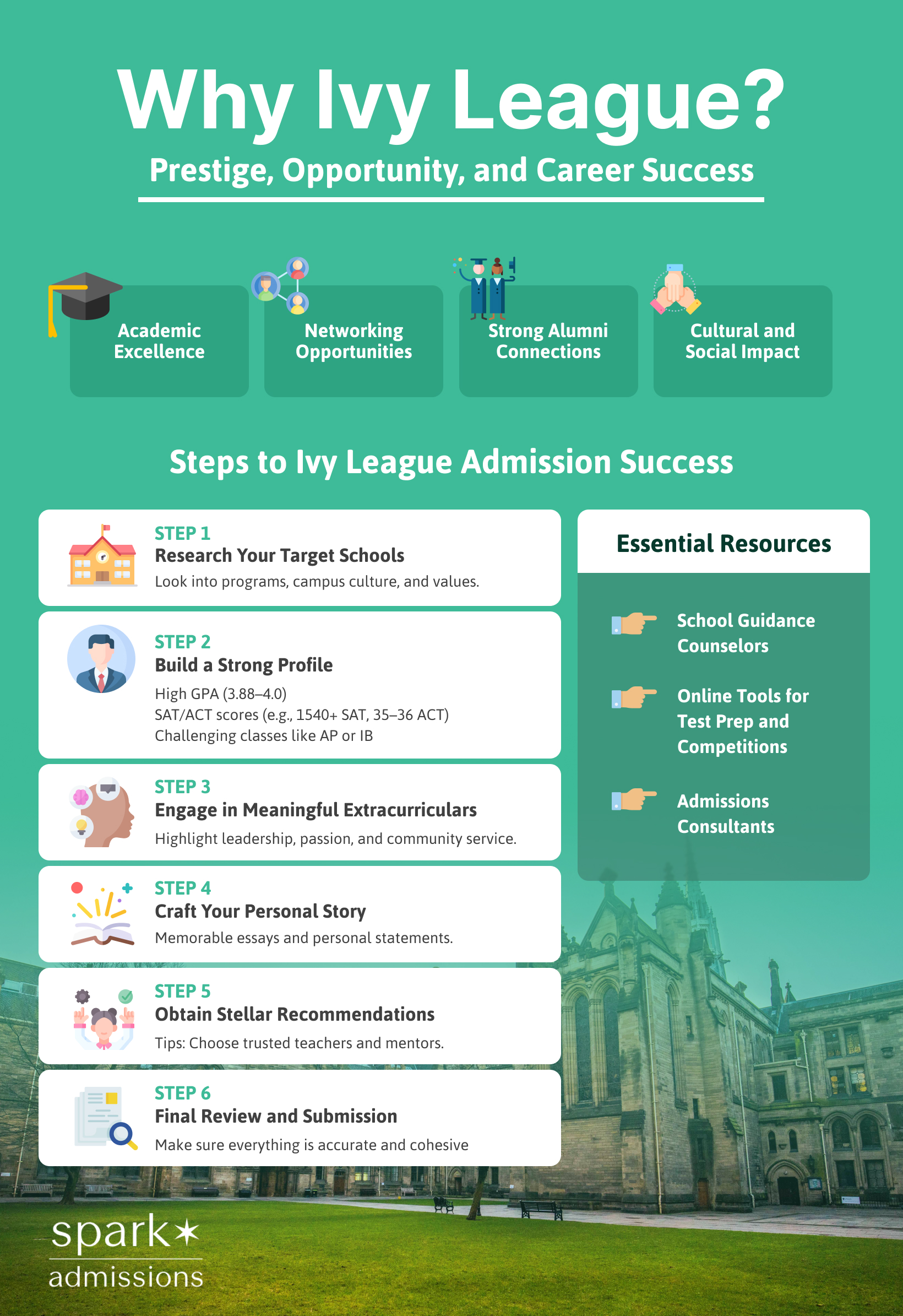
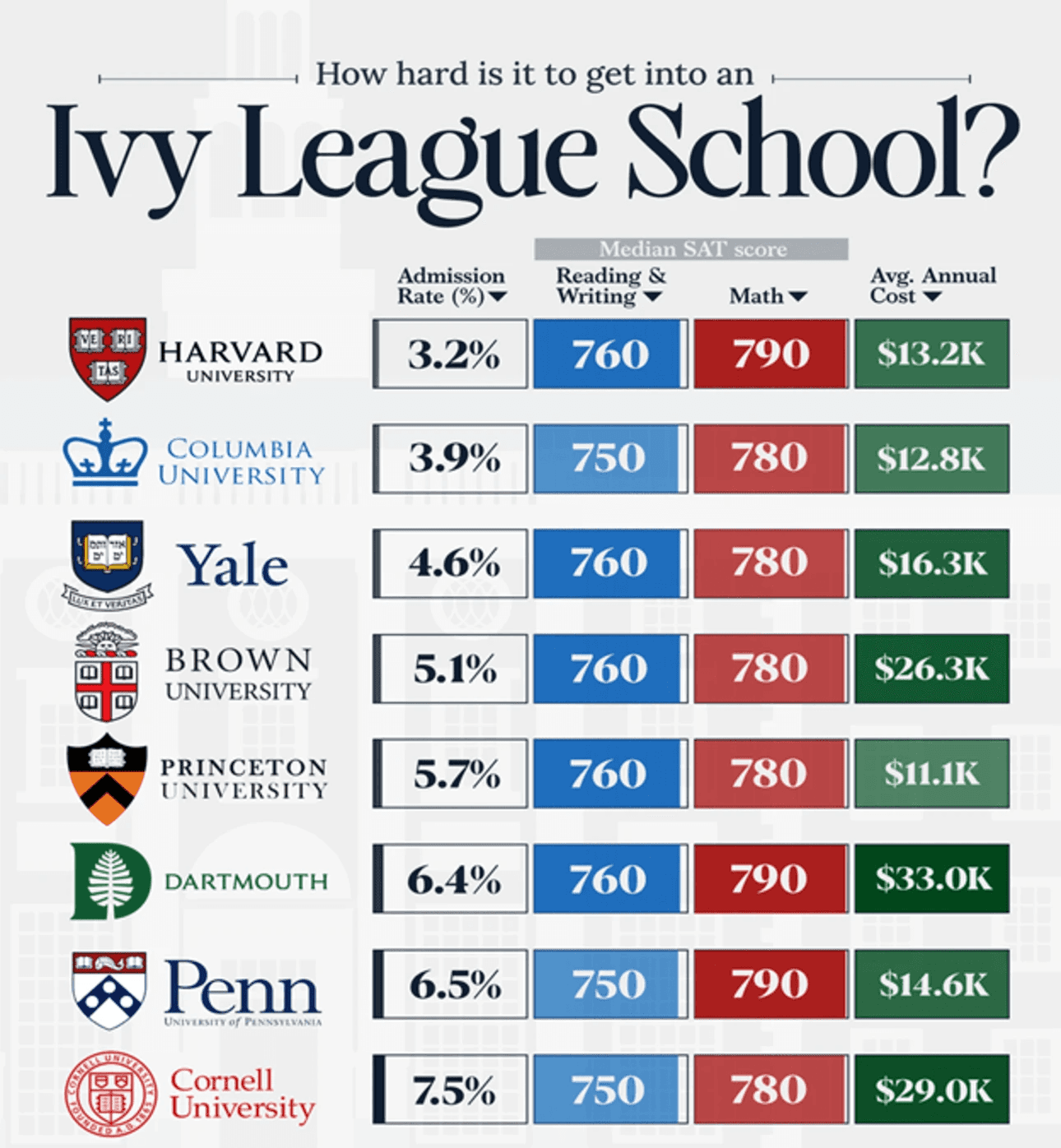
Gaining admission to an Ivy League institution requires exceptional academic credentials, standardized testing scores (where applicable), and compelling personal narratives. The admissions process evaluates holistic profiles, seeking candidates who demonstrate intellectual vitality, leadership potential, and unique perspectives.
| Institution | Location | Undergraduate Enrollment (Approximate) | Coeducation Status Established |
|---|---|---|---|
| Brown University | Providence, RI | 7,000+ | 1971 (Pembroke merger) |
| Columbia University | New York, NY | 8,000+ | 1983 (Columbia College) |
| Cornell University | Ithaca, NY | 15,000+ | 1869 (Founding) |
| Dartmouth College | Hanover, NH | 4,400+ | 1972 |
| Harvard University | Cambridge, MA | 7,100+ | 1999 (Radcliffe merger) |
| Princeton University | Princeton, NJ | 5,500+ | 1969 |
| University of Pennsylvania | Philadelphia, PA | 10,000+ | Mid-20th Century |
| Yale University | New Haven, CT | 6,500+ | 1969 |
Career Trajectories and Post-Graduate Outcomes
The professional trajectory of Ivy League alumnae is shaped by powerful alumni networks, on-campus recruiting pipelines, and institutional prestige. Graduates frequently enter high-barrier industries such as management consulting, investment banking, corporate law, medicine, technology, and academia.
Networking and Institutional Capital
The "Ivy League network" provides a lifelong professional scaffolding. Alumnae-led organizations, mentorship programs, and regional alumni clubs facilitate career mobility and leadership placement. While this network offers undeniable advantages, it also subjects graduates to intense societal expectations, high-pressure career environments, and scrutiny regarding privilege and socioeconomic background.
Entrepreneurship and Public Service
Beyond corporate tracks, an increasing number of graduates pivot toward entrepreneurship, venture capital, and non-profit leadership. Incubators embedded within universities—such as Columbia’s Startup Lab or Penn’s Venture Lab—provide seed funding and mentorship, encouraging women to launch scalable technology startups and social enterprises.
Frequently Asked Questions
Are Ivy League universities entirely coeducational today?
Yes. All eight Ivy League universities admit women on an equal basis with men across their undergraduate colleges. While institutions like Columbia historically operated alongside separate women's colleges like Barnard, all undergraduate divisions are fully integrated today.
Do women face specific admissions hurdles in the Ivy League?
Admissions processes are need-blind for U.S. citizens at most Ivy League institutions and evaluate candidates holistically. Statistically, female applicant pools often match or exceed male applicant numbers, and modern enrollment data reflects near-even gender distribution across most campuses.
What career paths do most Ivy League women pursue?
Graduates enter a wide spectrum of fields, including finance, technology, medicine, law, public policy, and the arts. While consulting and finance remain popular recruiting destinations due to active campus pipelines, growing numbers enter tech entrepreneurship and scientific research.
How do these institutions support mental health and student wellness?
Ivy League universities maintain comprehensive student wellness centers, counseling services, and peer-support networks. Given the high-stress nature of these academic environments, universities have expanded mental health resources and accessibility programs in recent years.
Is the social culture strictly defined by elitism?
While these universities carry reputations for historical elitism and wealth, contemporary student bodies are increasingly diverse. Admissions offices utilize substantial financial aid endowments to admit students from varied socioeconomic backgrounds, fostering multicultural and economically diverse campus communities.
Practical Next Steps for Prospective Students
For students aspiring to join these academic communities, preparation involves maintaining rigorous academic performance, engaging deeply in extracurricular pursuits with demonstrated leadership, and crafting authentic personal statements that reflect individual character. Reviewing individual institutional websites for specific application requirements, financial aid calculators, and holistic review criteria provides the clearest roadmap for prospective applicants.
Image Gallery