Tarzana Treatment Center Detox Explained: A Comprehensive Guide to Medical Withdrawal Management
Tarzana Treatment Centers (TTC) provides a medically supervised detoxification program designed to stabilize individuals withdrawing from alcohol, opioids, and other substances. Utilizing a multidisciplinary approach, the program integ...
Tarzana Treatment Centers (TTC) provides a medically supervised detoxification program designed to stabilize individuals withdrawing from alcohol, opioids, and other substances. Utilizing a multidisciplinary approach, the program integrates 24/7 nursing care, physician oversight, and evidence-based medications to ensure safety and comfort during the critical first phase of addiction recovery.
Contents
Detoxification, or "detox," is often the most intimidating hurdle for individuals seeking help for substance use disorders. At Tarzana Treatment Centers, this process is treated as a medical necessity rather than a simple period of abstinence. As of 2026, TTC remains a cornerstone of the Southern California healthcare landscape, offering integrated services that bridge the gap between acute medical stabilization and long-term behavioral health treatment. Understanding how this program functions—from the initial assessment to the transition into residential care—is essential for patients and families navigating the complexities of the healthcare system.
The Role of Medical Detox in Recovery
Medical detoxification is the process of allowing the body to clear itself of drugs or alcohol while managing the symptoms of withdrawal. For many substances, particularly alcohol and benzodiazepines, withdrawal can be life-threatening without professional intervention. TTC’s detox program is designed to manage these risks in a controlled environment.
The primary goal of detox is medical stabilization. This means monitoring vital signs, managing pain, and preventing complications such as seizures, delirium tremens (DTs), or severe respiratory distress. At Tarzana Treatment Centers, the detox phase is not viewed as a "cure" for addiction but as the foundational step that prepares the brain and body for the psychological work of therapy and counseling.
Why Professional Supervision is Required
Attempting to detox at home—often referred to as "cold turkey"—is dangerous for several reasons. Substance dependence alters brain chemistry; when the substance is abruptly removed, the central nervous system can become hyperactive. This leads to a cascade of physical and mental health crises. By utilizing a facility like TTC, patients have access to:
- Continuous Monitoring: Nurses and medical technicians track heart rate, blood pressure, and oxygen levels.
- Pharmacological Intervention: Doctors can prescribe medications to dampen withdrawal symptoms and reduce cravings.
- Psychological Support: Early withdrawal often involves intense anxiety, depression, or suicidal ideation, all of which require immediate clinical attention.
The Admission and Assessment Process
Entering a detox program at Tarzana Treatment Centers begins with a comprehensive intake process. Because TTC operates as an integrated healthcare provider, their assessment is more thorough than many stand-alone recovery centers.
The Bio-Psycho-Social Assessment
Upon arrival, every patient undergoes a bio-psycho-social assessment. This evaluation looks at three specific areas:
- Biological: Current physical health, substance use history, existing medical conditions (like diabetes or hypertension), and infectious disease screening (HIV/Hepatitis C).
- Psychological: Mental health history, presence of co-occurring disorders (dual diagnosis), and current emotional stability.
- Social: Housing status, family support systems, legal issues, and employment history.
This data is used to determine the appropriate "Level of Care" based on the American Society of Addiction Medicine (ASAM) criteria. If a patient is deemed at high risk for severe withdrawal, they are admitted to the inpatient withdrawal management unit.
2026 Admission Requirements and Documentation
To streamline admission in 2026, patients are typically required to provide:
- Valid government-issued identification.
- Insurance information (Medi-Cal, Medicare, or private insurance).
- A list of current prescription medications.
- Emergency contact information.
TTC is known for its "no wrong door" policy, meaning they attempt to assist anyone who arrives seeking help, though bed availability can vary by location (such as the Tarzana, Northridge, or Long Beach campuses).
The Medical Protocols for Withdrawal Management
TTC employs specific medical protocols tailored to the substance of abuse. These protocols are based on clinical guidelines from the Substance Abuse and Mental Health Services Administration (SAMHSA).
Alcohol and Benzodiazepine Detox
These substances represent the highest medical risk during withdrawal. TTC clinicians often use the Clinical Institute Withdrawal Assessment for Alcohol (CIWA-Ar) scale to measure the severity of symptoms. Medications such as long-acting benzodiazepines (e.g., Librium or Valium) may be used in a tapering schedule to prevent seizures and neurological excitability.
Opioid Detoxification
For those struggling with heroin or prescription painkillers (fentanyl, oxycodone), the focus is on managing the intense physical discomfort and cravings. TTC utilizes the Clinical Opiate Withdrawal Scale (COWS) to guide treatment.
- Medication-Assisted Treatment (MAT): Medications like Buprenorphine (Suboxone) or Methadone may be used to stabilize the patient.
- Ancillary Medications: Non-narcotic medications may be provided to treat specific symptoms like nausea, muscle aches, and insomnia.
Stimulant and Polysubstance Detox
Withdrawal from cocaine or methamphetamines is primarily psychological, involving severe depression and fatigue. Medical staff monitor for cardiac issues and psychiatric stability, providing a "low-stimulus" environment to help the nervous system reset.
Levels of Care and Facility Comparisons
Tarzana Treatment Centers offers different tiers of intensity depending on the patient's medical needs. Understanding these levels helps in setting expectations for the stay.
| Level of Care | Description | Best For | Typical Duration |
|---|---|---|---|
| Inpatient Detox (3.7-WM) | 24-hour medical nursing and physician availability. High intensity. | Severe alcohol/benzo dependence; high seizure risk. | 3–7 Days |
| Residential Treatment | 24-hour monitoring with focus on therapy rather than acute medical crisis. | Stabilization after the acute withdrawal phase. | 14–90 Days |
| Partial Hospitalization (PHP) | Day treatment (6+ hours/day) while living at home or in sober living. | Patients with stable housing who still need daily clinical support. | 2–4 Weeks |
| Intensive Outpatient (IOP) | 9–19 hours of therapy per week. | Transitioning back to work or school while maintaining sobriety. | 1–3 Months |
The Integrated Care Model at Tarzana
One of the distinguishing factors of "Tarzana treatment center detox explained" is their integrated care model. Unlike many private "rehabs," TTC is a Federally Qualified Health Center (FQHC) look-alike. This means they treat the whole person, not just the addiction.
Mental Health Integration
Many patients undergoing detox suffer from underlying mental health conditions like bipolar disorder, PTSD, or clinical depression. TTC provides "Dual Diagnosis" care, ensuring that psychiatric medications are managed alongside withdrawal medications. This reduces the risk of relapse caused by untreated mental health symptoms surfacing once the drugs leave the system.
Primary Care and HIV/AIDS Services
During detox, if a medical issue is discovered—such as an abscess from intravenous drug use or a respiratory infection—TTC’s primary care team can treat it on-site. They also offer specialized care for patients living with HIV/AIDS, ensuring that antiretroviral therapies are maintained throughout the detox process.
Costs, Insurance, and Accessibility
In 2026, the cost of detox remains a primary concern for families. Tarzana Treatment Centers is a non-profit organization, which generally makes it more accessible than many for-profit luxury centers in California.
Insurance Coverage
TTC accepts a wide range of insurance providers, including:
- Medi-Cal: As a major contractor for the Los Angeles County Department of Public Health (SAPC), TTC is a primary destination for Medi-Cal beneficiaries.
- Private Insurance: Many PPO and HMO plans cover the medical necessity of detox.
- Uninsured/Self-Pay: For those without insurance, TTC often utilizes a sliding fee scale based on income, or helps patients enroll in emergency Medi-Cal or other state-funded programs.
Physical Locations for Detox
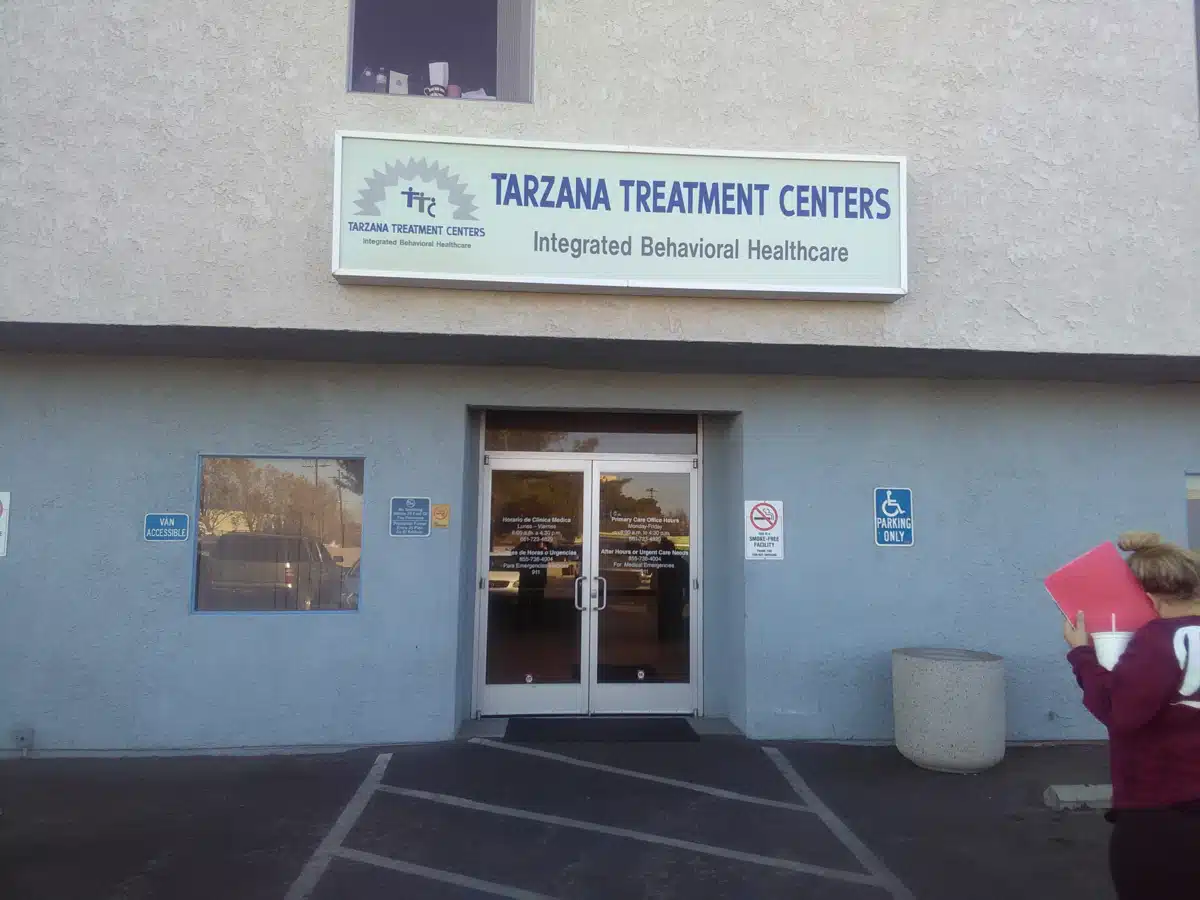
While the name suggests a single location, detox services are distributed across several campuses in the San Fernando Valley and Antelope Valley:
- Tarzana Campus: The flagship facility offering full medical detox.
- Northridge Campus: Focuses on residential and youth services.
- Long Beach & Lancaster: Offer various levels of outpatient and residential support.
Common Mistakes and Misconceptions
When researching "Tarzana treatment center detox explained," it is important to address common myths that can hinder recovery.
- "Detox is the whole treatment": Many people believe they are "fixed" after the 5-day detox. Statistically, detox alone has a very high relapse rate. The real work begins in the residential or outpatient phase that follows.
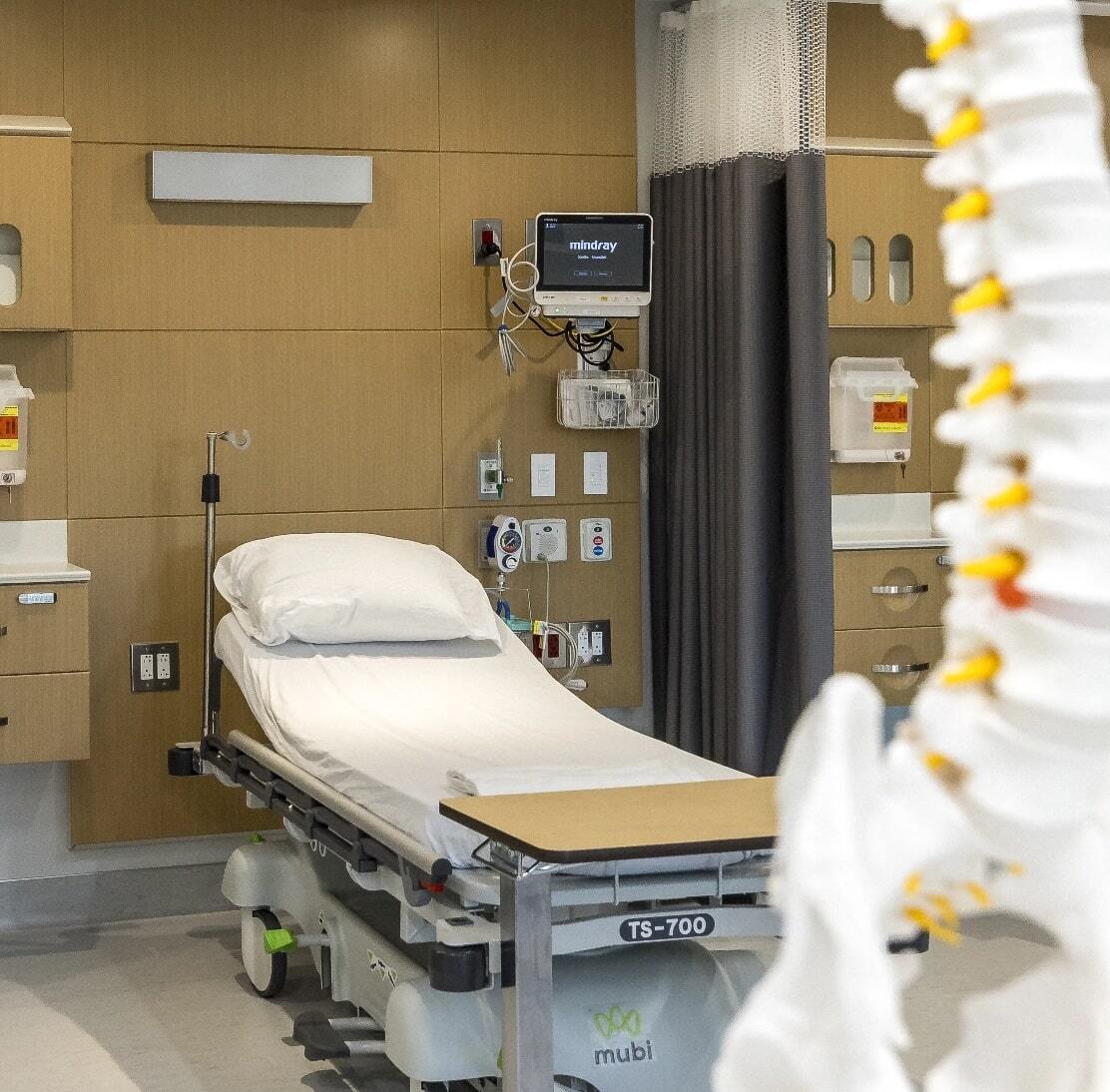
- "It’s going to be like a spa": TTC is a high-quality medical facility, but it is a hospital-like environment focused on safety. It is not a luxury retreat with five-star amenities. The focus is on clinical excellence and stabilization.
- "I can leave whenever I want": While detox is voluntary, leaving "Against Medical Advice" (AMA) can be dangerous. TTC staff will strongly encourage patients to stay until medically cleared to prevent life-threatening withdrawal complications.
Frequently Asked Questions
How long does the detox process take at Tarzana?
The average stay in the medical detox unit is between 3 and 7 days. However, the duration is entirely dependent on the substance used, the length of the addiction, and the patient's physical response to the withdrawal protocols. Opioid and alcohol detoxes generally fall within this window, while benzodiazepine tapers can sometimes take longer.
Can I have my phone during detox?
Generally, access to electronic devices is restricted during the acute detox phase. This is to help patients focus on their stabilization and to protect the privacy of other patients in the unit. As patients transition to residential care, phone privileges are usually reintroduced on a scheduled basis.
What happens after the detox is finished?
Before discharge from detox, a case manager works with the patient to develop a "Continuing Care Plan." This usually involves a direct transfer to a residential treatment program (either at TTC or another facility) or an Intensive Outpatient Program (IOP). TTC emphasizes a "warm hand-off" to ensure the patient doesn't have a gap in support.
Is Tarzana Treatment Centers only for people in Los Angeles?
While TTC primarily serves the Los Angeles County and Antelope Valley areas, they accept patients from across California and beyond, provided insurance requirements are met. Their deep integration with LA County’s Department of Public Health makes them a primary resource for local residents.
Does the detox program include therapy?
During the first few days of detox, the focus is almost entirely medical. As a patient’s physical symptoms subside, they begin to participate in group counseling sessions and meet with a substance use disorder (SUD) counselor. However, the intensive one-on-one therapy typically begins in the next phase of treatment (Residential or PHP).
Recommendation for Next Steps
If you or a loved one are experiencing symptoms of physical dependence, the first action should be a professional medical consultation. Do not attempt to stop substance use abruptly if you have a history of heavy alcohol or benzodiazepine use.
To begin the process at Tarzana Treatment Centers, contact their central admissions line or visit one of their 24-hour access points for an immediate screening. Ensure you have your insurance card and a list of current medications ready to expedite the assessment. If a bed is not immediately available, TTC staff can often provide referrals to other contracted facilities within the Los Angeles County network to ensure you receive care during the critical window of willingness.
Professional Advice Limitation: This guide is for informational purposes only and does not constitute medical or legal advice. Detoxification from certain substances can be life-threatening. Always seek the advice of a physician or qualified healthcare provider regarding a medical condition or treatment.
Image Gallery